
Routes · China
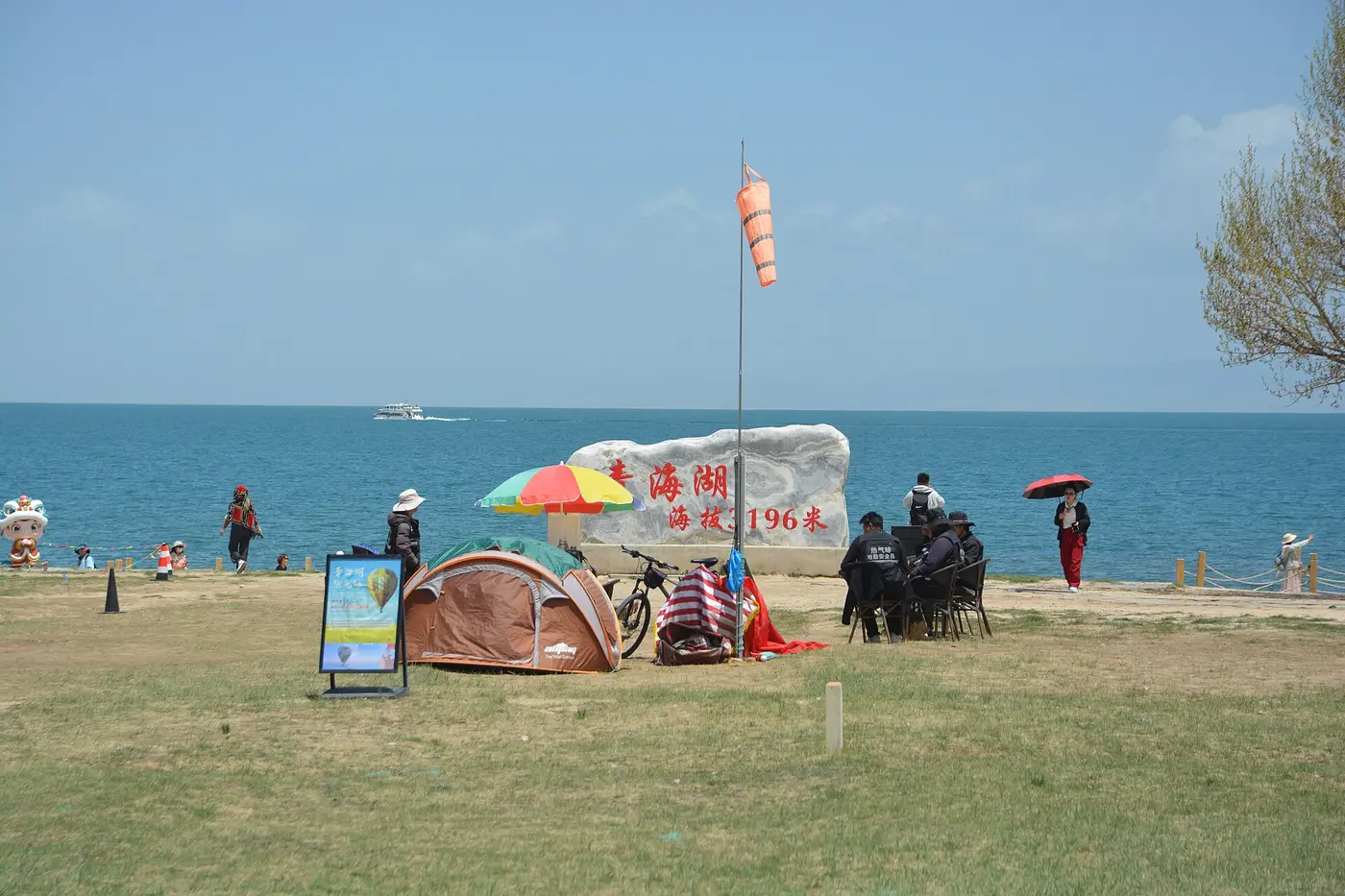
14 Days on the Qinghai–Gansu Road: From Qinghai Lake to Dunhuang
Qinghai Lake, Chaka, Qaidam, Dunhuang, Zhangye and Qilian in a 14-day loop, with car hire, altitude, road closures and booking rules.
15 min read · 11/4/2026Read guide →
Local insight on routes, transport, food, stays, culture and entry preparation.
Qinghai Lake, Chaka, Qaidam, Dunhuang, Zhangye and Qilian in a 14-day loop, with car hire, altitude, road closures and booking rules.
Read the guide →170 published guides
Qinghai Lake, Chaka, Qaidam, Dunhuang, Zhangye and Qilian in a 14-day loop, with car hire, altitude, road closures and booking rules.
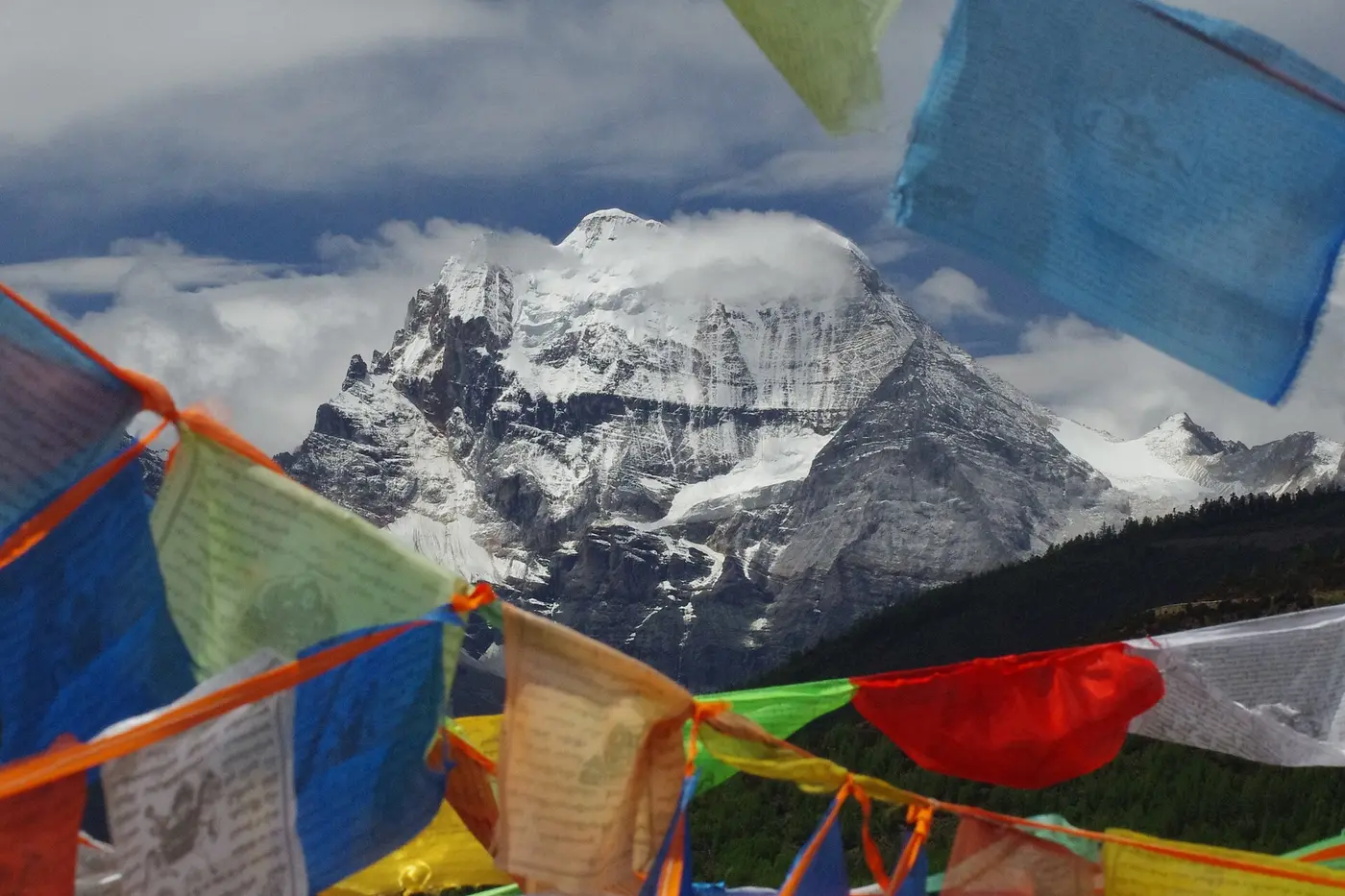
Lijiang, Tiger Leaping Gorge, Shangri-La, Yading, Xinduqiao, Danba and Siguniang over 15 days of altitude steps, with the long-route difficulty and altitude advice.
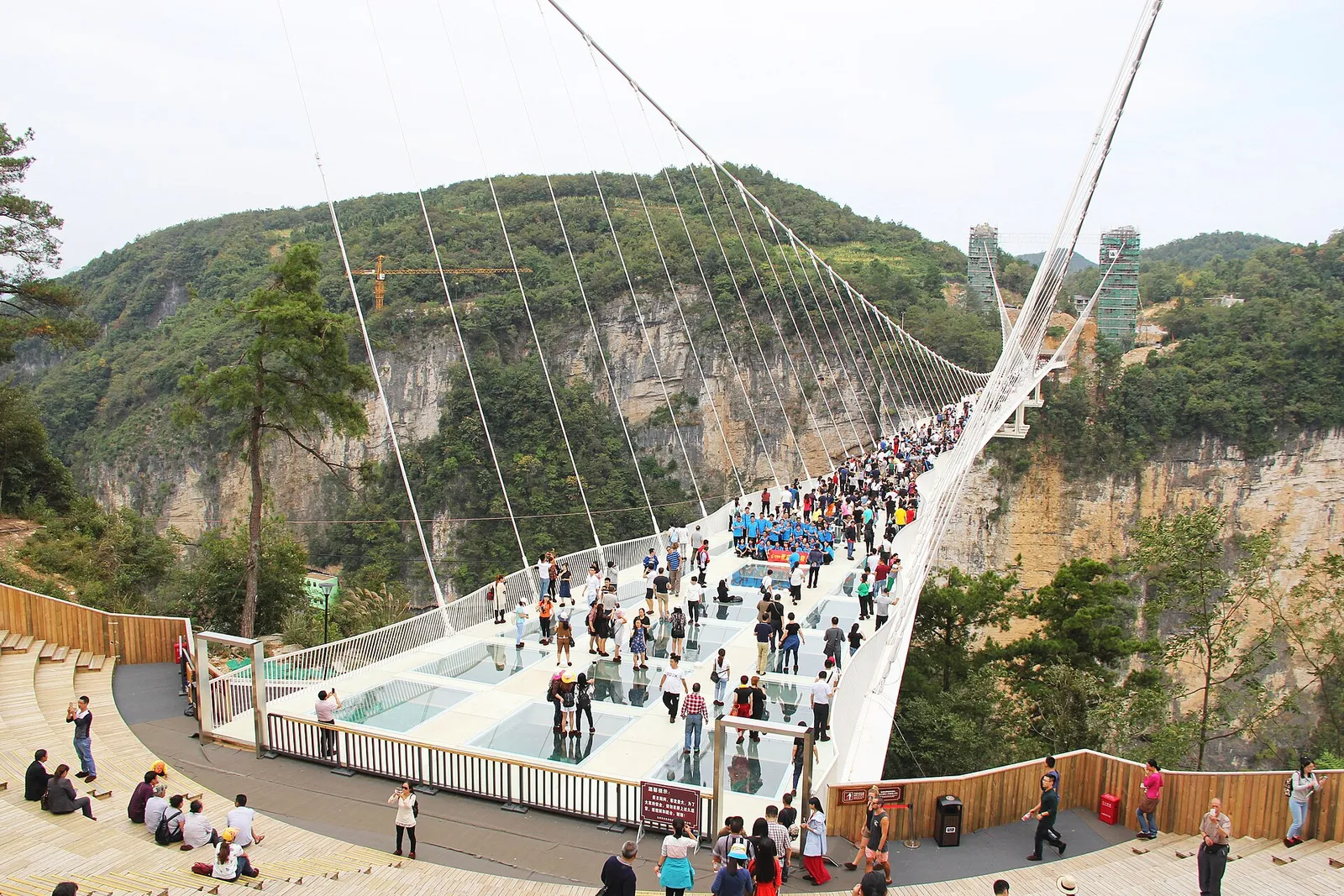
Glass-bridge bungee, cliff via ferrata and two record bridges in 10 days, with routes, transport, booking limits and what it does to your body.
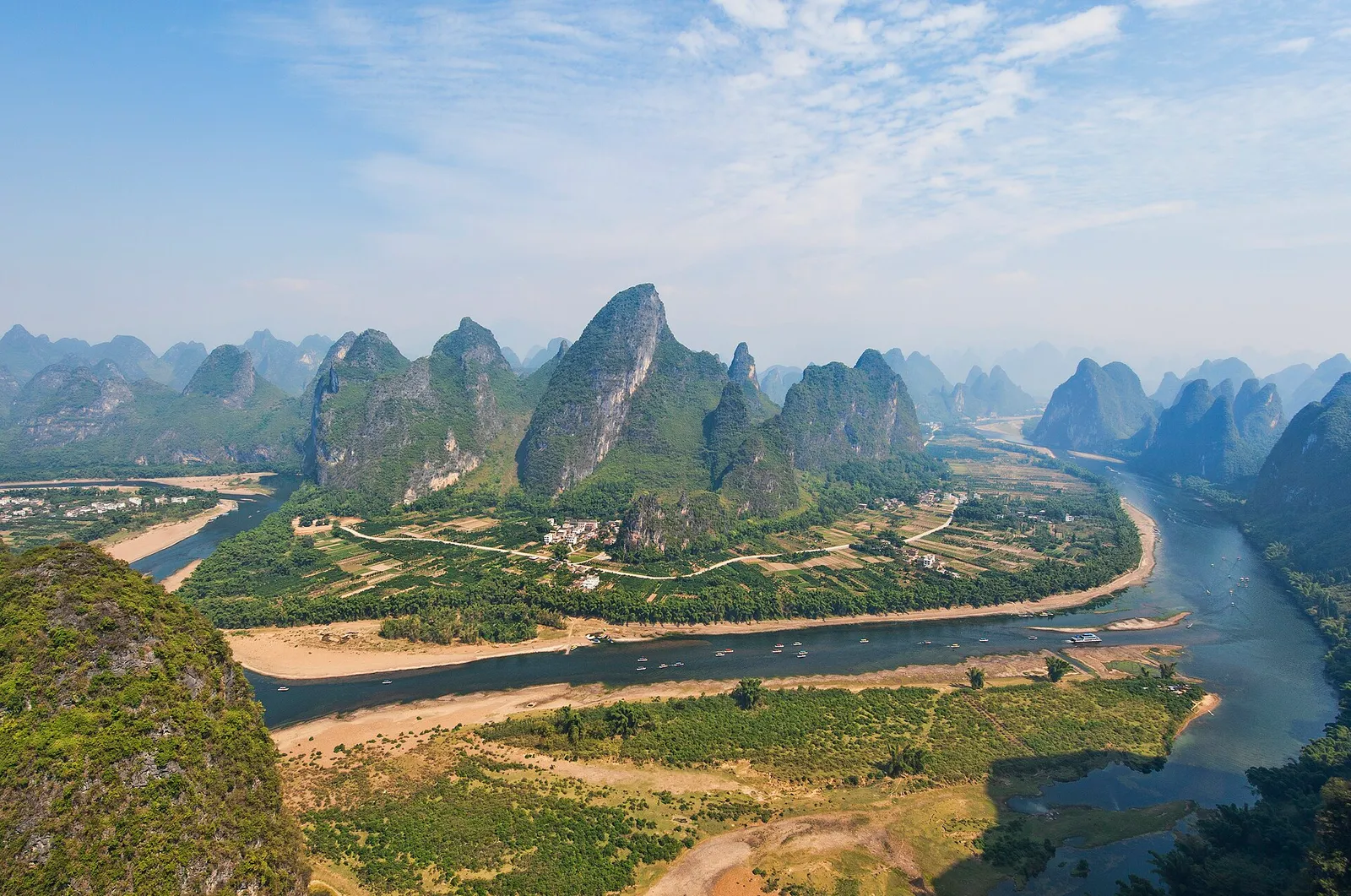
Bridges and caves in Guizhou, the water of Libo, and the limestone of Yangshuo, linked into 11 days on the water, with bookings, tickets and seasonal limits.
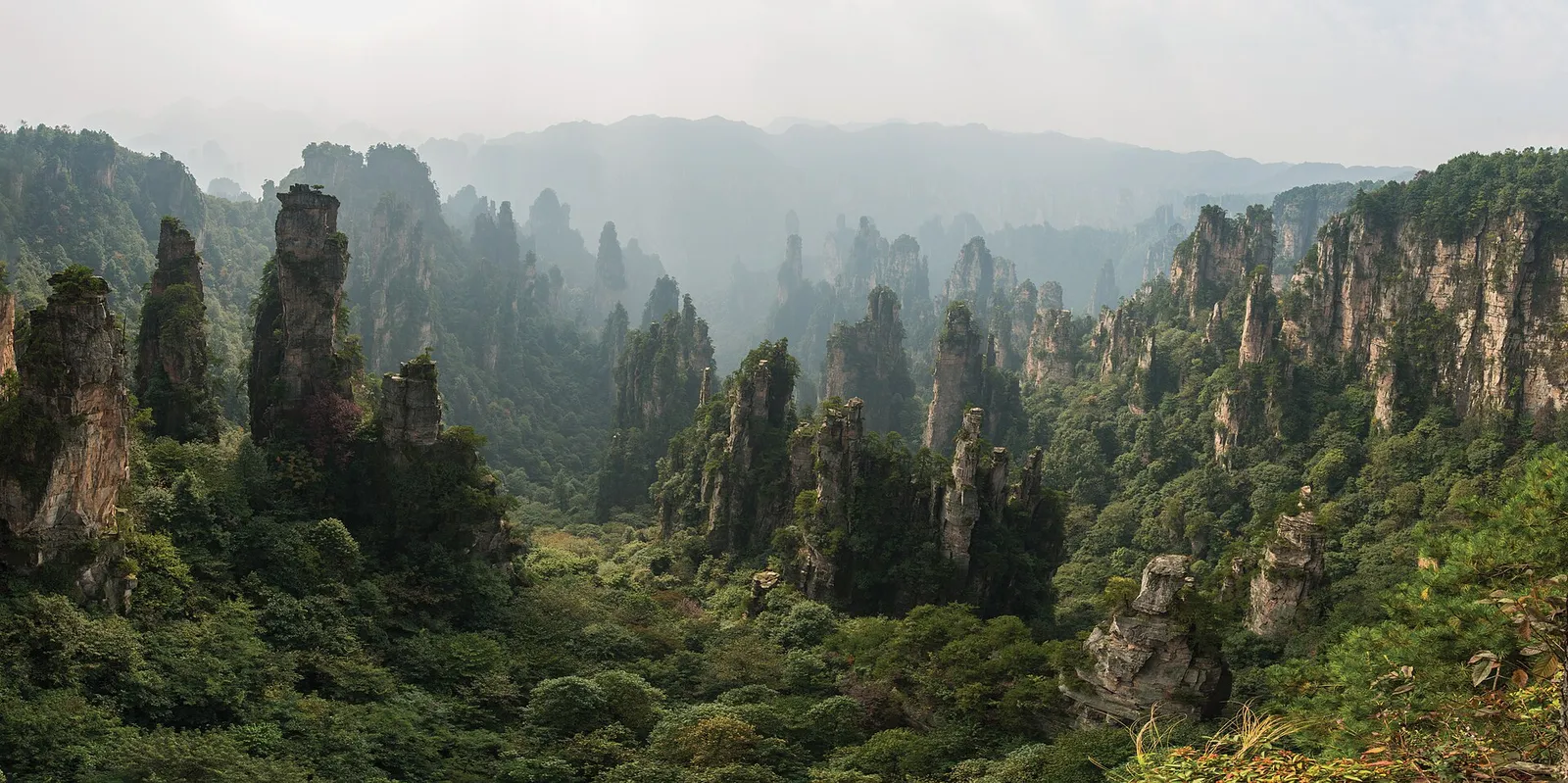
Sandstone pillars in Zhangjiajie, cliff walkways in Enshi and the hills of Chongqing, built around walking, with ticket booking, step counts, cable car choices and pacing.
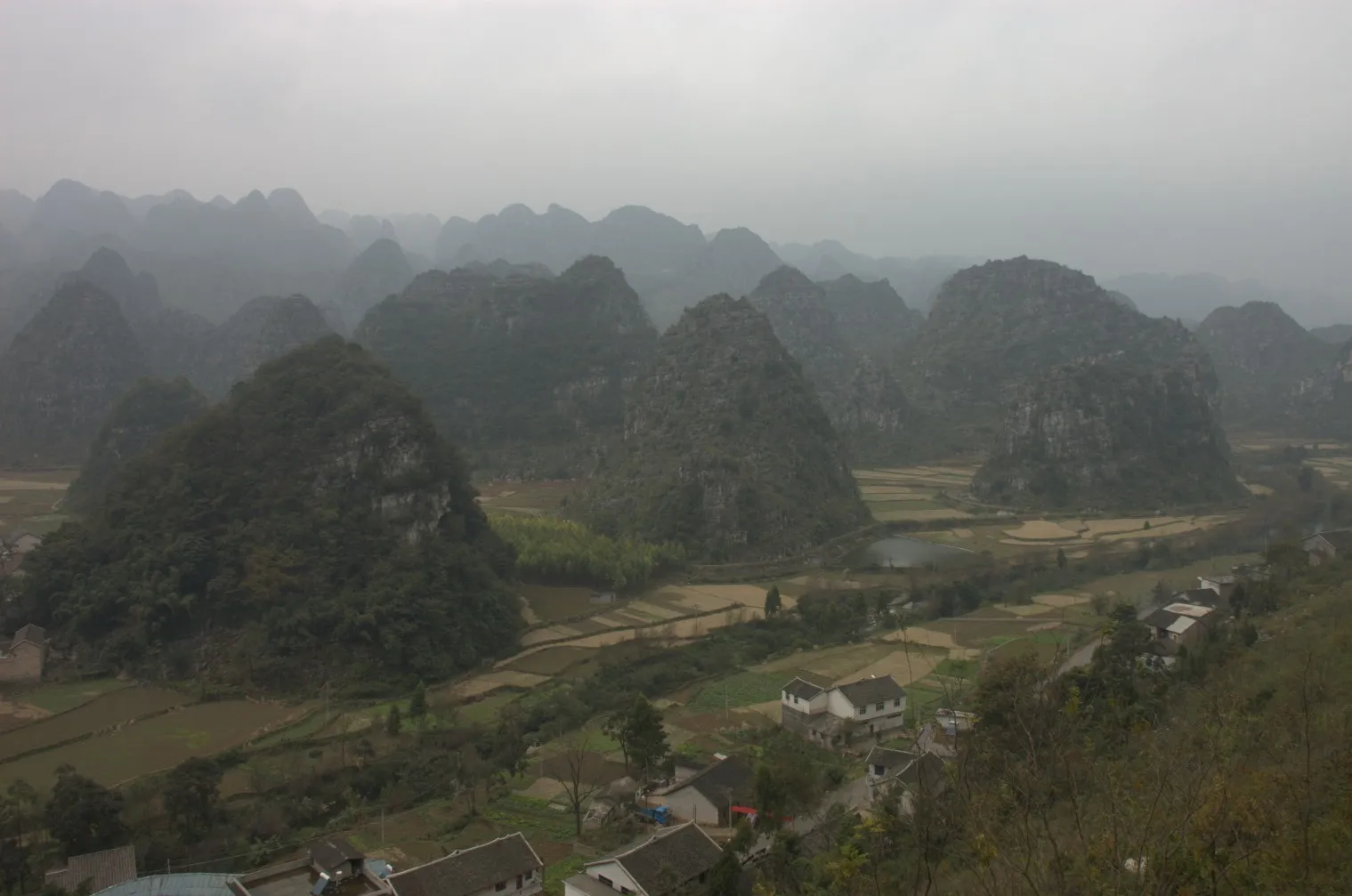
From the great halls of Zhijin Cave to the unlit caves of Maolan and the sinkholes of Wulong, 13 days spent below ground, with bookings, guides and seasonal limits.
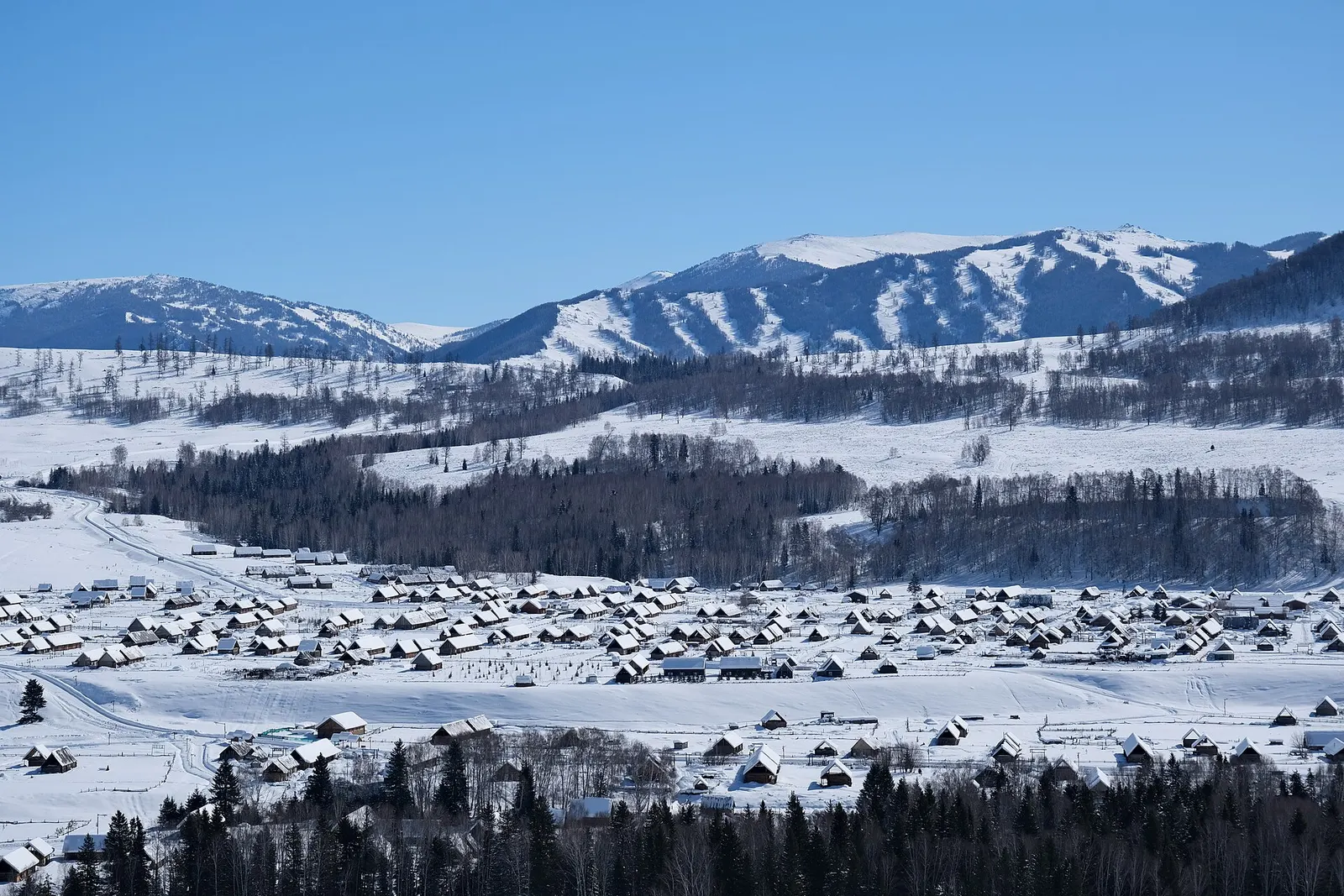
Altay has one of the few genuine snow seasons in China: thick snow on Hemu roofs, snowy river bends at Kanas, and the quiet border village of Baihaba. This covers when to go, how to get in, moving on snow, where to stay, and how far the gear has to go.
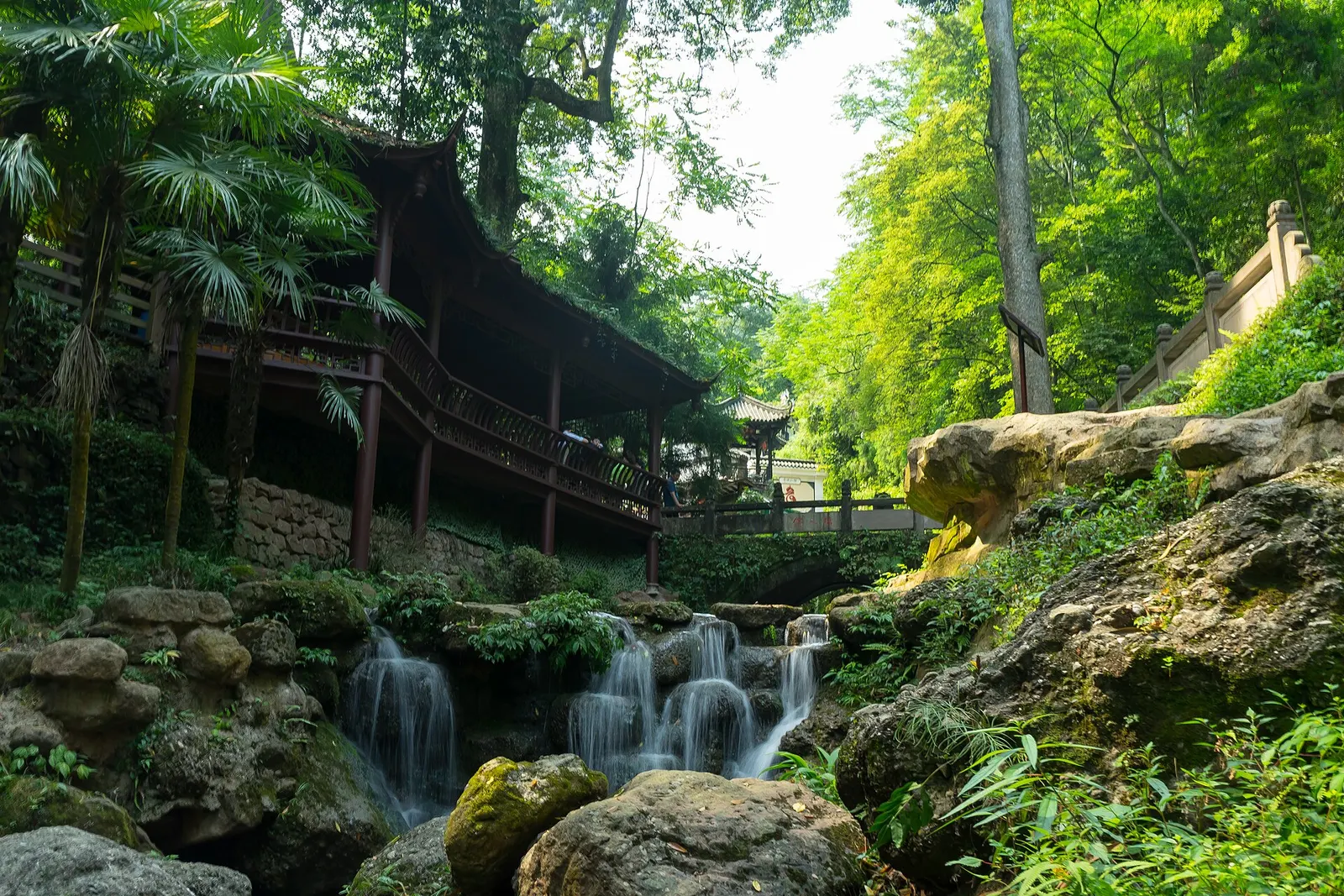
The most practical winter weekend around Chengdu is finding a hot spring and soaking for two or three hours. This sorts the options by drive time, explains private versus shared pools, and covers what to check with children or elders.

New Year in Harbin is concrete: ice parks open, Central Street is packed, and you count down at minus twenty. This gives a three-day plan covering where to spend New Year Eve, how to dodge the crowds, and where to stay to save your legs.
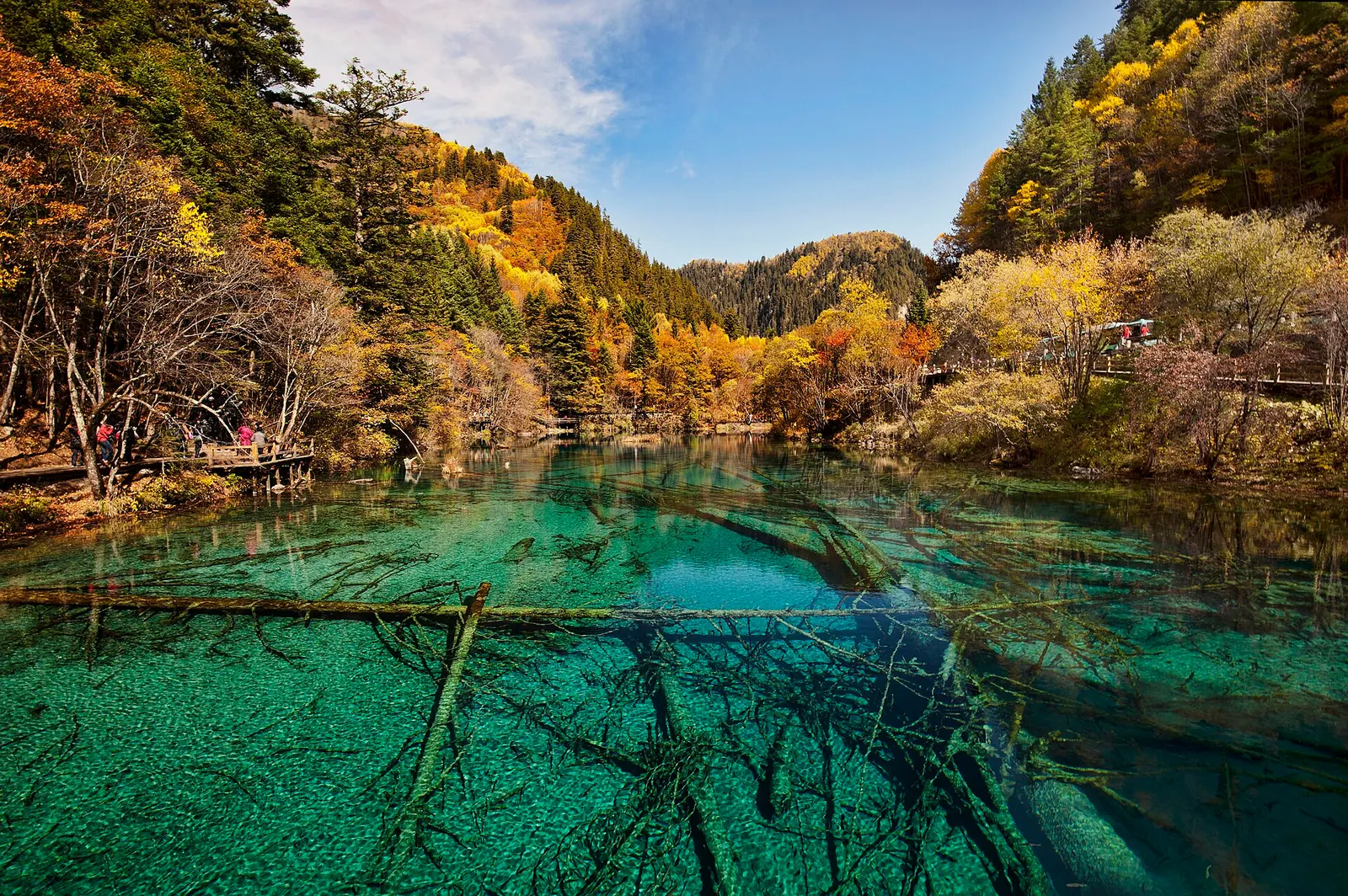
First-time visitors ask three things: how to get there from Chengdu, whether one day inside is enough, and whether winter is worth it. This covers all three, plus the Y-shaped valley route, the snow season, ticket booking, and whether to stay at the gate or in the county town.
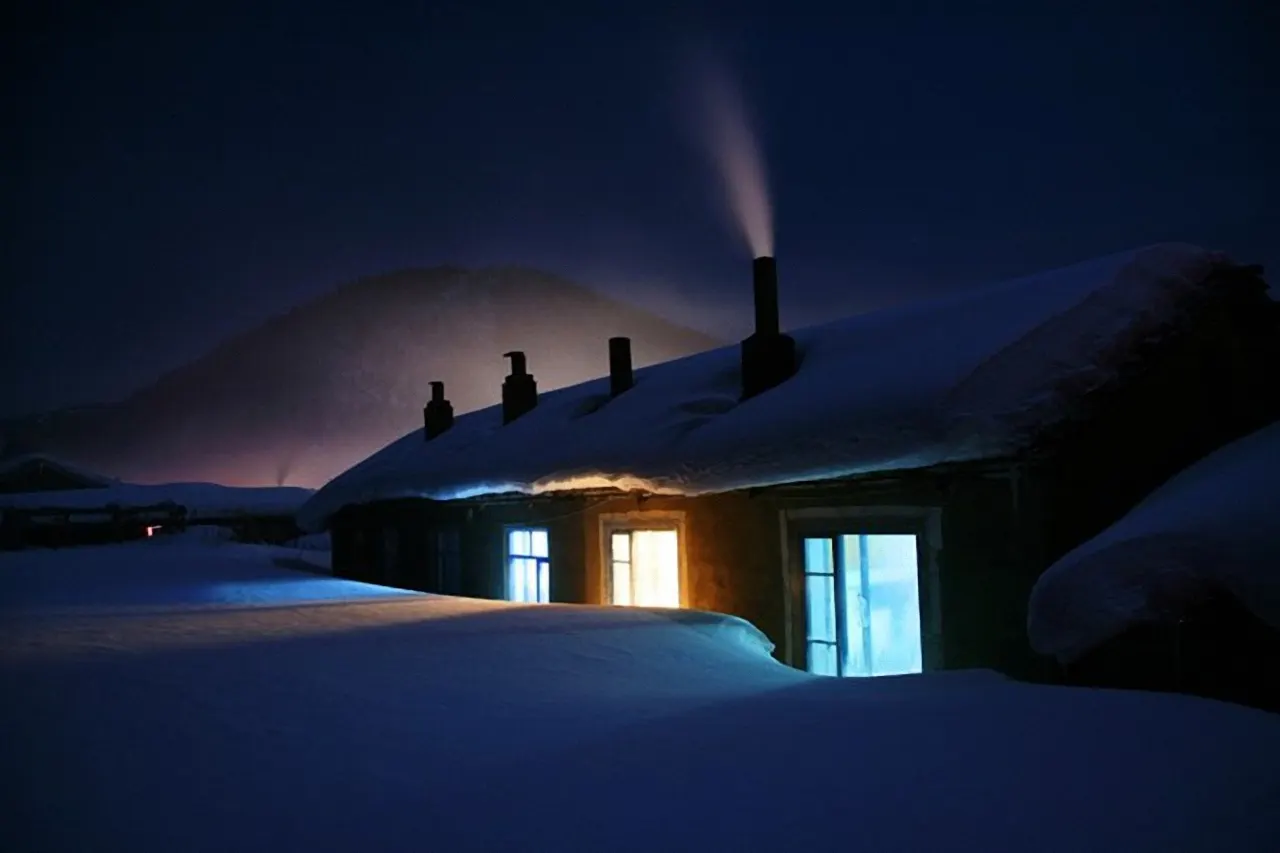
Mohe is the northernmost county town in China, where minus thirty or forty is normal in winter. This covers how to get there, what Arctic Village shows, how to shoot the boiling-water trick, a three-day plan, and the hard limits of extreme cold.
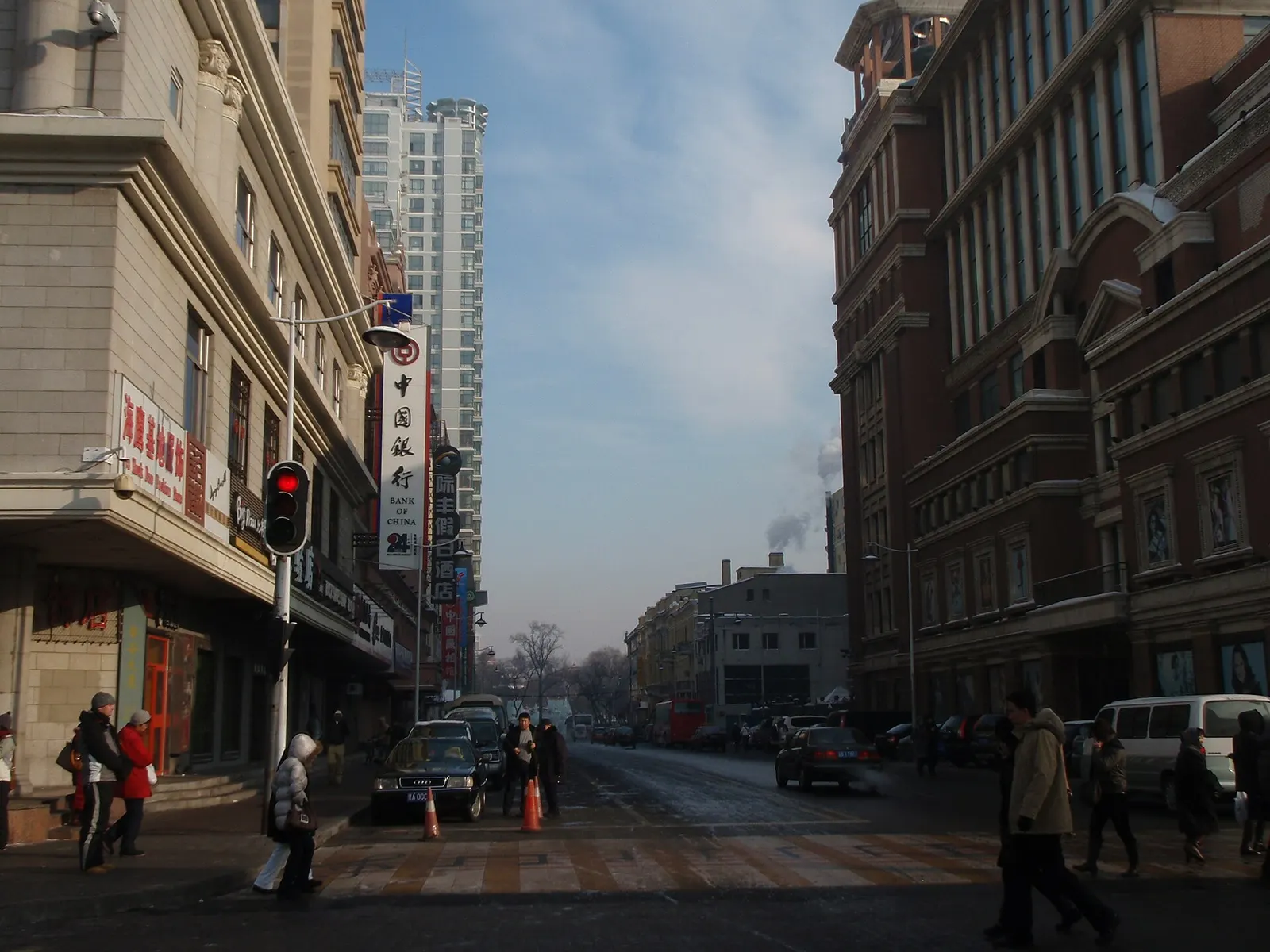
In the northeast the best experience is not another sight: it is the bathhouse and the morning market. This covers the full bathhouse routine, how to ask for a scrub without awkwardness, when to hit the market and what to eat, plus etiquette and safety lines.
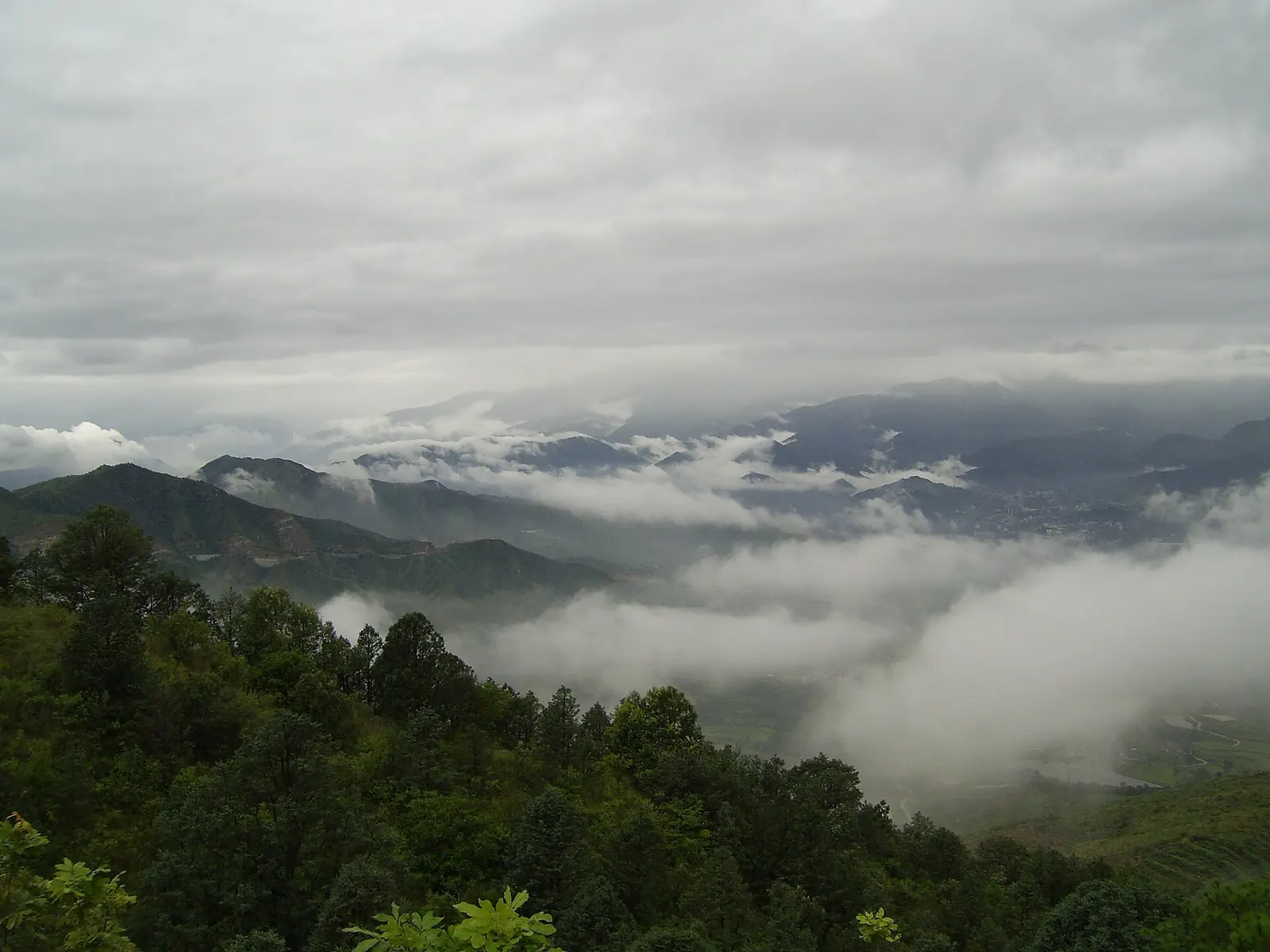
Sichuan has two places to sit in the winter sun: Panzhihua and Xichang. Dry, sunny days around twenty degrees suit elders on a long winter stay or a short break around Spring Festival. This is a five-day route with transport, food, beds and the usual traps.
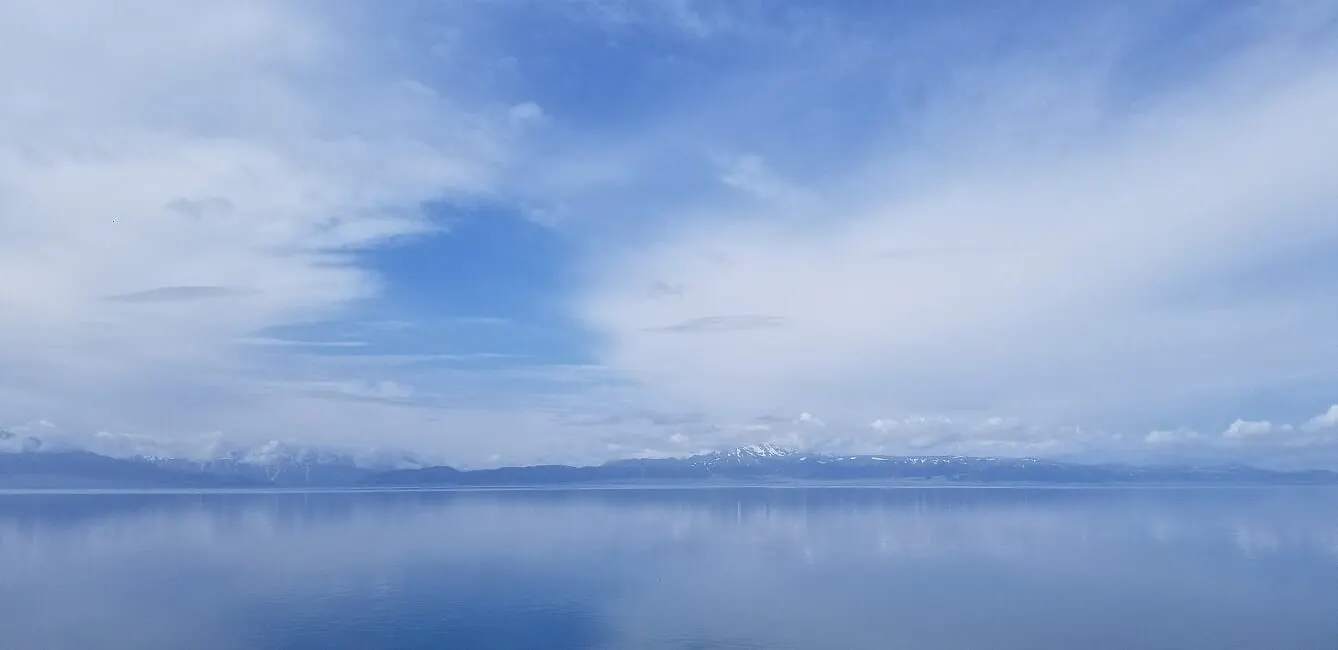
The ice push is Sayram Lake in winter: wind drives broken ice onto the shore until it stacks like a wall of shattered glass against the snow peaks. This covers how it forms, roughly when it appears, which shore shoots best, and what never to do.
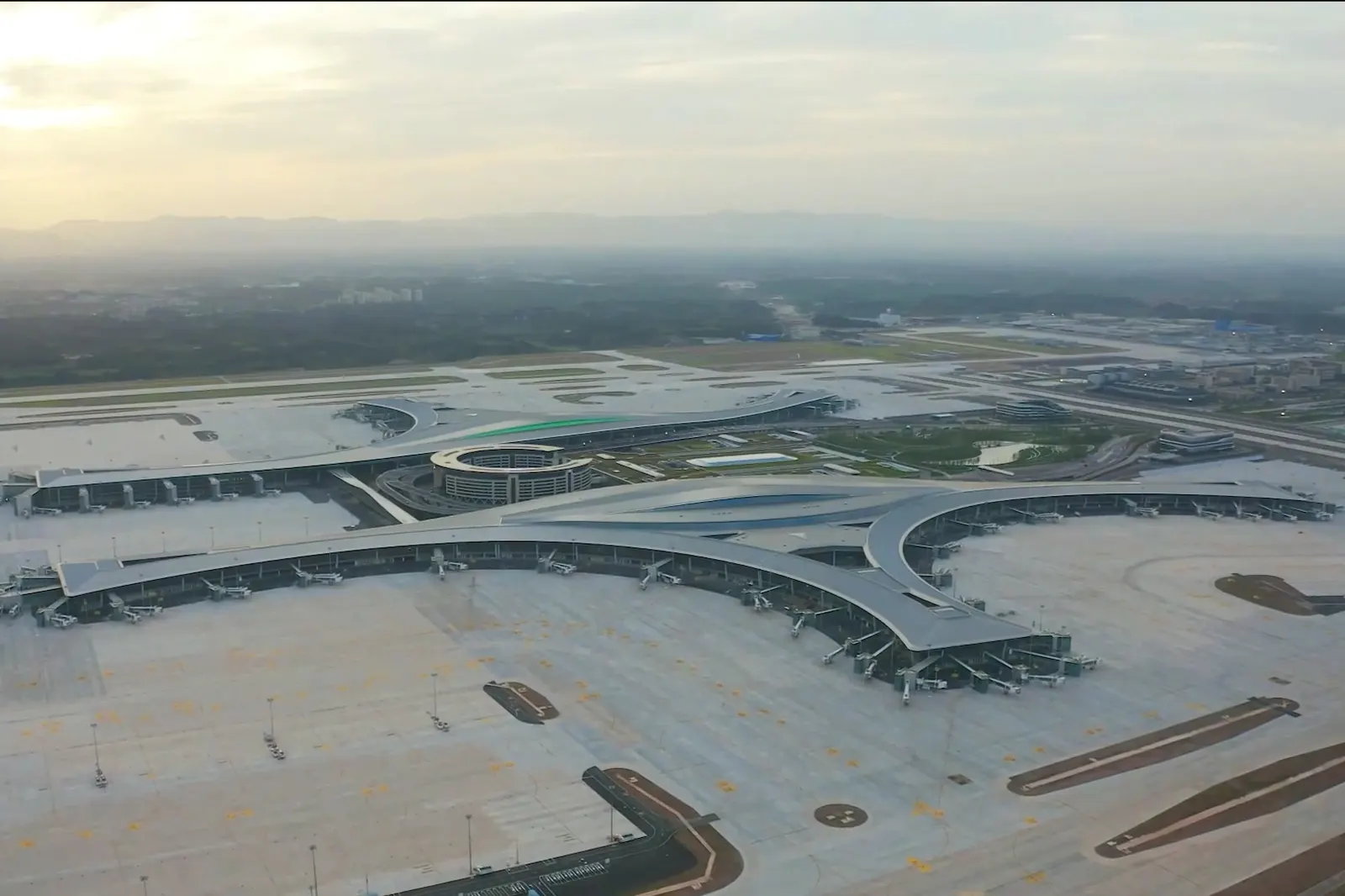
There are no direct flights from Taipei or Kaohsiung to Jiuzhaigou. The standard route is to fly to Chengdu, then connect to Jiuzhai Huanglong Airport or travel overland. This covers flight connections, transfer times, documents, luggage and how many days to allow.
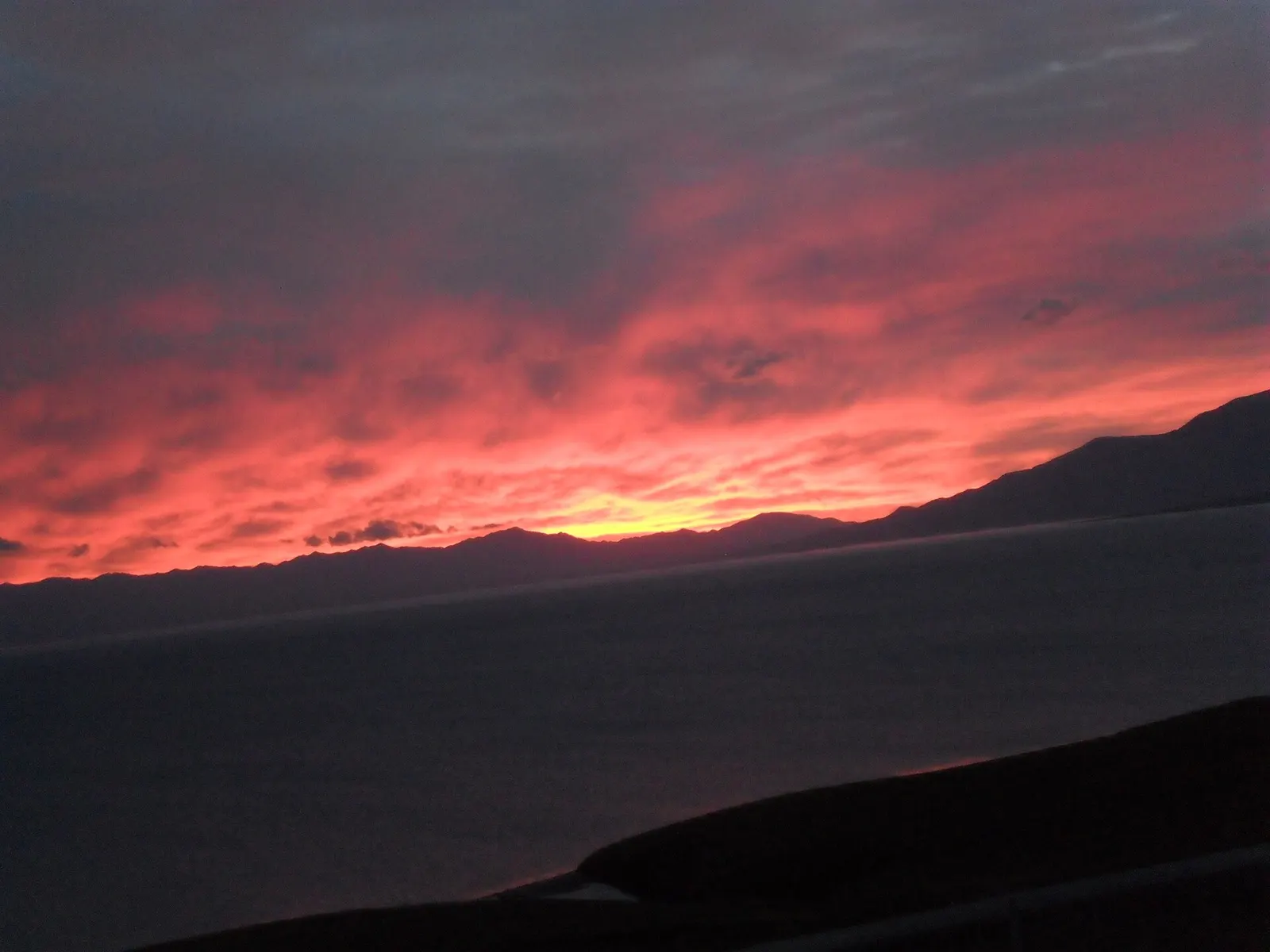
Winter in Xinjiang is not one trip. The north snows, with a long season and Altay and Yili turning into snow country; the south rarely snows and Kashgar still gets sun by day. This covers what each line shows, how to travel it, and what winter transport and gear demand.
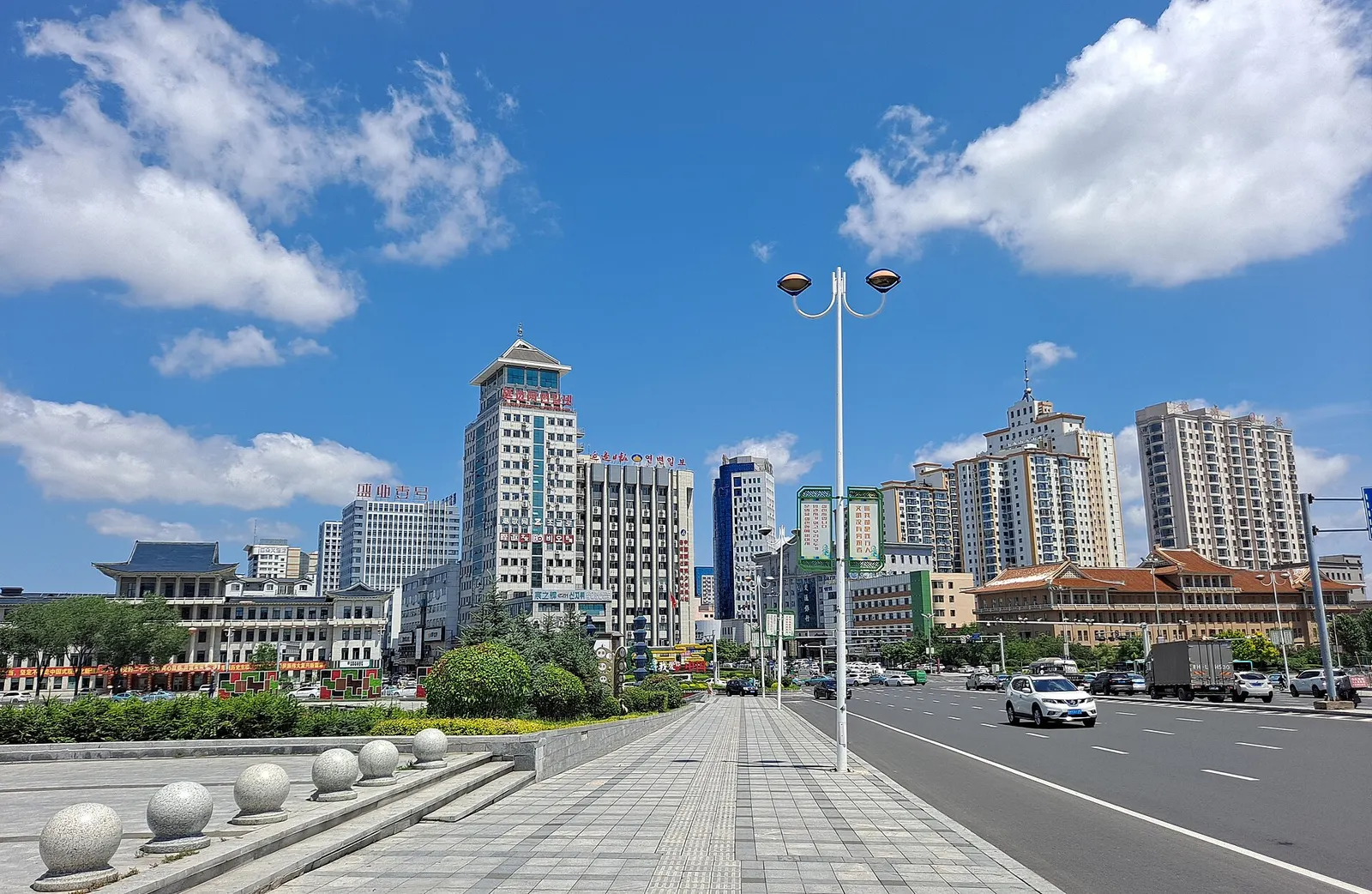
Yanji feels the most like another country of any city in the northeast: bilingual signs, and cold noodles, barbecue, rice sausage and rice cakes worth the trip alone. In winter you can add Changbai Mountain and the Tumen border. Here is a three-day eating and walking route.
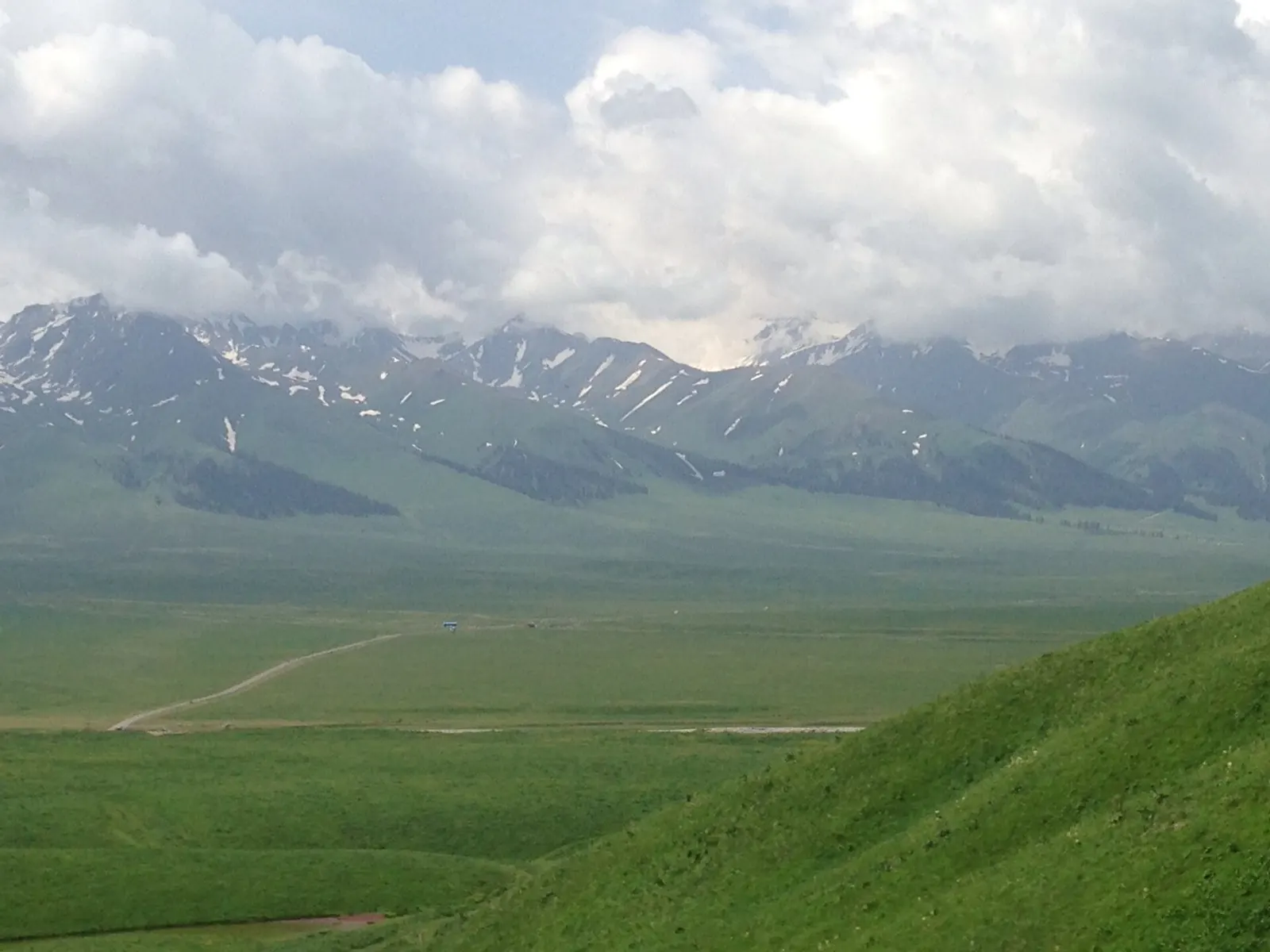
Yili is not only summer grassland. Winter brings strong wind and loose snow, a frozen Sayram Lake, snowy Guozigou, and Qiongkushitai so quiet it feels empty. This covers what winter Yili shows, how many days it needs, how to move, and what to wear.
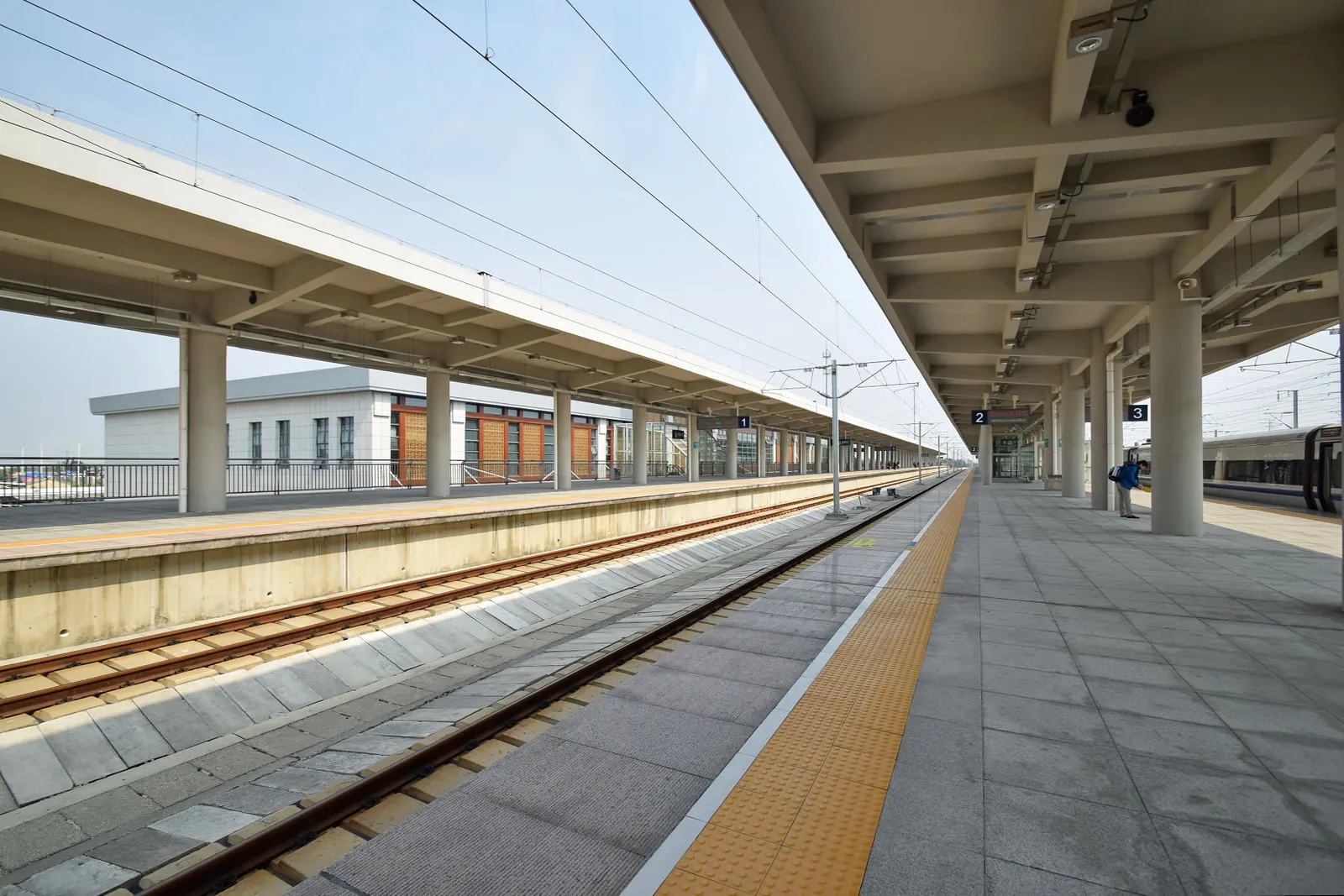
Chaoshan is three cities sharing one airport and one high-speed station: Chaozhou, Shantou and Jieyang. Gateways, distances, island access and typhoons.
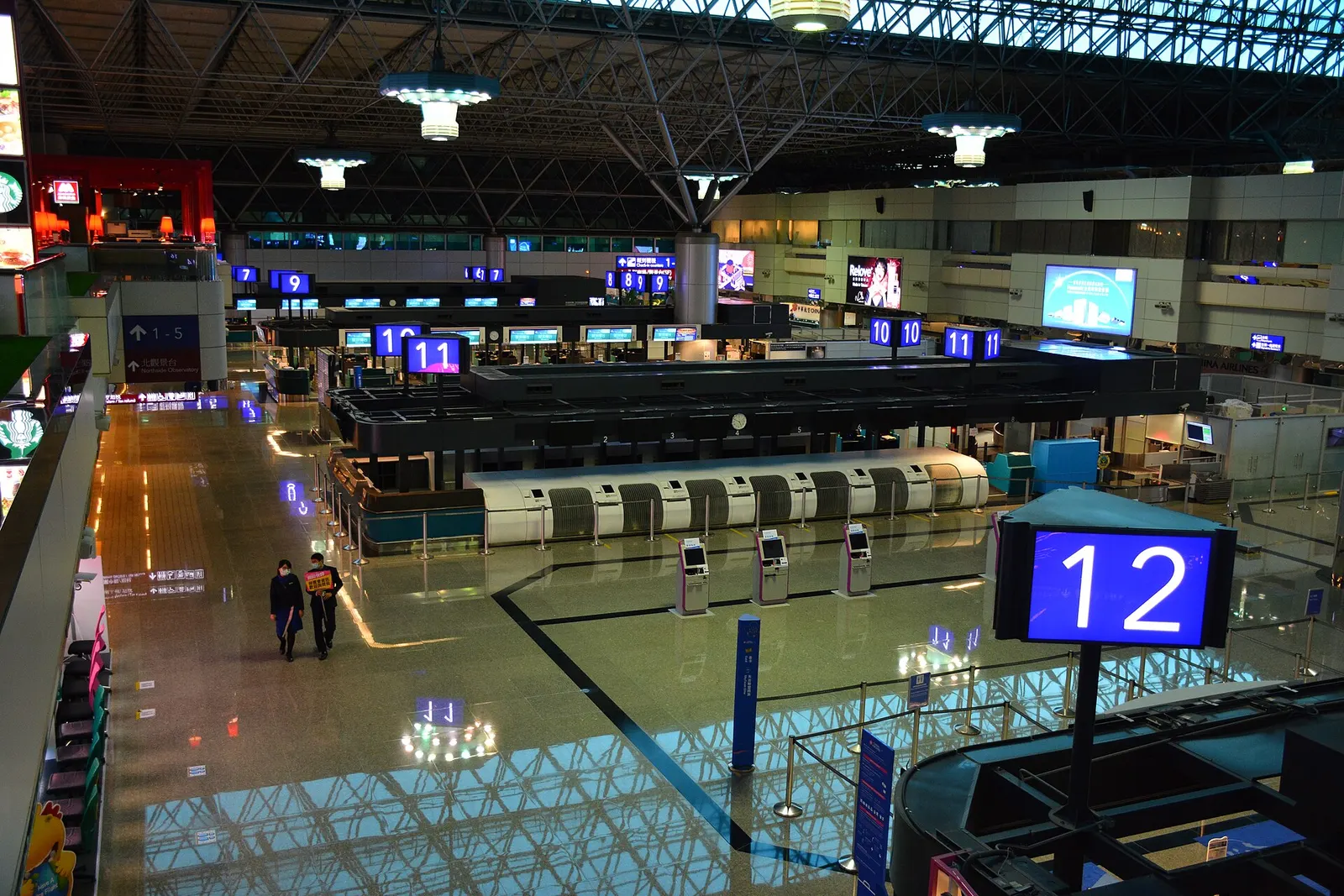
Taiwan to Yunnan means Kunming first, then Dali or Xishuangbanna. Direct versus connecting flights, booking platforms, documents and arrival transfers.
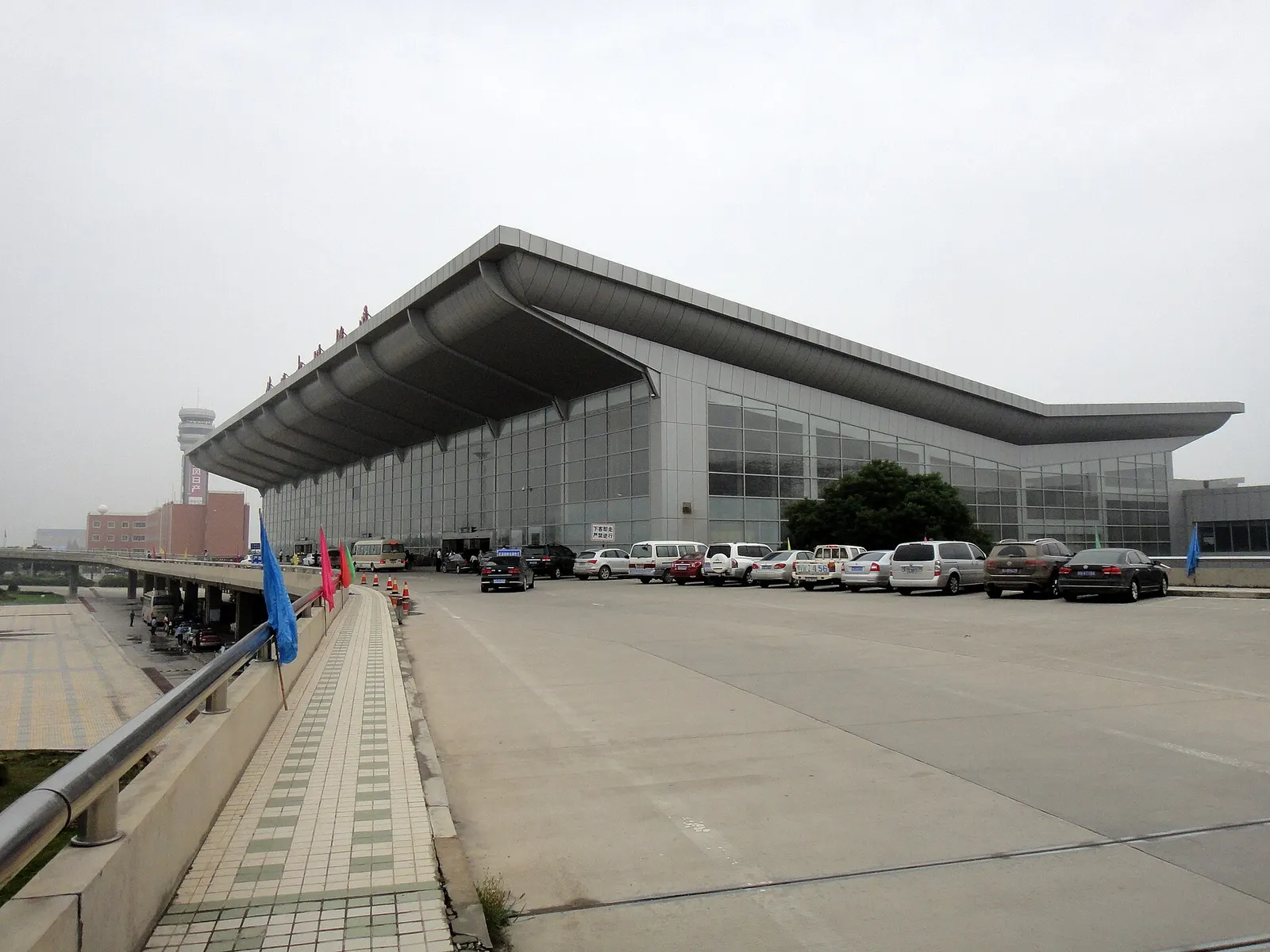
No passenger rail in Gannan and no airport bus to the sights: you arrive by road, usually via Lanzhou, then south through Linxia to Xiahe and Hezuo.
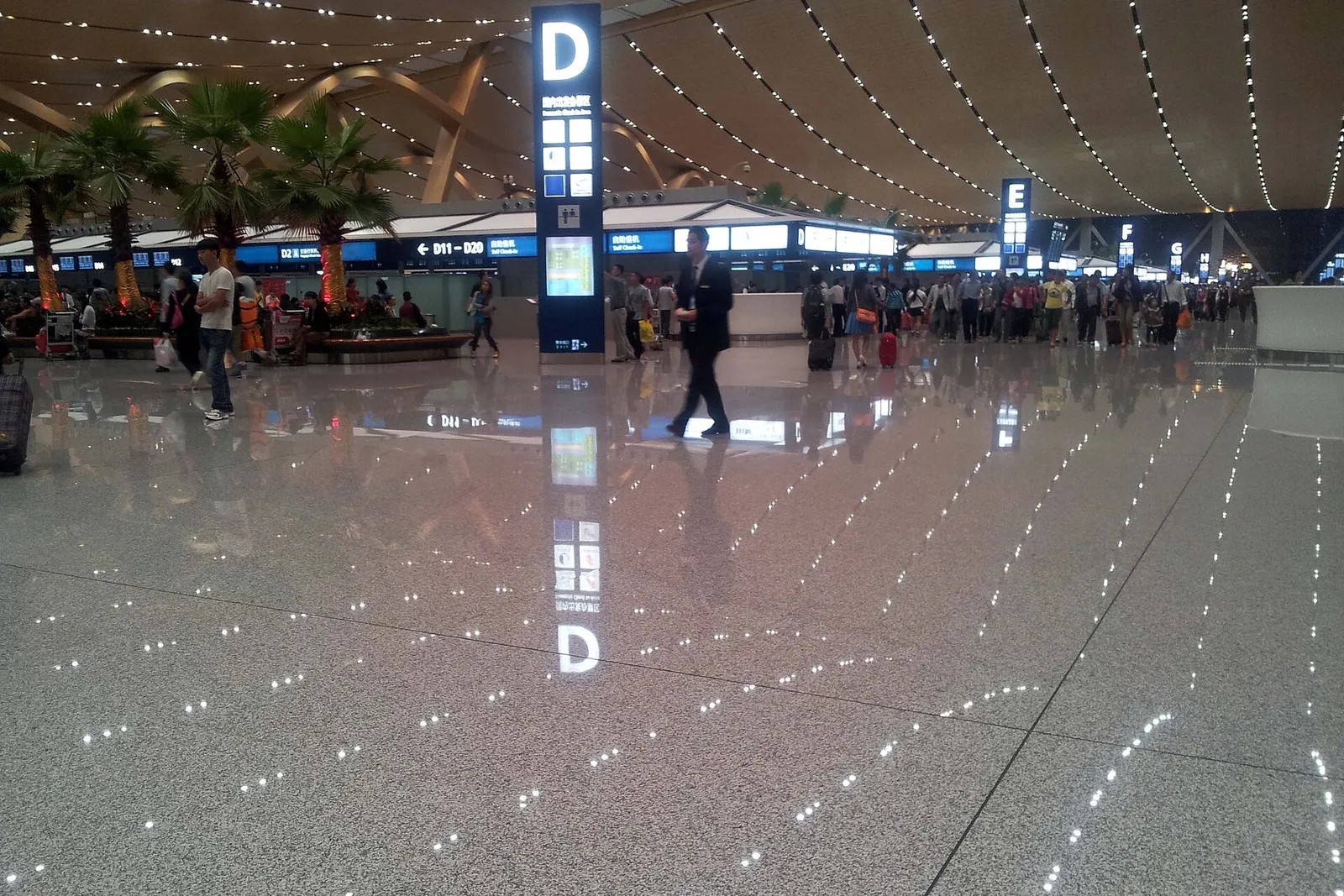
Three gateways into Yunnan: Kunming for flights and westbound trains, Lijiang for Dali, Jinghong for Xishuangbanna. Rail times and transfers.
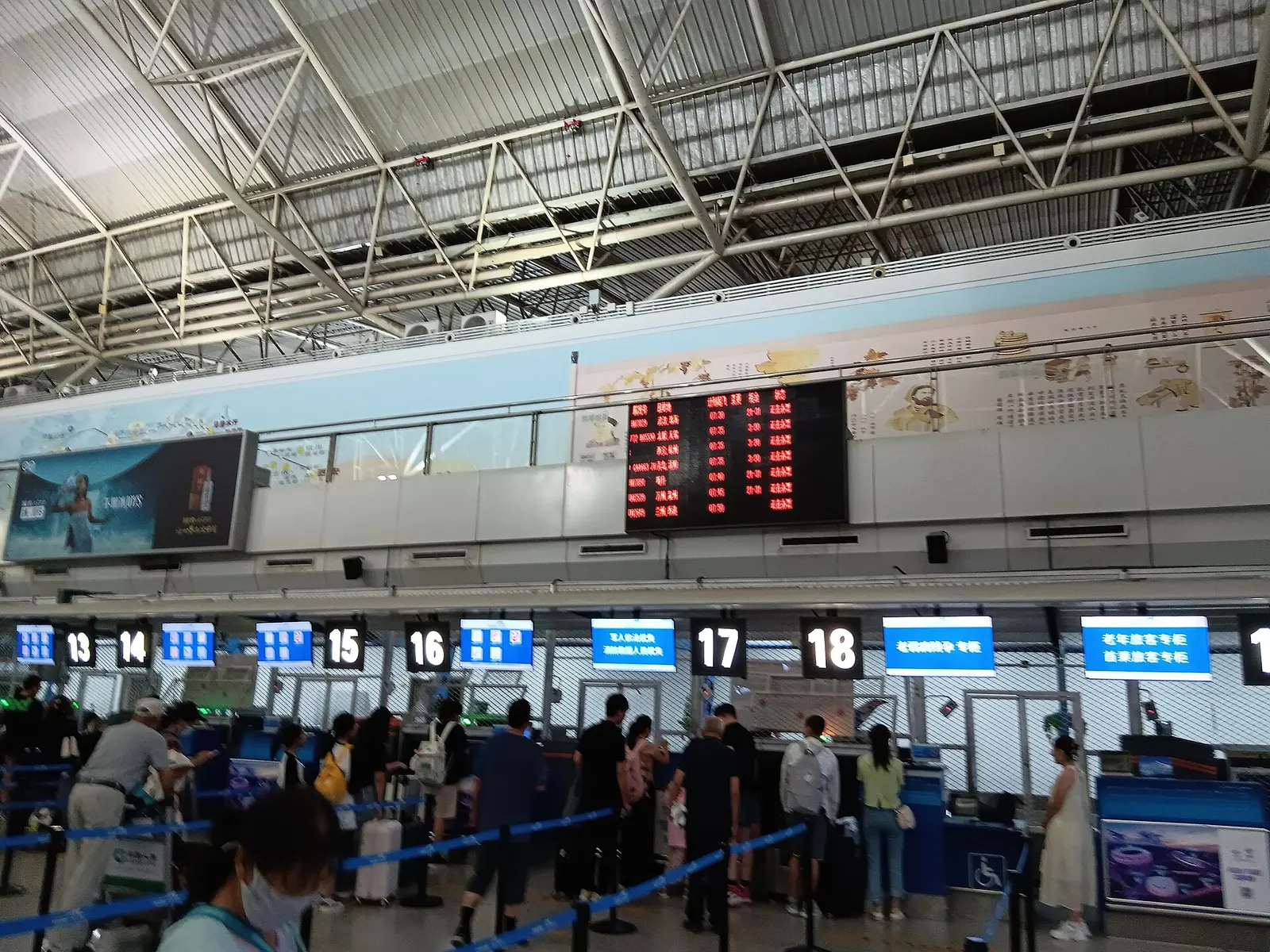
There are two gateways into southern Xinjiang: fly to Urumqi and connect by air or rail to Kashgar, or fly straight to Kashgar. Urumqi and Kashgar are over 1,000 km apart, two hours by air or a full day by train, which shapes the whole itinerary. Covers the trade-off, onward travel to Taxkorgan, Kuqa and Hotan, plus seasonal road conditions and permits.
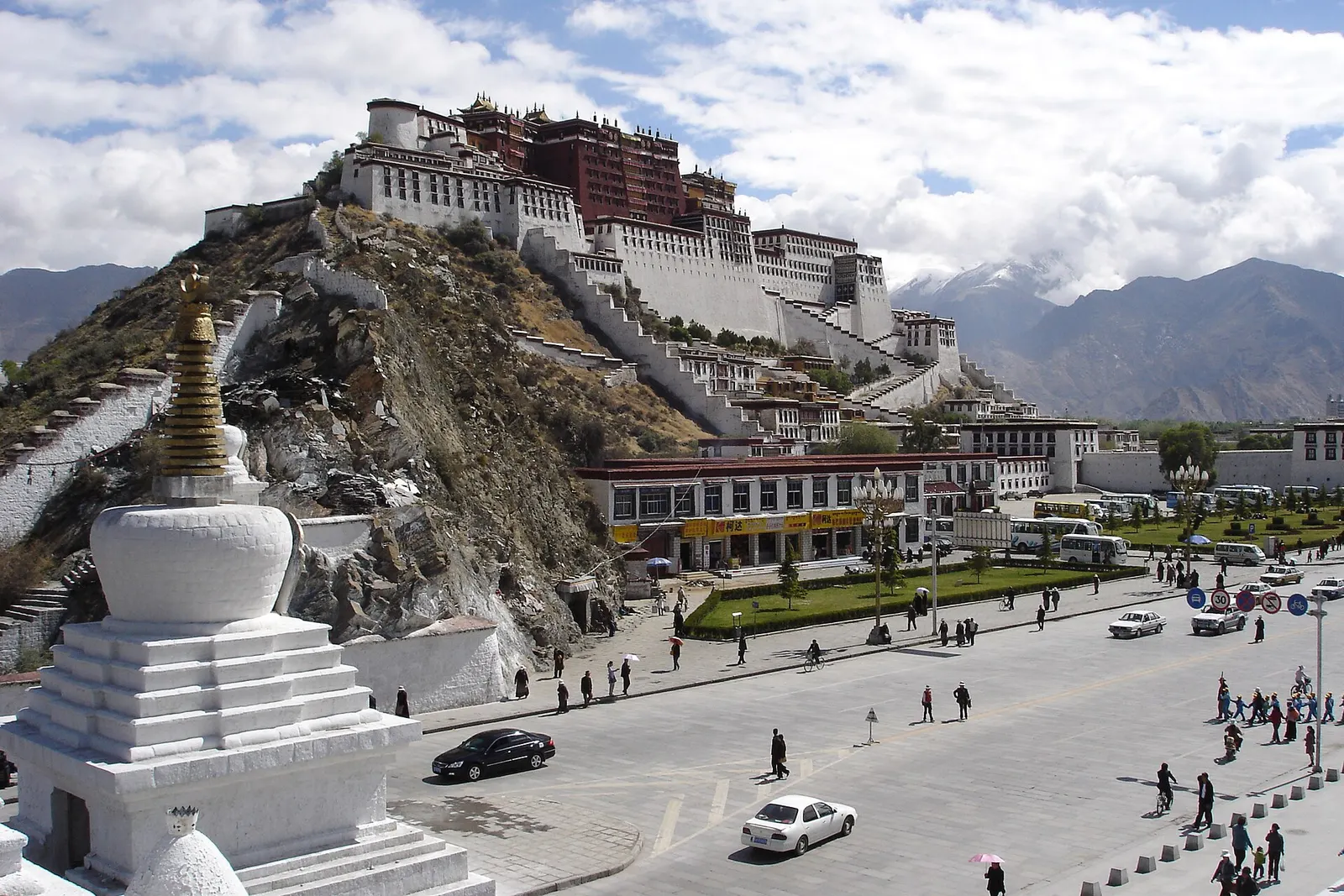
Entering Tibet on a foreign passport requires a Tibet travel permit arranged by a licensed tour operator, and independent travel is not currently accepted; Everest, Ngari and other border areas need additional border documentation. Requirements change, so follow the latest rules. Covers the application order, documents and timing, and what to prepare before 3,600 m.
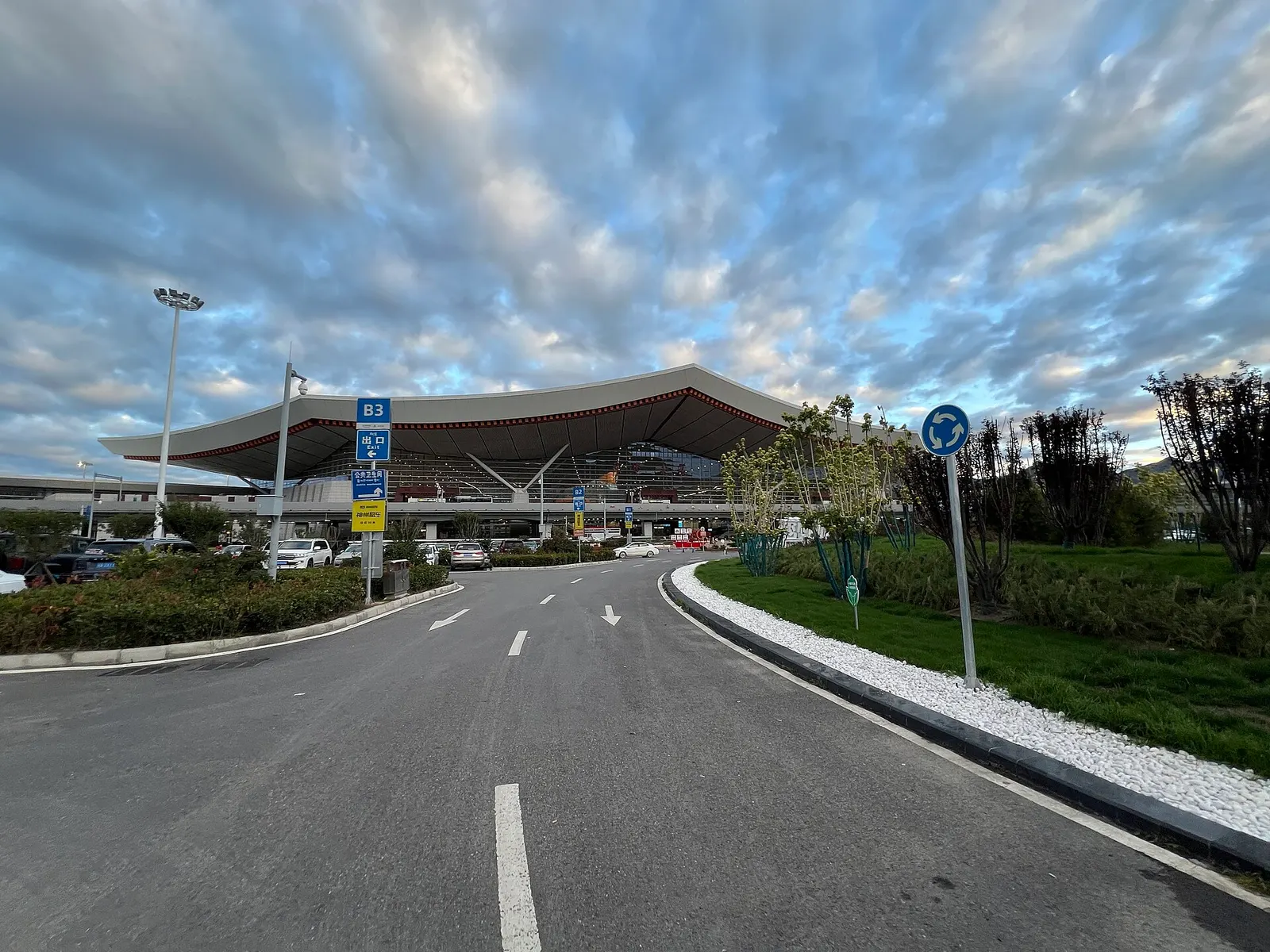
There are three main ways into Tibet: flying into Lhasa Gonggar saves the most time, the Qinghai-Tibet railway boards at Xining and gains altitude gradually, and overland entry from Nepal suits only certain itineraries. Foreign passport holders need a permit arranged through a tour operator. Covers travel time, altitude impact and transfer points.
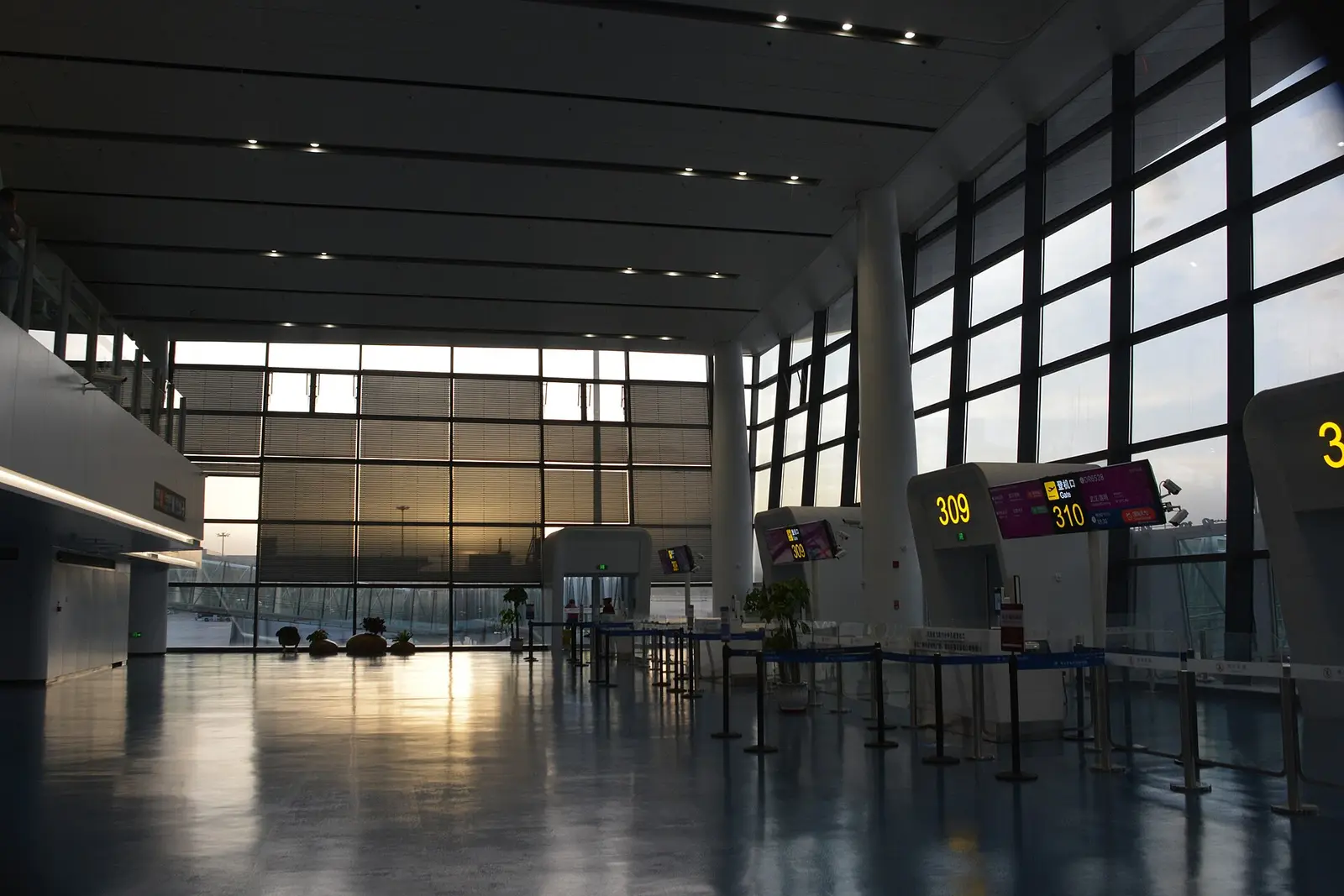
Most trips to Qinghai Lake and the 315 Road start in Xining: fly into Caojiabao Airport or take the high-speed train to Xining Station. Qinghai Lake is about 150 km away, and a private car or self-drive saves the most time; the 315 Road runs west to Delingha, Dachaidan and Mangya with limited public transport. Covers arrival options, four ways to reach the lake, transfer points and road conditions by season.
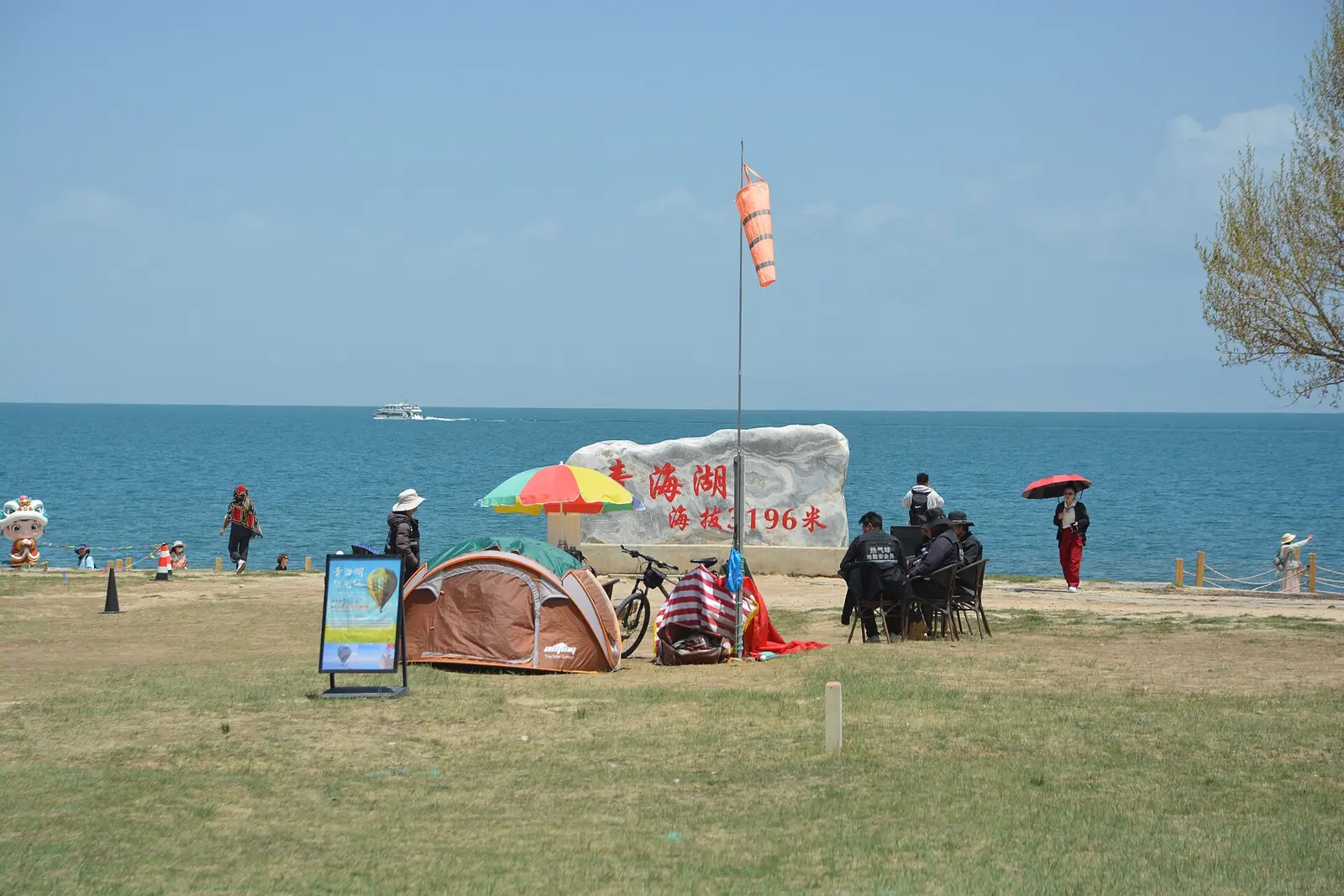
Qinghai Lake and the 315 Road are two different trips: one is a lake, the other is a long-distance road. Three days covers the lake and Chaka, five to six days adds Delingha and Dachaidan, and only eight days or more justifies the Gansu section. Three route options, the stops worth making, what to skip, and the realities of season and altitude.
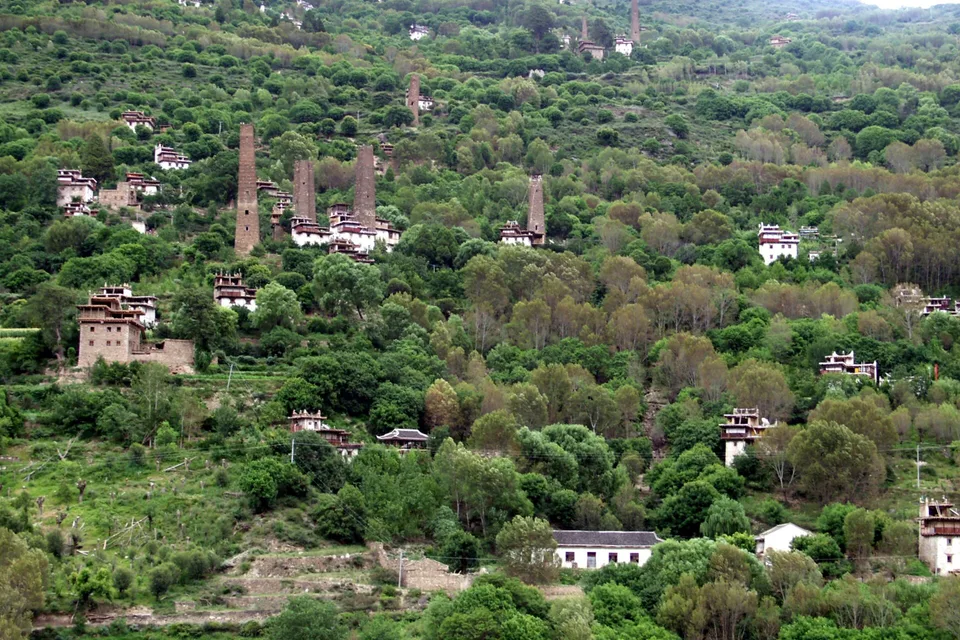
The first rule for accommodation in Western Sichuan is to follow the altitude, not the star rating. Kangding, Xinduqiao, Danba, Rilong and Daocheng each involve trade-offs; this guide explains which night belongs where, the difference between village guesthouses and county hotels, and seasonal booking lead times and facilities to confirm.

From Taiwan to Western Sichuan, the usual route is to fly into Chengdu and continue west overland. This guide covers direct and connecting options from Taipei and Kaohsiung, how Taiwanese and mainland booking platforms divide the work, the Taiwan Compatriot Permit and name matching, and the three ways to reach Western Sichuan after landing in Chengdu.
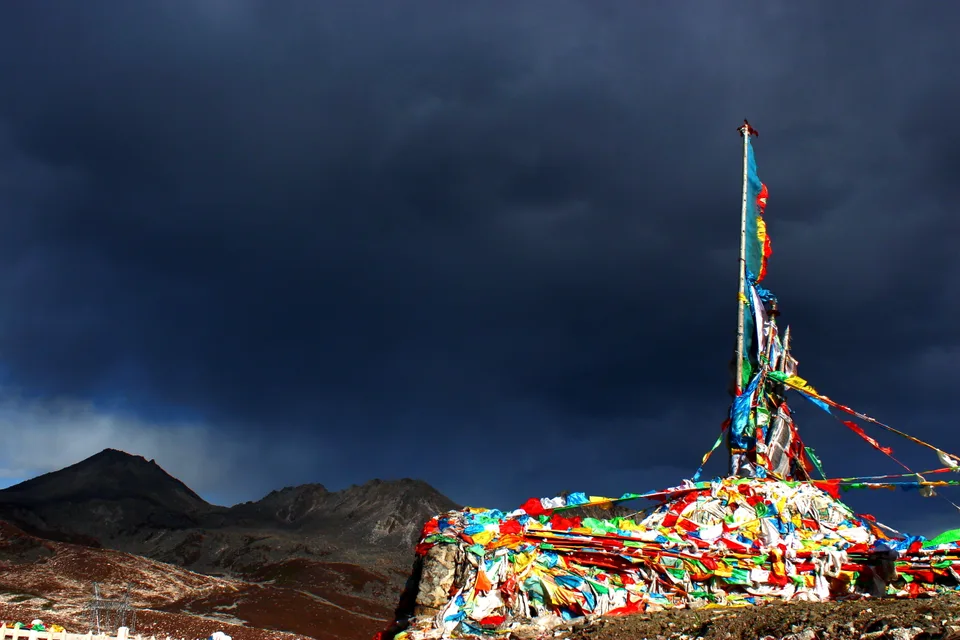
The hard part of a first self-drive in Western Sichuan is not navigation but the sudden weather at passes like Zheduo, the endless curves and lorries on the national roads, and how a car behaves at altitude with less power. This guide covers what to watch before setting off, while driving, and when something goes wrong.
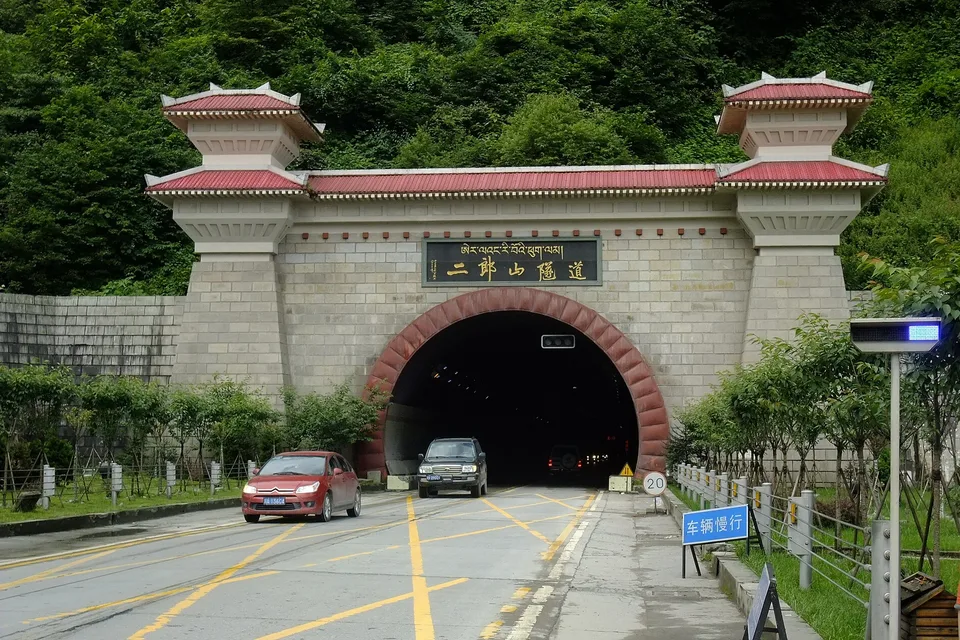
Route planning and car services in Western Sichuan all look alike; the difference lies in whether the driver knows highland roads, whether the quote includes fuel and tolls, and whether a contract protects you if something goes wrong. This guide covers when professional help is worth paying for, how to compare quotes and what to put in writing.
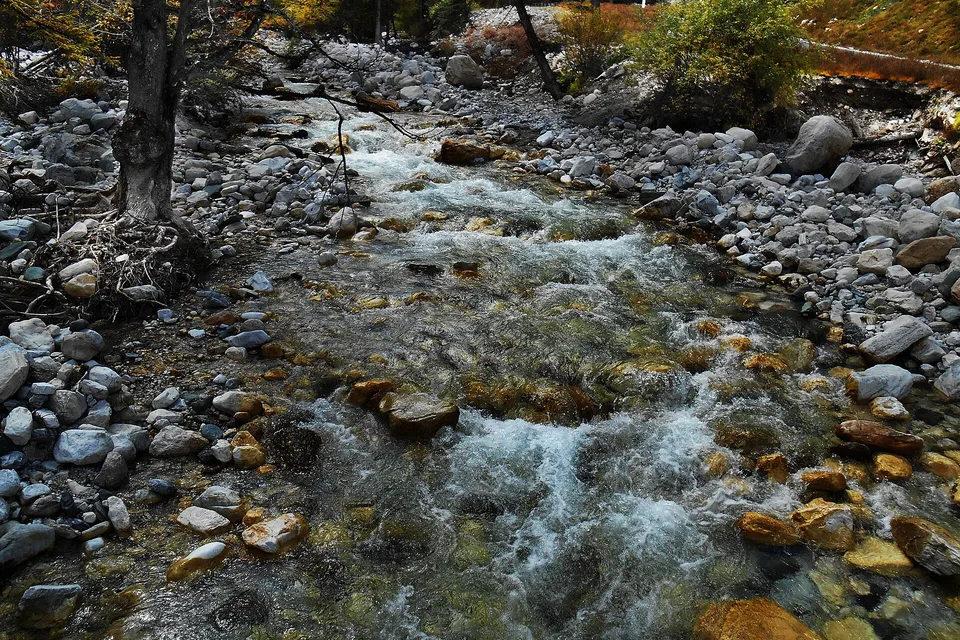
There is no single best month for Western Sichuan; it depends on what you want: mountain azaleas and greening grassland in May and June, the greenest grassland plus the rainy season in July and August, autumn colour from mid-September to late October, and snow with icy roads from November to March. This guide sets out the month-by-month trade-offs, plus booking and road reminders for each season.
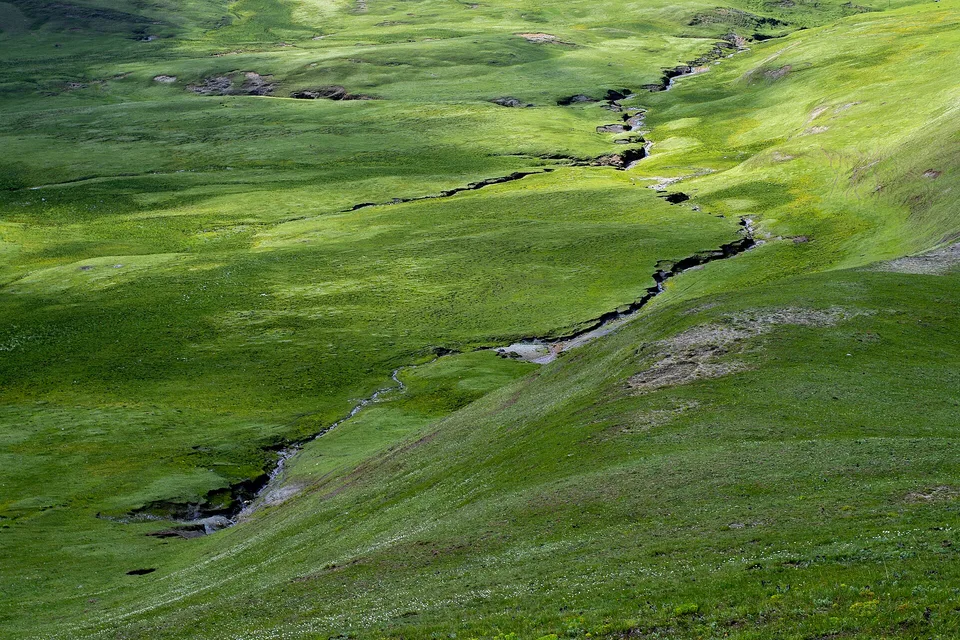
Western Sichuan's list of sights is long, and the real question is not where to go but what to cut when time runs short. This guide sorts the scenery into snow mountains, grasslands, lakes, Tibetan villages and gorges, gives a priority list, and explains what is on the way and what needs a detour, plus the altitude-acclimatisation time you must allow.
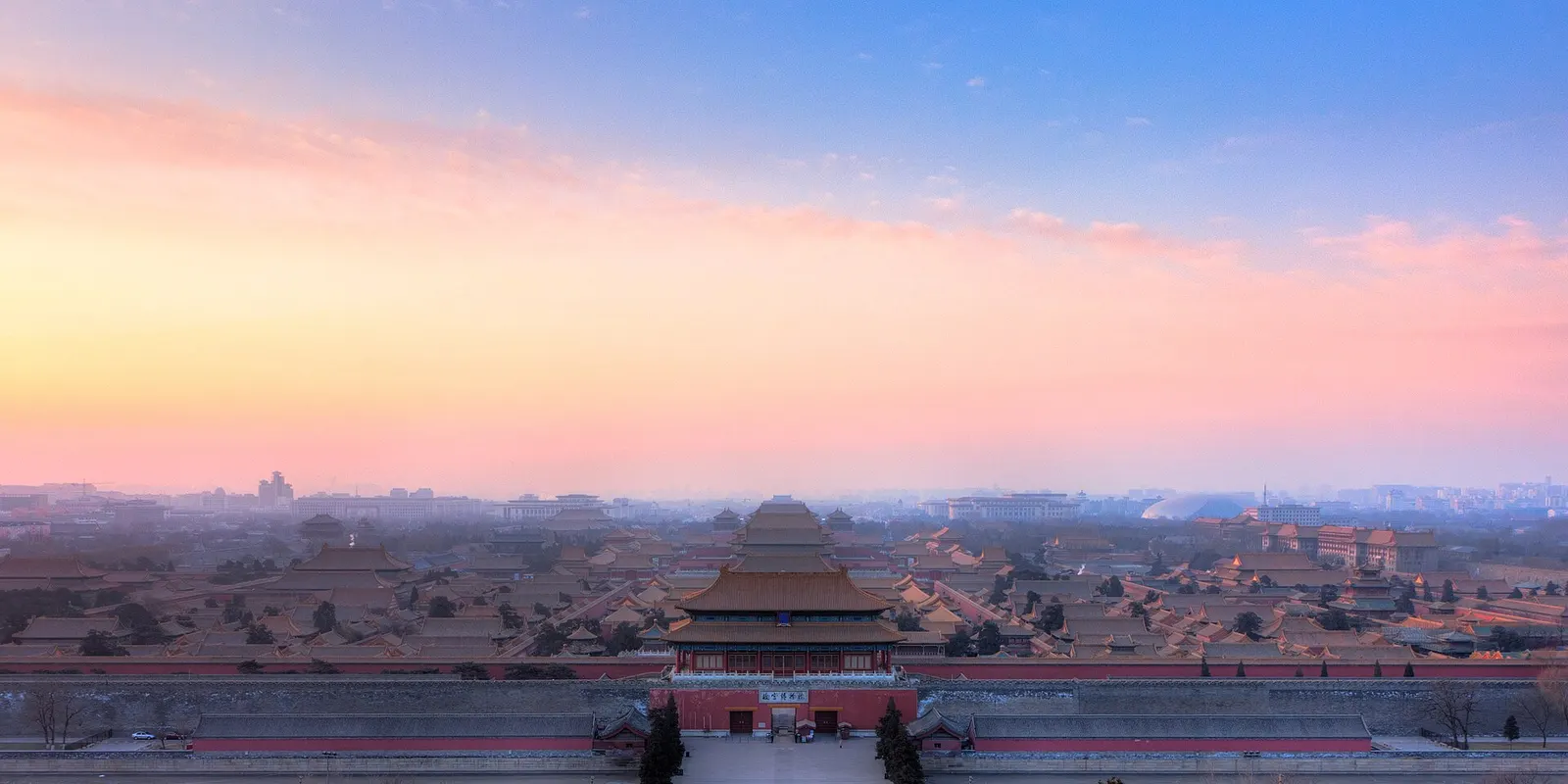
Landing in Beijing on a first trip to China, the two easiest mistakes are trying to see everything and booking the wrong neighbourhood. This guide gives first-time visitors a clear order of priorities: the Great Wall and the Forbidden City first, the Summer Palace and the Temple of Heaven added according to how many days you have, hutongs kept for the evening; staying along Metro Lines 1 and 2 saves the most time; three days is the minimum, five is comfortable. Booking rules and opening hours are subject to the latest official announcements (checked 28 September 2026).
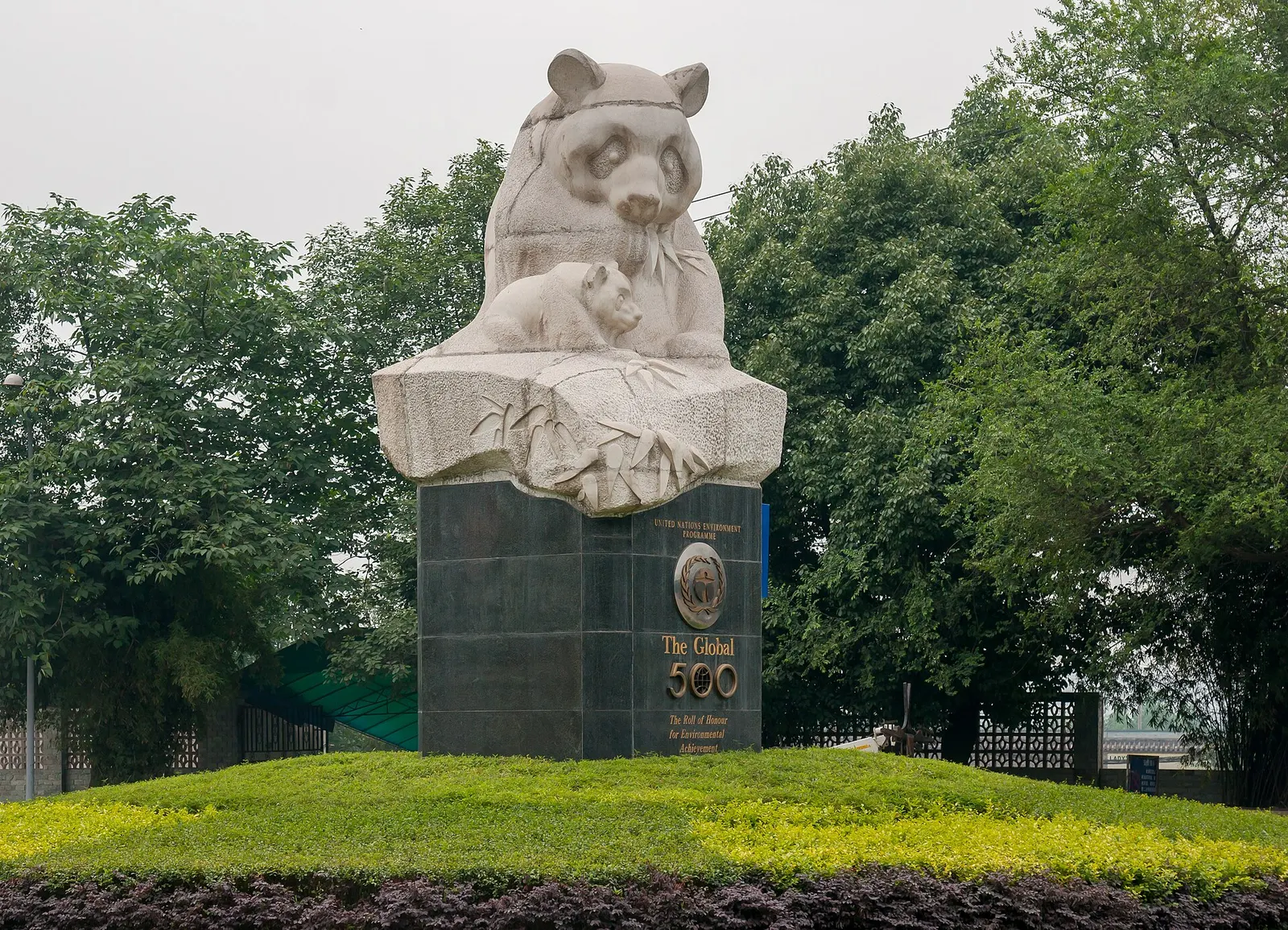
Chengdu suits a slower first trip to China: the Panda Base is the core and you must go in the morning; one day in town covers Kuanzhai Alley, the Wuhou Shrine and a teahouse; add a day for Dujiangyan or Mount Qingcheng. Three days is comfortable, and four lets you add Chongqing or Leshan. Staying around Chunxi Road and Taikoo Li saves the most commuting (checked 28 September 2026).
On a first trip to China, settle the number of days before you choose cities: with five days take Beijing or Shanghai; with seven to ten, follow Beijing–Xi'an–Shanghai; with two weeks or more, add Guilin, Chengdu or Hangzhou. The order of judgement is entry port, then season, then interest — not how famous a city is. The table below gives suggested days, best season and best-fit traveller for ten first-trip cities (checked 28 September 2026).
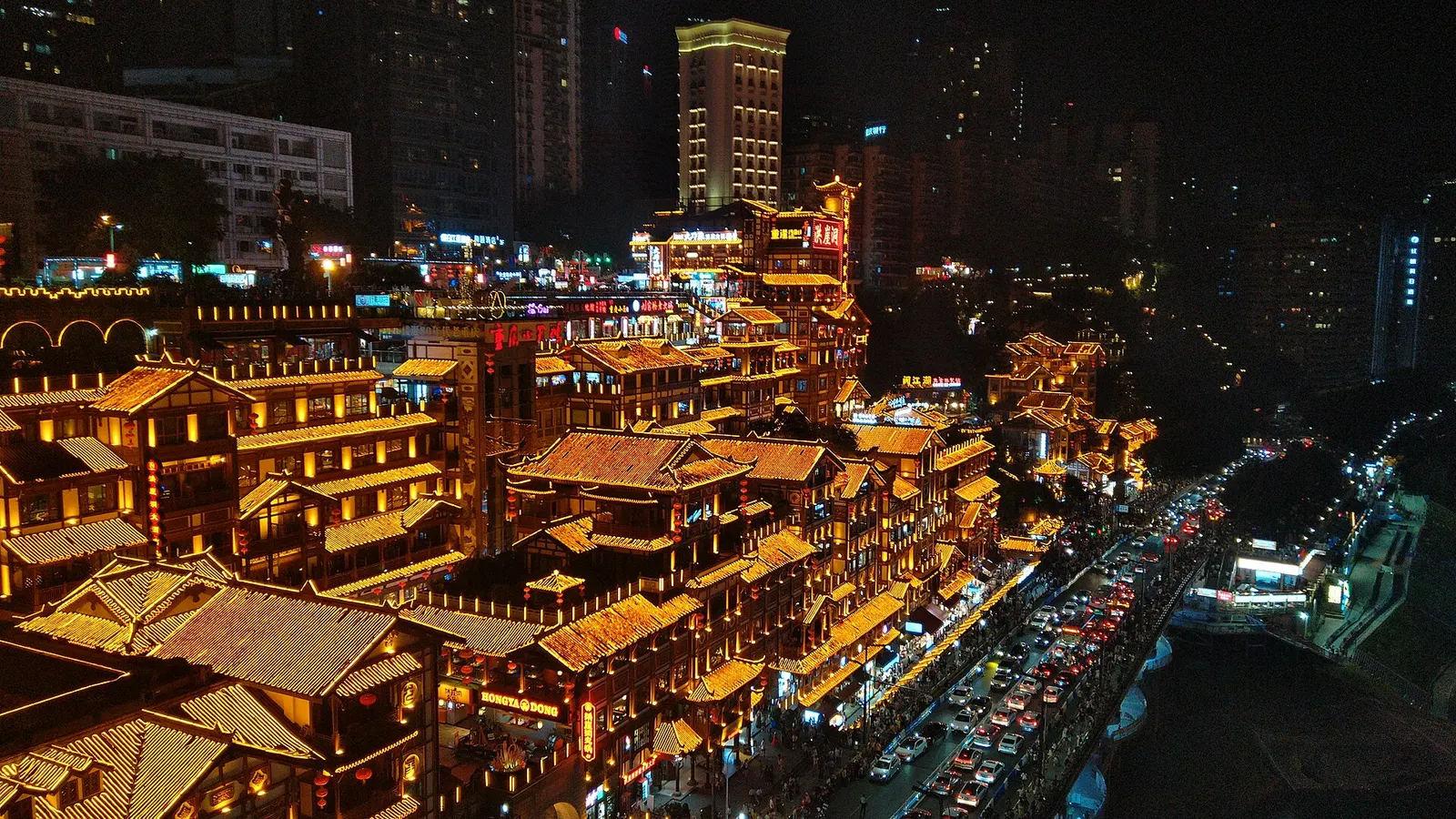
Chongqing is the Chinese city where a sense of direction is most easily defeated: floors do not mean what they mean elsewhere, and navigation apps often fail. Understand the terrain first, then plan: two days for the Hongya Cave night view, the Yangtze cableway and Jiefangbei; three days adds Wulong's Three Natural Bridges or the Dazu rock carvings. Staying around Jiefangbei saves the most time (checked 28 September 2026).
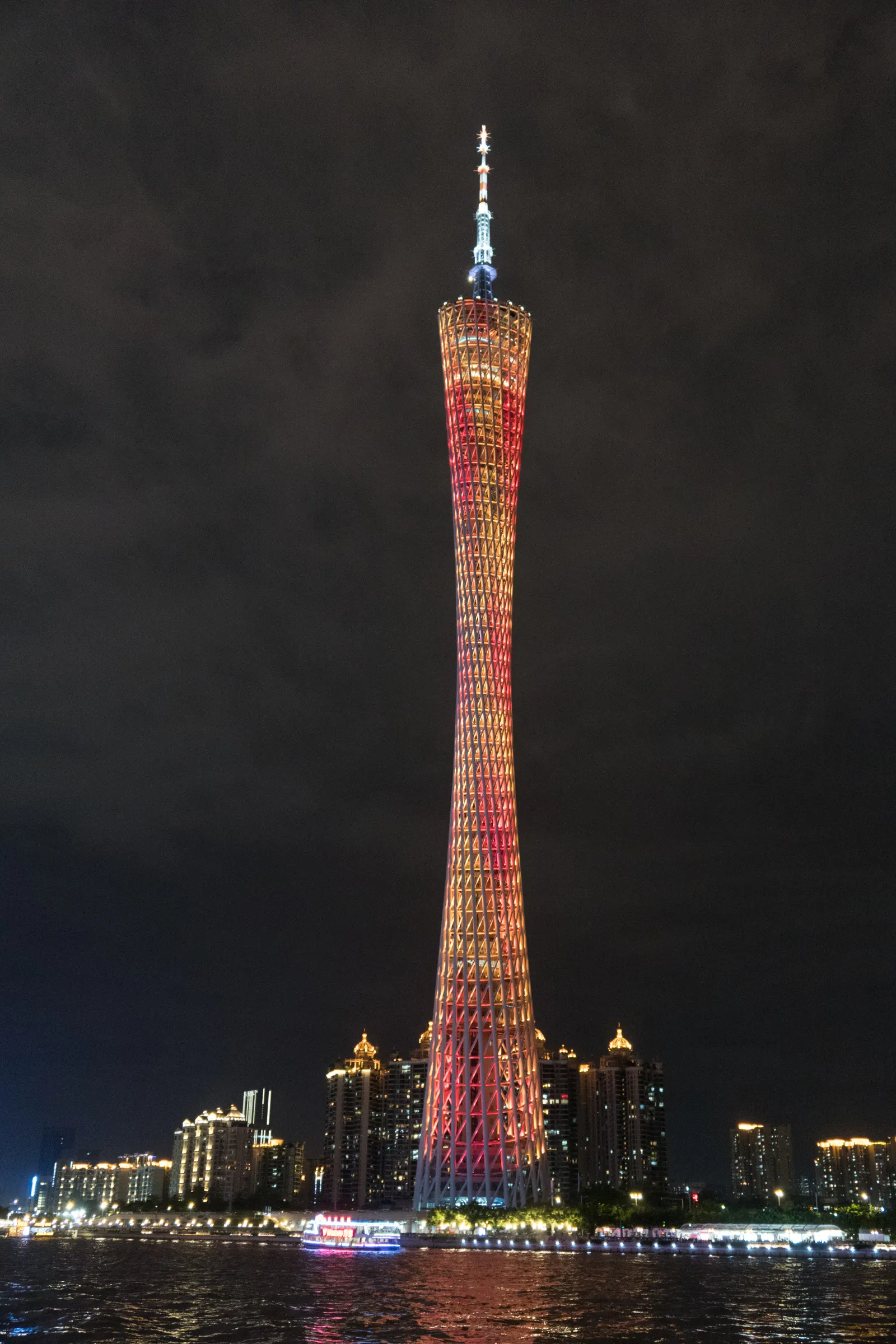
Guangzhou is the easiest gateway into China from the south and a city that puts everyday food culture at the centre of the trip. Two days covers Shamian, the Chen Clan Ancestral Hall and a night cruise on the Pearl River, and morning tea needs a full morning of its own; a third day adds the Museum of the Nanyue King or an extension towards Foshan and Shunde. Staying around Zhujiang New Town or Beijing Road saves the most commuting (checked 28 September 2026).
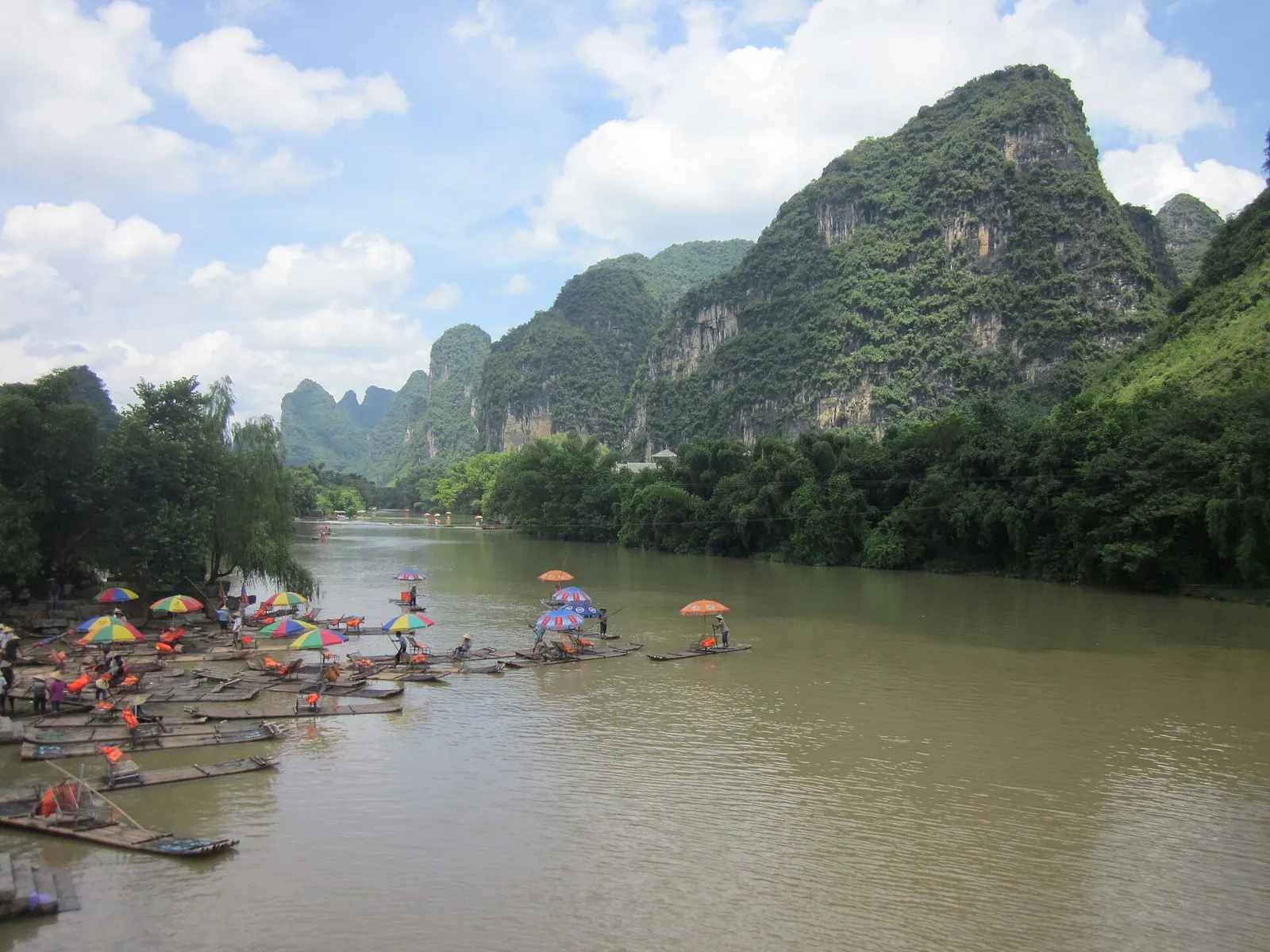
Guilin is about landscape, but the two decisions that matter are whether to stay in Guilin or Yangshuo and whether to take the cruise or a bamboo raft. Three days is comfortable: one for the Li River cruise, one for Yangshuo and the Yulong River, one for the Longji terraces; the centre of gravity for accommodation should be Yangshuo rather than Guilin city (checked 28 September 2026).
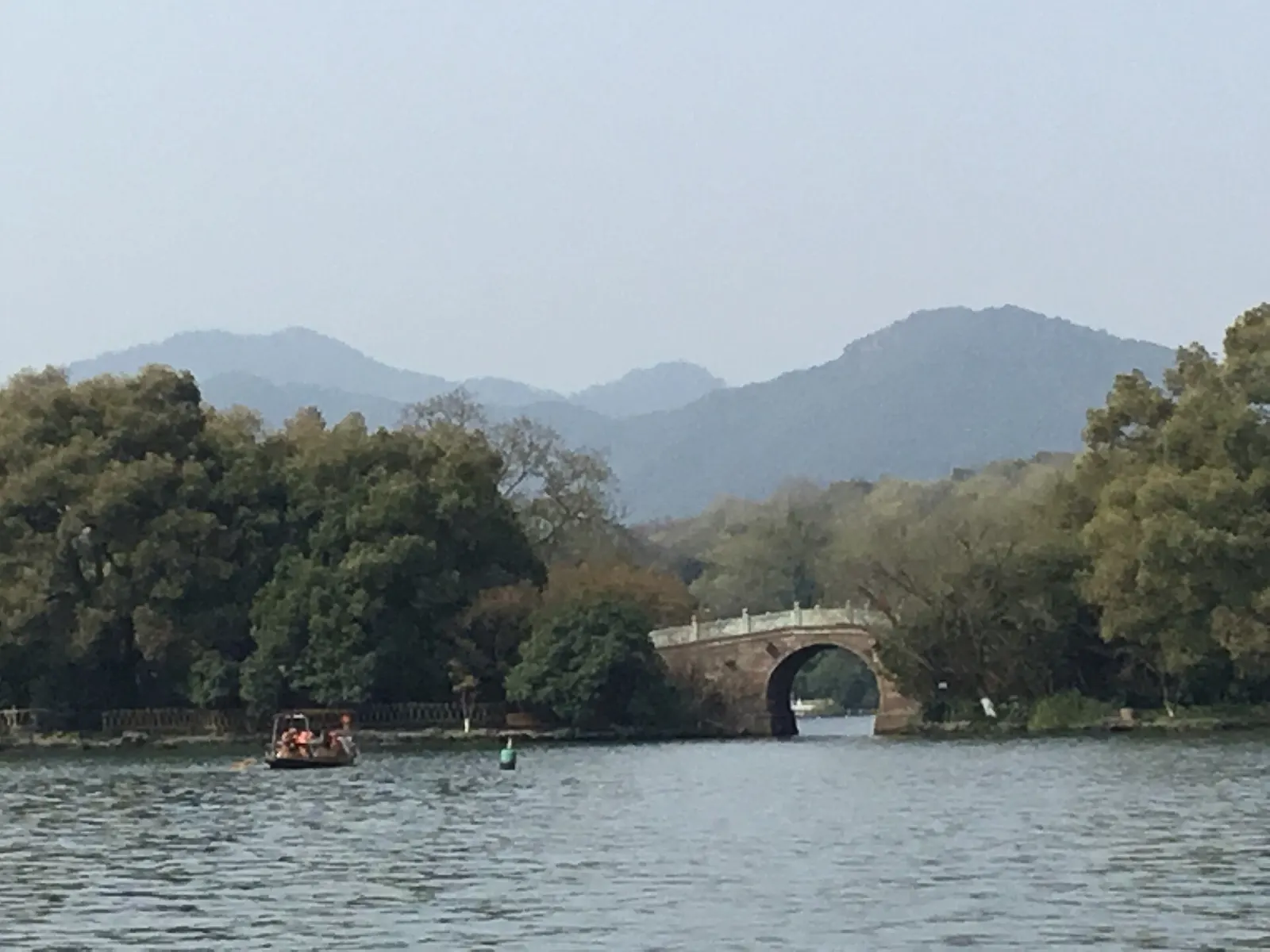
Hangzhou's most underrated point is that most visitors treat West Lake as half a day of sightseeing and leave. The lake deserves a full day, stitched together on foot, by bike or by boat; a second day for Lingyin Temple and the Longjing tea hills shows both sides of the city. Shanghai is about an hour away by high-speed rail, and staying around Hubin saves the most time (checked 28 September 2026).
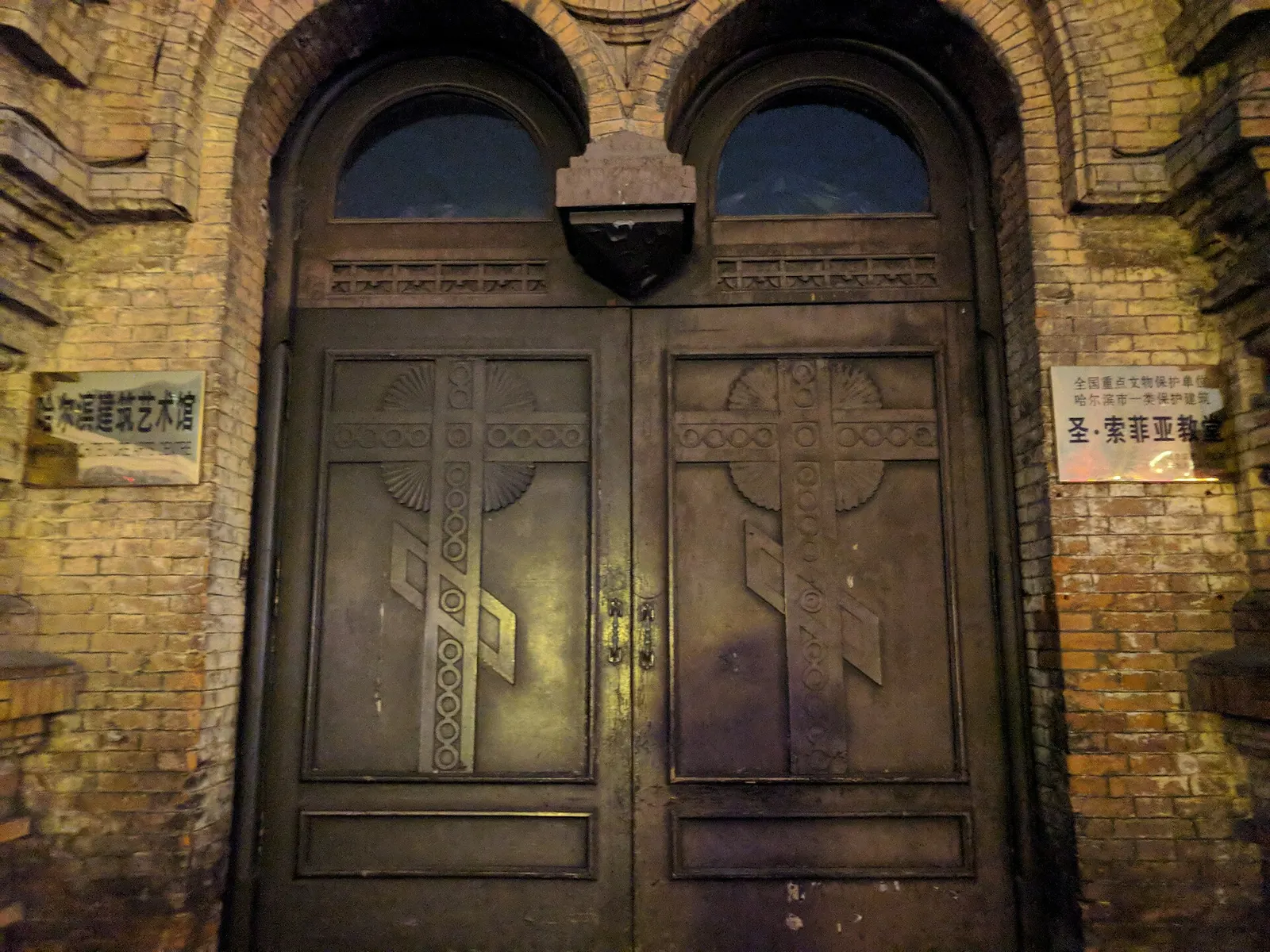
Winter in Harbin comes down to three things: ice sculptures, the old street and coping with the cold. Ice and Snow World deserves a whole evening, while Central Street and Saint Sophia Cathedral take half a day. Two days covers the city, three adds Sun Island, and four or more brings in Yabuli or Xuexiang. Staying near Central Street is the simplest base, and cold-weather gear matters more than the itinerary (checked 28 September 2026).
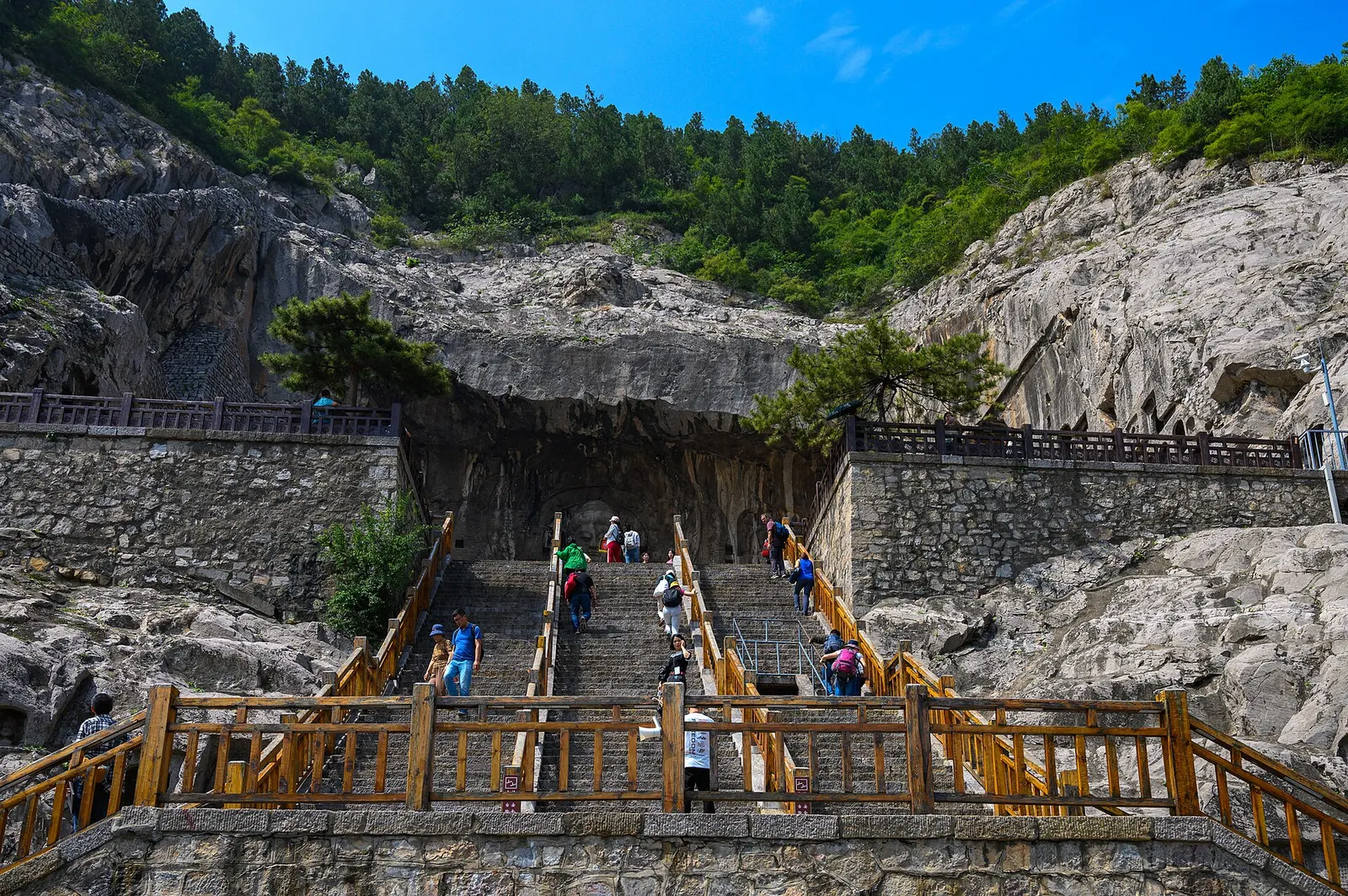
The first task in Luoyang is getting the Longmen Grottoes right: the west hill for the great Buddhas, the east hill for the long view, plus Xiangshan Temple and the Bai Garden — essentially a full day. Two days adds the White Horse Temple and the Luoyang Museum, and three brings in Erlitou or the Sui-Tang Luoyang City ruins. April is the peony season, the most beautiful and the most crowded; stay around the old town's Cross Street or Longmen Station (checked 28 September 2026).
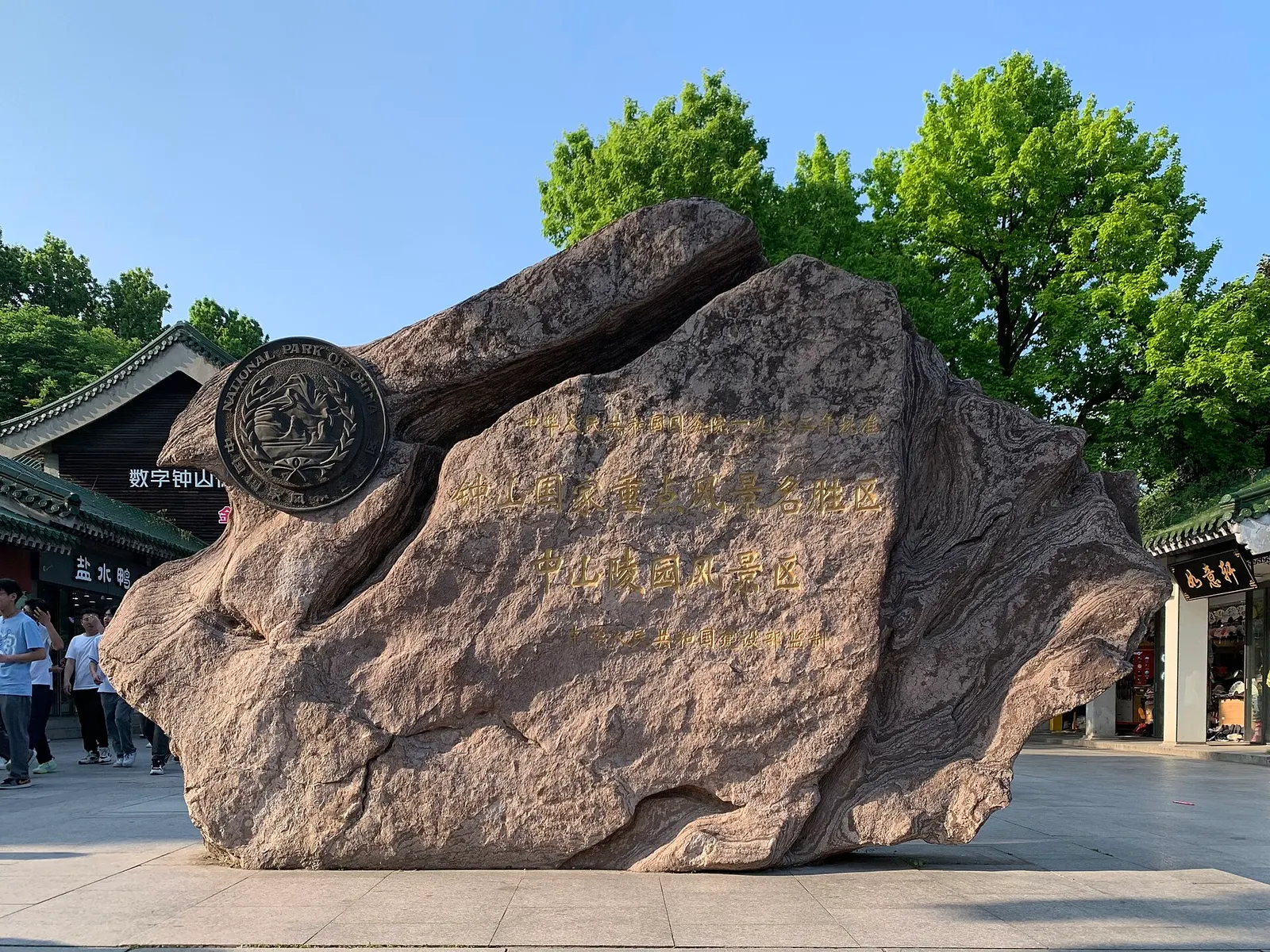
Nanjing is one of the few Chinese cities where three layers stack up: a Six Dynasties capital, an intact Ming city wall, and modern-era architecture. Two days covers the main line — one for the Sun Yat-sen Mausoleum and Ming Xiaoling, one for the wall, the museum and the Qinhuai River; a third adds Qixia Mountain or Yangzhou. Staying around Xinjiekou or Fuzimiao saves the most time (checked 28 September 2026).
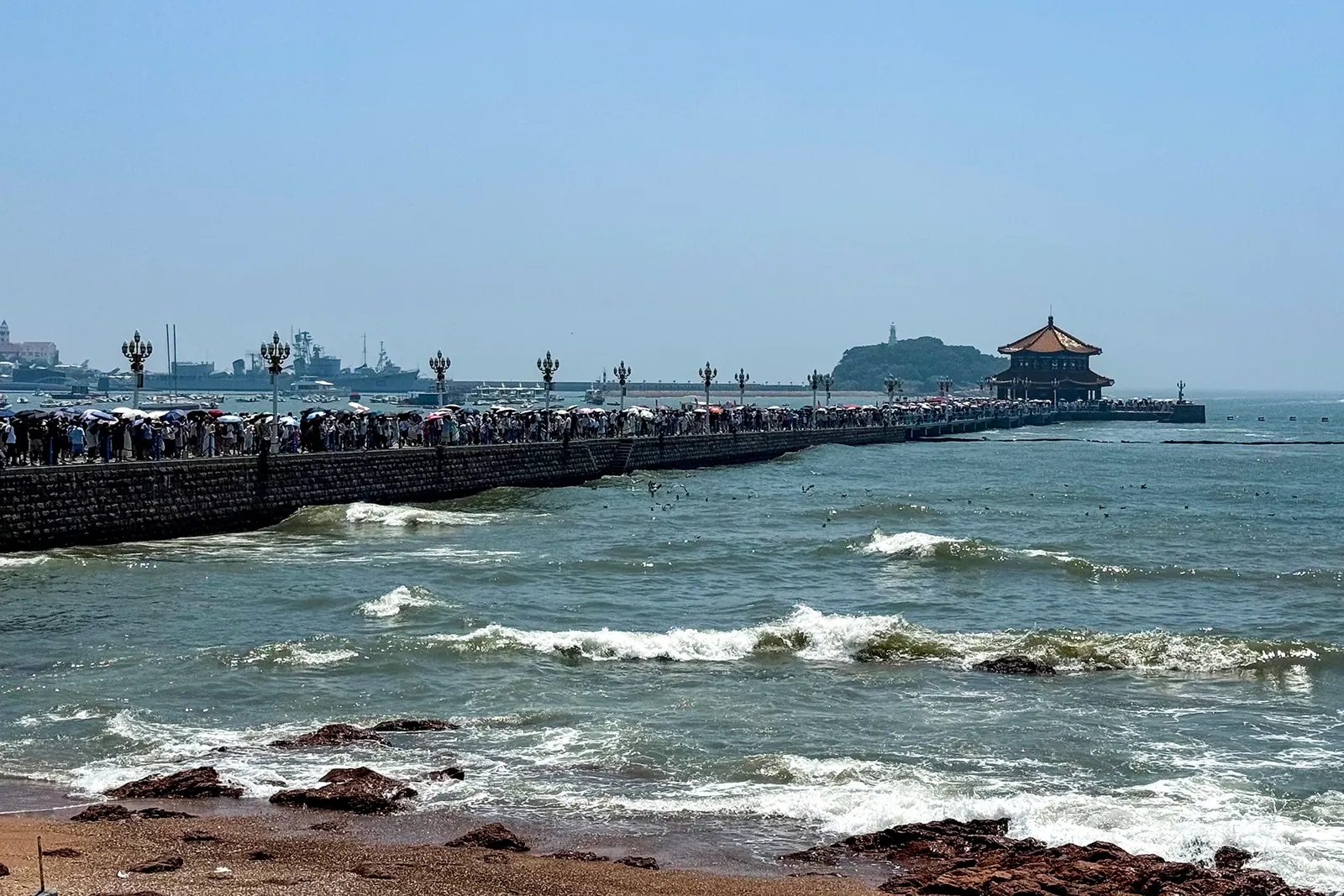
Qingdao's appeal is the combination of early-modern architecture, a coastline pressed against the city, and a daily life that treats beer as ordinary. June to September is the most comfortable stretch. One day covers the old town and the pier, two add Badaguan and the beer museum, and three bring in Mount Lao. Staying in the old town near the station saves the most time, and watch for rip currents at the beach (checked 28 September 2026).
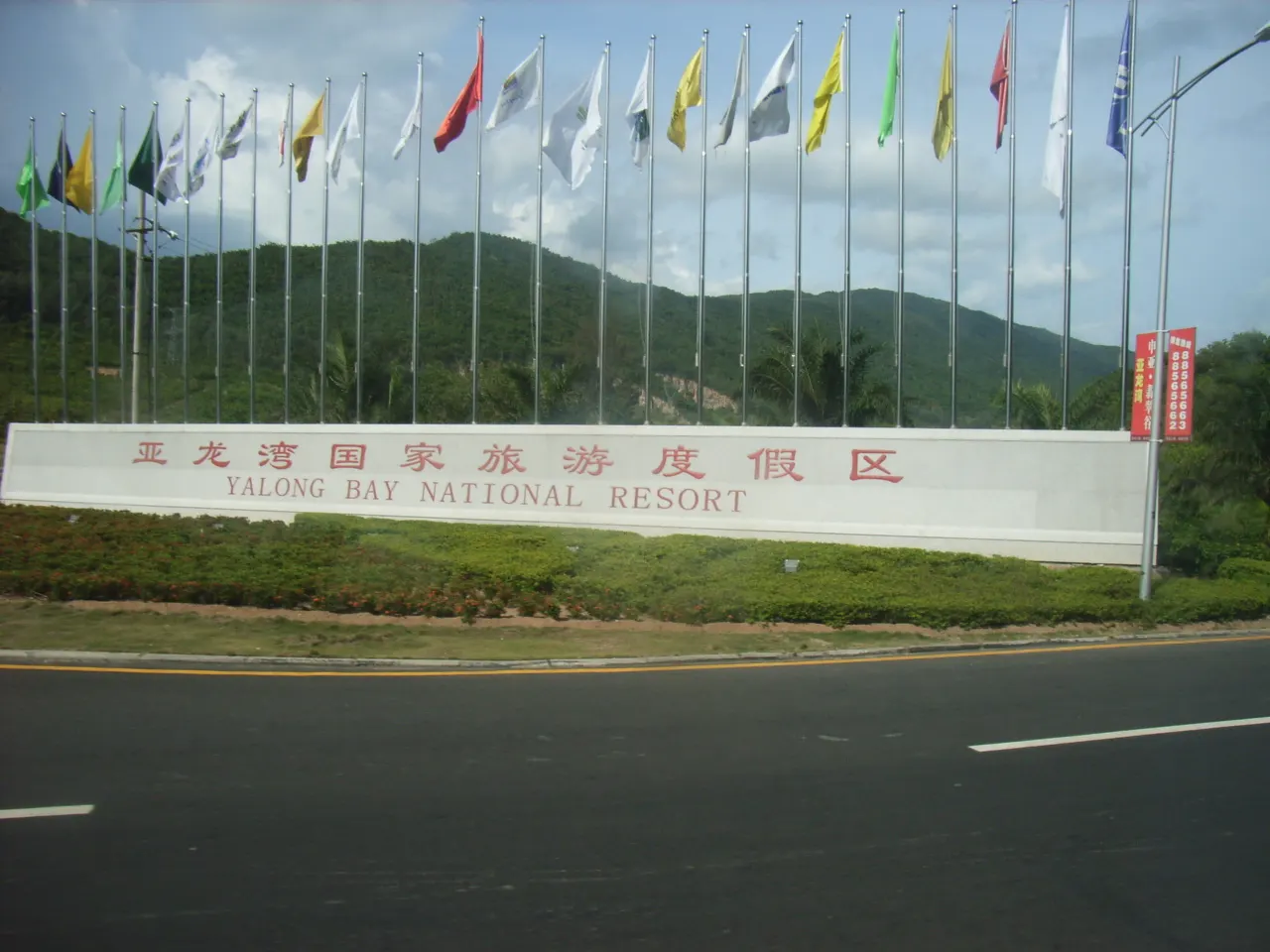
Sanya's first decision is not what to see but which bay to stay in: Yalong Bay for swimming, Haitang Bay for new hotels, Dadonghai for value, Sanya Bay for sunsets. Three days covers the main line and five lets you slow down. November to April is the most comfortable, while May to October is the rainy and typhoon season (checked 28 September 2026).
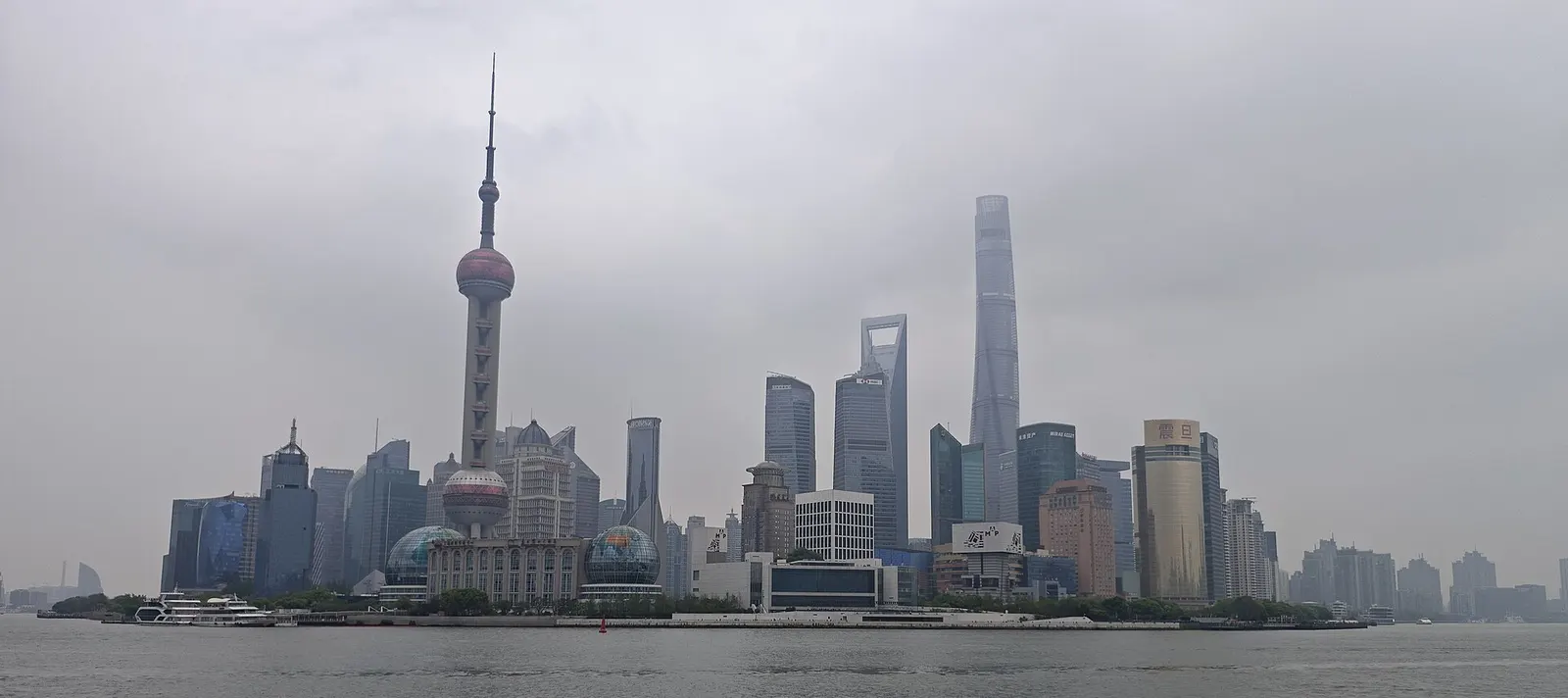
Shanghai is one of the easiest places to land on a first trip to China: both airports and the main rail hub sit inside the city, the metro is dense and well signed, and the city is smaller to navigate than Beijing. Two days covers the Bund and Lujiazui, three adds the historic districts and a museum, four adds Zhujiajiao or Suzhou. Staying around the Bund or Nanjing East Road saves the most commuting, and the stretch from dusk to lights-on is the Bund at its best (checked 28 September 2026).
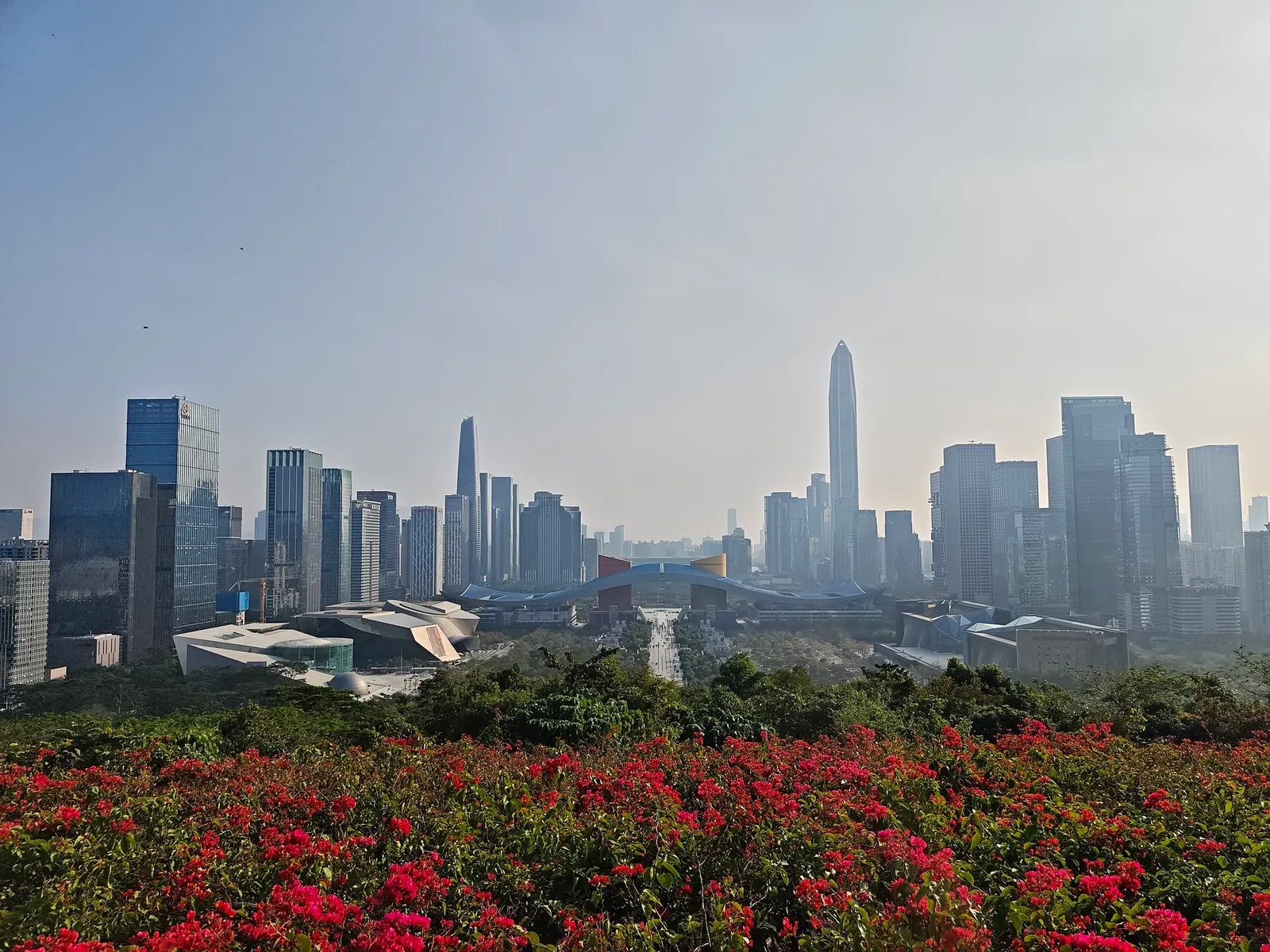
Shenzhen is not a city of antiquities. What it offers is how contemporary China actually runs: the Futian CBD seen from Lianhua Hill, the electronics markets of Huaqiangbei, the coastline at Shenzhen Bay and Dapeng, and the border crossings that link to Hong Kong. One to two days covers the main line, and placing it between Guangzhou and Hong Kong is the simplest arrangement (checked 28 September 2026).
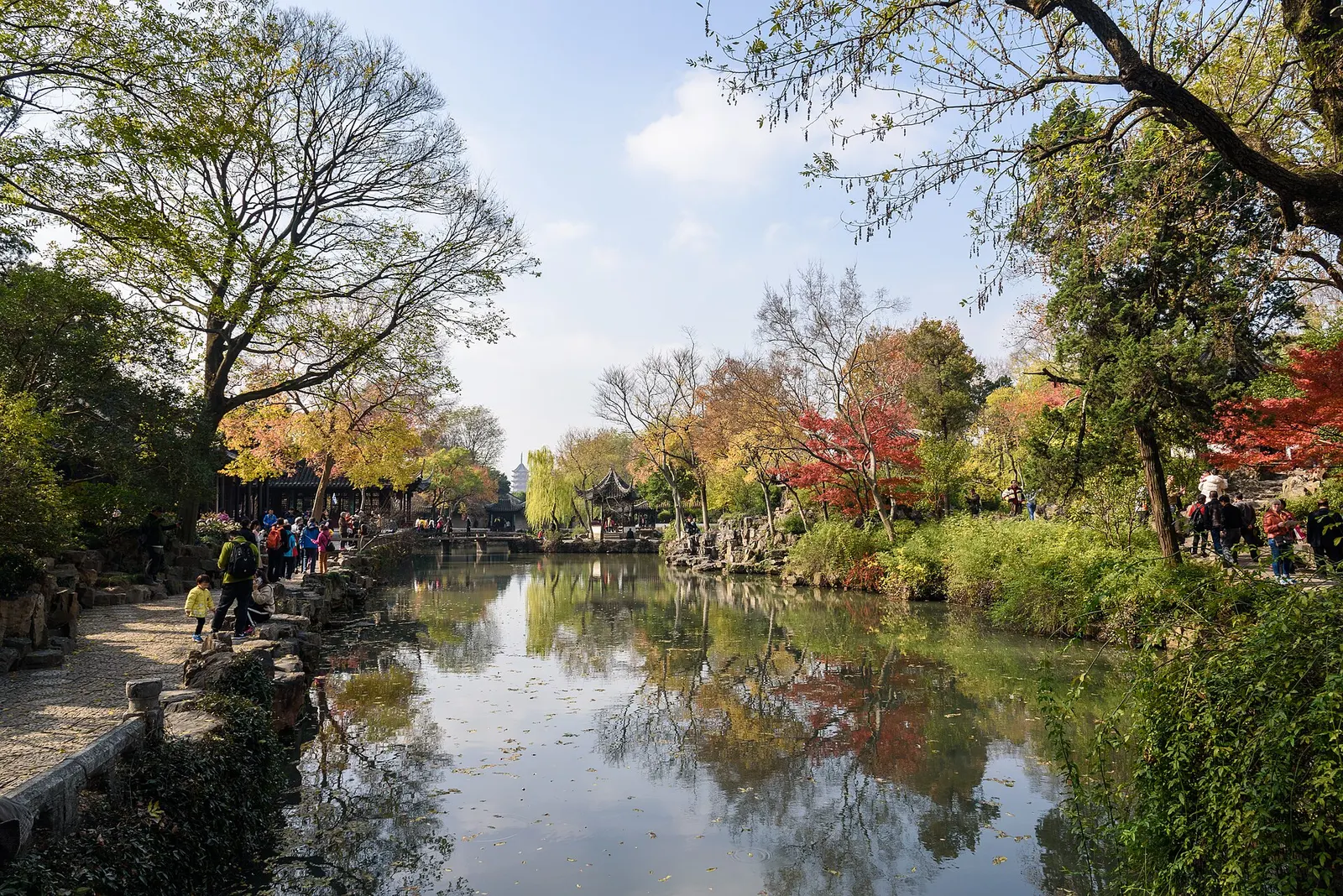
The question in Suzhou is not how many gardens to see but which ones to choose: the Humble Administrator's Garden for scale, the Master of the Nets for intimacy, the Lingering Garden for spatial change — one or two in a day is enough. Two days covers the gardens and the old town; a third adds Tongli or Zhouzhuang. Shanghai is about half an hour away by high-speed rail, and staying around Guanqian Street or Pingjiang Road saves the most time (checked 28 September 2026).
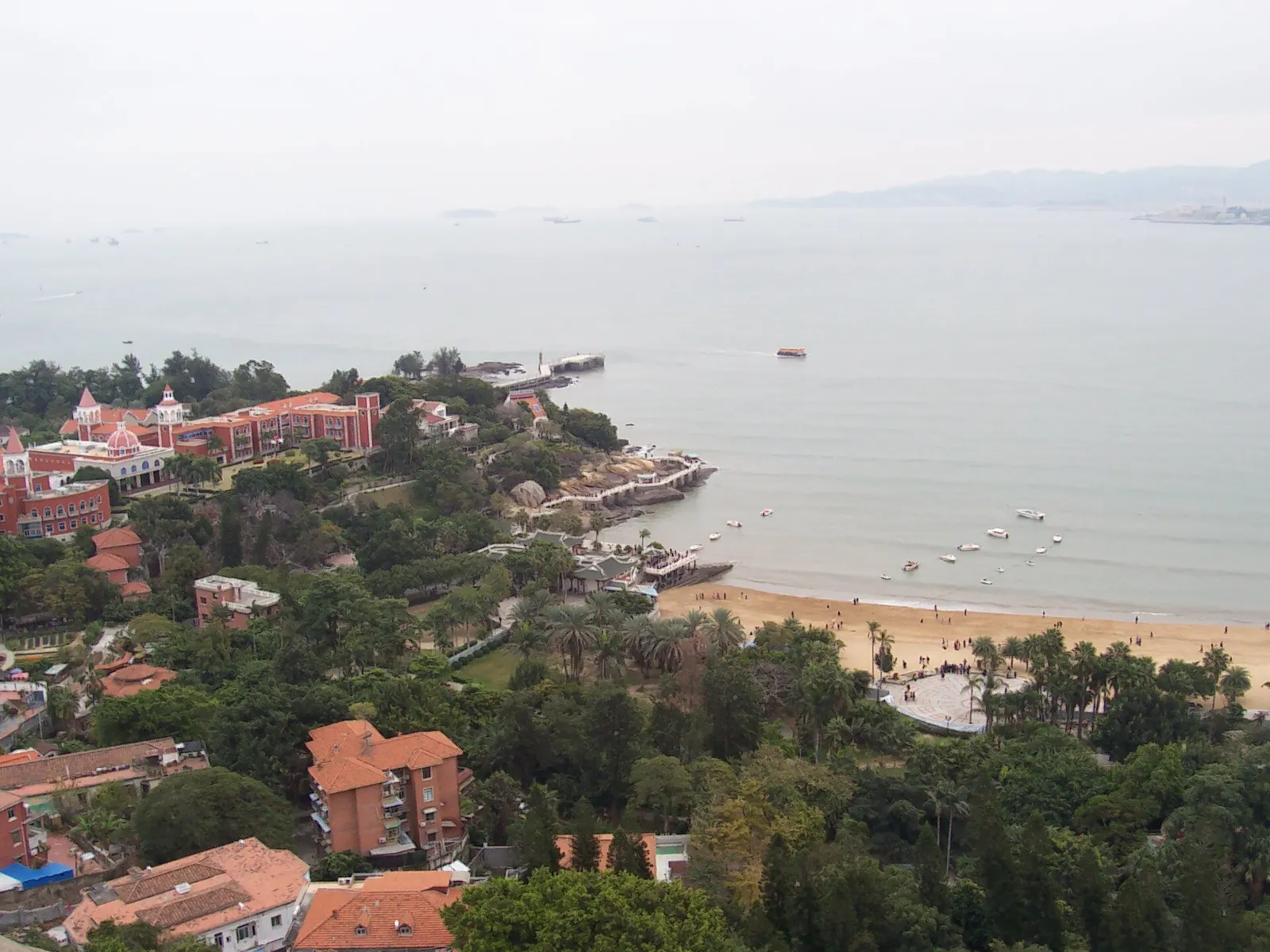
Xiamen is the most relaxed stop on the south China coast: Gulangyu, the old town and the coastline are all close together. The one thing that must be arranged in advance is the ferry to Gulangyu — visitors leave from designated passenger piers and need real-name booking, and in peak season tickets can sell out days ahead. Two days covers the main line and a third adds the tulou or Jimei. Staying around Zhongshan Road and the ferry piers saves the most time (checked 28 September 2026).
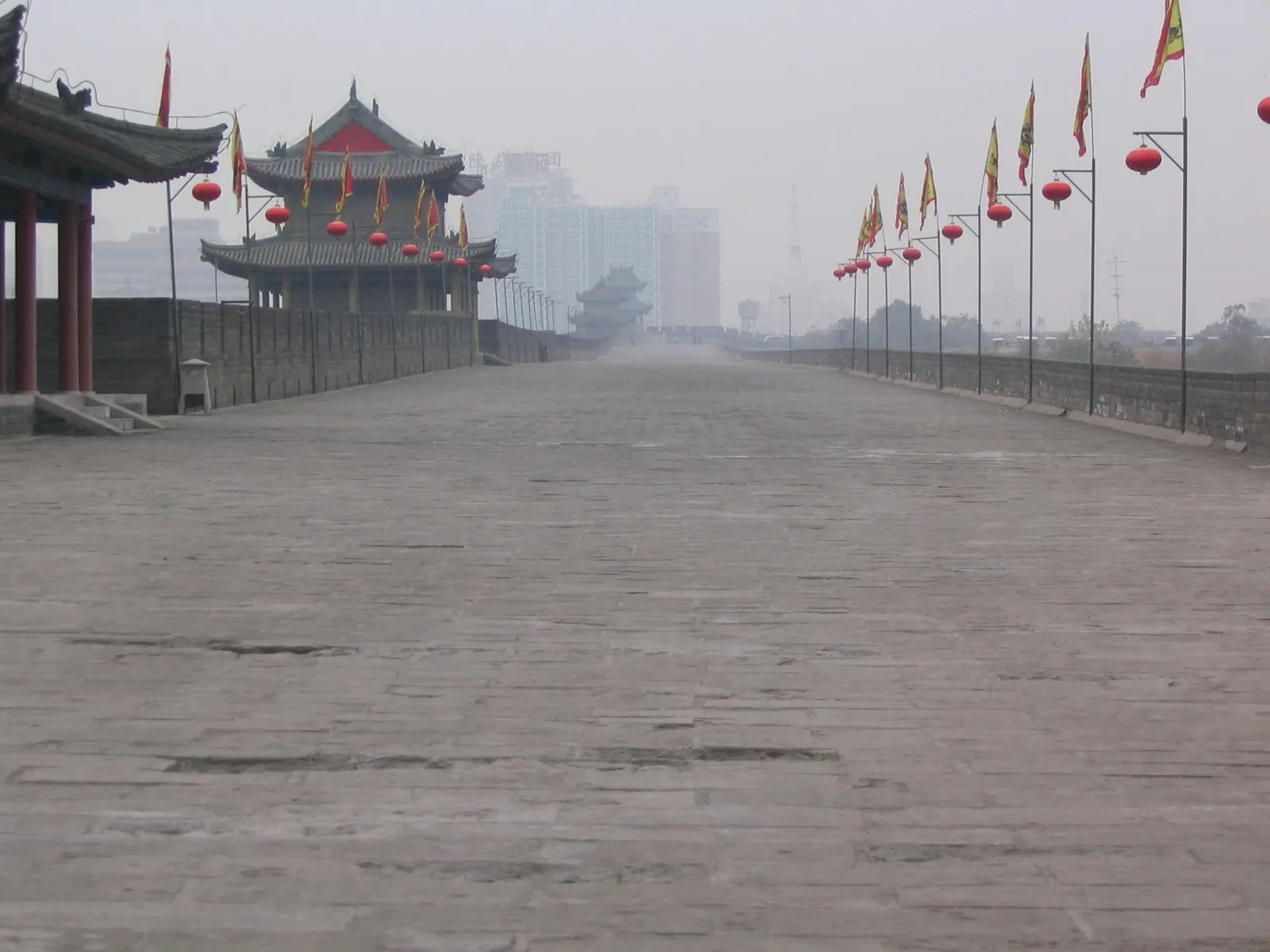
Xi'an is the city first-time visitors come to for history: the Terracotta Army is the core, and the city wall is the easiest way to read the city's scale. Two days covers the Terracotta Army, the wall, the Big Wild Goose Pagoda and a museum; three adds Mount Hua or a Han-dynasty tomb. Staying inside the wall near the Bell Tower saves the most time, and both the Terracotta Army and the Shaanxi History Museum require advance real-name booking (checked 28 September 2026).
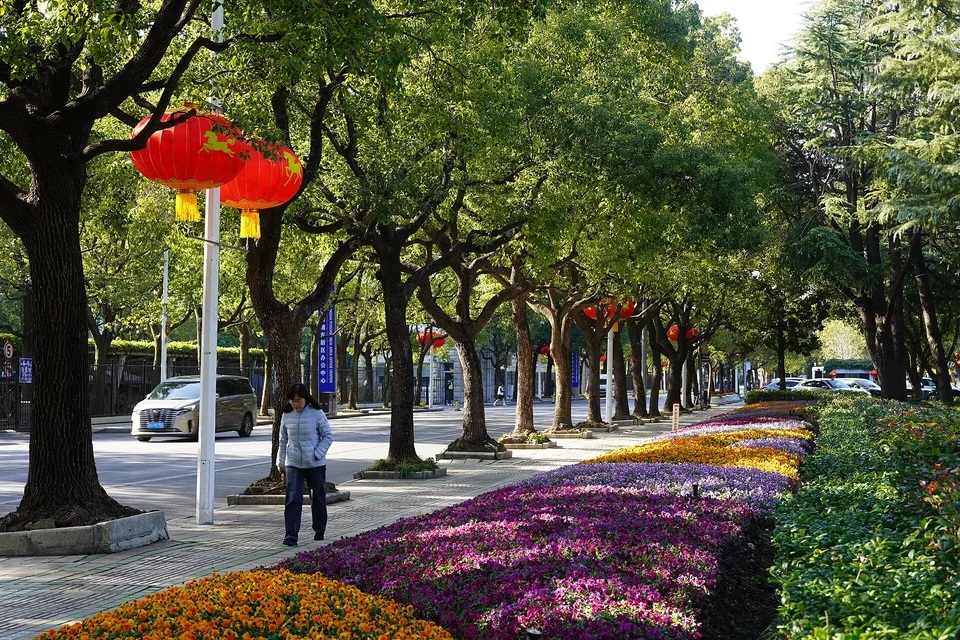
How do you pay for things on a trip to China? Linking an international card to Alipay or WeChat is the mainstream approach, with cash and a physical card as backup. This guide explains card linking and identity verification, the two directions of QR payment, where cash is still the only option, and how widely foreign cards are really accepted for direct payment.
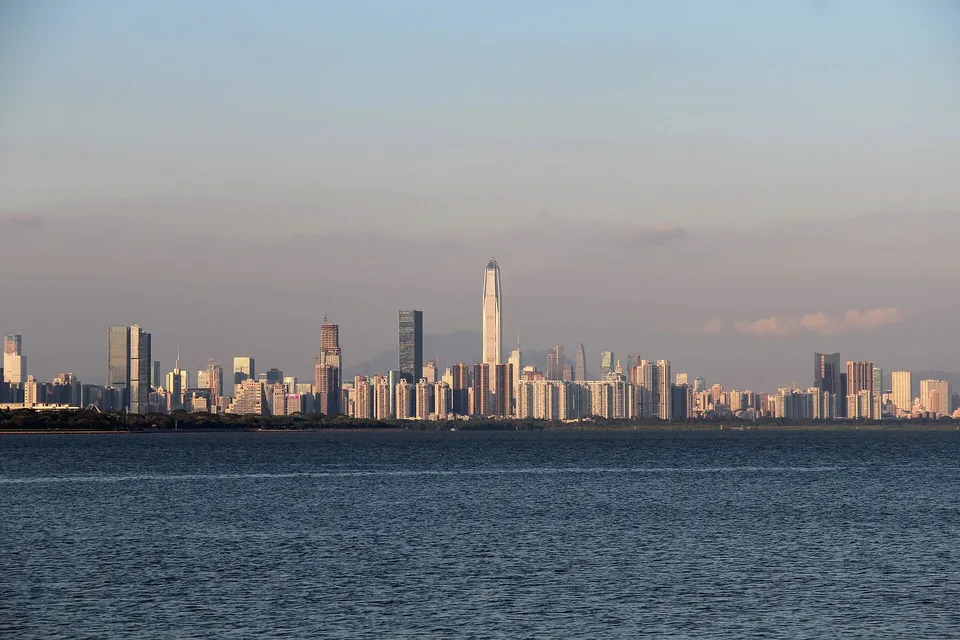
Travelling in China without a connection stops payments, maps, translation and ride-hailing all at once. International roaming, buying a local SIM card on arrival and buying an eSIM before you fly each carry a cost; this guide sets out their pricing structures, how to obtain each one and the common pitfalls, and flags the limits of phones without a physical SIM tray.
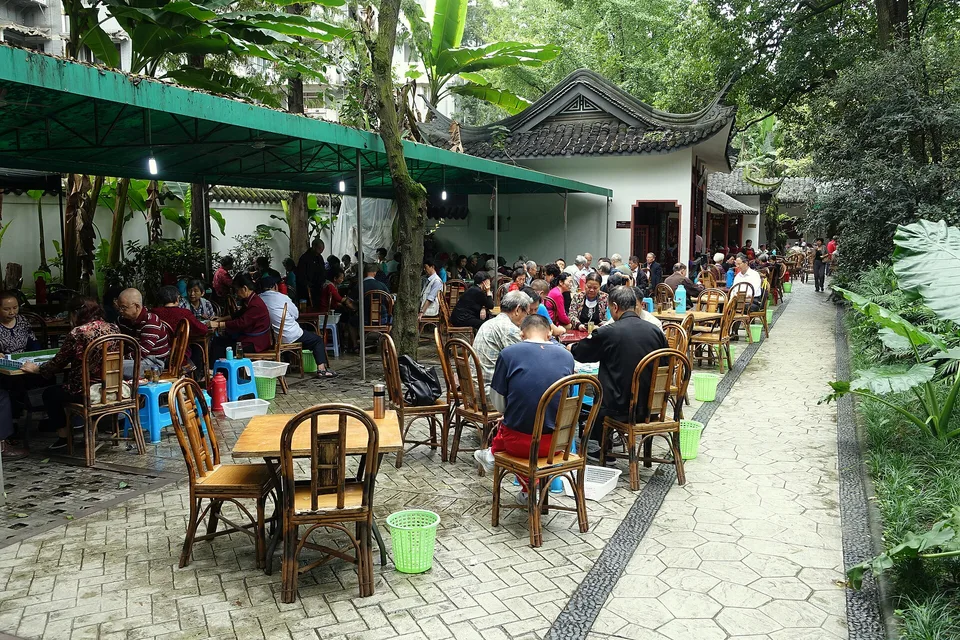
Hiring a guide in China can cost anywhere from a few hundred to one or two thousand yuan a day, and the difference comes down to whether they are licensed, whether they work in English, and whether tickets and a car are included. This guide explains the difference between guides, site interpreters and drivers, the trade-off between booking through a platform and going direct, and the costs most easily overlooked.
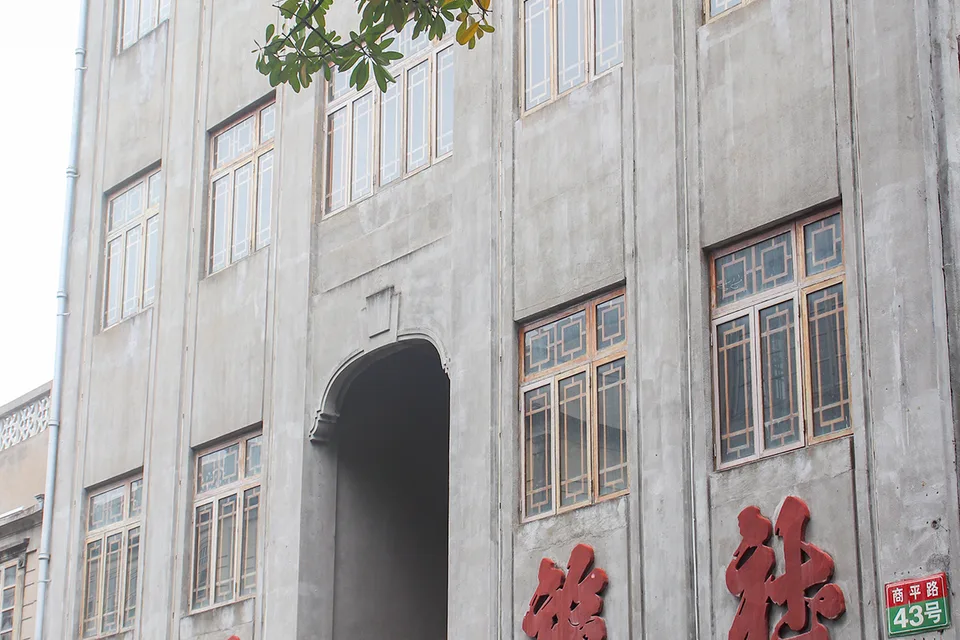
When booking hotels in China, the platform is not what matters most: whether the room accepts foreign guests, whether the price includes taxes, and whether you can live with the cancellation rules are. This guide compares international and domestic platforms and covers passport registration, homestays and paying on arrival.
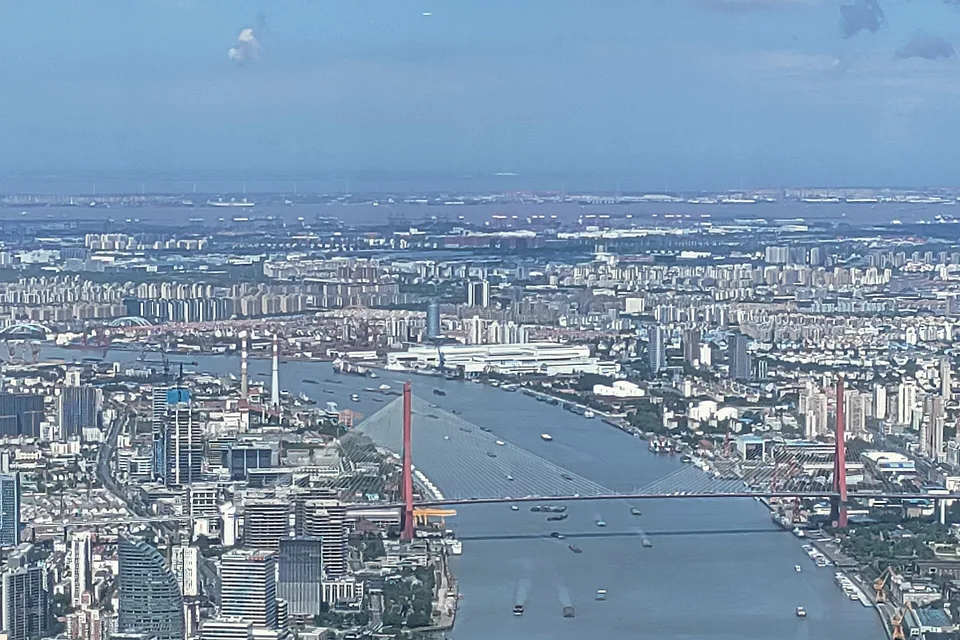
Direct flights from the United States to China are limited, so most itineraries connect once in a third place. This guide works through the arrival city, the trade-off between direct and connecting flights, where to connect and when to book, and explains the easily missed points about Beijing's two airports, through-checked baggage and transit visa-free entry.
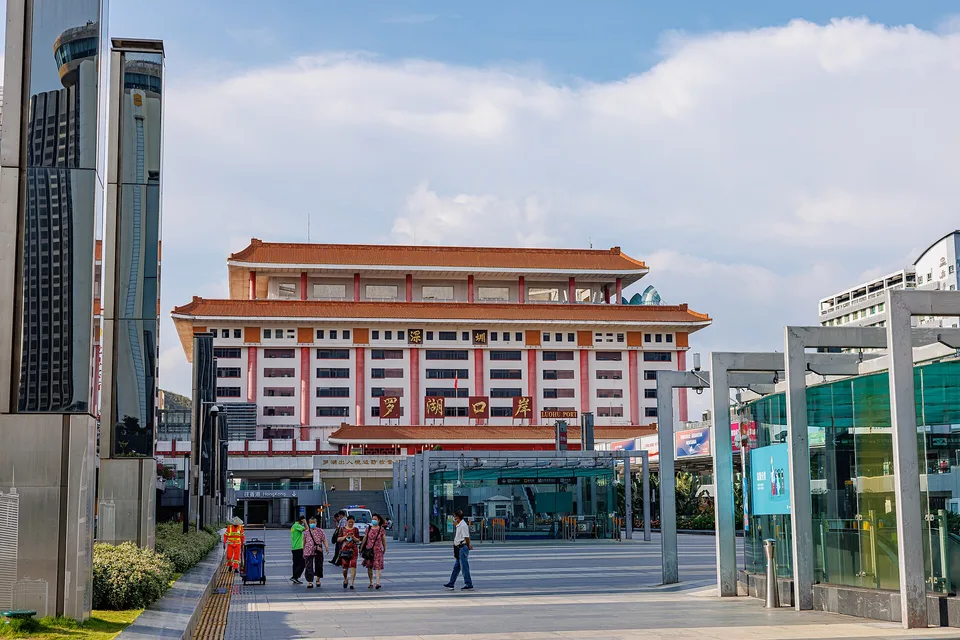
How do you apply for a Chinese tourist visa (L visa) from the United States? Work out first whether you need one, then follow the order: online form, booked submission, fingerprints, payment and collection. An agent can queue and check documents for you, but the decision and the accuracy of your documents remain your own.
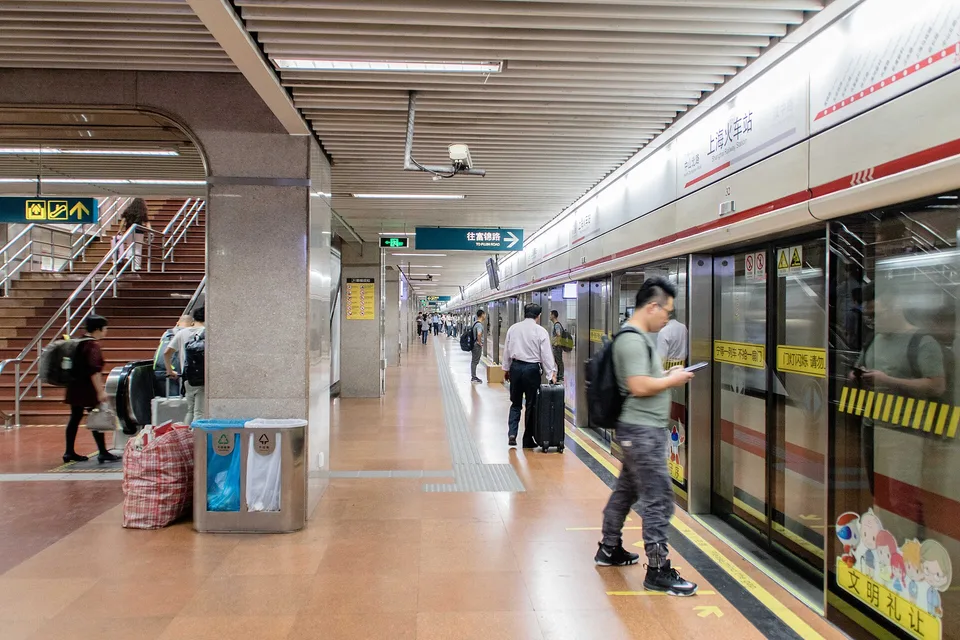
Which apps are worth installing before a trip to China? Alipay or WeChat handles payments and messaging, while maps, ride-hailing, 12306 ticketing and translation each hold one slot. Install them, link your card and download the offline packs before you fly, and your first day on the ground runs far more smoothly.
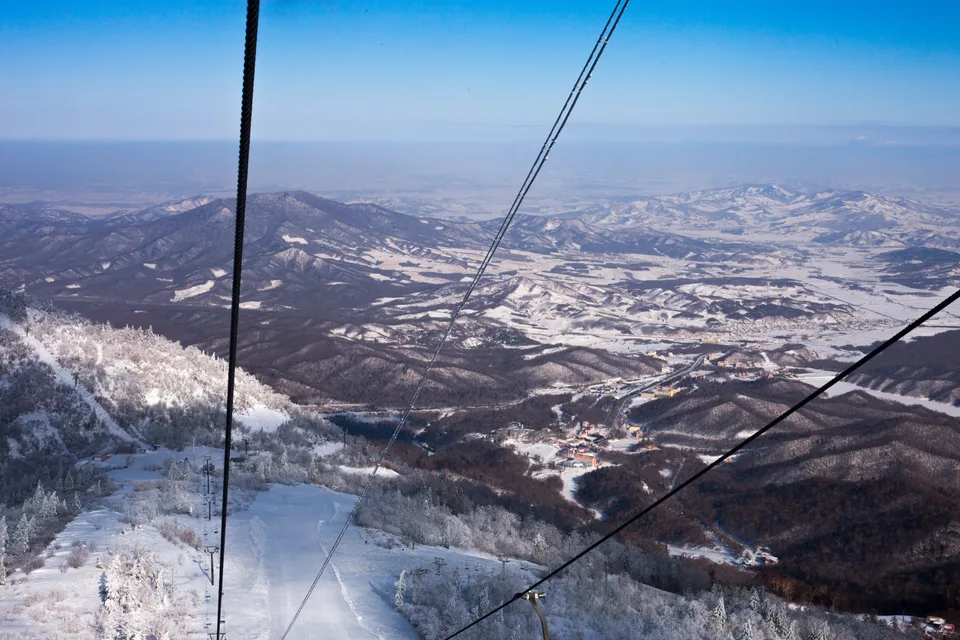
Yabuli, Beidahu, Songhua Lake, Changbai Mountain and Tonghua each suit different skiers. This guide compares the five by skill level, days available and access, and sets out what works for beginners, advanced skiers and families.
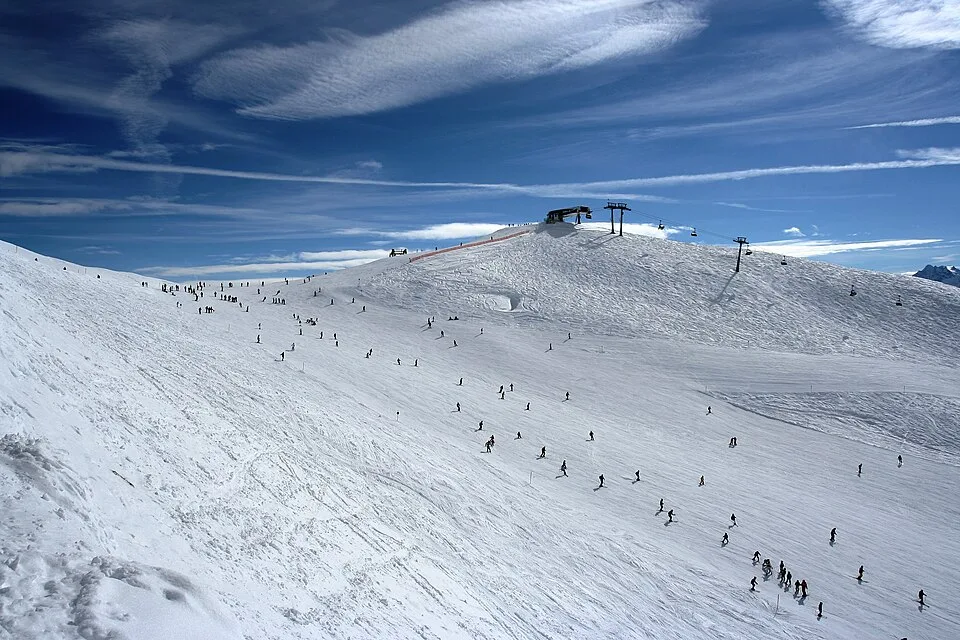
Chongli's resorts sit close together, and picking the wrong one costs you half a day in transit. This guide compares Wanlong, Genting, Thaiwoo, Fulong, Dolomiti and Changchengling by terrain, who they suit and where to stay, and explains how to reach Chongli by high-speed rail or by car.
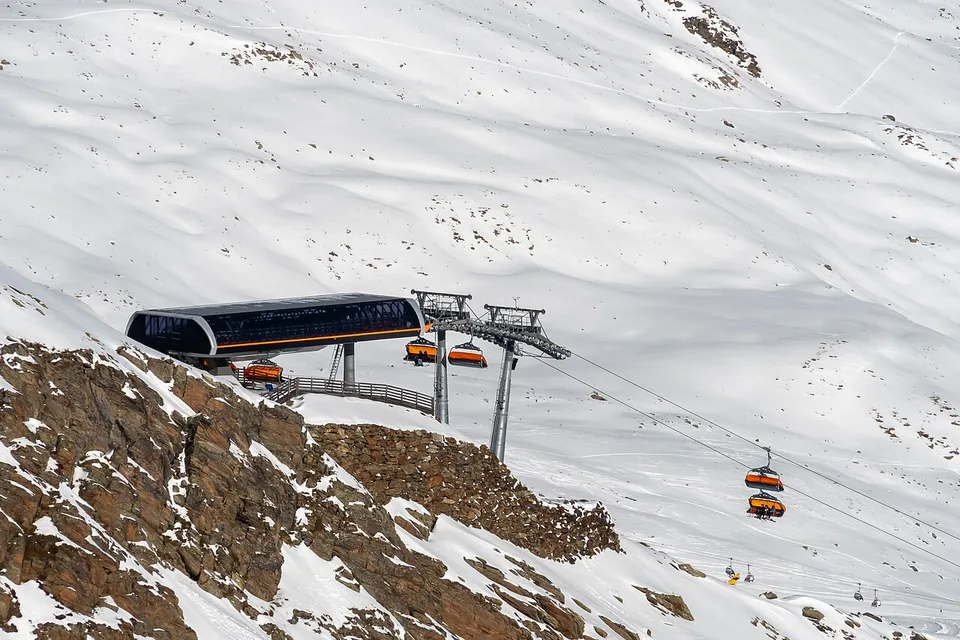
Which Beijing-area resorts work for a single-day trip? This guide compares Nanshan, Jundushan, Huaibei, Yuyang, Shijinglong and Jingzhihu by location, terrain and the skiers they suit, and covers planning with children, night skiing and a pre-departure checklist.
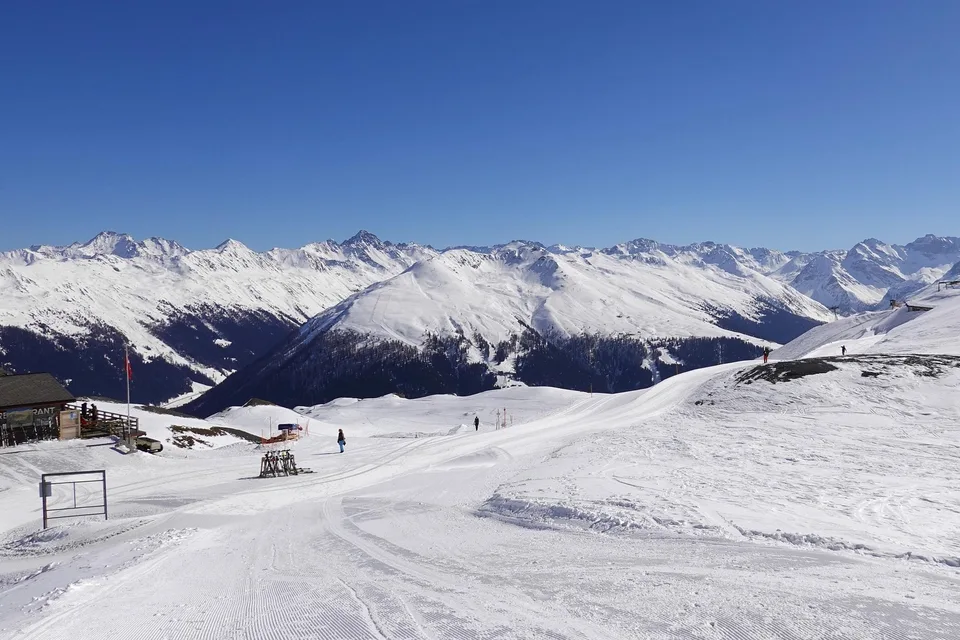
For southerners who want to ski close to home, Xiling Snow Mountain, Mount Emei and Jade Dragon Snow Mountain are the three names that come up. This guide compares their elevations, terrain, the skiers they suit and the altitude risks, and sets out how to pace a trip from Chengdu or Lijiang.
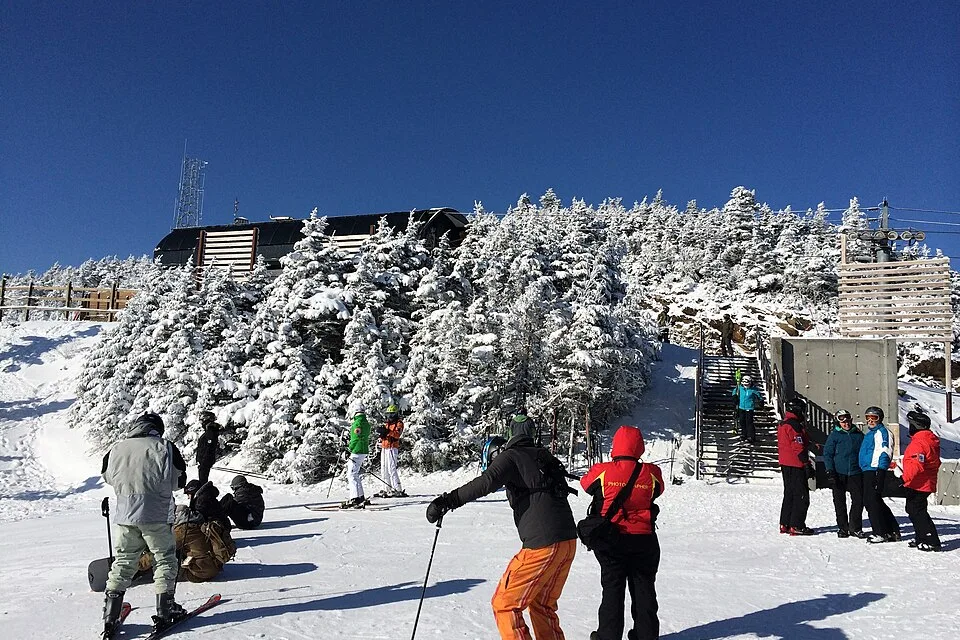
If flying to the Northeast is not an option, the Qinling range and the middle Yangtze also have ski areas. This guide compares Taibai Aoshan in Shaanxi, Shennongjia in Hubei and the resorts around Lanzhou in Gansu by scale, season and the skiers they suit, and explains what each journey costs you and in what order to choose.
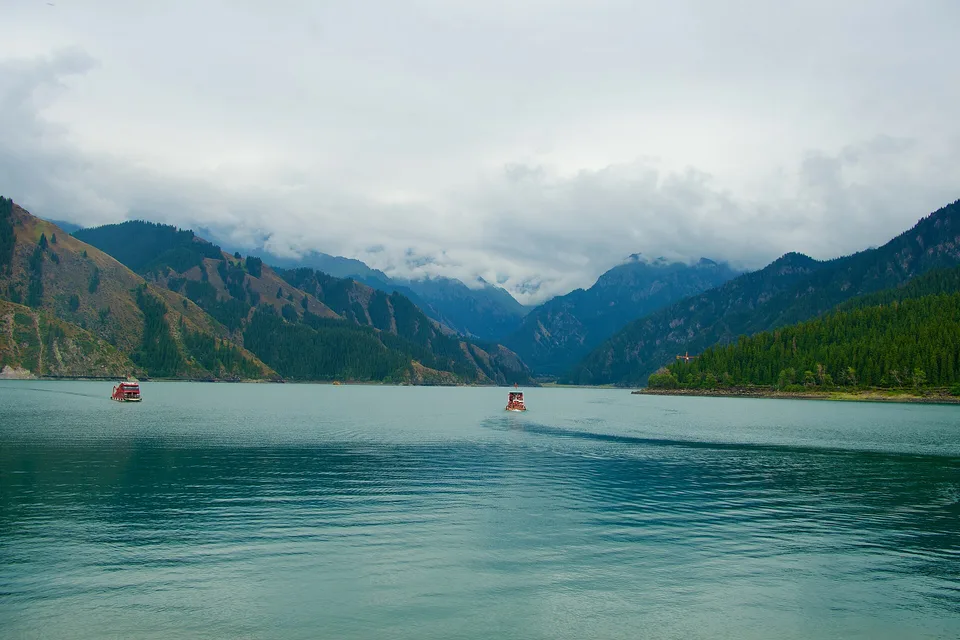
On most standard routes in Xinjiang, foreign visitors can travel on a passport and a valid Chinese visa (or applicable visa-free arrangements), with no Tibet-style permit needed; border management zones and restricted areas, however, require a separate border pass, and foreign travellers apply through different channels than domestic visitors. This guide covers documents and access, security-check practicalities, halal dining, ethnic-minority etiquette and seasonal climate, so you can judge what needs advance application and what is off limits.
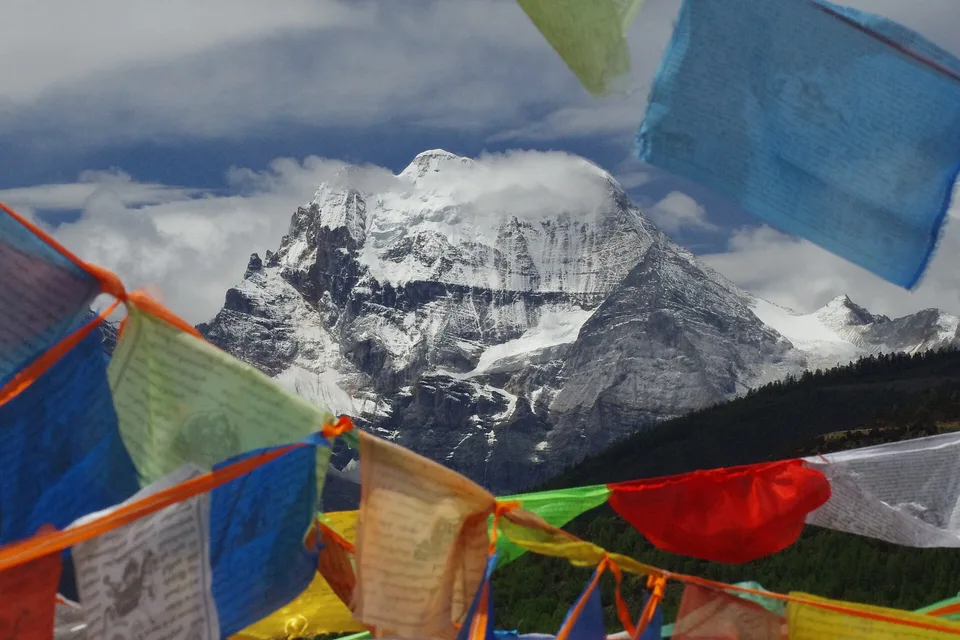
The western Sichuan loop comes in grand-loop, small-loop and middle-loop versions, and picking wrong can turn the whole trip into a rush. This guide lays out the trade-offs of the three loops and offers a 6-day route out of Chengdu with an altitude strategy.
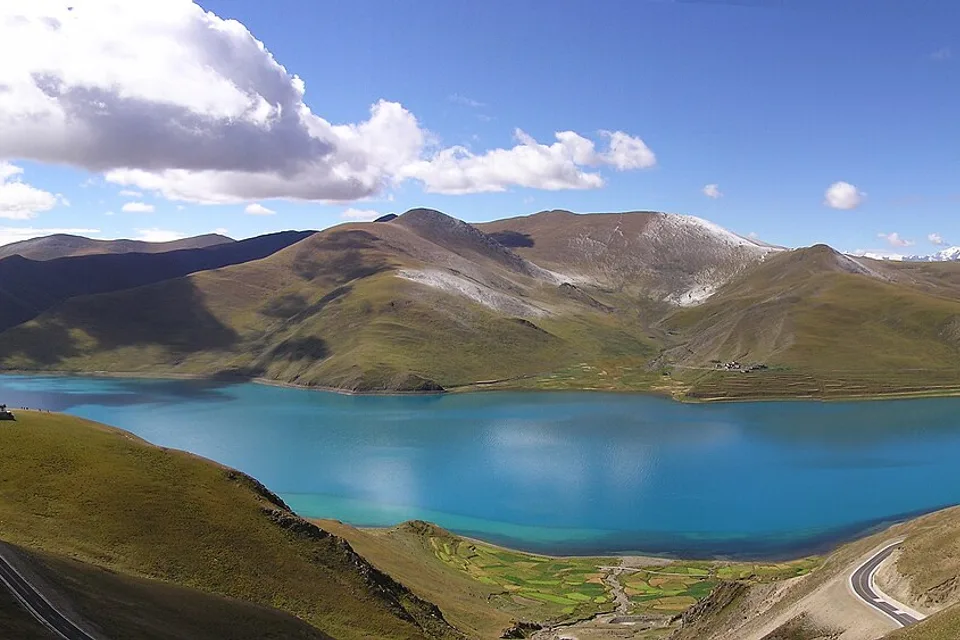
Walking Yamdrok Lake (Yamdrok Yumtso), the Karola Glacier, Everest Base Camp and Namtso in six days — just how intense is it? This guide assesses the altitude, driving time and accommodation piece by piece, answering the questions first-time Tibet travellers care about most.
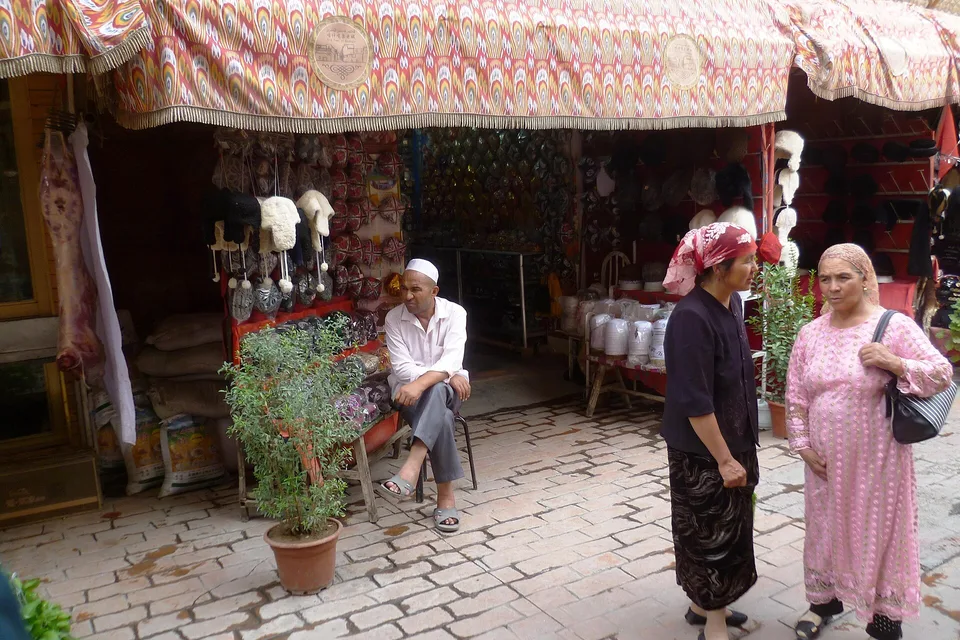
Southern Xinjiang is not the far-flung place of your imagination — it is where the western-region atmosphere is strongest. This guide explains how to choose between southern and northern Xinjiang, how to wander Kashgar Old Town, how to work the Pamir Plateau line, and the key points for getting your border pass.
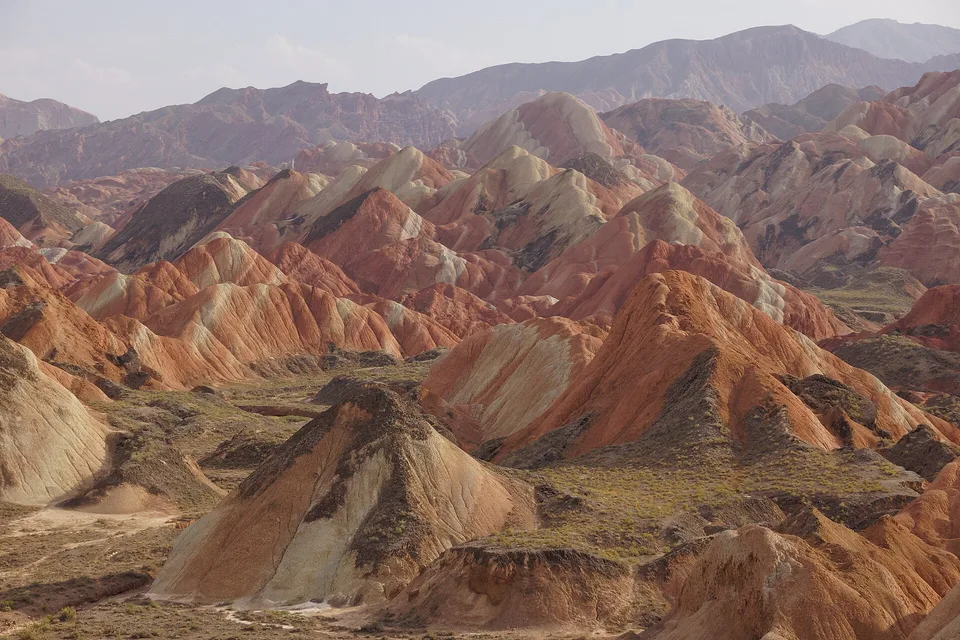
The Qinghai-Gansu loop has no single best month: the Danxia needs light, the salt lakes need clear skies, Qinghai Lake needs the rapeseed bloom, and Mogao needs a booking. This guide takes the seasons apart sight by sight, and adds whether to enter via Xining or Lanzhou and how to split four to eight days.
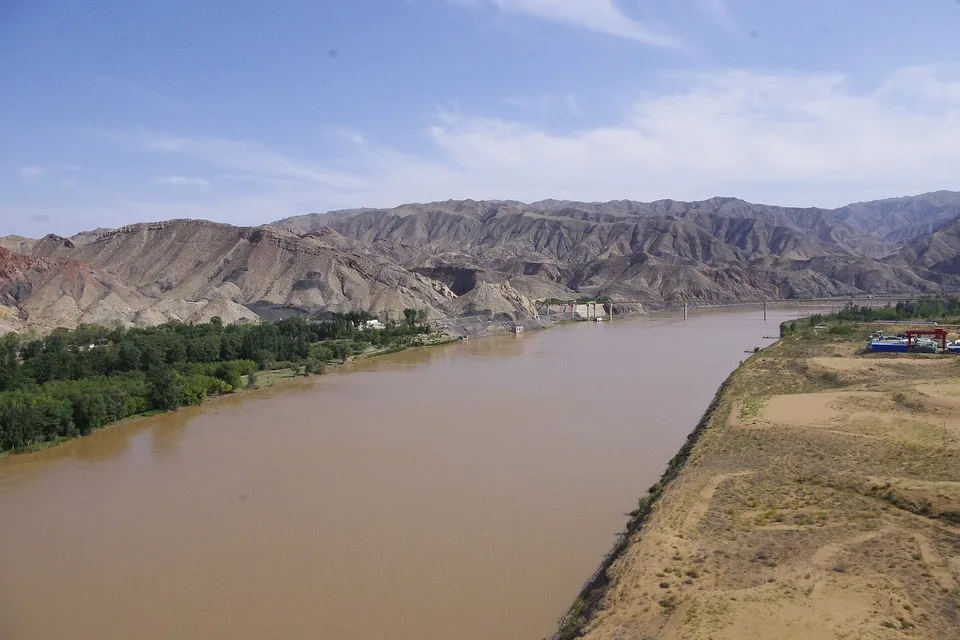
Ningxia is small, yet it packs in the Yellow River, desert, rock art and the Western Xia capital. This guide lays out a 5-day route through Yinchuan and Zhongwei, explaining how to play Shapotou, how to visit the film studio and the Western Xia mausoleums, and how to arrange it with elders and children.
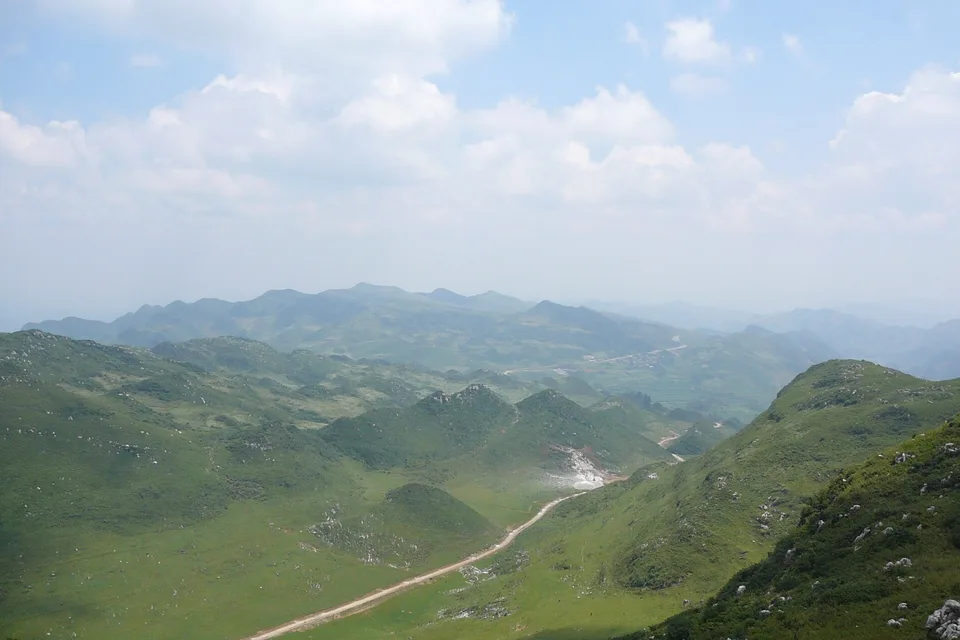
Liupanshui is known as China's Cool Capital, with an average summer temperature of about 19°C. This guide offers a 5-day escape route by bullet train round trip: cloud seas and wind turbines on the Wumeng Grassland, the "sky flower sea" of the Dajiucaiping (Big Chive Mountain), plus a Yi-ethnic town and Yi cuisine.
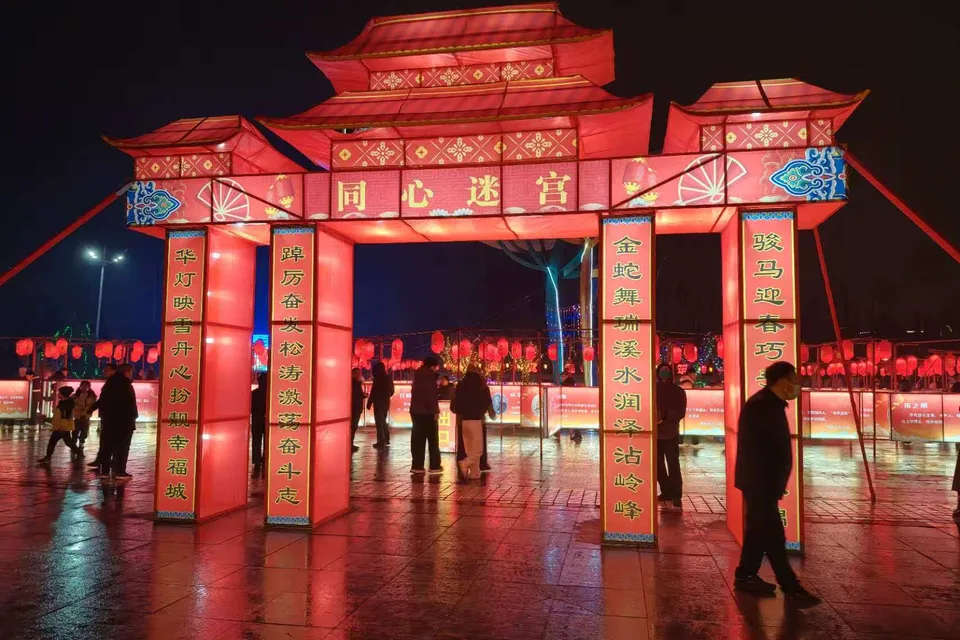
Gannan's four seasons are four different landscapes: green grasslands in high summer, golden river bends in autumn, and the Buddha-unveiling festival in winter. This guide breaks down the core sights — Zhagana, the Ruoergai (Zoigê) grassland and the First Bend of the Yellow River — along a timeline to help you decide which month to go.
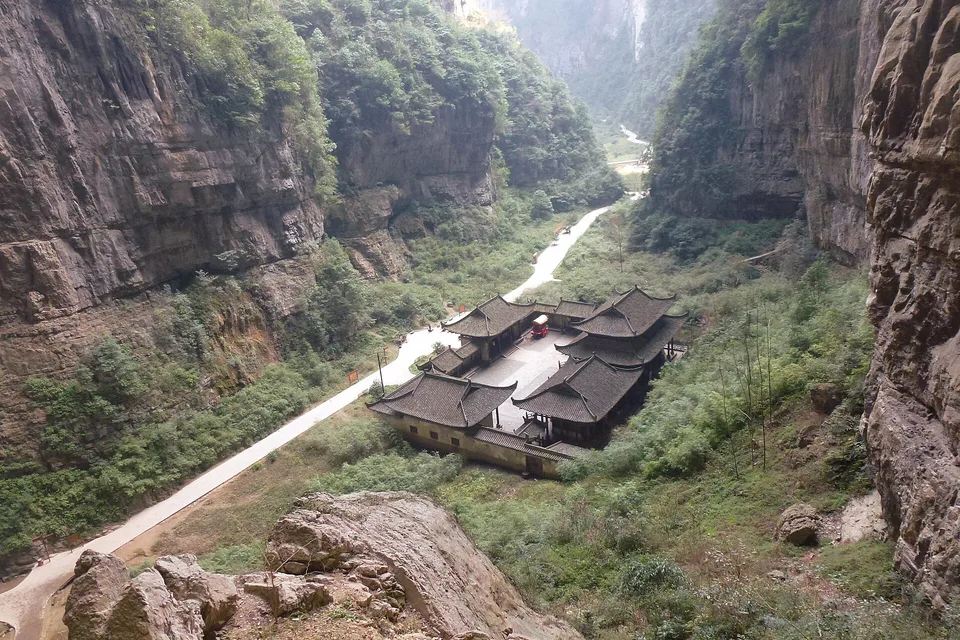
Chongqing isn't one city but two: the 8D wonder of the mountain city, and the grandeur of Wulong's karst. This guide lays out a 5-day route combining downtown Chongqing and Wulong, explaining how to shoot the night views, how to tick off the monorail passing through a building, and how to eat hotpot.
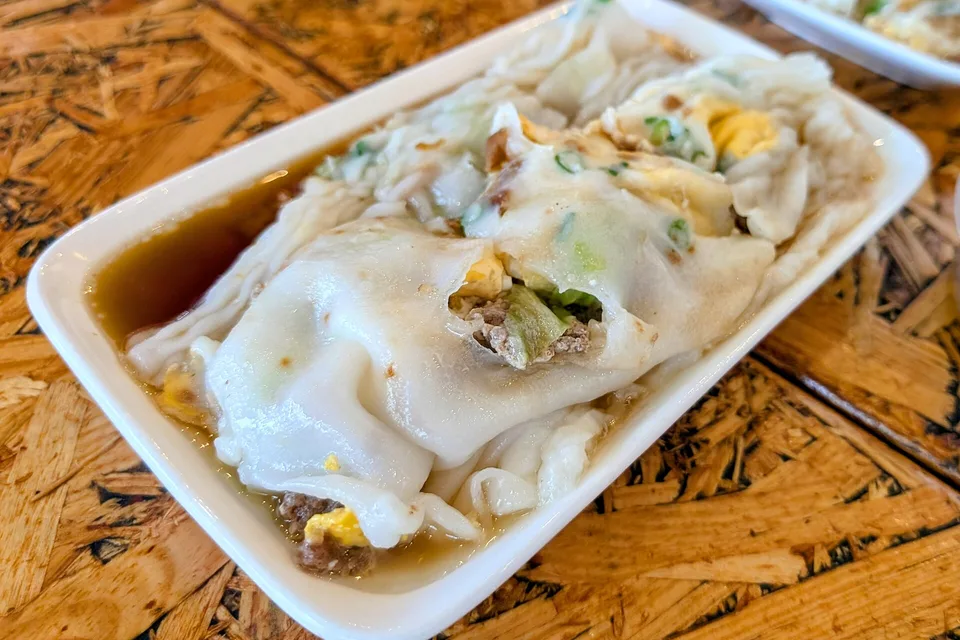
Chaoshan isn't a single restaurant — it's a whole city built around taste. This guide treats the Chaozhou old town and Shantou separately: how to order beef hotpot, where to find oyster omelettes and kuih (rice cakes), how to read the street snacks, and a 3-day eat-as-you-walk route.
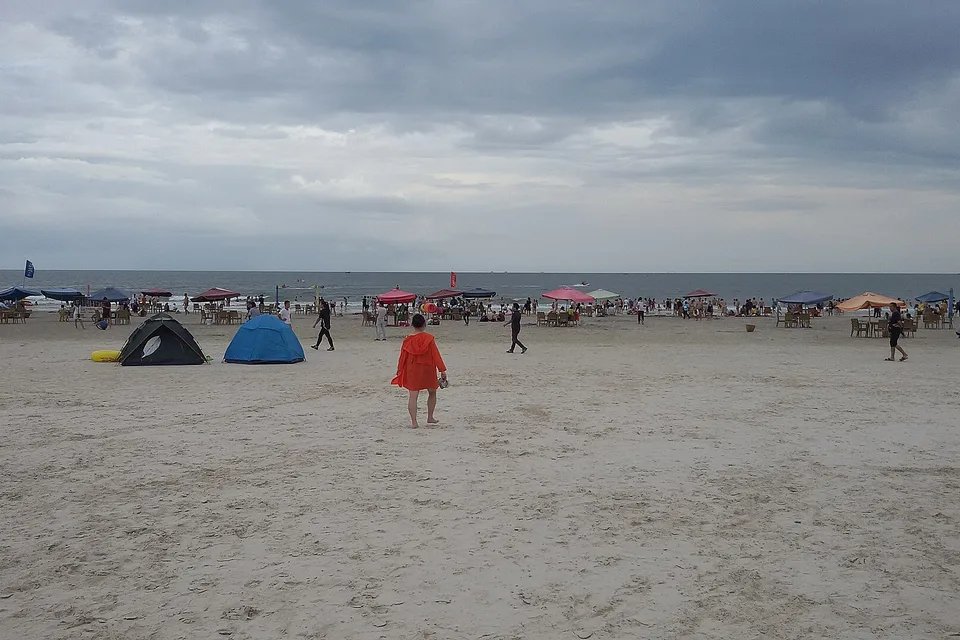
The Beibu Gulf Fishing Festival is an annual ocean feast on the coast of Guangxi: a sea-worship ceremony, hundreds of sails leaving harbour and a seafood carnival. This guide explains how to join the festival, how to visit Qisha Fishing Harbour and Sanniang Bay, and lays out a 3-day route by bullet train round trip.
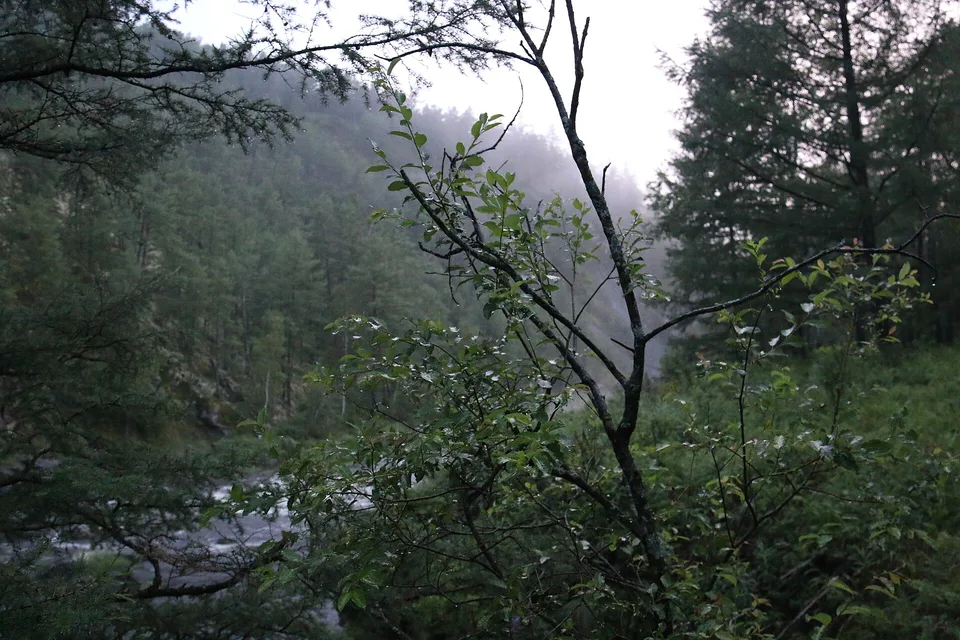
Aershan's beauty runs on a clear seasonal clock: green summers, golden autumns and snowy winters. This guide breaks down the Hulunbuir grasslands, birch forests, border roads and Aershan National Forest Park by season, and pinpoints the best golden-autumn window and photography spots.
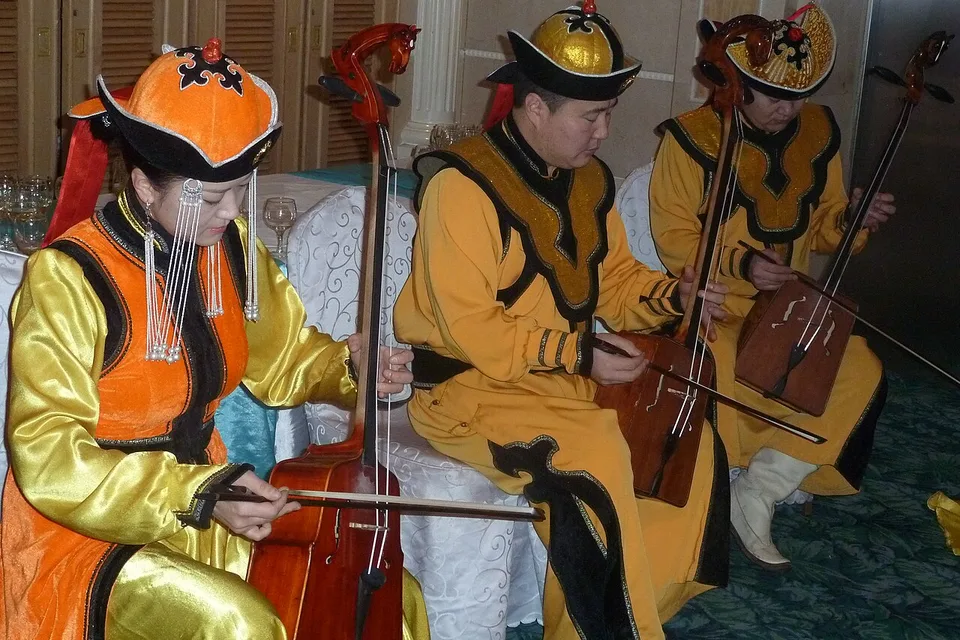
The creative bedrock of Inner Mongolia is the morin khuur, felt art and the five grassland livestock. Where to find the Inner Mongolia Museum collection, morin khuur and Mongolian embroidery/leather-painting pieces, and how to choose—all here.
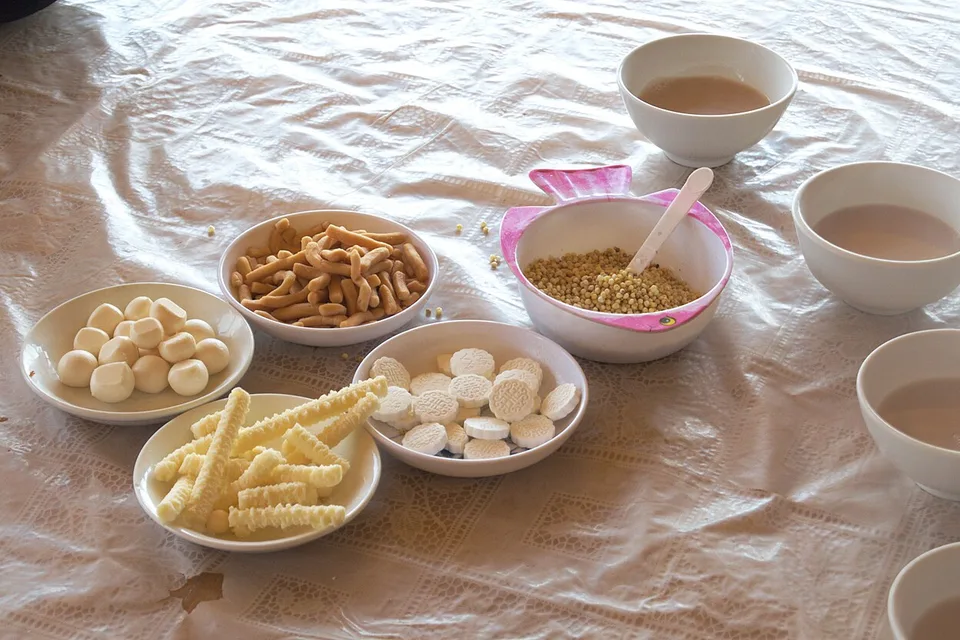
How to pick souvenirs from Inner Mongolia? Air-dried beef jerky, milk pearls and cheese, Mongolian milk-tea powder and sunflower seeds—how to combine them by recipient, all in this guide.
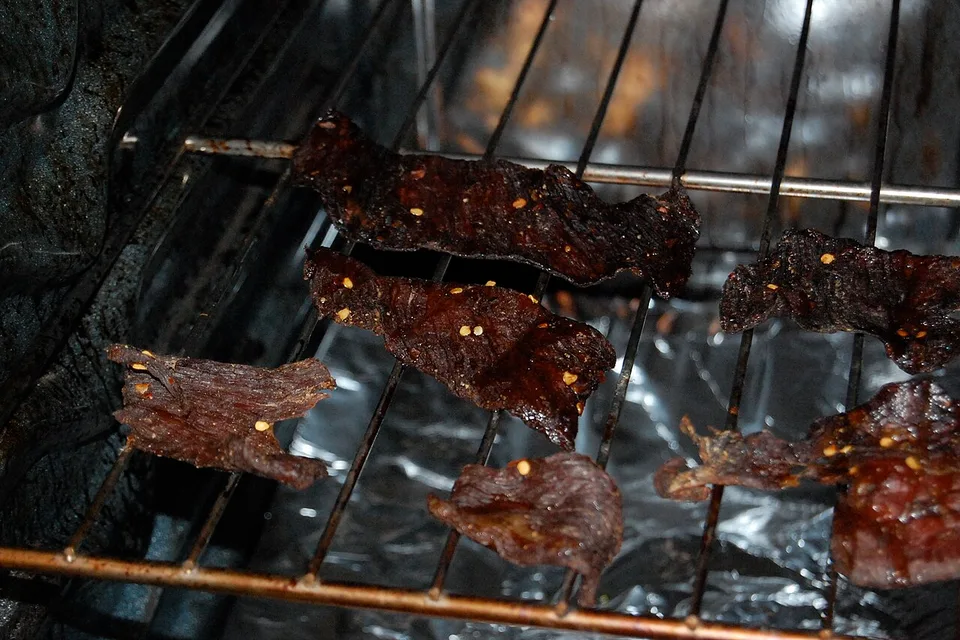
What specialities to bring from Inner Mongolia? Air-dried beef jerky, dairy foods, milk-tea powder, Bayannur sunflower seeds and grains—origin and buying tips are all here.
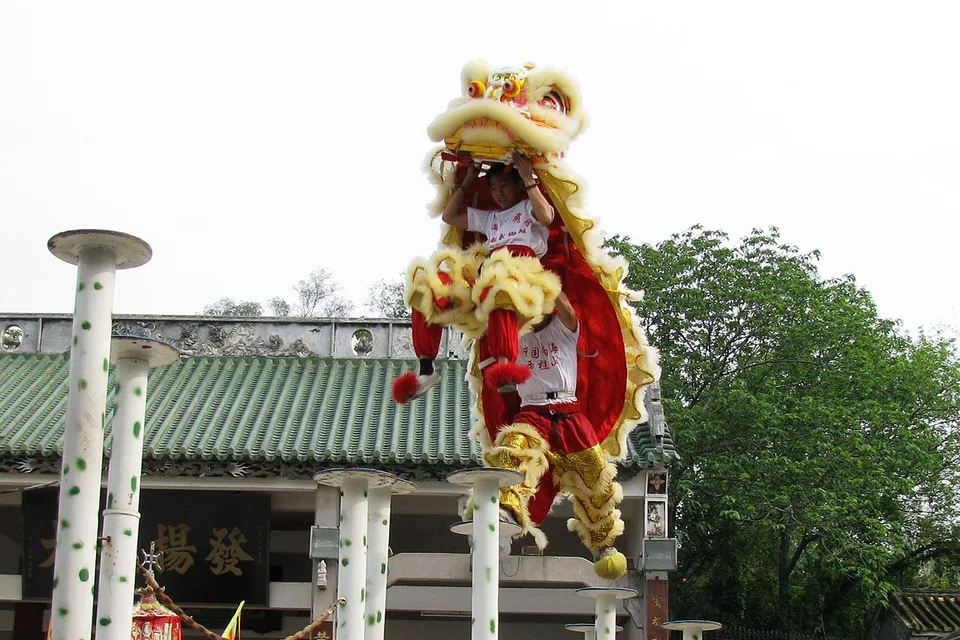
The creative bedrock of Guangdong is the lion dance, Shiwan pottery and Canton enamels. Where to find the Provincial Museum collection, Foshan ceramics and gambiered Canton gauze, and how to choose—all here.
How to pick souvenirs from Guangdong? Xinhui chenpi, Cantonese cured meat, time-honoured pastries and dim sum, and Chaoshan sauces—how to combine them by recipient, all in this guide.
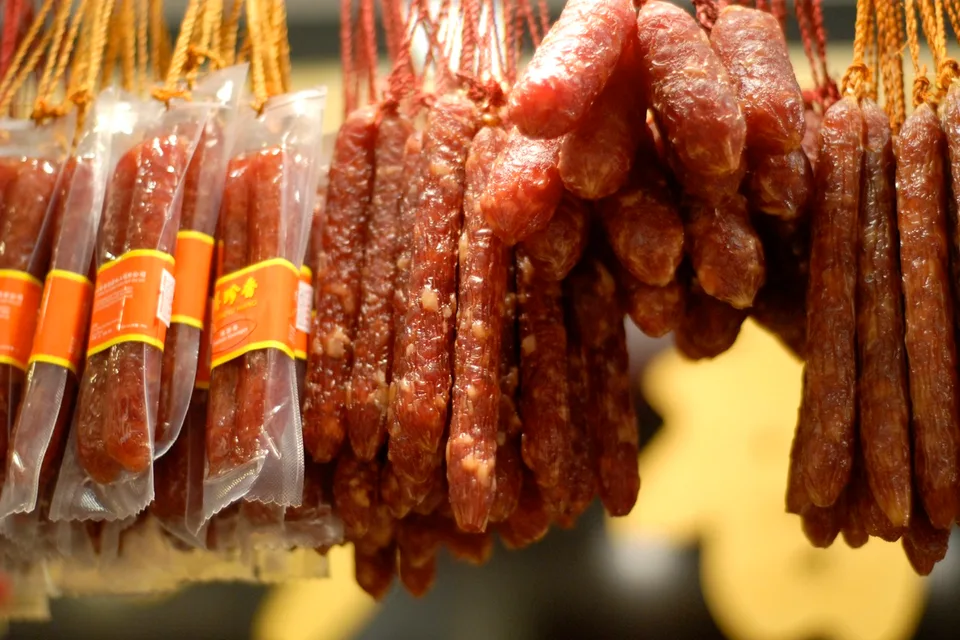
What specialities to bring from Guangdong? Cantonese cured meat, Xinhui chenpi, shacha sauce and Puning bean paste, time-honoured pastries and Lingnan fruit—origin and buying tips are all here.
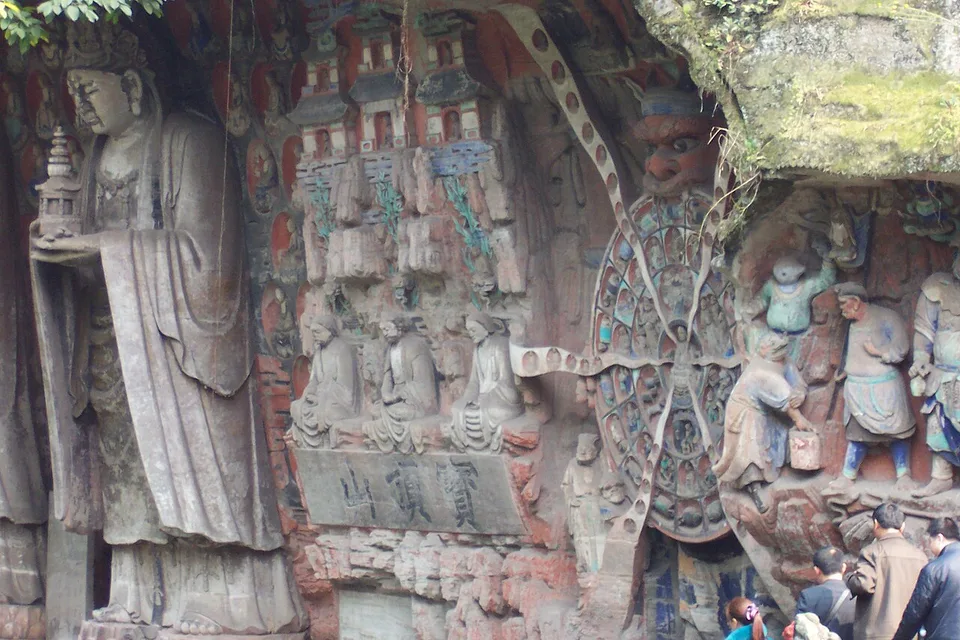
The creative bedrock of Chongqing is the Dazu rock carvings, the Three Gorges museums and the mountain city's riverside flair. Where to find rock-carvings IP, Three Gorges Museum derivatives, Tongliang dragon and Qijiang prints, and how to choose—all here.
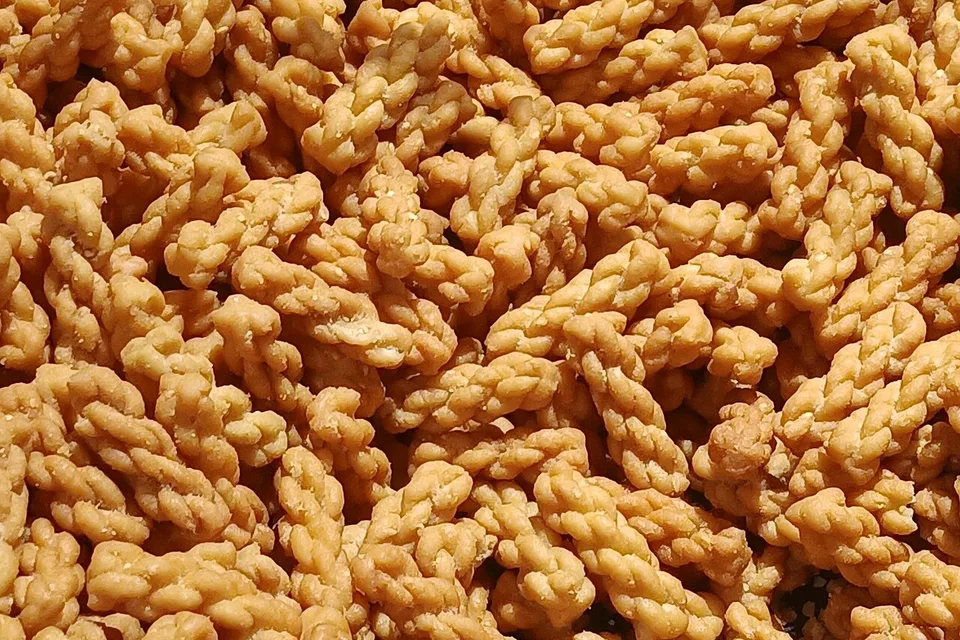
How to pick souvenirs from Chongqing? Hotpot base, Chen mahua, Hechuan peach slices, Fuling zhacai and Yongchuan douchi—how to combine them by recipient, all in this guide.
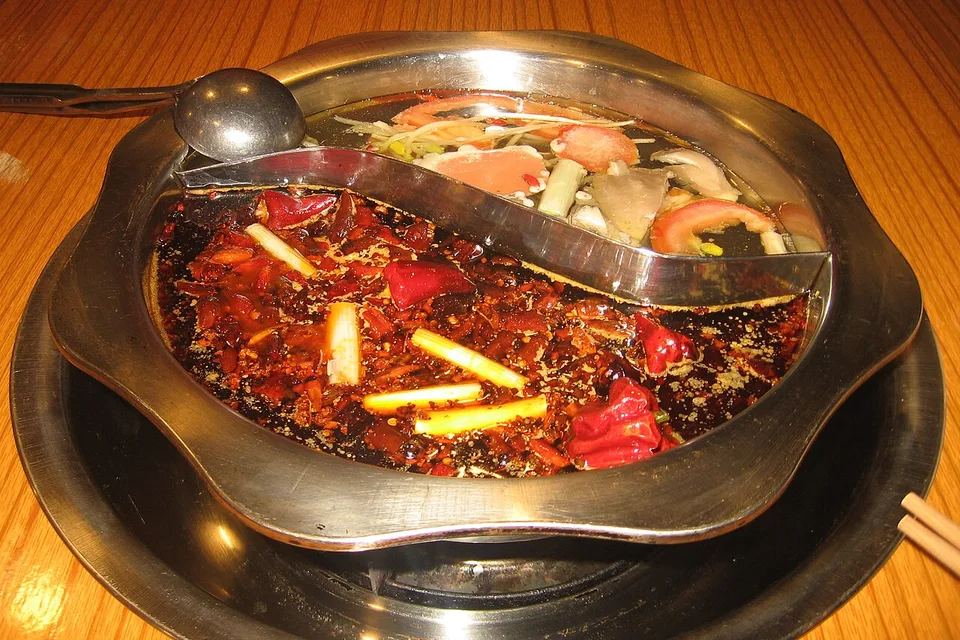
What specialities to bring from Chongqing? Hotpot base, Fuling zhacai, Chen mahua, Hechuan peach slices, Yongchuan douchi and Chengkou cured meat—origin and buying tips are all here.
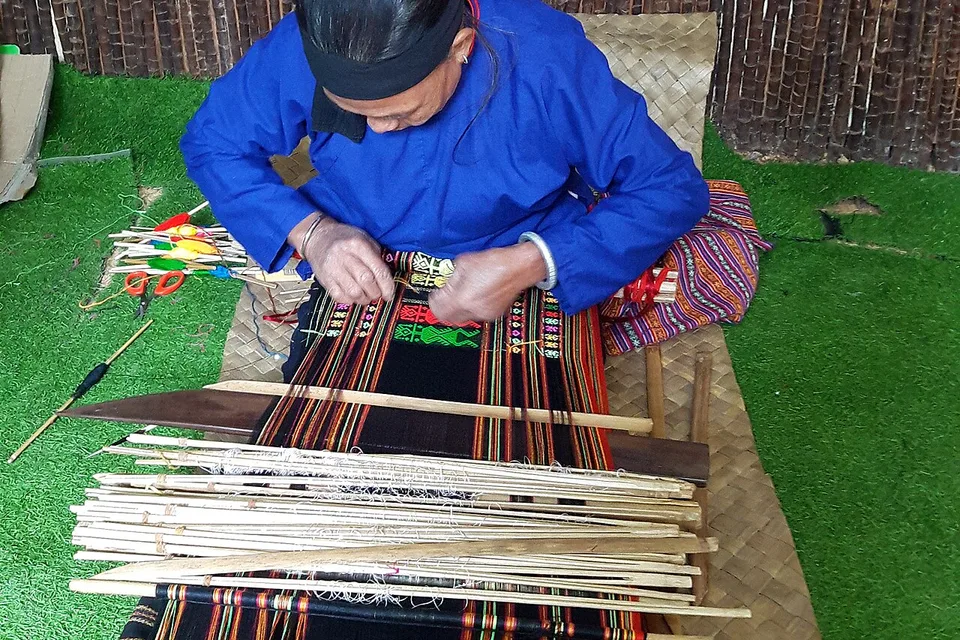
The creative bedrock of Hainan is Li brocade, coconut carving and the ocean. Where to find the Hainan Provincial Museum's shipwreck and marine IP, Li-brocade redesigns and coconut-carving craft, and how to choose—all here.
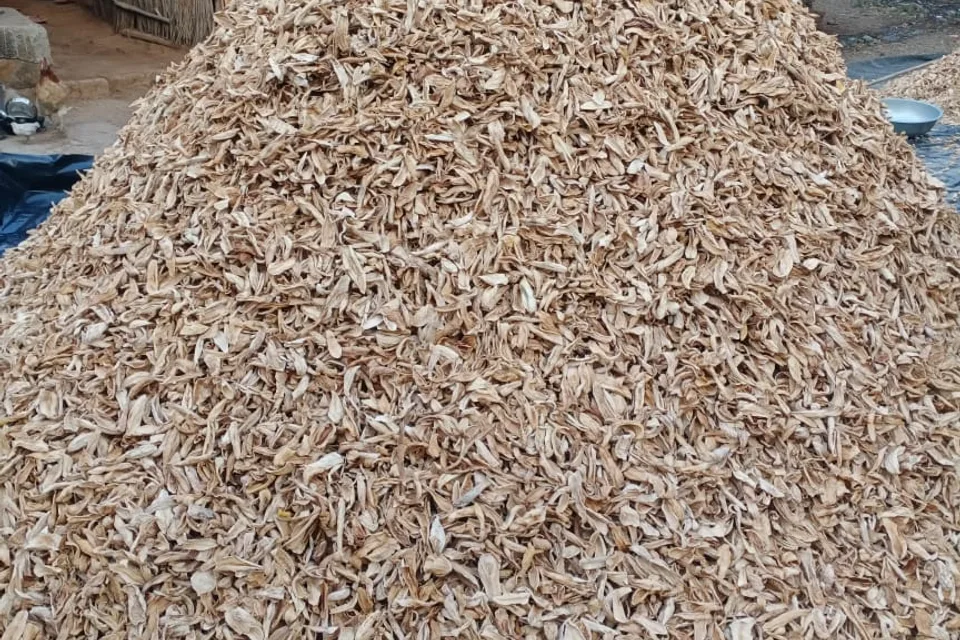
How to pick souvenirs from Hainan? Coconut sugar and powder, yellow lantern chilli sauce, Xinglong coffee, pepper and dried seafood—how to combine them by recipient, all in this guide.

What specialities to bring from Hainan? Coconut sugar and milk powder, yellow lantern chilli sauce, Xinglong coffee, pepper, tropical dried fruit and dried seafood—origin and buying tips are all here.
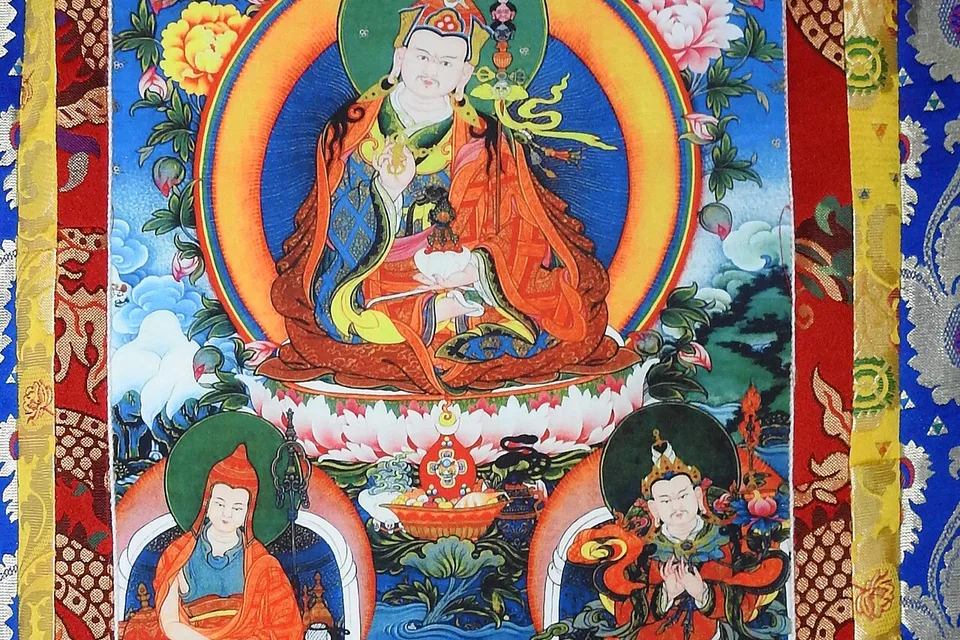
The creative bedrock of Qinghai is Regong thangka, Liuwan painted pottery and the Tibetan antelope. Where to find cultural-venue, Tongren painting-village and eco merchandise in Xining, and how to choose—all here.
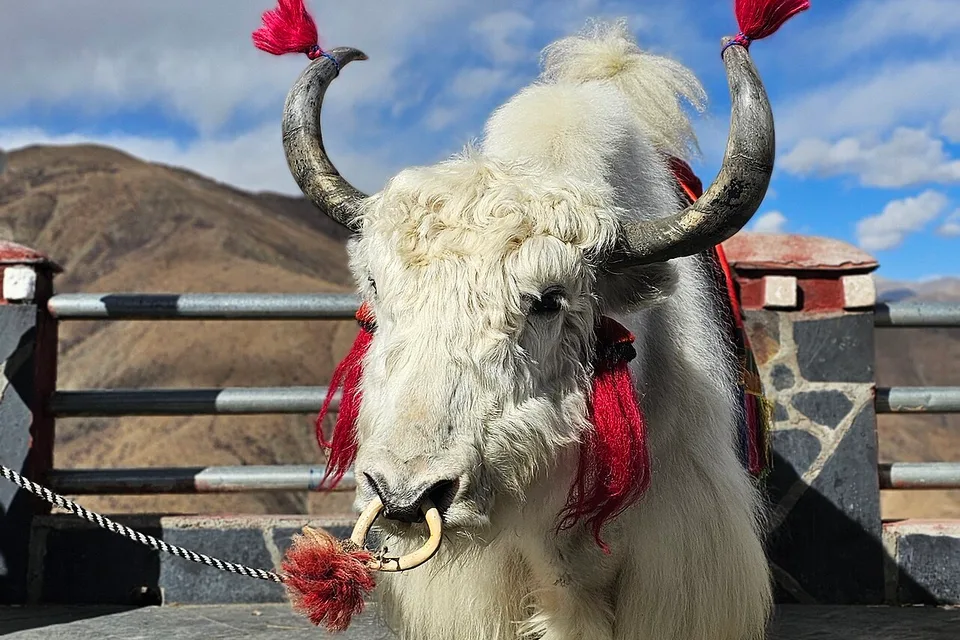
How to pick souvenirs from Qinghai? Black goji, yak jerky, barley instant drinks, honey and vinegar—how to combine them by recipient, all in this guide.
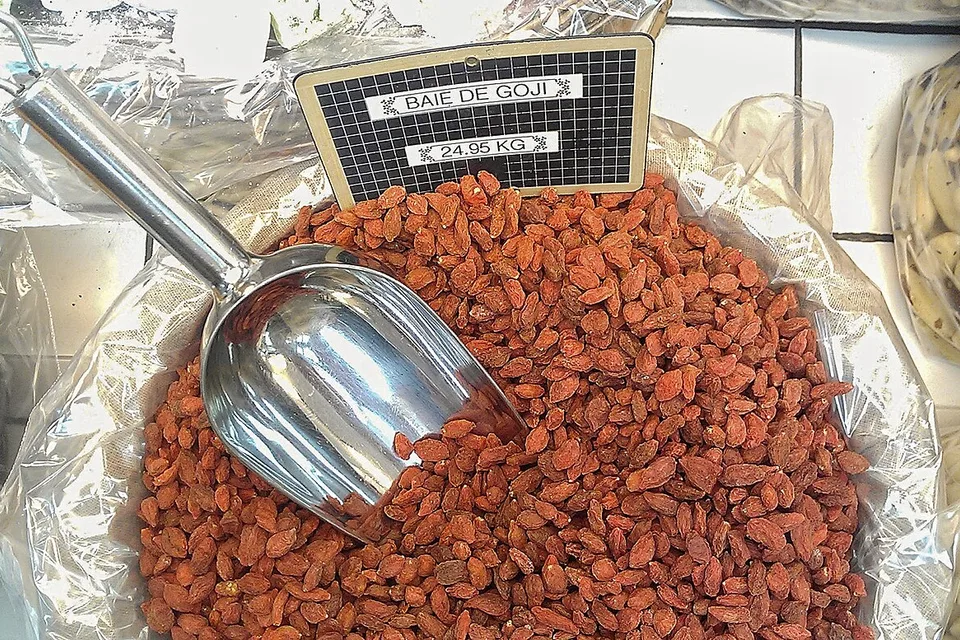
What to bring from Qinghai? Qaidam goji berries and black goji, yak jerky, barley products, Menyuan honey and Huangyuan vinegar—plus how to buy the price-sensitive cordyceps—all in this guide.
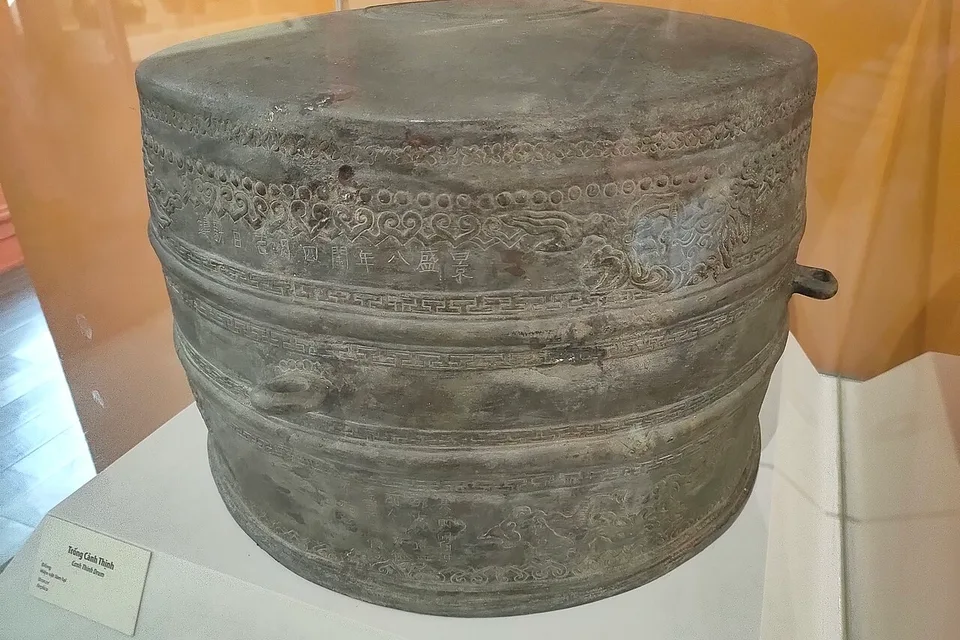
The creative bedrock of Guangxi is Huashan rock art, bronze drums and Zhuang brocade. Where to find the Guangxi Museum's collection derivatives, Zuojiang Huashan rock-art and Zhuang-brocade/embroidered-ball merchandise, and how to choose—all here.
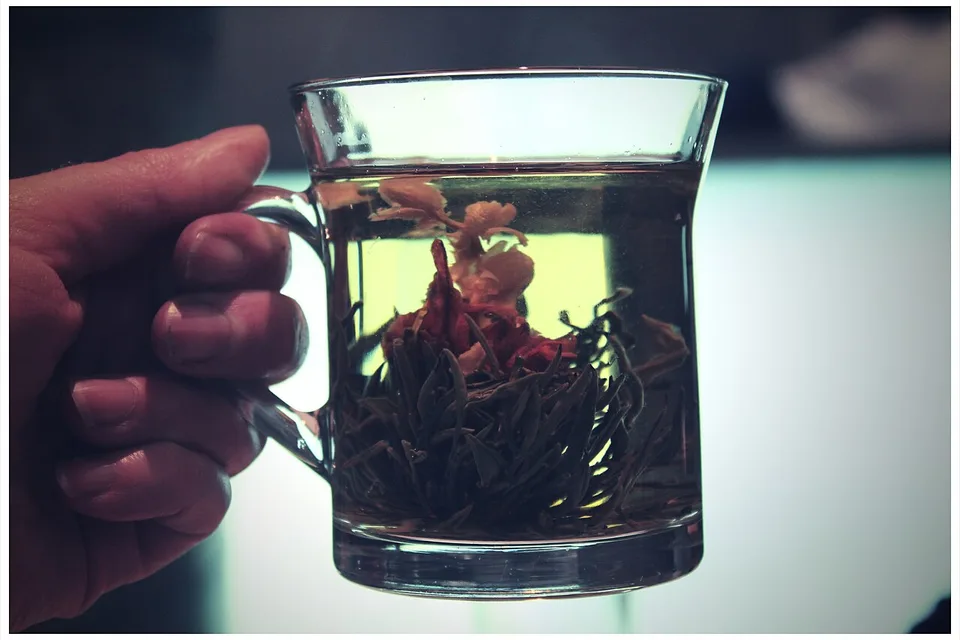
How to pick souvenirs from Guangxi? Luosifen, jasmine tea and Liubao tea, luo han guo, Guilin rice noodles and dried seafood—how to combine them by recipient, all in this guide.
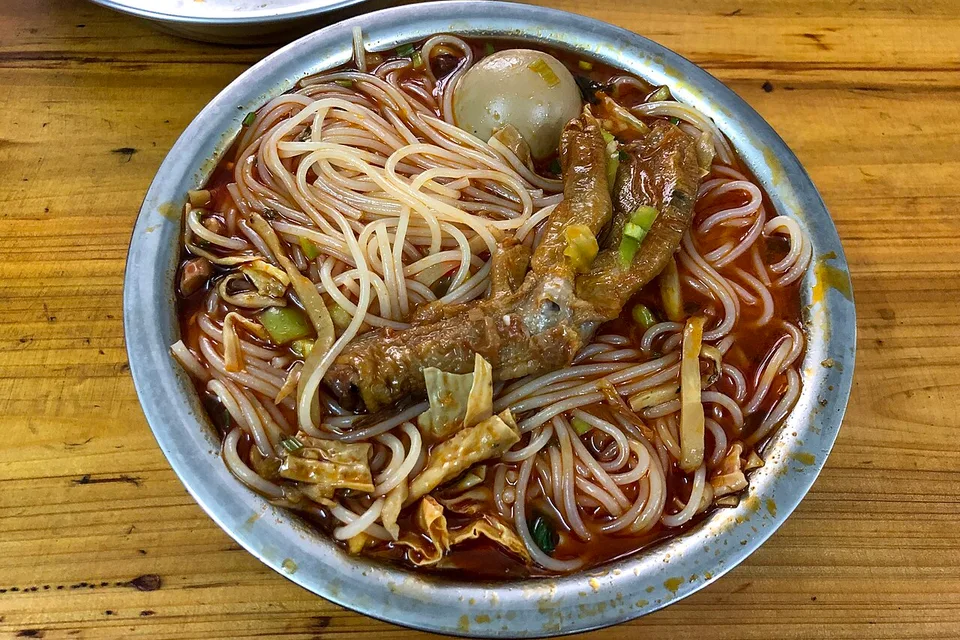
What specialities to bring from Guangxi? Liuzhou luosifen, Guilin rice noodles, Hengxian jasmine tea, Wuzhou Liubao tea, luo han guo and Beihai dried seafood—origin and buying tips are all in this guide.
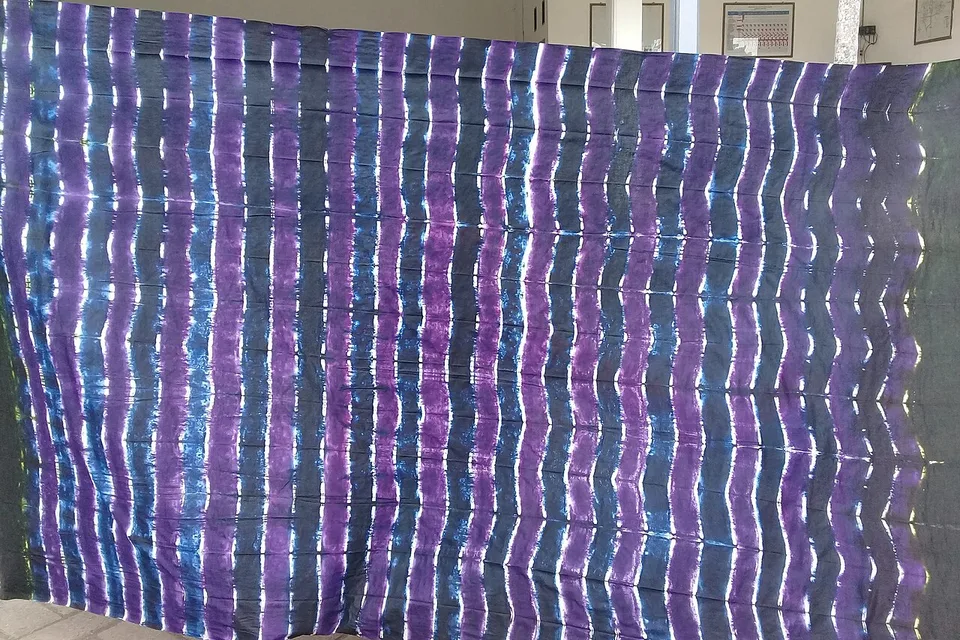
The creative bedrock of Yunnan is ancient-Dian bronze, Bai tie-dye and Naxi Dongba culture. How to choose provincial-museum derivatives, tie-dye redesigns and Dongba-script objects—all here.
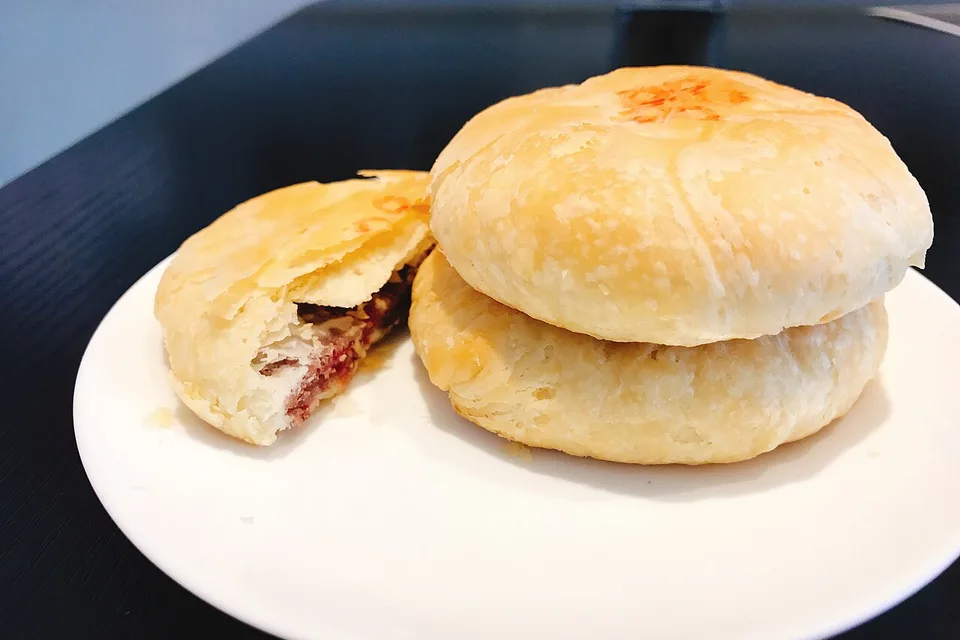
How to pick souvenirs from Yunnan? Flower cakes, arabica coffee beans, small Pu-erh cakes and Dianhong, Xuanwei ham slices and tie-dye fabric—how to combine them by recipient and occasion, all in this guide.

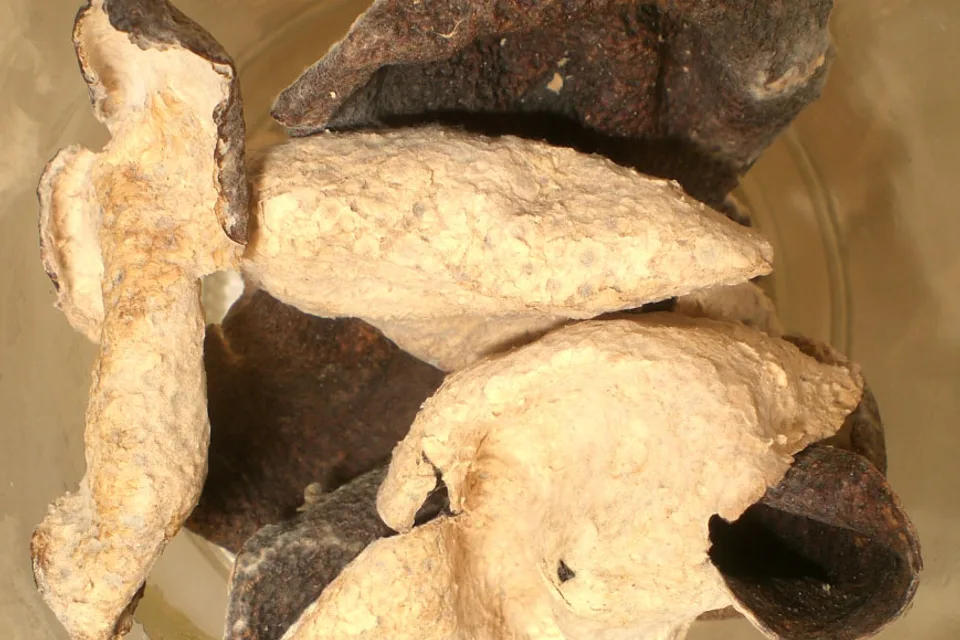
What to bring from Yunnan? Flower cakes, Xuanwei ham, Yunnan arabica coffee, Pu-erh tea, dried wild mushrooms and traditional brown sugar—origin, channel and freshness tips are all here.
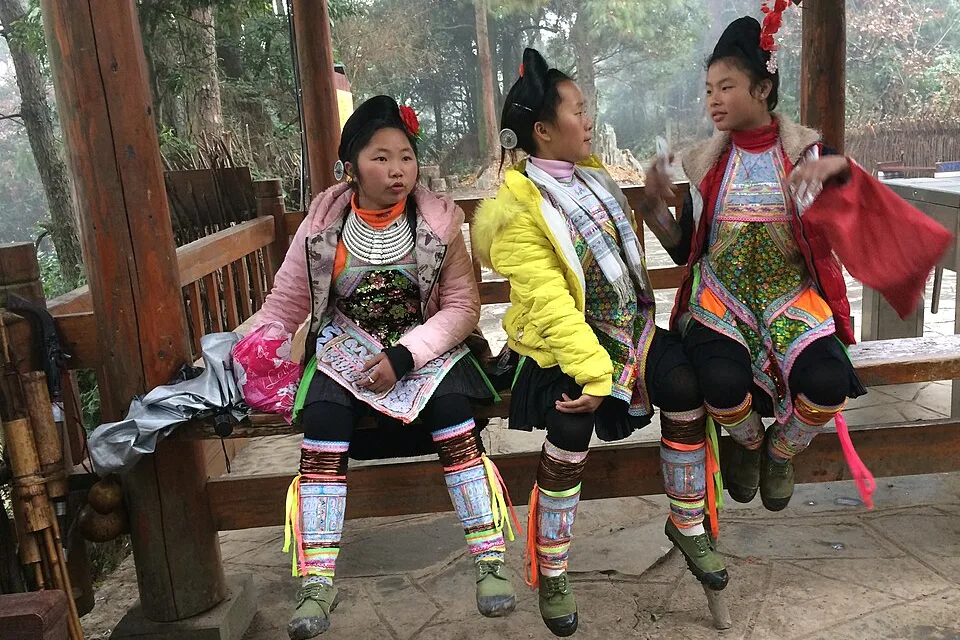
The creative bedrock of Guizhou is ethnic: Miao silver and batik, bronze-drum motifs and the Dong wind-and-rain bridges. This guide covers where to find Guizhou museum and scenic-area merchandise, and how to choose redesigned Miao-silver and batik pieces.
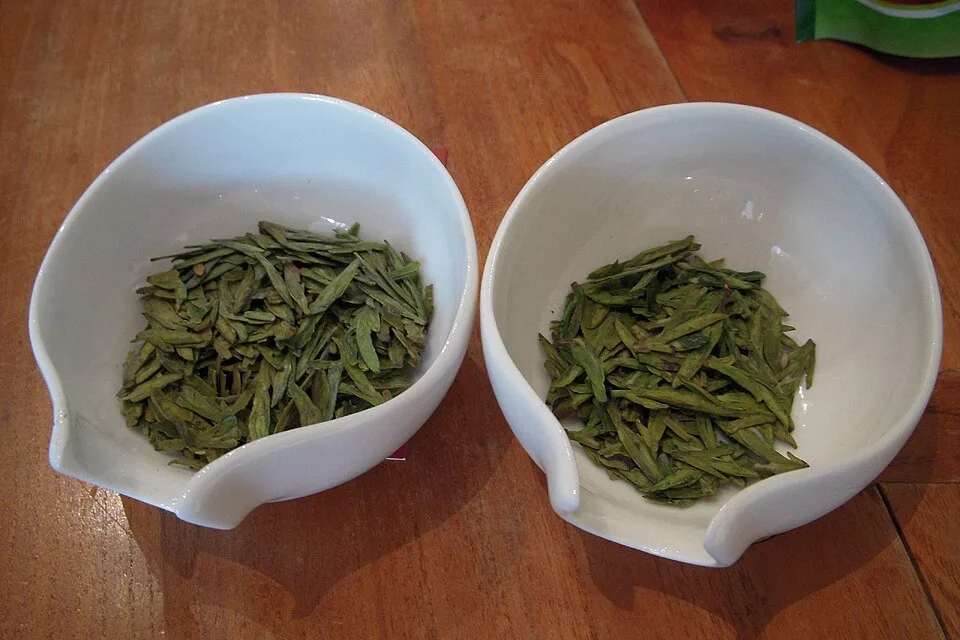
Coming back from Guizhou—what to give? Qian tea boxes, small tins of dried roxburgh rose and juice, Lao Gan Ma and hu chilli, sour-soup base and batik scarves—how to combine and pick by recipient, all here.
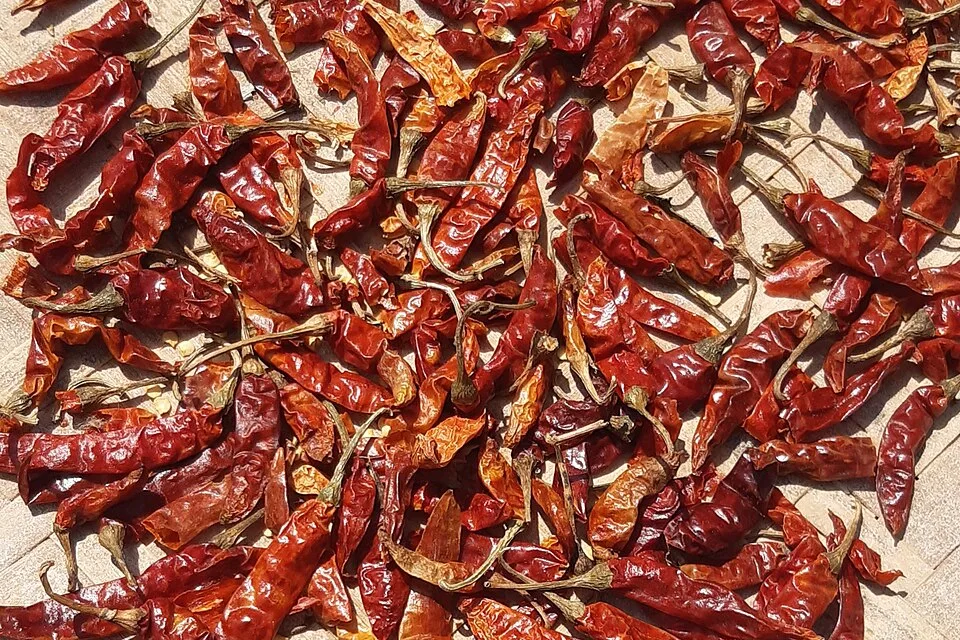
What specialities to bring from Guizhou? Lao Gan Ma and chilli oil, Kaili sour-soup base, Zunyi chillies, dried roxburgh rose and its juice, Duyun Maojian and Meitan Cuiya, Zhijin bamboo fungus and Xingren coix seed—origin and channel tips are all here.
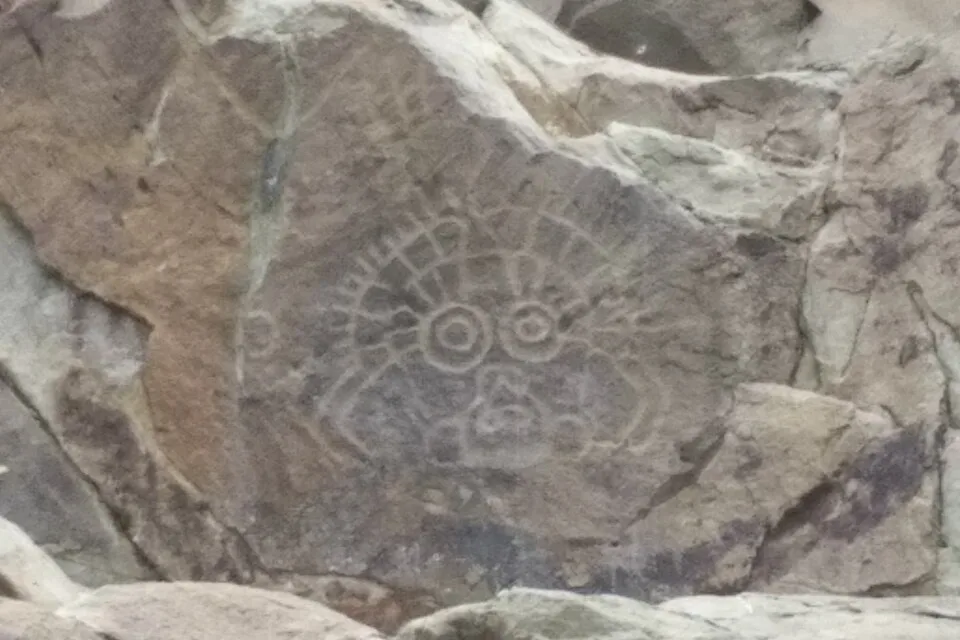
Ningxia's museum IP includes the Helan Mountain rock art, the Western Xia royal tombs and the Ningxia Museum collection. This guide covers where to find rock-art and Tangut-element merchandise, and which forms are worth collecting.
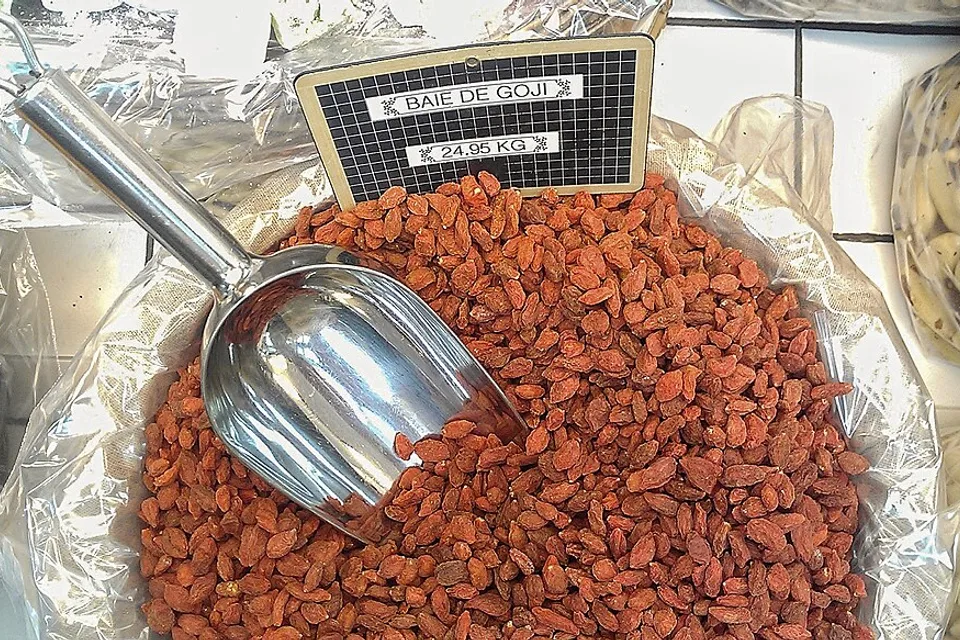
Bringing gifts from Ningxia: Zhongning goji gift boxes, eight-treasure tea, eastern-Helan wine and long-date boxes—how to combine them by recipient and verify origin and packaging, all here.
What specialities to bring from Ningxia? Zhongning goji berries, eight-treasure tea, eastern-Helan wine, Lingwu long dates and Tan lamb (cold chain)—how to verify origins and how to carry wine and dried goods, all here.
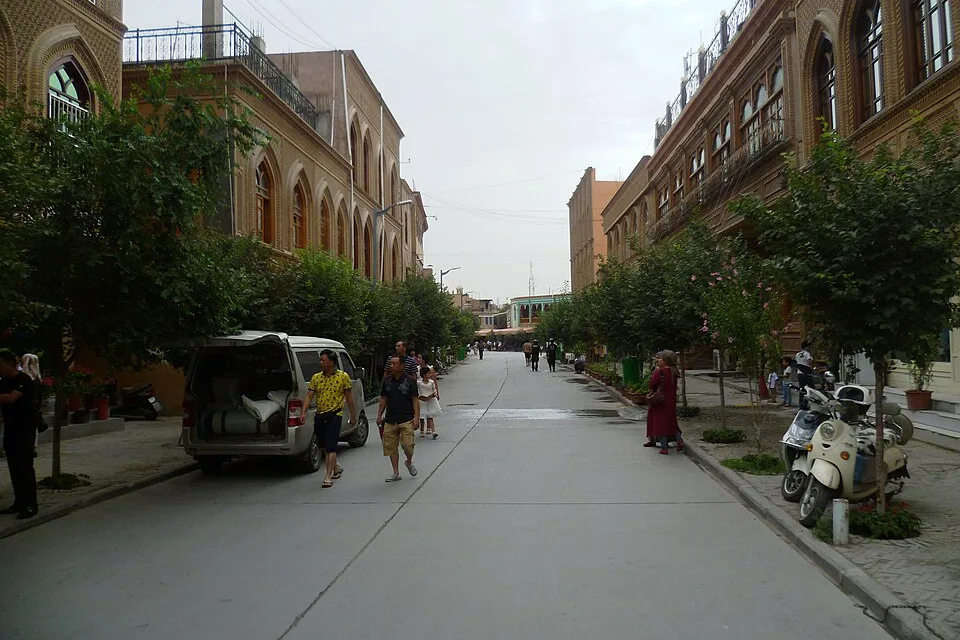
Xinjiang's creative blueprints are highly varied: Kucha murals, Loulan silk, Turpan grapes and the doors and windows of Kashgar's old city. This guide covers where to find Xinjiang museum and scenic-area merchandise, and which motifs and forms are worth collecting.
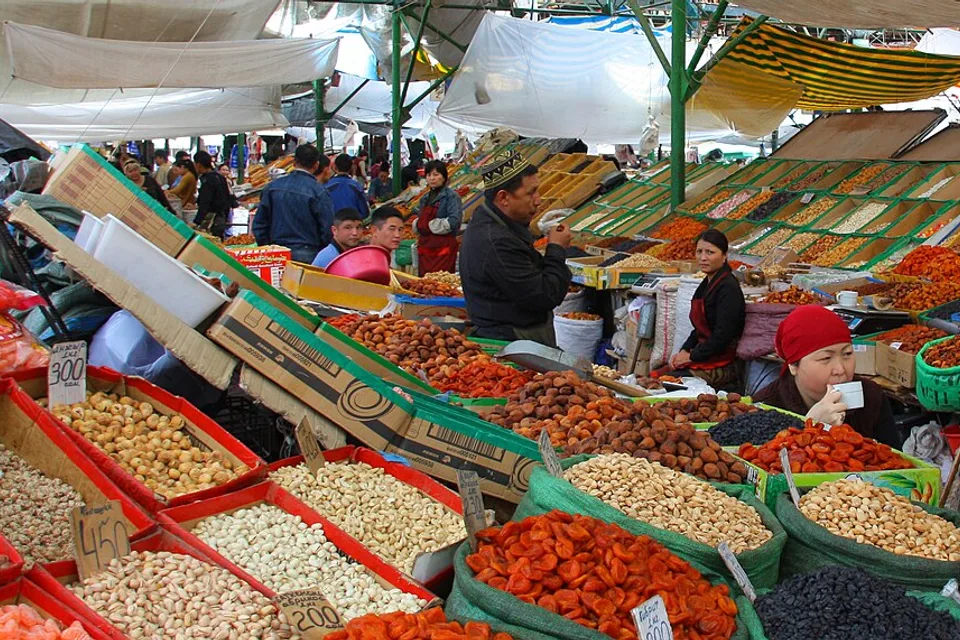
Coming back from Xinjiang—what to give? Dried-fruit gift boxes, snow chrysanthemum and lavender items, small embroidered caps and adras silk—how to combine them by recipient and verify materials and authenticity, all here.
What to bring from Xinjiang? Turpan raisins, Ruoqiang red dates, paper-shell almonds, dried figs, Aksu apples and Hami melons (in-season fresh fruit), plus snow chrysanthemum and lavender products—origin, season and carrying tips are all here.
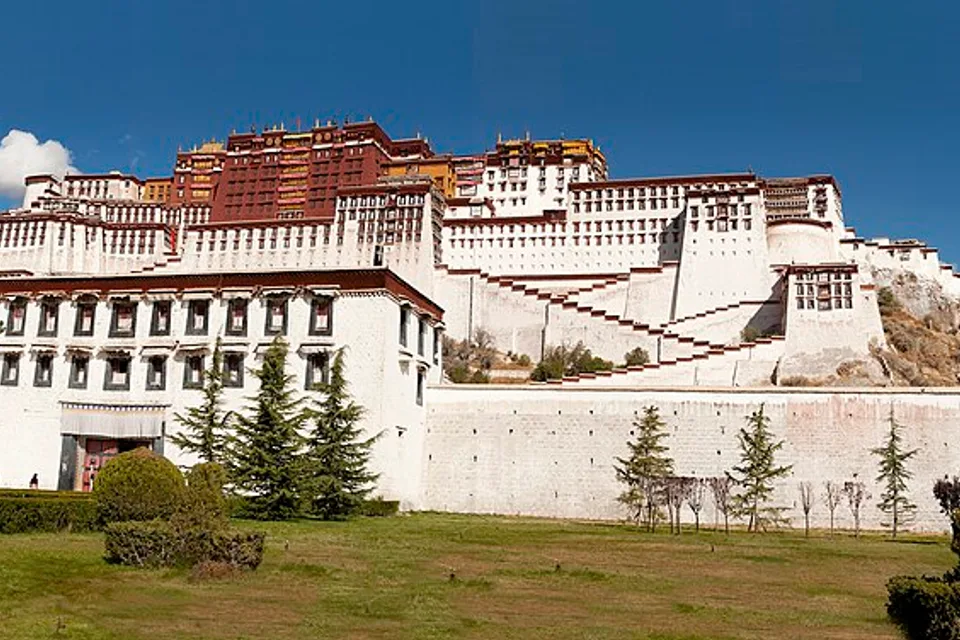
Tibet's creative products live in the official shops of the Potala Palace and Jokhang Temple: palace and mural elements, eight auspicious symbols, Tibetan-script bookmarks... This guide covers where to find Tibet creative souvenirs and how to verify licensing.
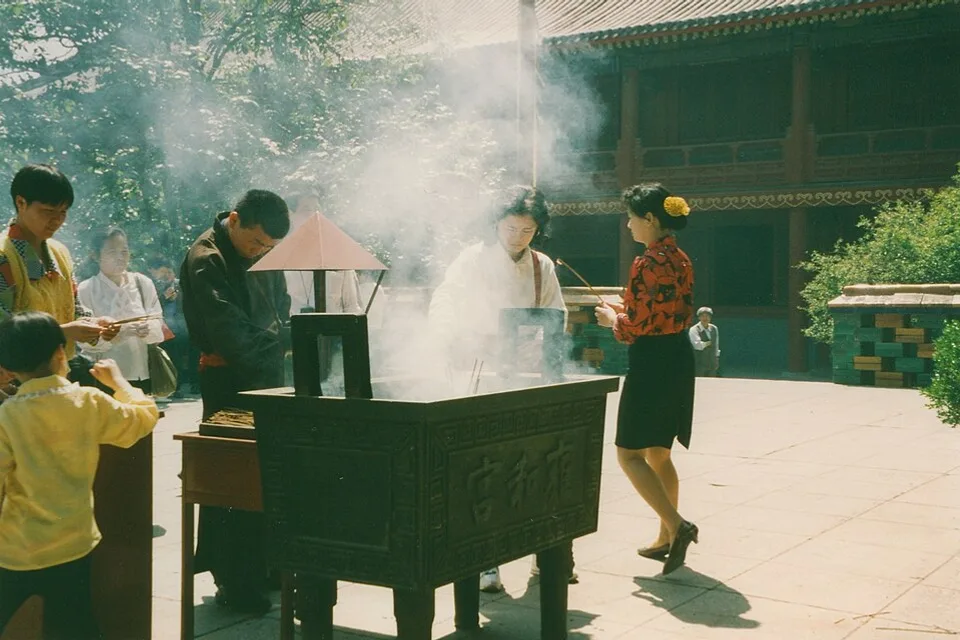
Coming back from Tibet—what to give? Tibetan incense, barley tea, butter/sweet tea, puglu scarves and auspicious-knot accessories—how to pick by recipient and which ones need authenticity checks, all here.
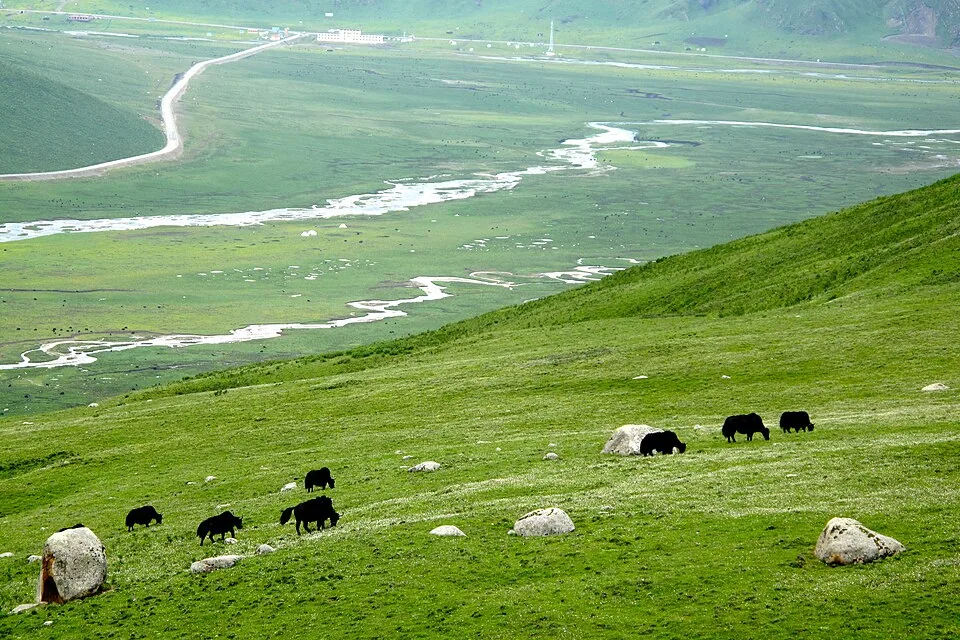
What specialities to bring from Tibet? Yak jerky, highland barley (tsampa/barley tea), butter tea and sweet tea, saffron and dried wild mushrooms—how to buy and carry these highland ingredients, with origin and channel tips in this guide.
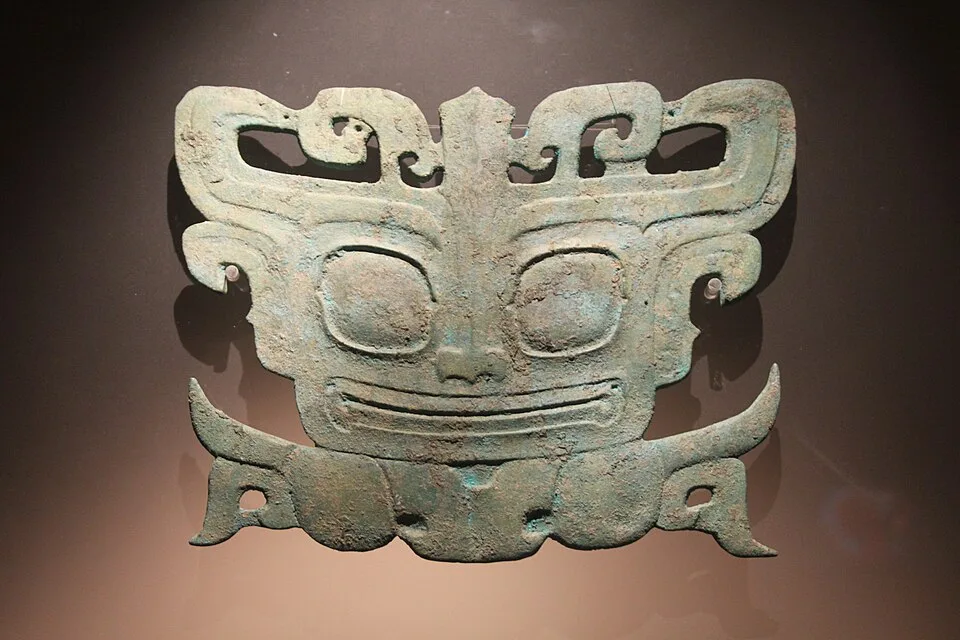
Sichuan's museum IP heavyweights are Sanxingdui, the Jinsha sun bird and the giant panda, joined by Sichuan-opera masks, Shu embroidery/brocade, lacquerware and bamboo weaving. This guide covers, by IP, where to find Sichuan creative souvenirs and which forms are worth taking home.
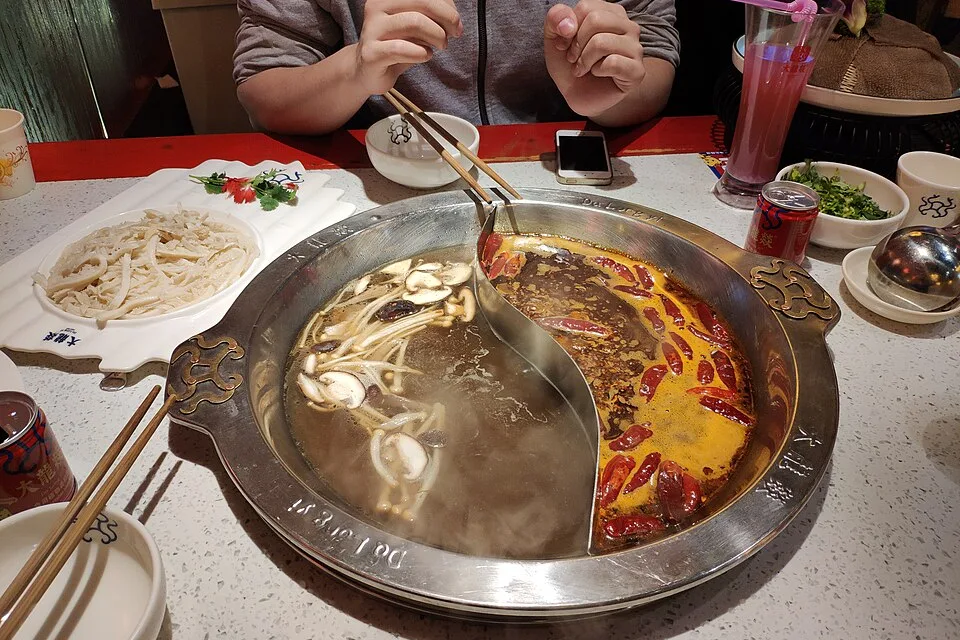
Coming back from Sichuan—what makes a presentable gift? Small tins of Sichuan tea, Pixian douban, individually packed Zhangfei/dengying beef, hotpot base, Baoning vinegar and Sichuan pastries—how to combine them by recipient and how to pick the box, all here.
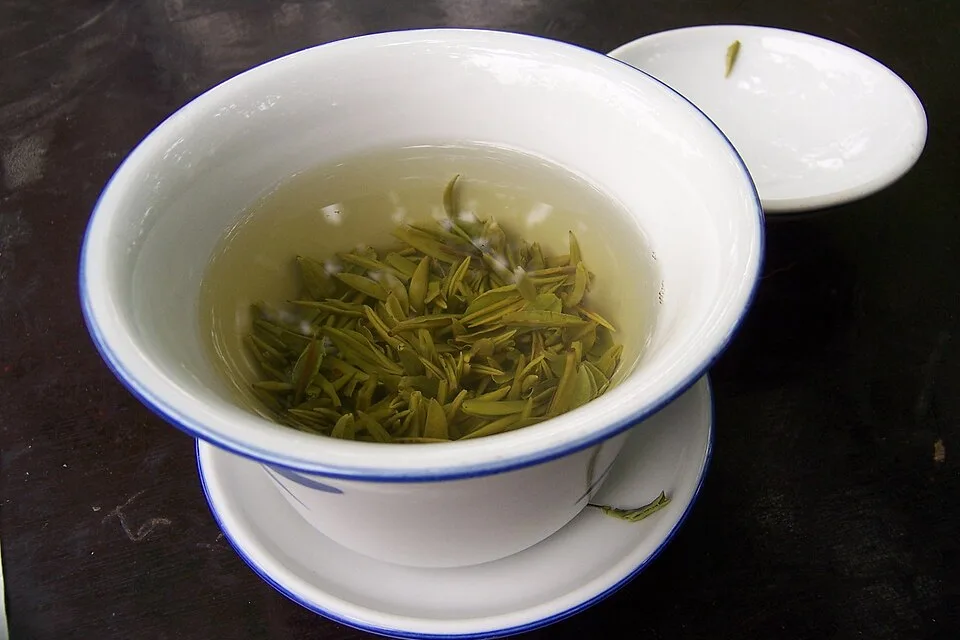
Want to leave Sichuan with the right specialities: Pixian douban paste, Hanyuan Sichuan pepper, dengying beef, Zhangfei beef, Zigong cold rabbit, Meishan pickles, Mengding tea and Sichuan liquor—how to verify each origin, and how to handle vacuum packs and checked luggage? It's all in this guide.
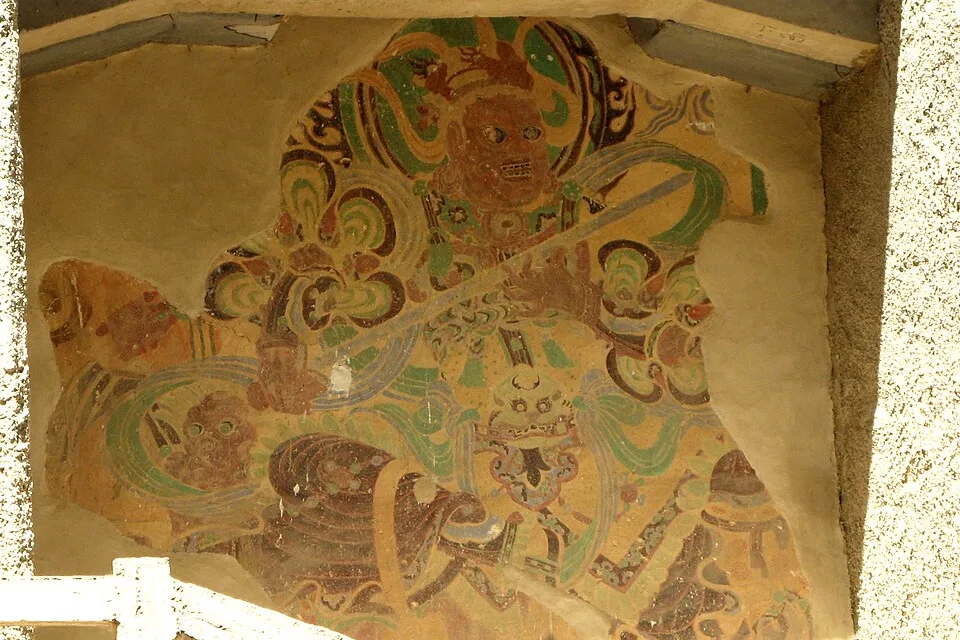
Gansu's museum IP is a national goldmine: Mogao grottoes' flying apsaras, the provincial museum's bronze galloping horse, Han wooden slips, Maijishan sculptures, rock art... This guide covers where to see and how to choose Gansu creative souvenirs, and which forms are worth collecting.

Coming back from Gansu to give friends and elders a gift—what is presentable and won't miss the mark? This guide lists light gift-box options by recipient: Lanzhou lily gift boxes, Kushui rose tea, Li Guangxing dried apricots, Sanpaotai eight-treasure tea and Hexi black goji berries, with buying, packaging and carrying tips.

Planning a trip to Gansu and want to bring home genuine local products: how do you buy and carry Lanzhou sweet lily, Dunhuang Li Guangxing dried apricots, Kushui rose, Longnan Sichuan pepper and Gannan yak jerky? This guide lists locals' real picks by category, with origin and season notes.
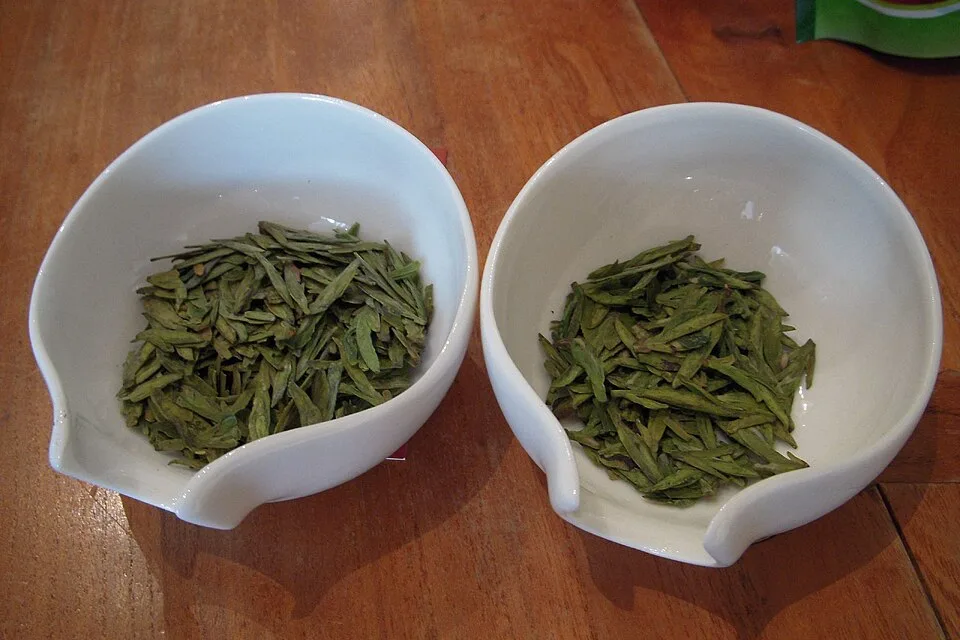
What should you bring back from a trip? This nationwide gift, specialty and souvenir list outlines representative gift boxes and items by region, explains how to choose for elders, colleagues and foreign friends, and gives practical tips on local channels, airport luggage rules, shelf life and avoiding fakes.
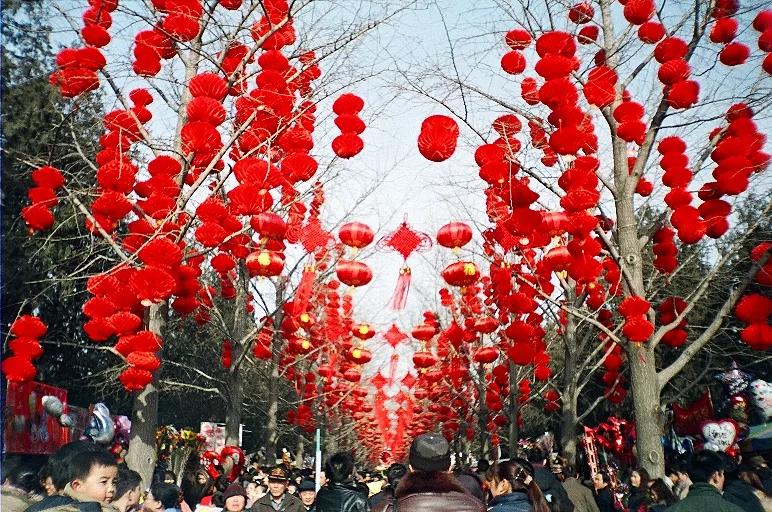
Want to spend the Spring Festival in China? This guide shows a first-time visitor how to fit 'one New Year's Eve dinner + one temple fair + one lantern festival' into 5-7 days. In short: the Spring Festival travel rush, shifting opening hours, fireworks restrictions and etiquette taboos are the four things to get right. It is a practical guide to the rhythm and etiquette of Chinese New Year.
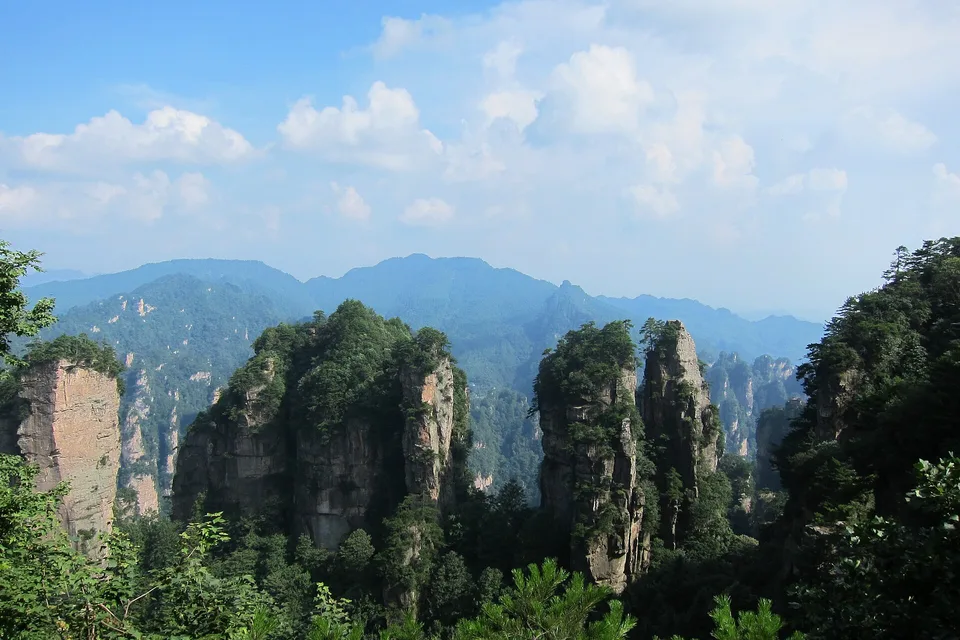
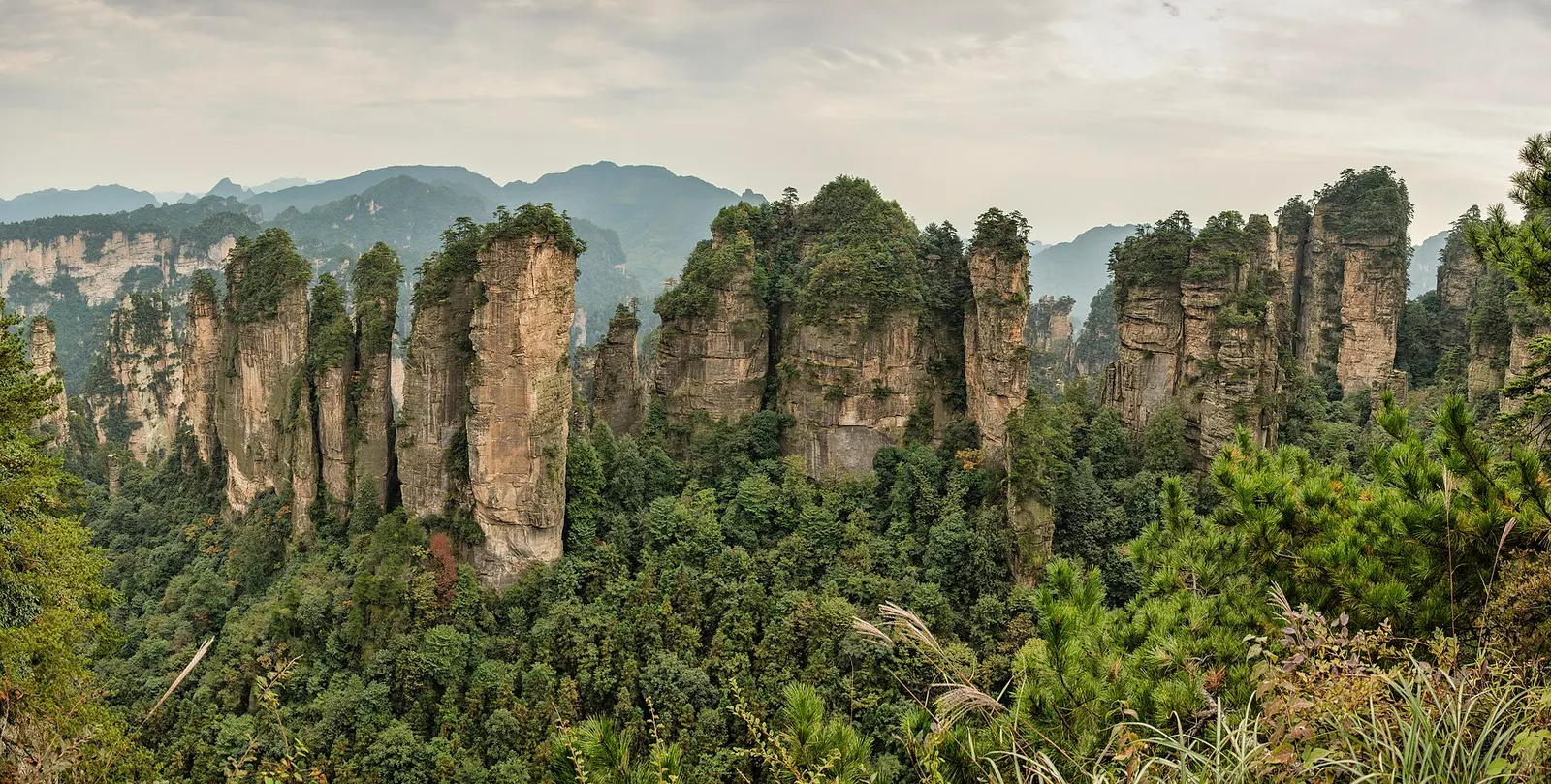
Want to see a natural wonder on a first trip to China? Here is how to plan Zhangjiajie in 4 days: two core days in Zhangjiajie National Forest Park (with Tianmen Mountain or Huanglong Cave as the pick), then one to two extra days for the Li River in Guilin or the old town of Fenghuang. This guide lays out the 4-day skeleton, the 5-6 day combination that adds Guilin, and the booking rules, glass-bridge limits and English services.
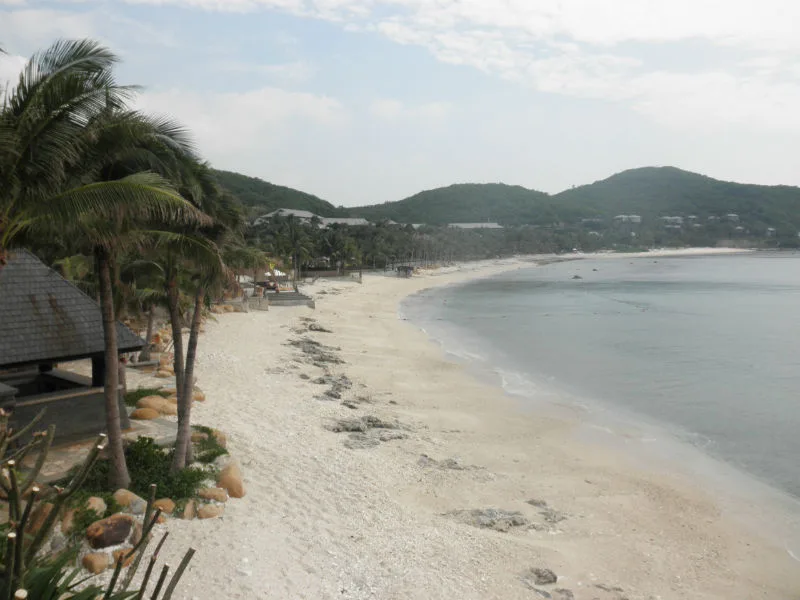
Planning a winter-break trip to Sanya with a child under 3, or one just learning to walk - how do you fill 5 days without exhausting everyone? This guide paces the trip around your child's rhythm: one outdoor highlight in the morning, a midday reset back at the room or in a restaurant, and a short outing in the early evening. It walks you through sun and mosquito protection, beach safety for little ones, choosing a stroller, hotel childcare, and how all of this differs from a three-generation trip.

Are flights and hotels to Sanya over Spring Festival genuinely pricey, or is the internet exaggerating? Bottom line: New Year's Eve to the third day of the first lunar month is the most expensive stretch of the year; shift your dates to the week before New Year's Eve or after the fifth day, and prices come down 30-50%. This article breaks down the costs of flights, hotels, car rental and dining, and offers three alternative routes.
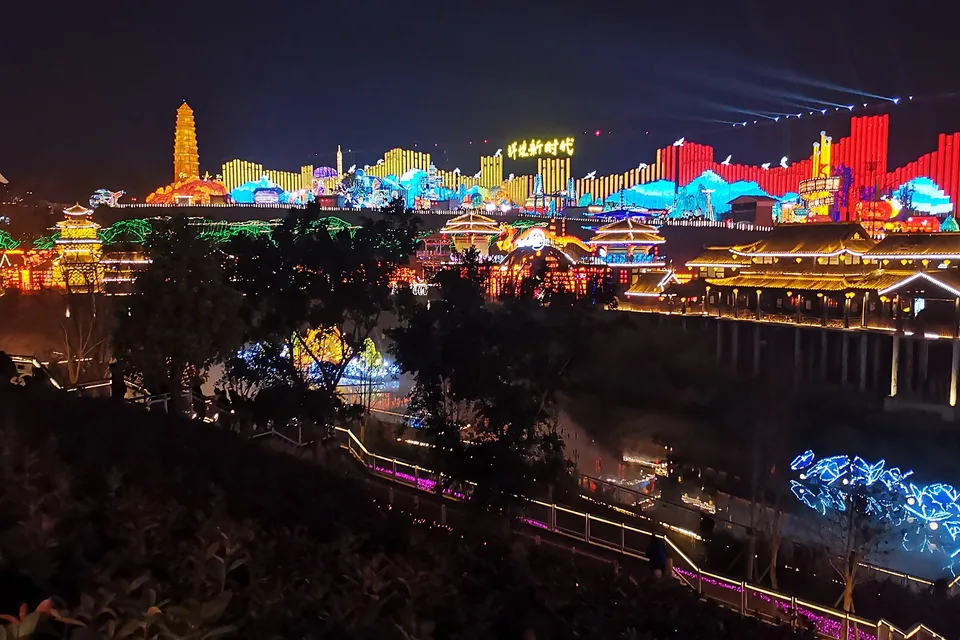
Heard the Zigong Lantern Festival is the pinnacle of China's lantern shows - is it really worth a dedicated trip? This article lays out both routes, a '2-day trip purely for the lanterns' and a '3-day Chengdu + Zigong combination', covering tickets, opening hours, the best time to go and a value-for-money comparison between the lantern festival and the sights around Chengdu.
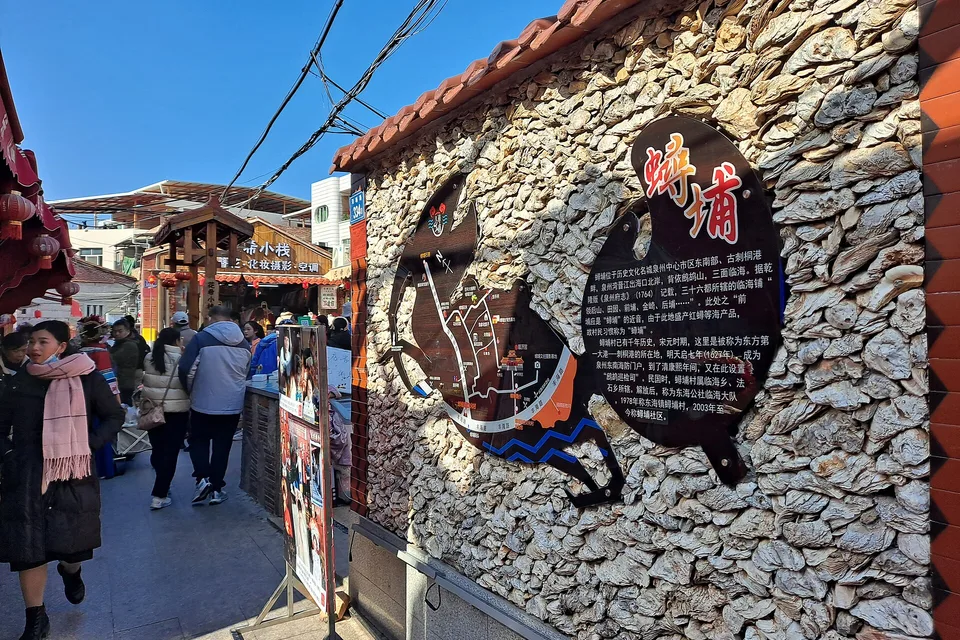
Planning a Spring Festival trip to Quanzhou for Xunpu's zanhua flower-headdress styling, Kaiyuan Temple, West Street and the Maritime Silk Road relics? The short answer: three to four days is a comfortable pace, and from the first to the fifth day of the first lunar month is the window when the Minnan New Year atmosphere is at its strongest. This guide lays out a route built around three blocks - the old-town core, the Maritime Silk Road and Xunpu - and explains booking, styling prices, tide-timed photos and Spring Festival opening hours.
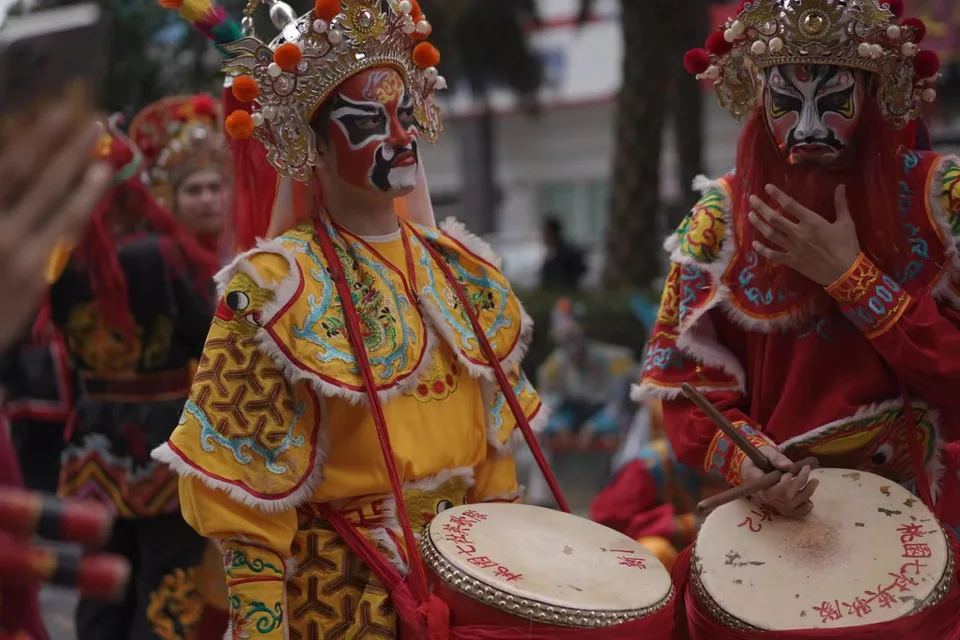
Thinking of visiting Chaoshan over Spring Festival for the Yingge dance, beef hotpot and gongfu tea? The short version: Yingge parades are concentrated from the first to the fifth day of the lunar New Year. This article covers how to link the three cities of Shantou, Chaozhou and Jieyang, how to structure a 3-day skeleton, and how to add Chaozhou opera and a night stroll on the Memorial Arch Street.
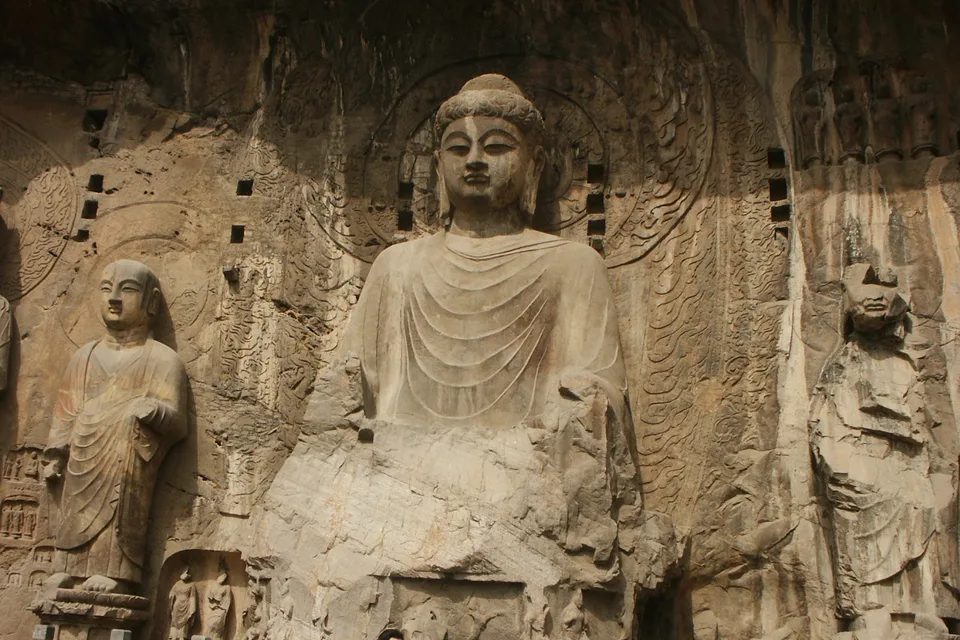
Planning an educational study tour of Luoyang with children? How do you string together the Longmen Grottoes, the Luoyang Museum, the Erlitou Site of the Xia Capital and the Luoyang Ancient Tombs Museum without tiring everyone out? This guide offers two routes by the child's age - a primary-school version (with interaction and guided explanation) and a middle-school version (focused on historical depth) - and explains booking, walking intensity and the right order for the venues.
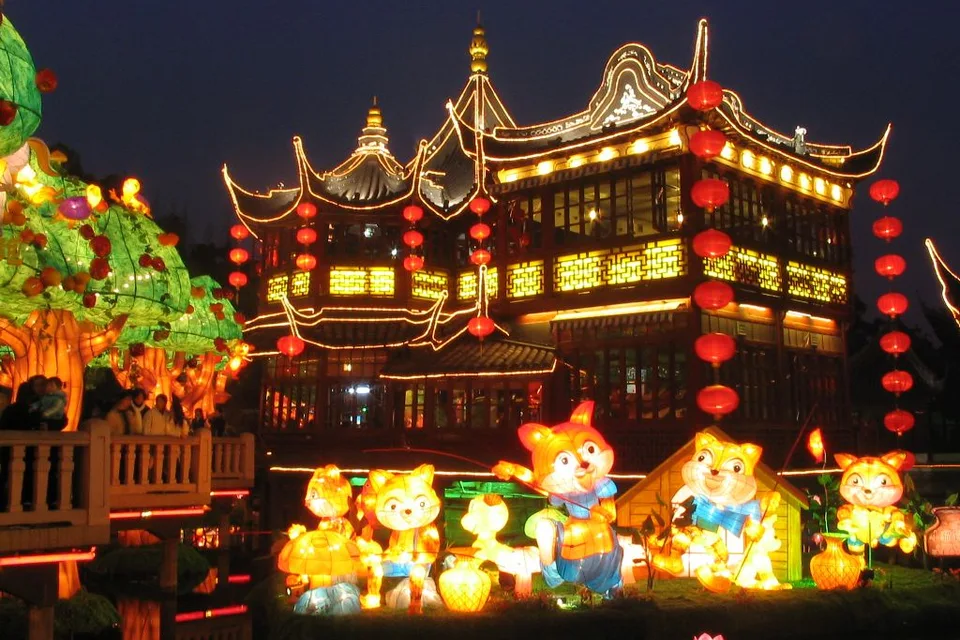
Travelling to Shanghai for Chinese New Year? This guide explains how to fit the Yuyuan Lantern Festival, the Bund and City God Temple into your days without getting stuck in the crowds - what to see, how to link the city's festive events, and how to avoid the worst of the queues. Opening times and tickets change every year, so always check the latest official announcements.
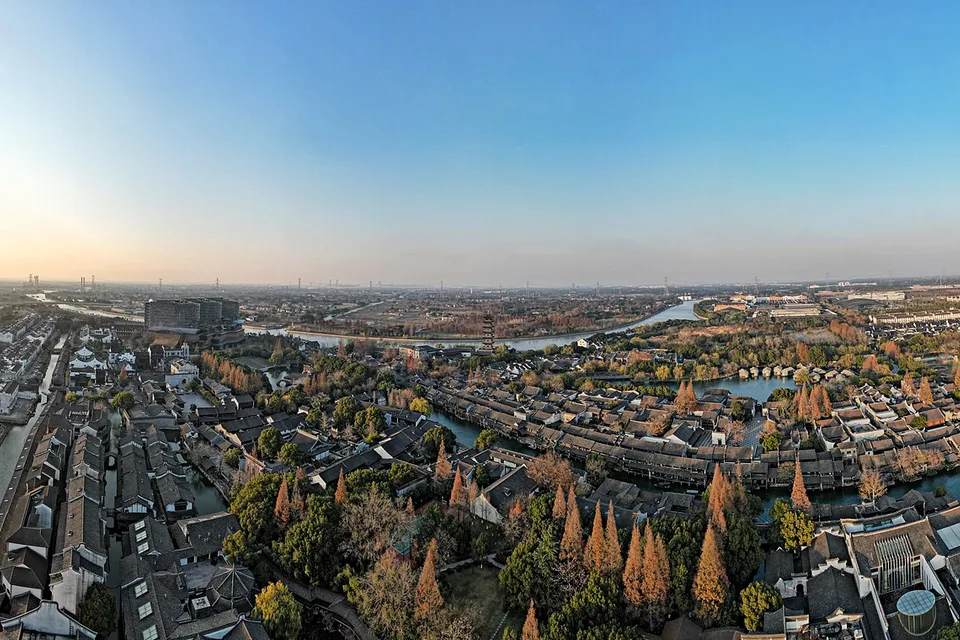
Planning your first trip to eastern China? Here is how to link Shanghai, Suzhou, Hangzhou and Wuzhen by high-speed rail over 5-7 days: fly in and out of Shanghai, give Suzhou and Hangzhou one to two days each, treat Wuzhen as a half-day water-town stop, and take high-speed rail for every intercity leg - with workable sequencing based on the latest official schedules and opening information.

Riding China's high-speed rail for the first time? This guide walks you through buying a ticket on 12306 with your passport, passing security and the boarding gates, and the rules on transfers and baggage - so nothing catches you out at the station.
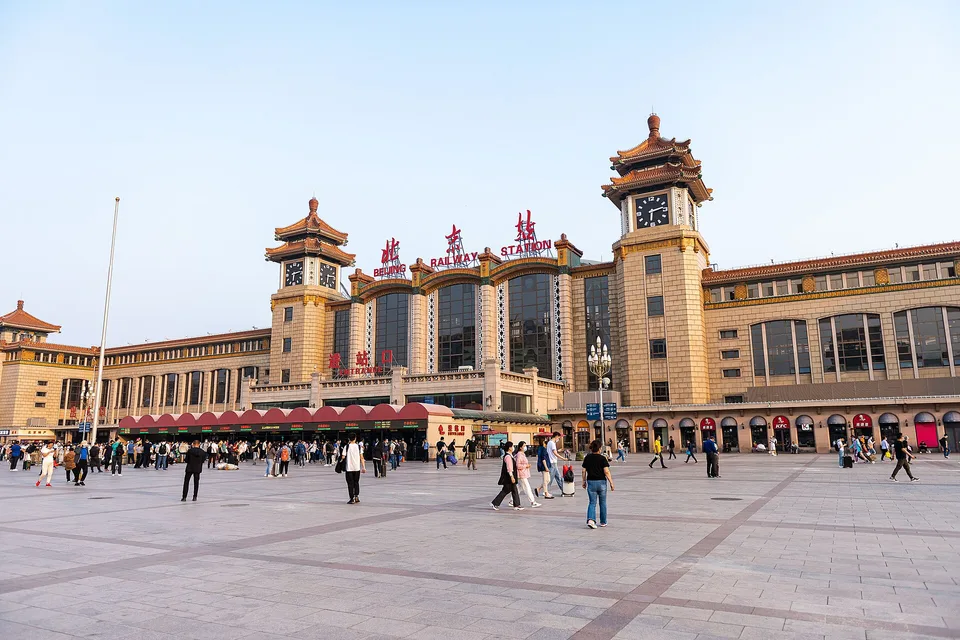
Coming to China for the winter break or Spring Festival for the first time? This checklist explains how to prepare visas, mobile payments, 12306 high-speed rail ticketing, translation and local connectivity ahead of arrival, all per the latest official guidelines, so you can settle the essentials in one go.
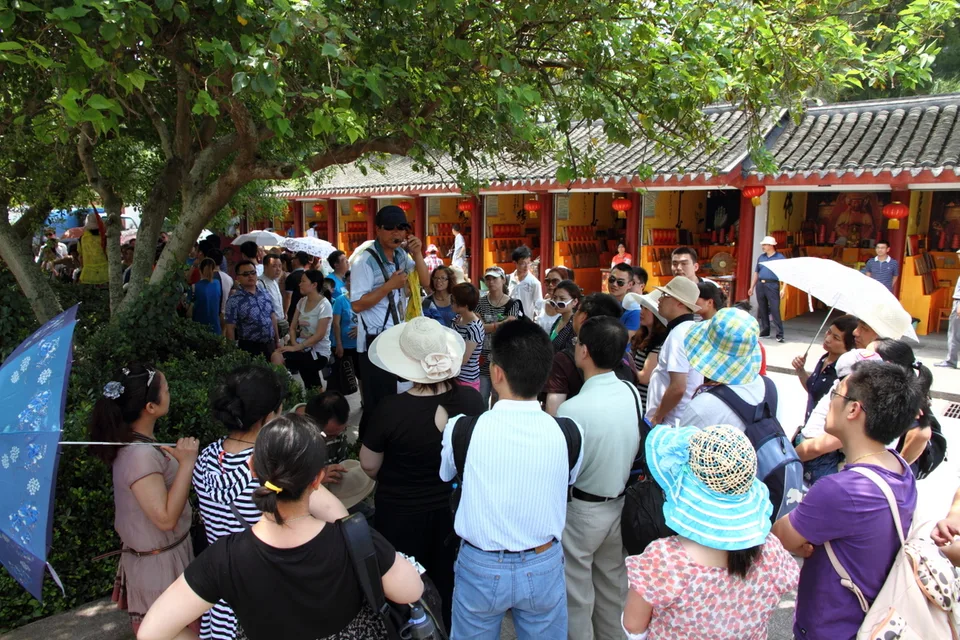
Planning a whole-family trip over the winter break - small group tour or independent travel? This guide gives you a decision framework based on who is going, how many days and where you are headed, and spells out the cost, ease and flexibility trade-offs of each option.
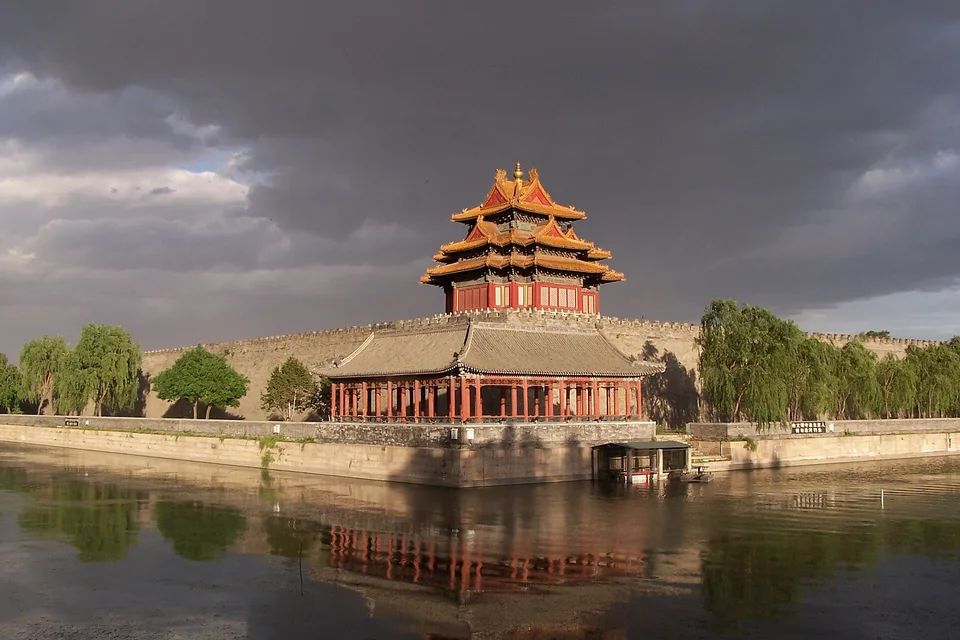
How many days do you need on a first trip to Beijing? This guide lays out 3-day, 5-day and 7-day itinerary skeletons with clear trade-off rules, explains which kind of traveller each length suits, how to pace each day, and which sights to keep or drop for which group.
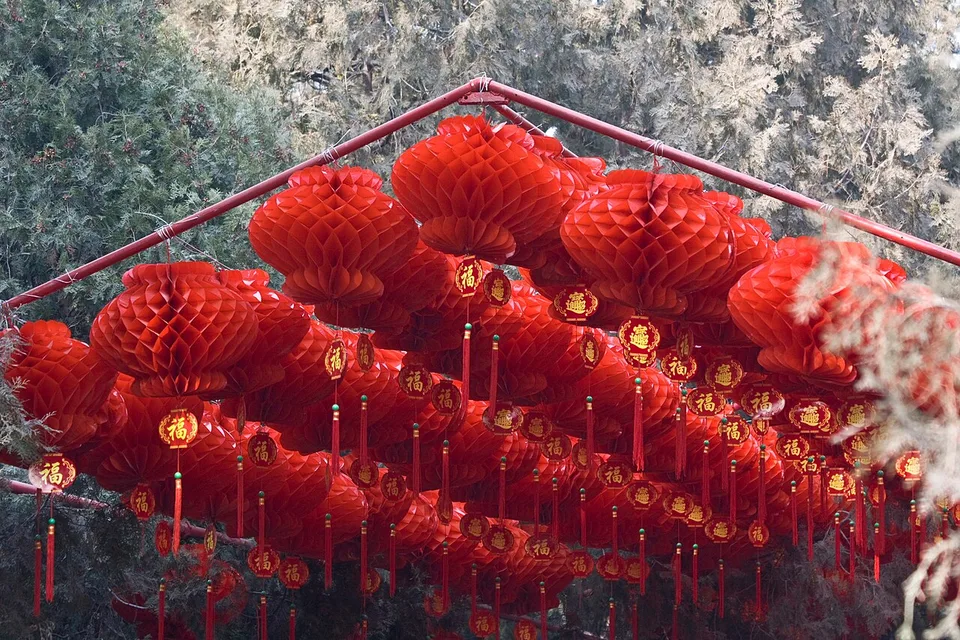
How do you choose among Beijing's Spring Festival temple fairs and avoid the worst crowds - the Ditan, Changdian and Longtan fairs among the imperial-city festive spots - what time of day is quieter, and what pace suits which kind of visitor?
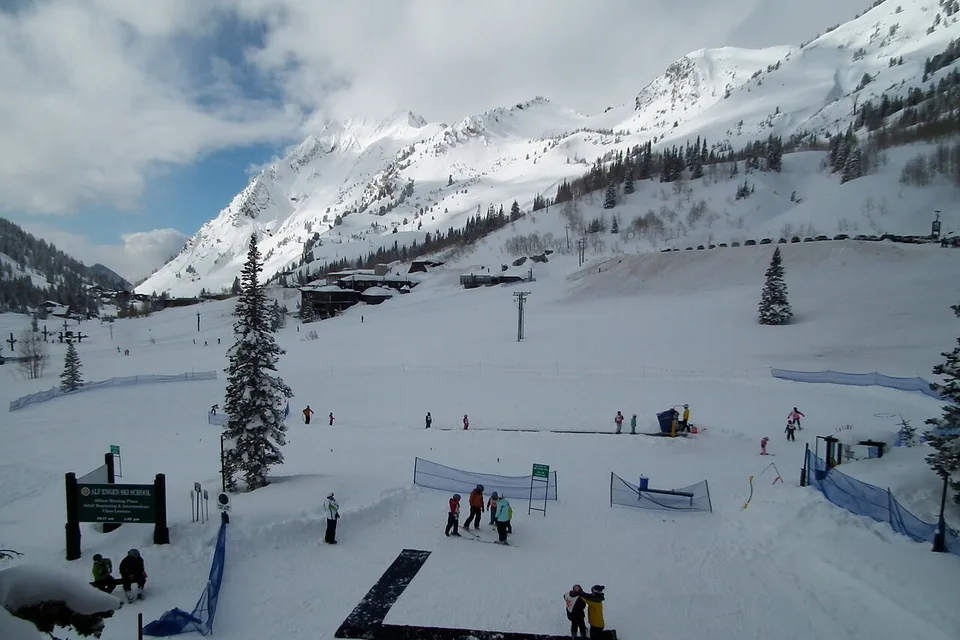
First-time skiers fear three things most: not knowing how to rent the equipment, not knowing the rules of the slope, and the risk of getting hurt. This guide explains how to rent ski clothing, goggles, gloves and helmets, how to behave on the piste and how to fall and get back up, how to use magic carpets and chairlifts, and which protective gear is worth renting - plus reminders about knowing your limits and what to keep in mind for a child's first ski trip.
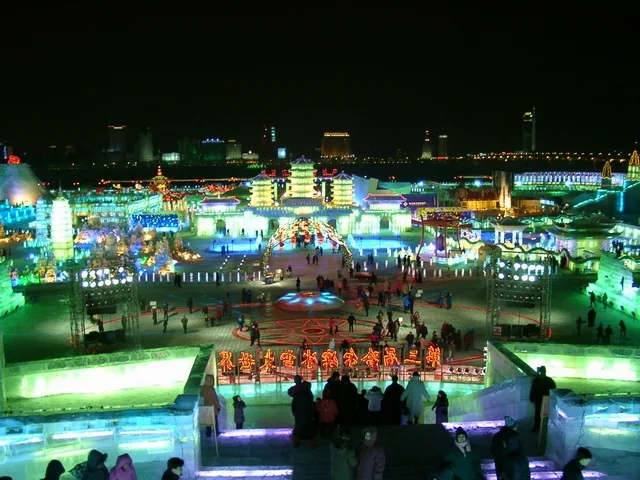
To shoot the night scenes of Harbin Ice and Snow World well, the keys are the blue hour, a wide-angle lens with a tripod, and going at quiet off-peak times. This article covers shooting spots at the Ice and Snow World, the Zhaolin Park ice lanterns and the Sun Island Snow Expo, phone night-settings, and reminders that warmth matters and opening information defers to the officials.
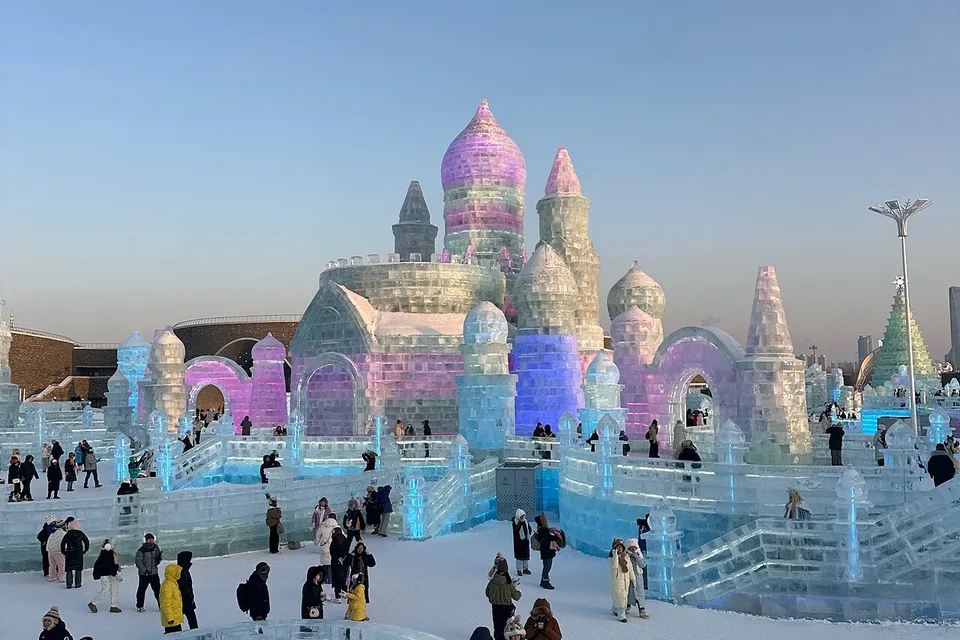
If you want to experience the flavour of a Northeastern Chinese New Year over Spring Festival, Harbin and Snow Town are the two easiest stops to start with. This article explains how to take part in making dumplings, the pig-slaughter feast, yangge dancing, the ice-lantern temple fair and snow tubing, how a family should pace itself, and why opening dates and schedules always defer to the officials.
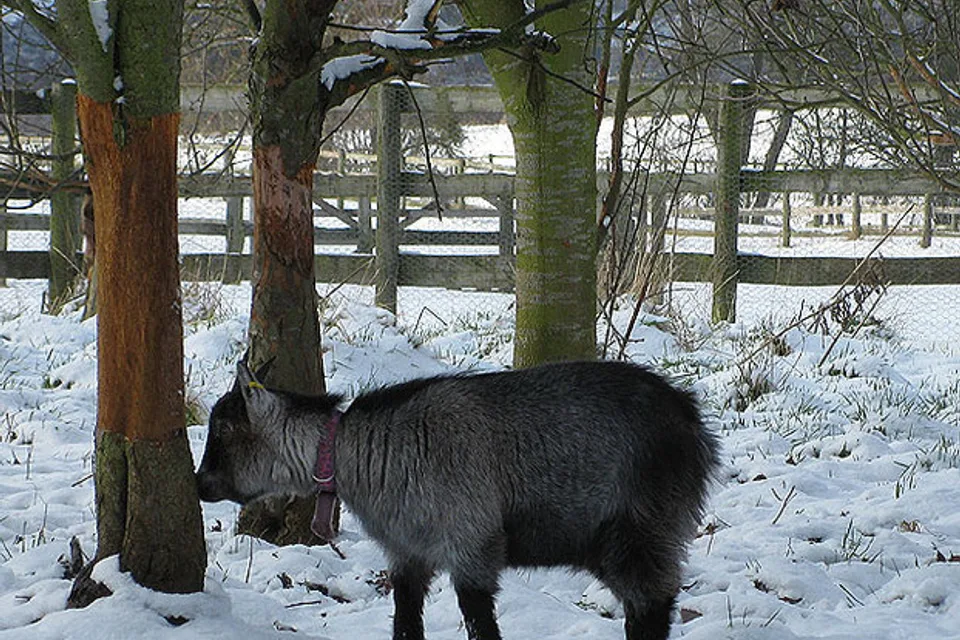
From December through February, Northeast China brings low temperatures, snow that lingers for months and slippery, icy surfaces. This article turns the essentials - three-layer dressing, anti-slip footwear, keeping your head, face and hands warm, heat packs and power banks, frostbite prevention and warming up indoors - into a clothing and anti-slip checklist you can follow before you leave.
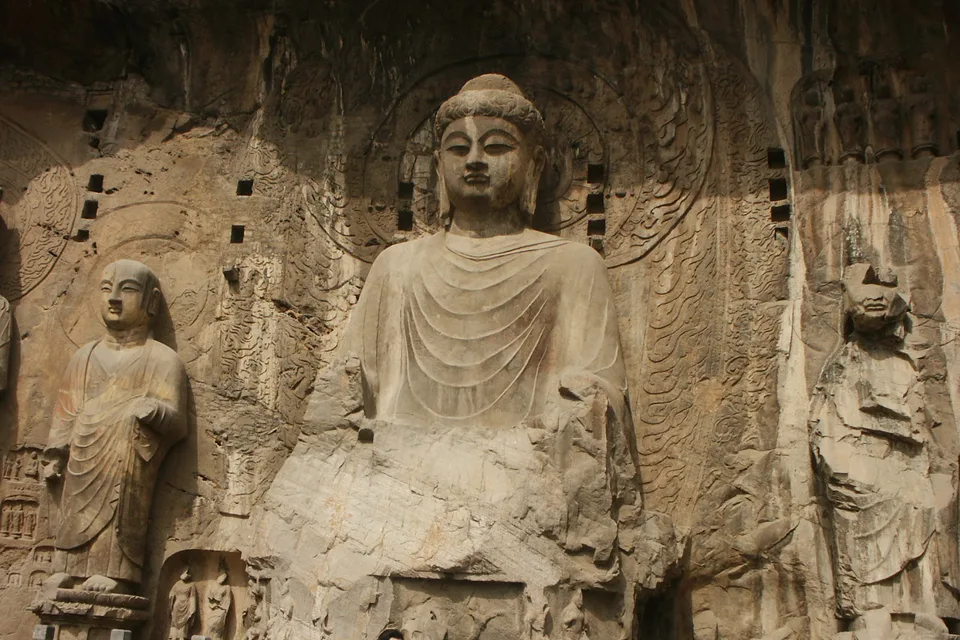
Planning a winter-break or Spring Festival trip to Luoyang and Kaifeng to see the lantern fairs, wear hanfu and visit the grottoes, but unsure how to split five days without rushing? The short answer: Luoyang covers the grottoes, night tours and hanfu styling, while Kaifeng covers the Song-dynasty gardens and night markets. The run-up to New Year's Eve is comparatively easier going, while from the fourth day of the first lunar month through the Lantern Festival is the real lantern-fair season. This article explains the division of roles between the two cities, a five-day skeleton, a half-day route through the Longmen Grottoes and advice on dodging crowds and staying warm.
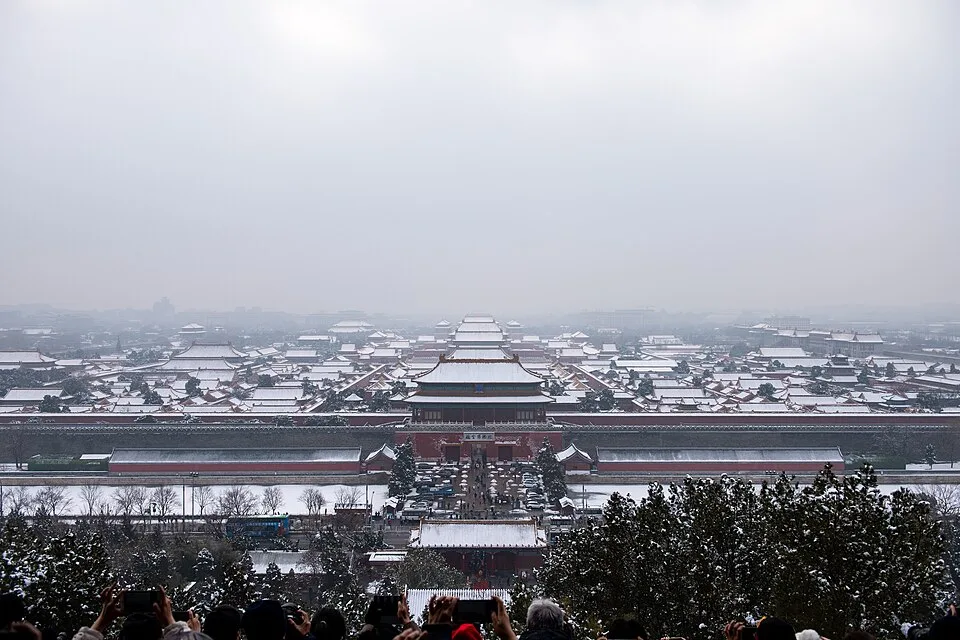
For adult travellers visiting Beijing over the winter break: how to handle real-name booking and ticket-release timing at the Palace Museum and the National Museum of China, and what to watch for with winter opening hours and closure days. It also covers a central-axis route through the Palace Museum, choosing galleries for a half day at the National Museum, snow-photo spots, extreme-cold indoor fallbacks and 2-5 day structures. Booking and opening information follows the latest official announcements.
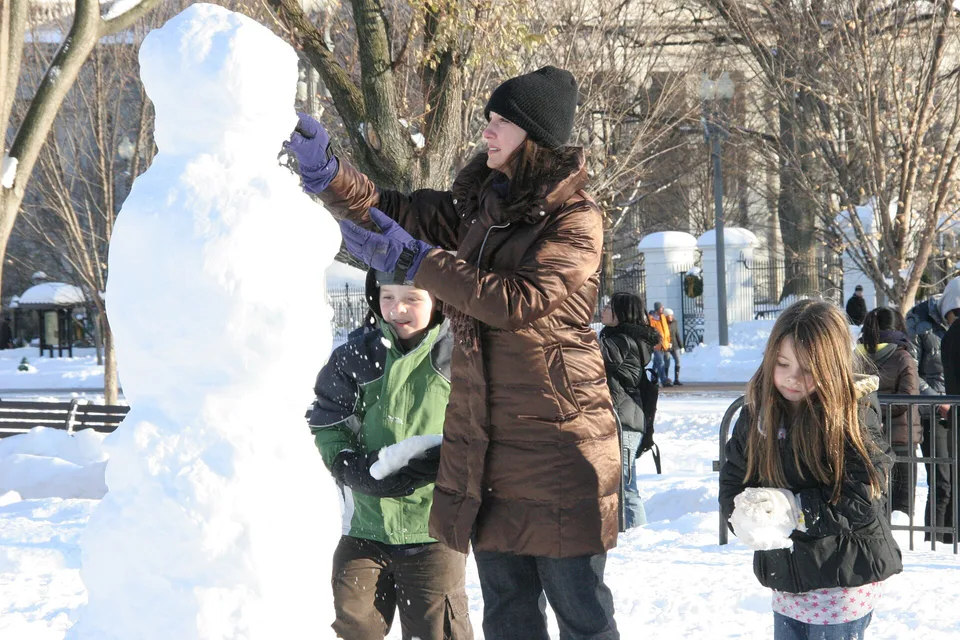
How do you see snow in Harbin with children aged 3-12 without exhausting everyone? This family guide explains age readiness, daily outdoor time and the warm-up-indoor rhythm, how to weigh the Ice and Snow World, the Zhaolin Park ice lanterns, Central Street and Snow Town, plus dressing in layers, preventing frostbite and an indoor Plan B for extreme cold - with a 5-day skeleton and a compressed 4-day version.
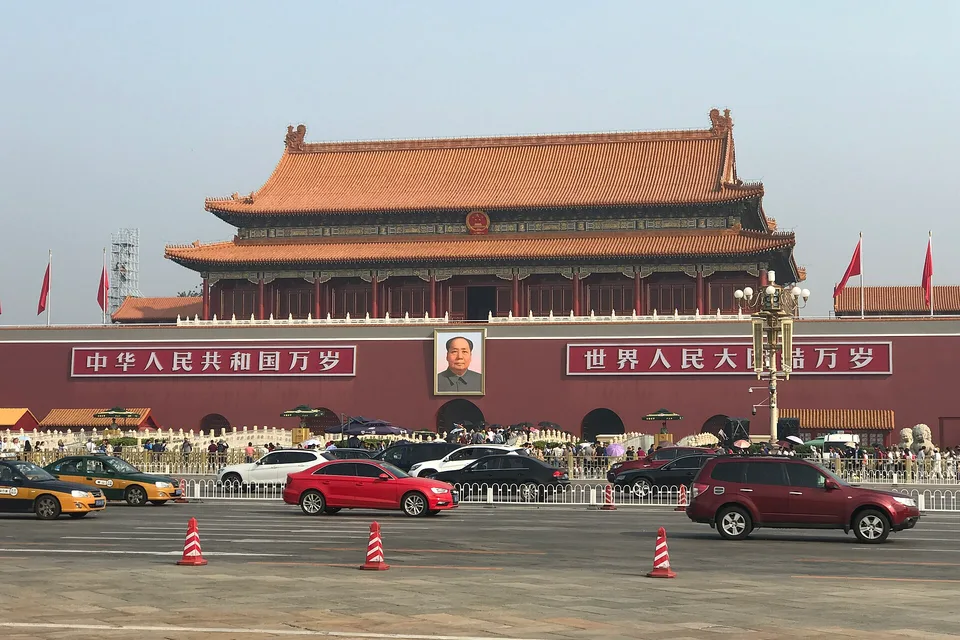
A 5-day Beijing itinerary for children aged 5-12: what time to arrive for the flag-raising and how to claim a spot, how to choose among the Forbidden City, the Great Wall, the China Science and Technology Museum, the Beijing Museum of Natural History and the National Museum of China, and why to schedule just one big stop a day with plenty of buffer - plus a compressed 3-day version and tips on adjusting clothing and timing for winter and summer.
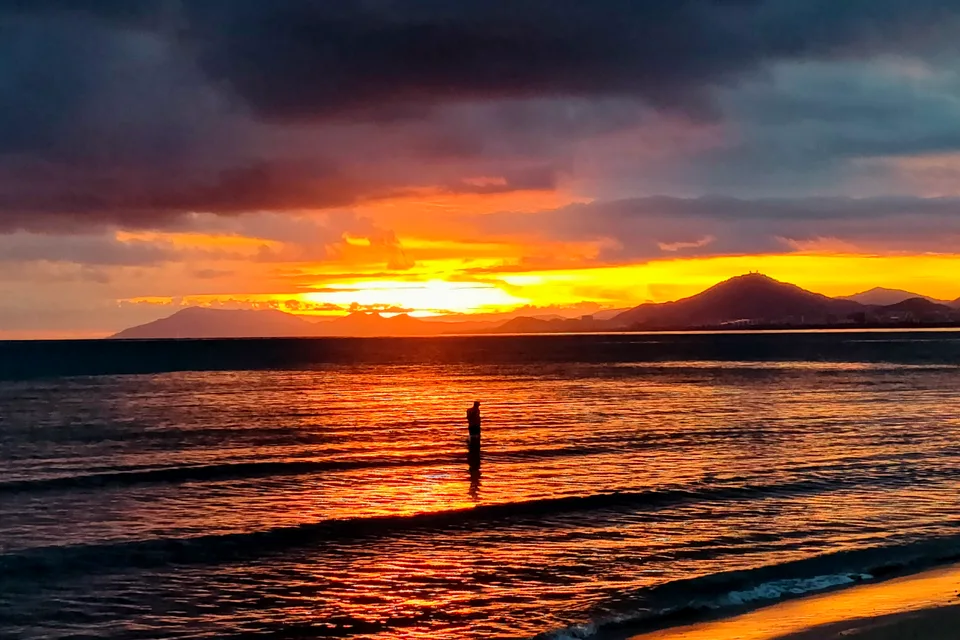
Only five days of winter break - Sanya or Wanning? The verdict: choose Sanya if you're travelling with kids or elderly parents and want a hassle-free trip; choose Wanning if you want surfing, quiet and better value for money. This article compares the sea and beaches, crowds, facilities and the accommodation-and-dining price range point by point, then sets out three 5-day frameworks.
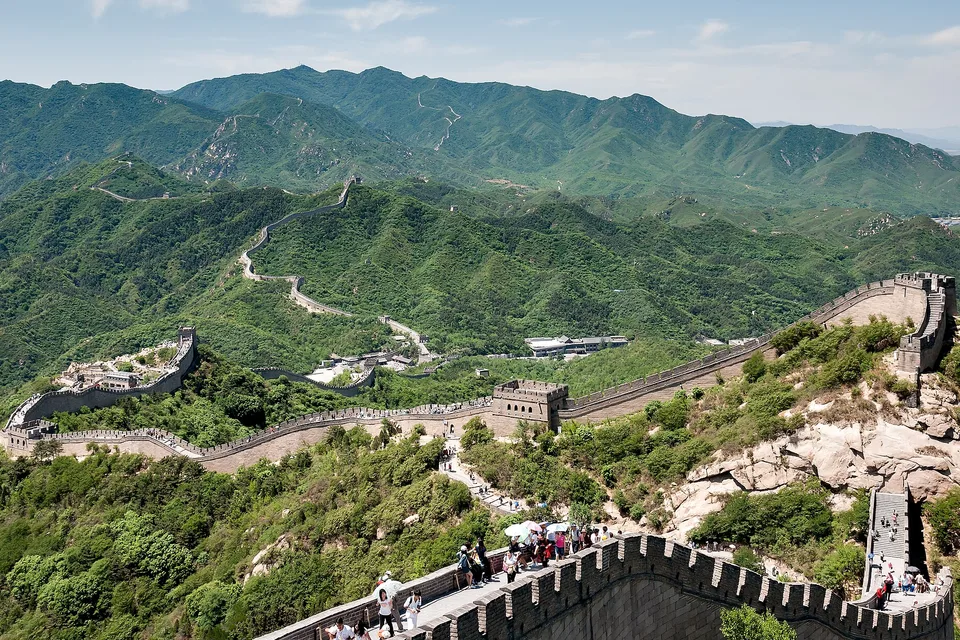
With only 7-8 days for a first trip to China, how do you divide Beijing, Xi'an and Shanghai without rushing? In short: 3 days in Beijing, 2 in Xi'an and 2 in Shanghai is the minimum, and if you have an eighth day give it to Beijing first or keep it as a buffer. Use high-speed rail between cities, and weigh flight versus rail for the longer Xi'an-Shanghai leg. Tickets, train schedules and visa policy follow the latest official announcements.
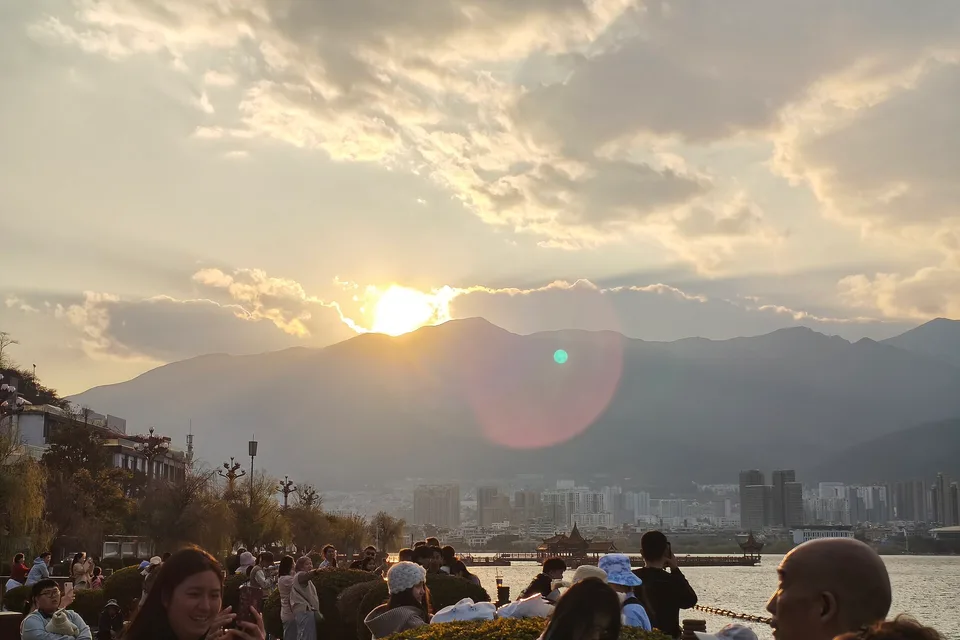
When you take your parents to Yunnan, the hardest part is not where to go but the pace and the altitude. This guide lays out how to decide whether Shangri-La belongs in the plan, the skeleton of a low-altitude multi-generational slow itinerary, and the practical details of transport, accommodation, medical care and insurance.
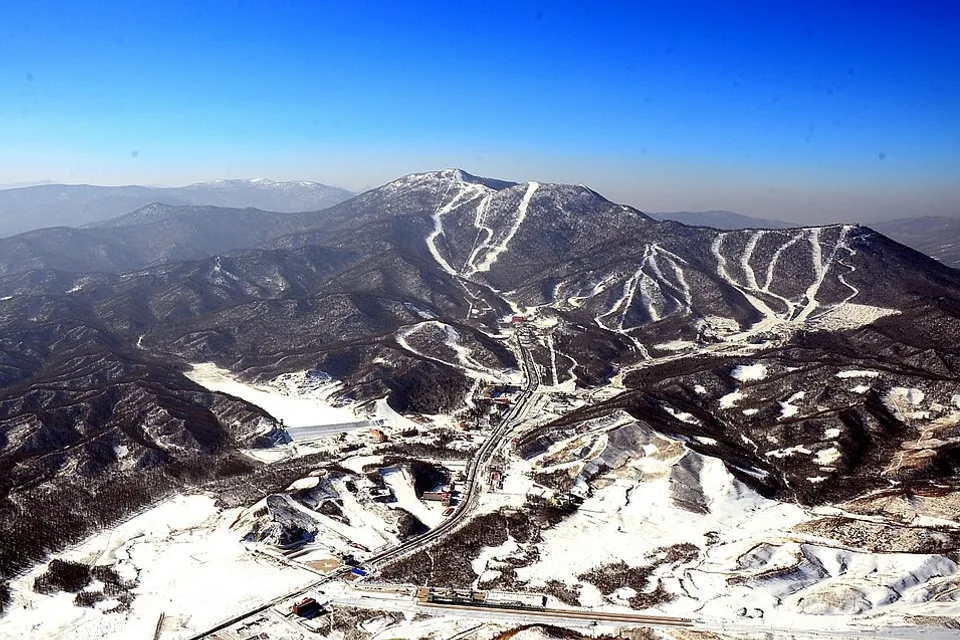
Northeast China and Xinjiang are the country's two great skiing regions. This guide compares their resorts across five dimensions - the length of the ski season, temperature and snow feel, resort scale, accessibility and resort amenities - so you first look at your own skiing level and available days, then choose a region and a resort.
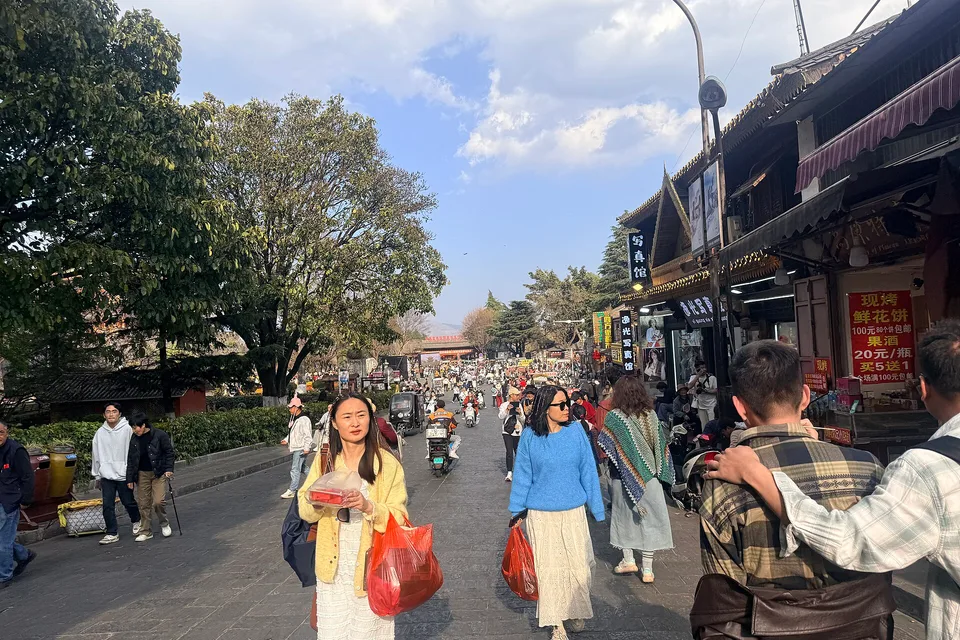
Around Spring Festival, Dali and Lijiang are at once the liveliest and the most crowded they get all year. Rather than trusting to luck, plan an off-peak calendar in advance: arrive before New Year's Eve and do the busy spots first, save the popular places until after the holiday, or reverse the route and do Xishuangbanna first before returning to Dali - and keep one or two quieter alternatives in reserve.
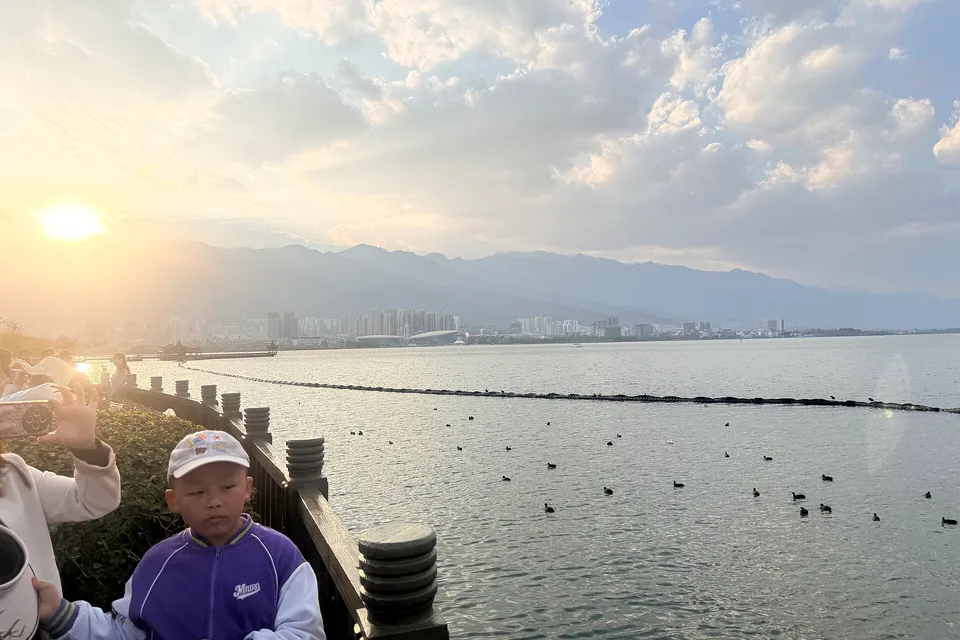
Yunnan's winter is not one single thing: Kunming, Dali and Lijiang offer 'winter sunshine' with big day-night temperature swings, while Xishuangbanna is a genuine summer. This guide splits Yunnan from December to February into two climate belts and explains how cold-escape travellers should choose, how to structure an 8-day itinerary, and how to fit both snow mountains and tropical rainforest into one trip.
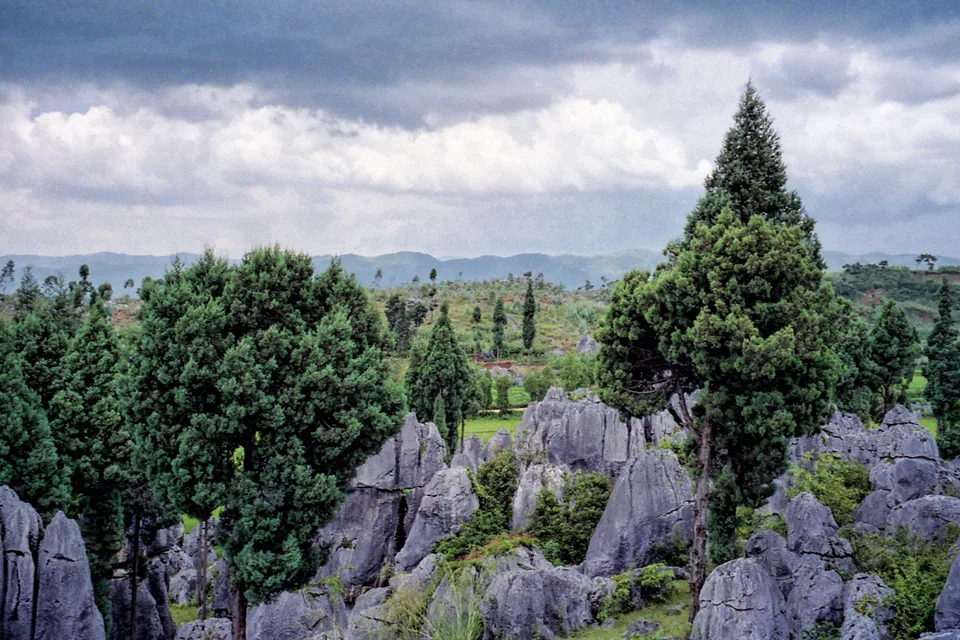
Can Yunnan's classic 'Kunming-Dali-Lijiang-Xishuangbanna' route really be done in 8 days without rushing? This guide breaks down the intensity and the connections between its four legs - the Stone Forest, Erhai Lake, Jade Dragon Snow Mountain and Xishuangbanna - to help you judge whether this classic route suits you.
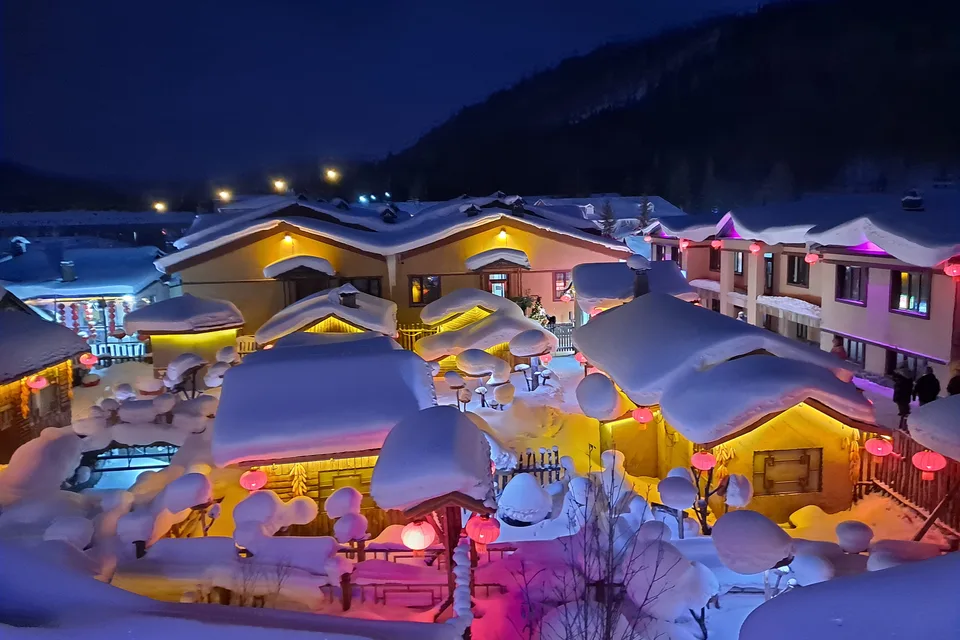
Planning a winter-break snow trip to northeast China but unsure how to put the loop together? This article breaks down Harbin, Yabuli, Xuexiang, Changbai Mountain and Yanji one by one - the highlights, driving time, days needed and who each suits - and gives 5-day, 6-day and 7-day structures to help you decide which route is right for you.
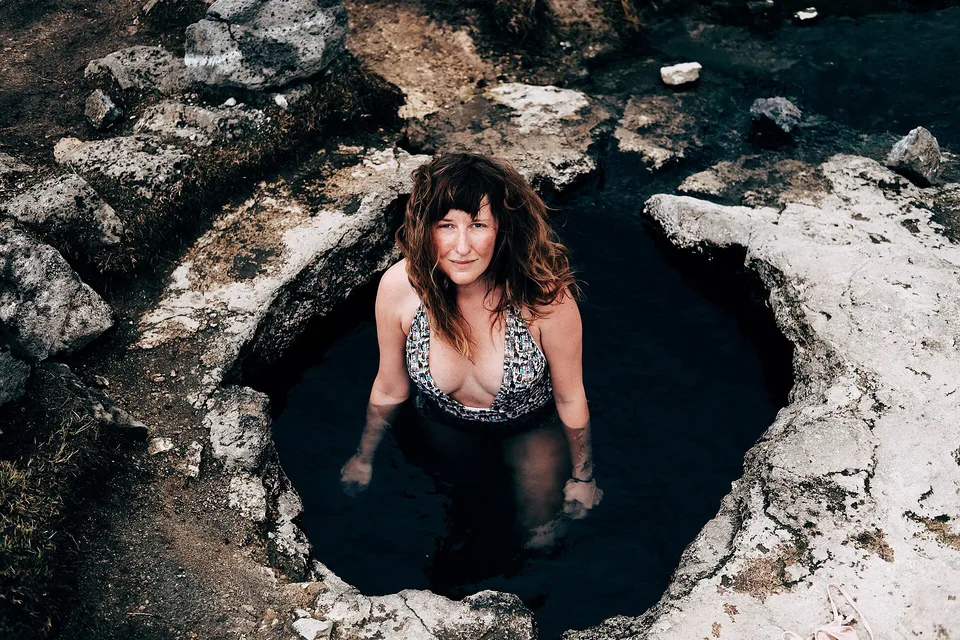
Where to soak in western Sichuan: Lixian's Tibetan hot springs, how spring areas differ, choosing a hotel, altitude tips and the best season.
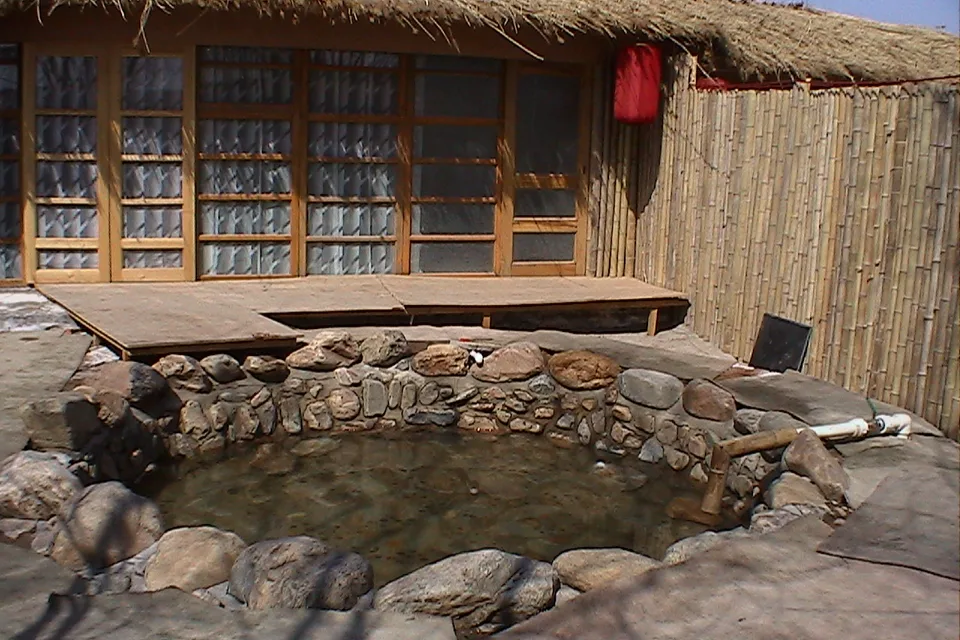
A golden-grade Guizhou hot spring hidden in a 6,700-mu forest, with outlet water at 48–49°C rich in strontium, fluoride and metasilicate. This hands-on review of Yuntun Muyun Hot Spring covers the water quality, how to choose among its 26 outdoor pools, tickets and transport, plus how to slot it into a Liupanshui itinerary.
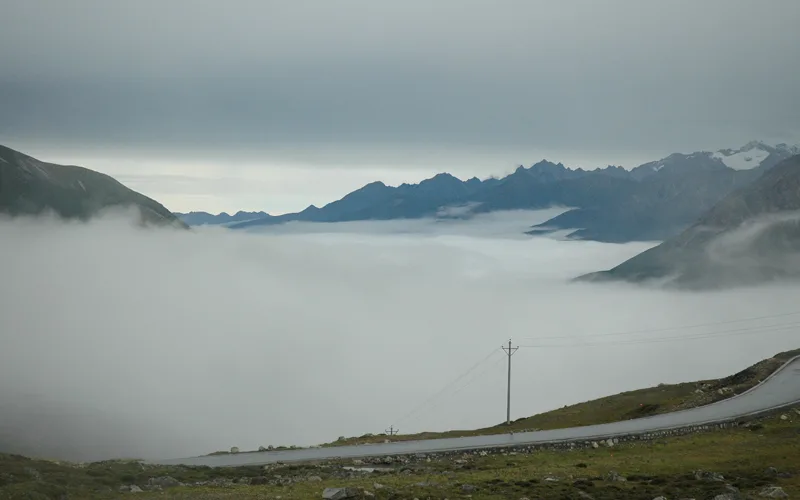
Altitude sickness is unavoidable talk for any western Sichuan trip, yet most people spend their energy buying oxygen canisters. This guide breaks down what actually works to prevent altitude sickness across three phases — before departure, on the plateau and when symptoms strike — with a ready-to-use packing checklist.
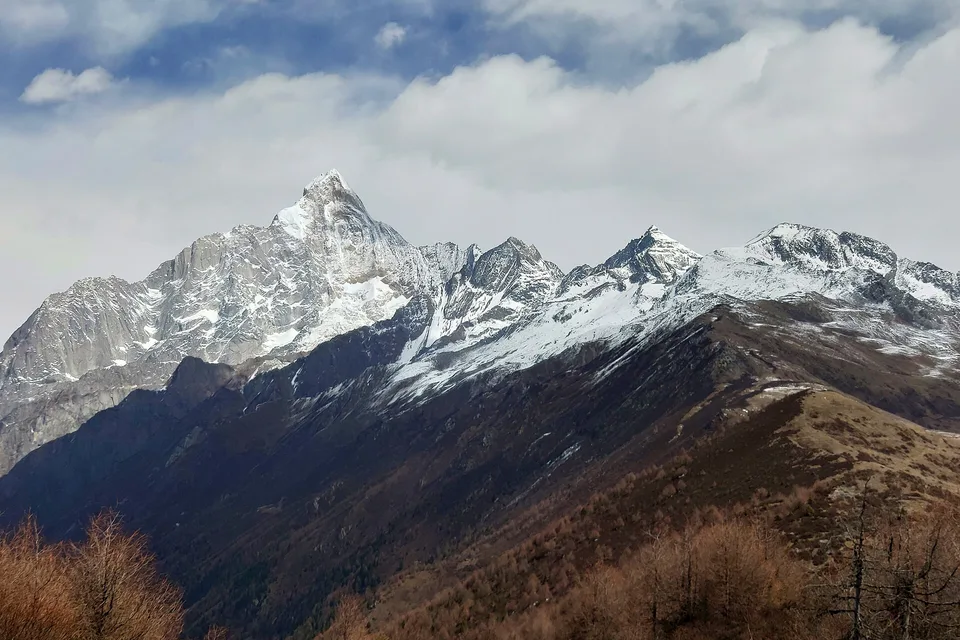
Everyone dreams of western Sichuan's snow peaks and Tibetan villages, but travelling there with parents calls for a different approach: altitudes that rise gently, short daily drives and comfortable hotels. This guide breaks down pacing and pitfalls for a 6-day senior-friendly loop.
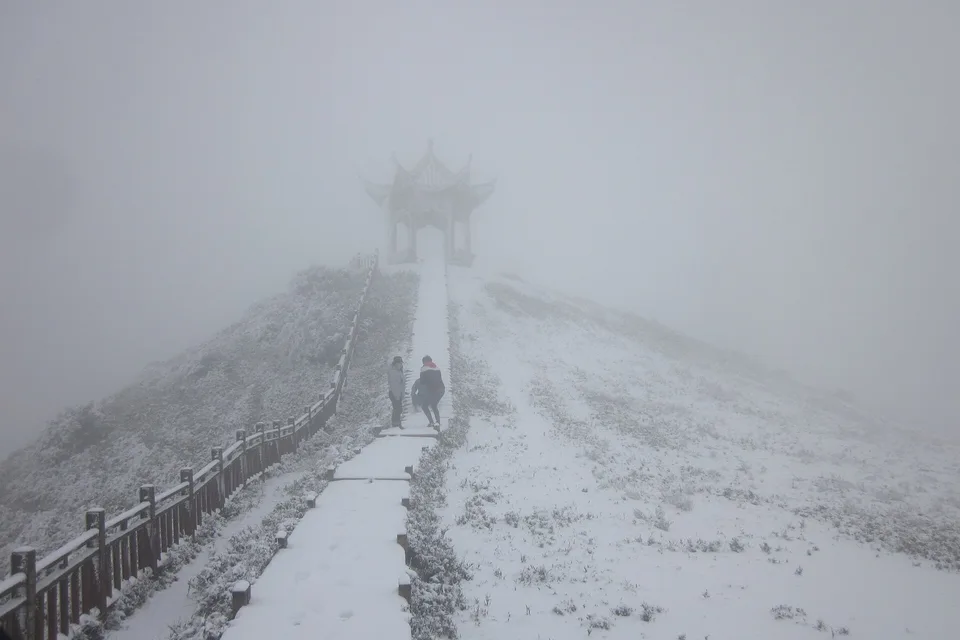
For summer escapes in Liupanshui, the Wumeng Great Grassland and the Beipan River Gorge are the two trump cards. This guide explains the right ways to watch seas of clouds and 'Buddha's light' on the grassland and to cruise the gorge, and maps out a route linking these two natural wonders in a single day, with practical tips.
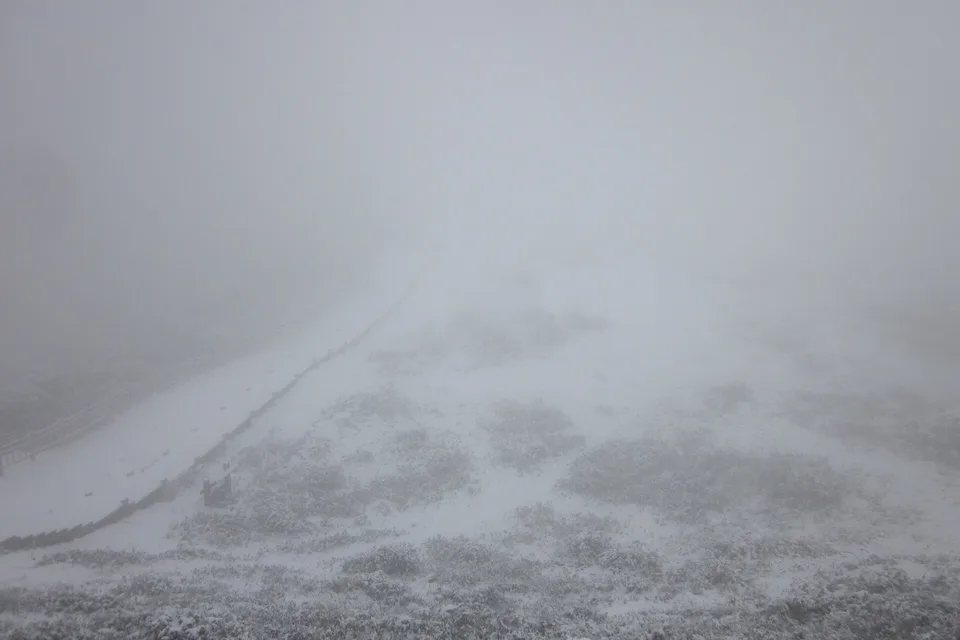
Cool summers are just one side of Liupanshui. String together the grassland, gorge, hot springs and old town across five days and you get a complete wellness loop. This guide gives a day-by-day bullet-train itinerary, hotel choices, self-paid items and pitfalls to avoid.
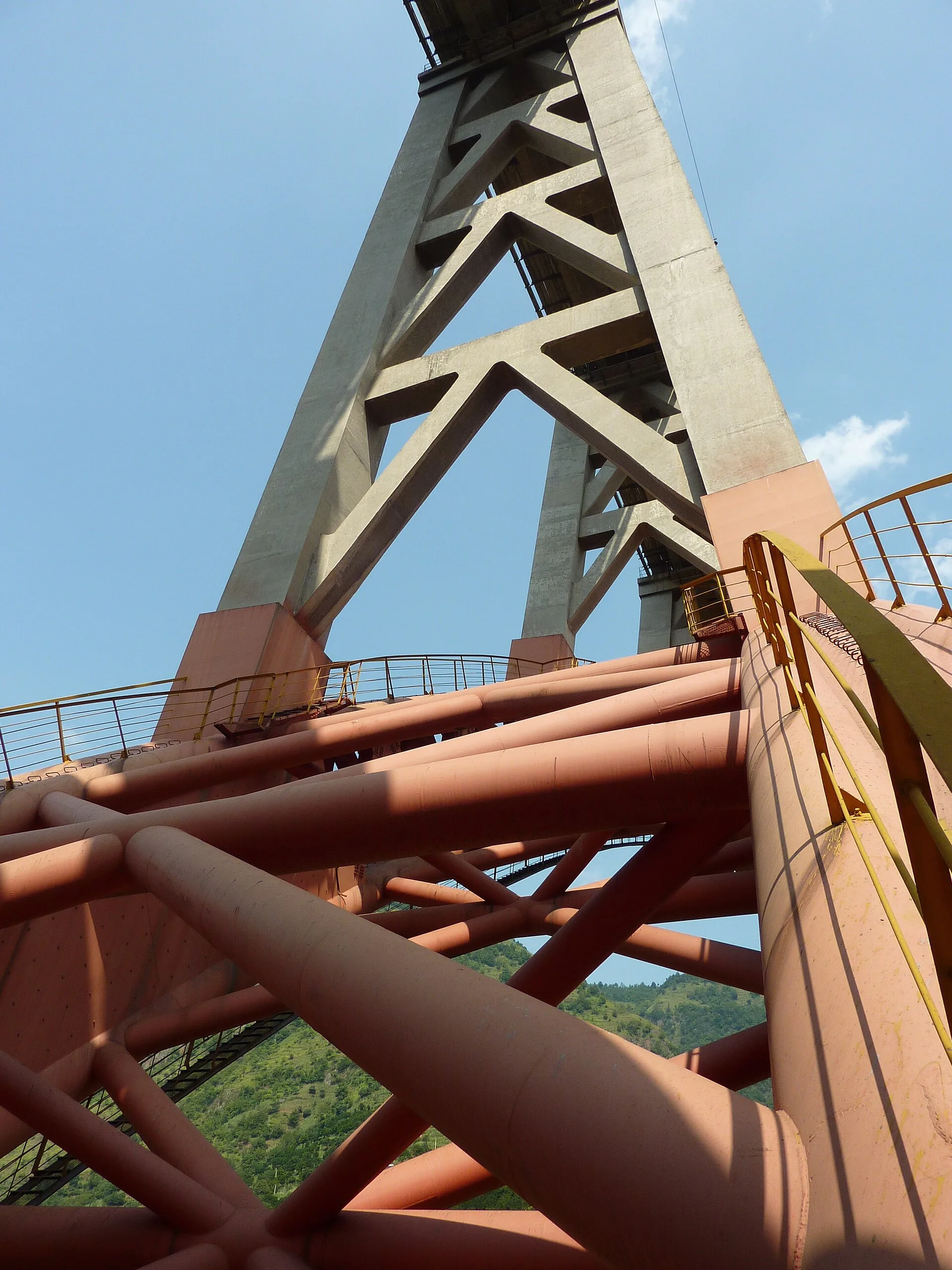
A 5-day Guizhou route designed for families with children aged 3-8: Guiyang, Libo's Xiaoqikong, Xijiang's Thousand Household Miao Village and Huangguoshu Falls, scheduling only 1-2 sights a day and putting rest, driving time and children's fun first.
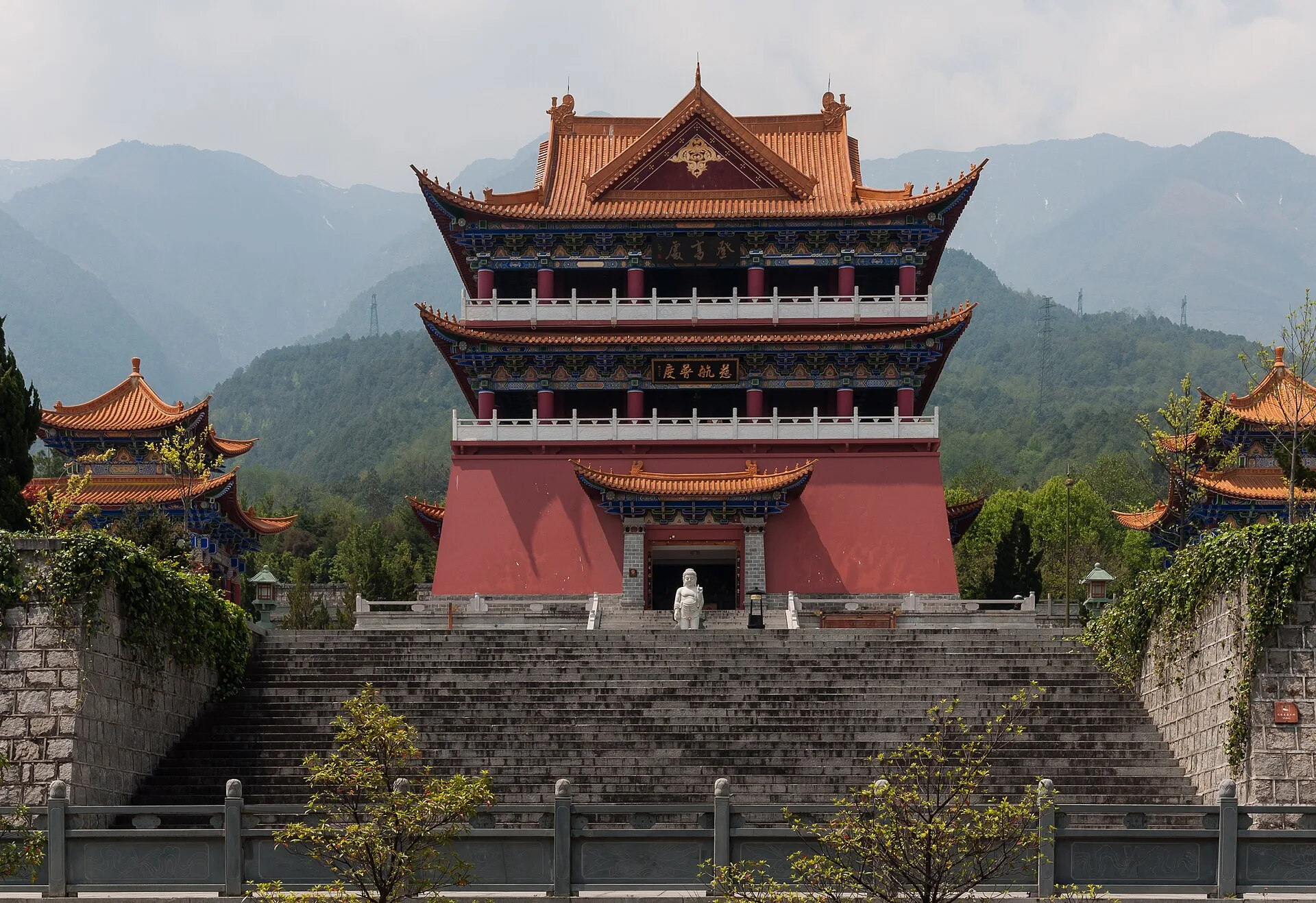
The Li River's beauty changes with the seasons: misty rain in spring, lush green in summer, high skies in autumn, quiet calm in winter. This article compares the landscape conditions and the differences between cruise boats and bamboo rafts across the four seasons, helping you see the most worthwhile Li River at the best time.
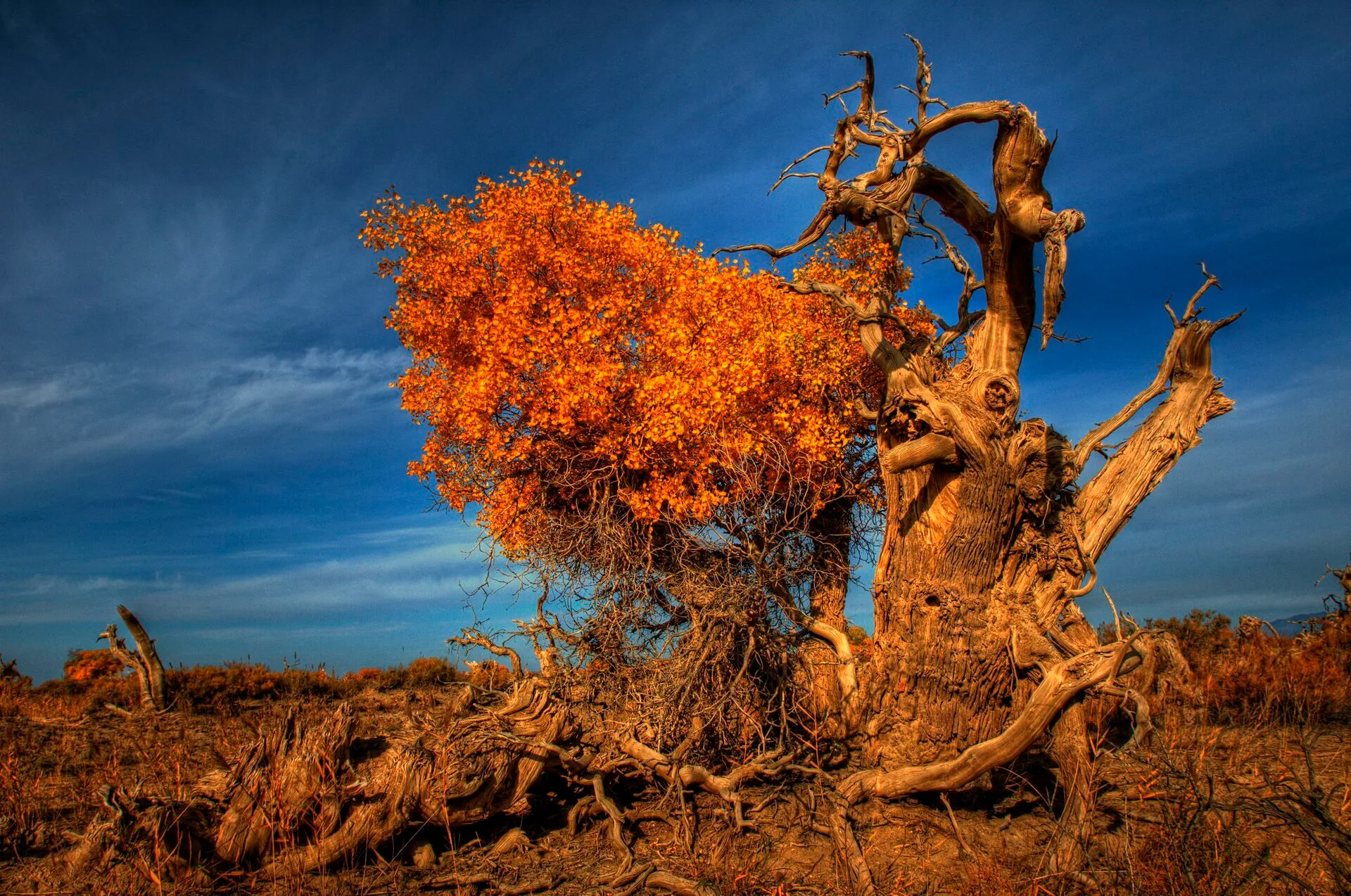
From September to November the Northeast is the home of red leaves and autumn colour: Benxi's red leaves, Changbai Mountain's multicoloured slopes and Panjin's Red Beach each have their own window. This article arranges autumn play by timeline and offers National Day crowd-avoidance and temperature-difference tips.
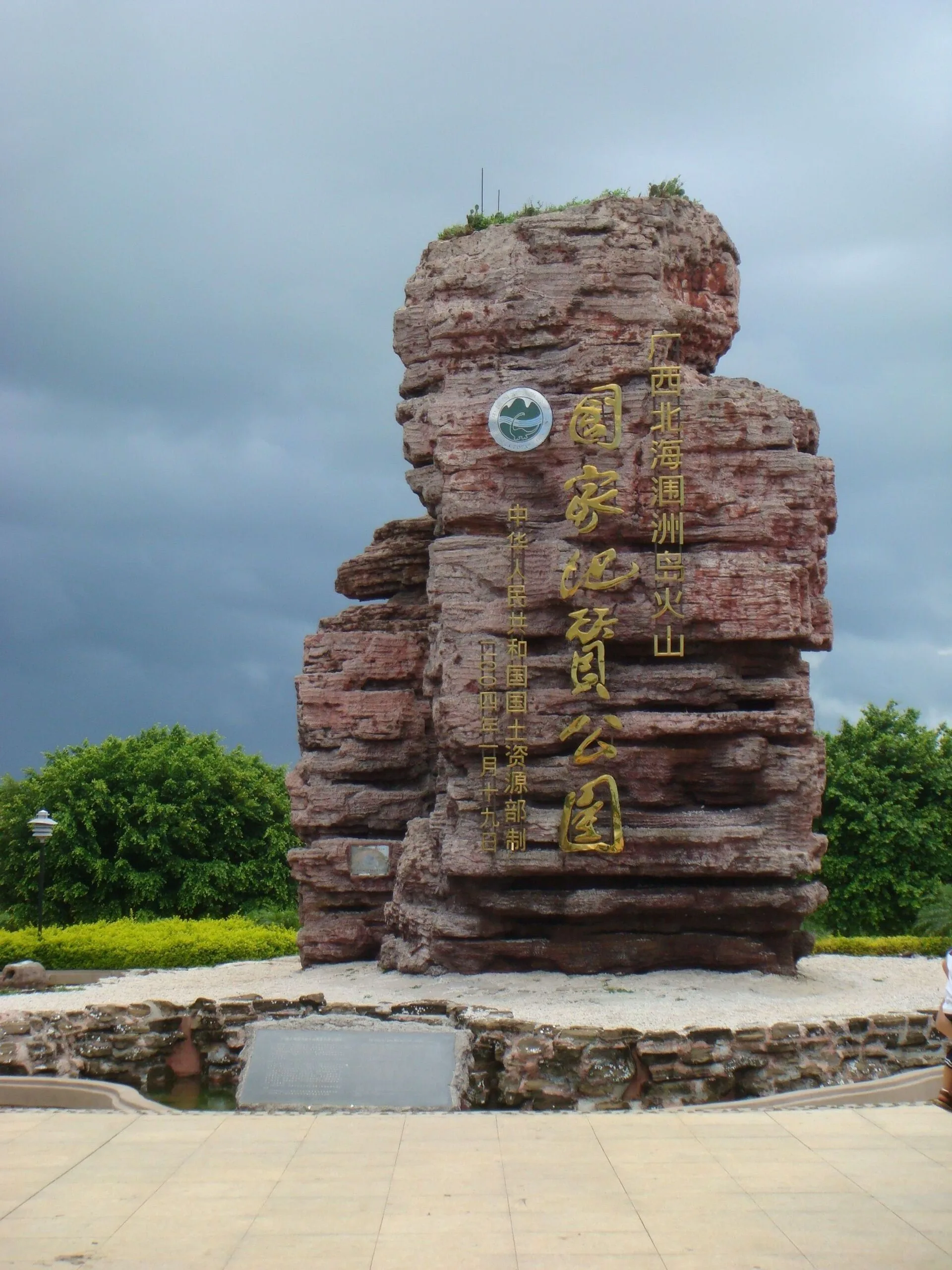
When elderly, children and adults travel Sanya together, the focus is not the number of sights but where to stay and how to move. This article gives a 5-day plan by accommodation area, daily rhythm and the stamina gap between elderly and children, avoiding rushed schedules and harsh sun.
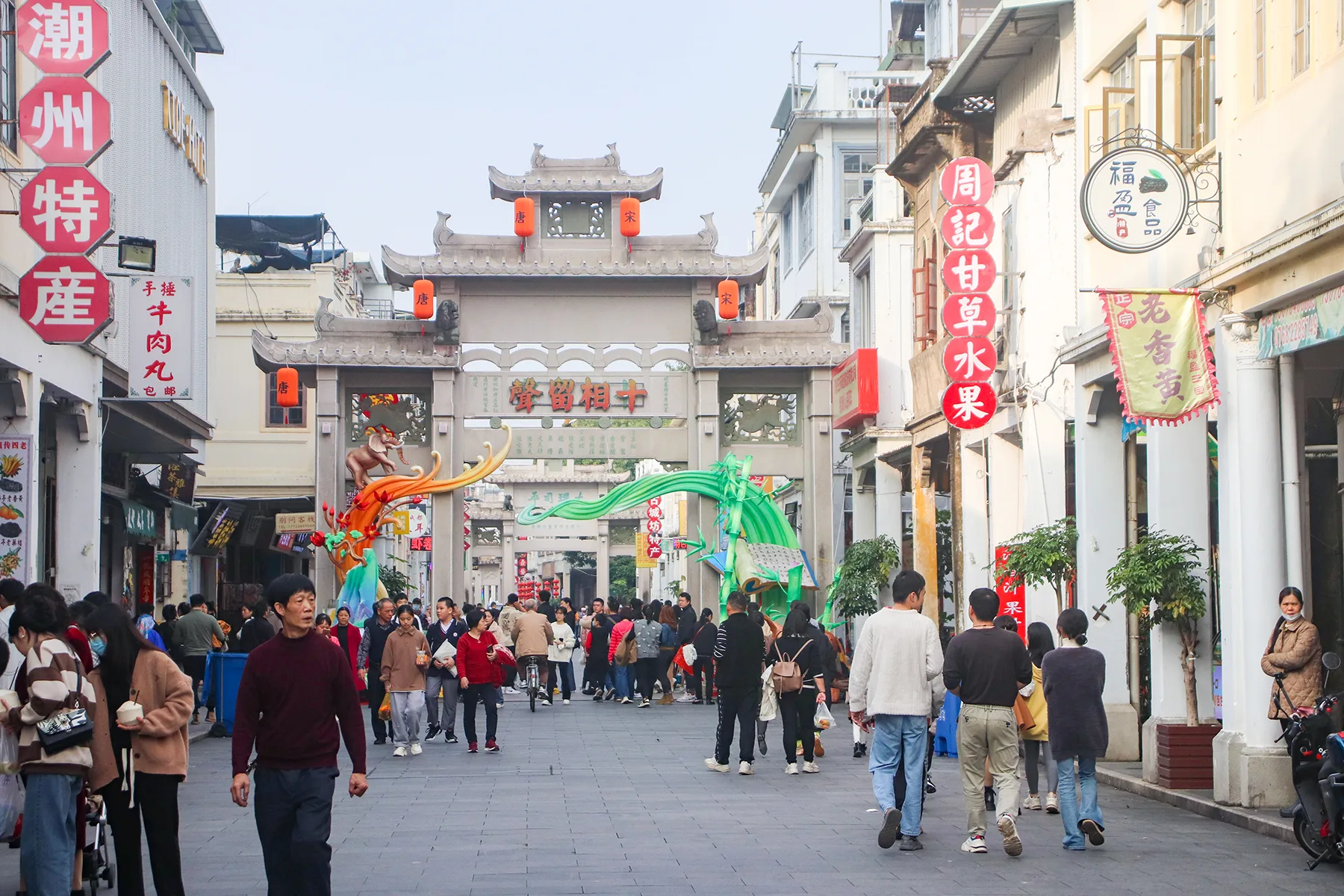
Shunde is the world capital of gastronomy, but eating without knowing the ropes easily leads to misses. This article explains the classic ways to enjoy dim sum, raw fish, roast meats and desserts across Daliang, Ronggui and Leliu, with locals' ordering tips and verification notes.
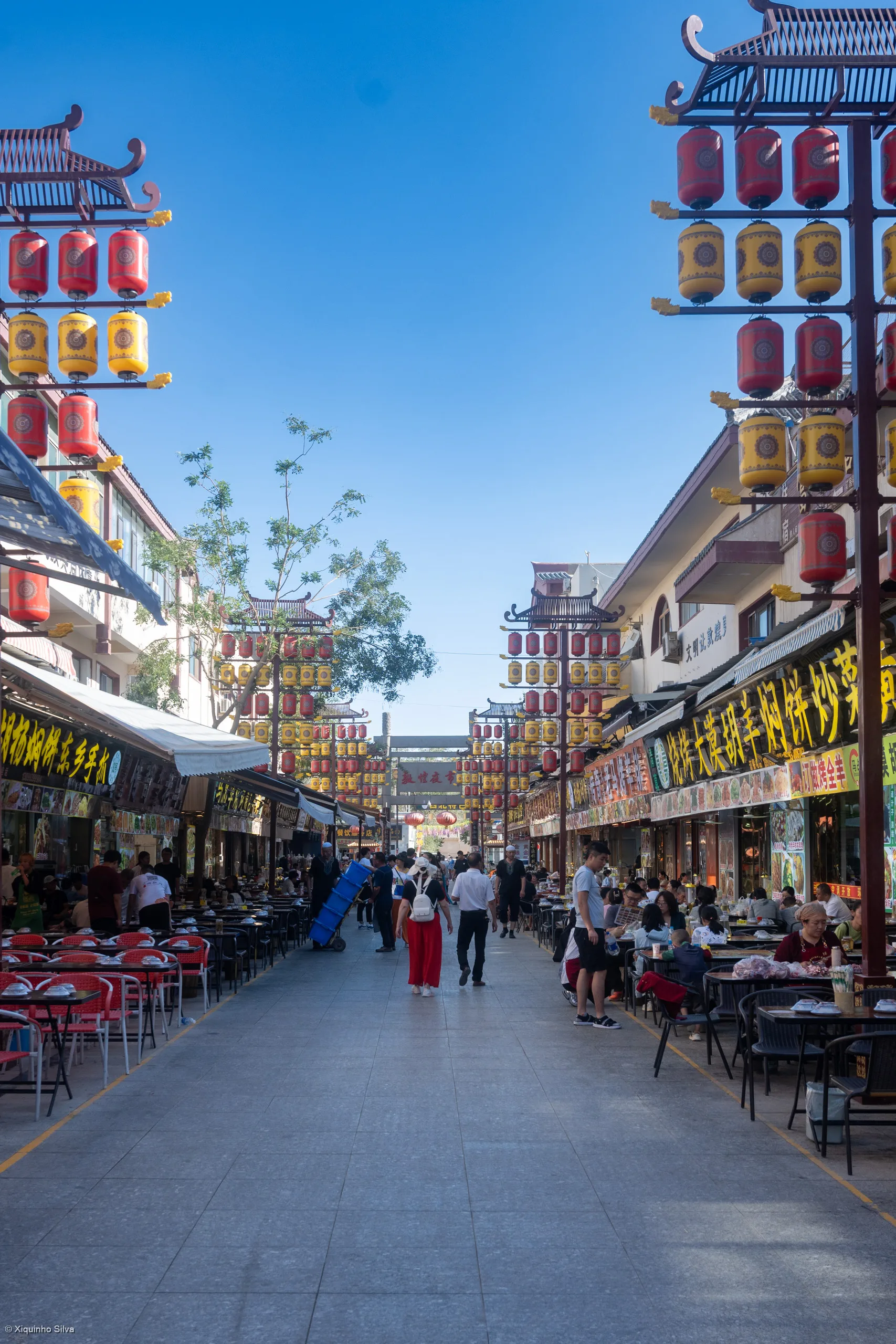
Xi'an's study-tour resources are densely packed — how do you choose what is most worthwhile? This article compares the highlights and booking barriers of the Shaanxi History Museum, the Terracotta Warriors, the City Wall, the Forest of Steles and the Hanyangling Museum, and offers a 2-day study route chosen by age and theme.
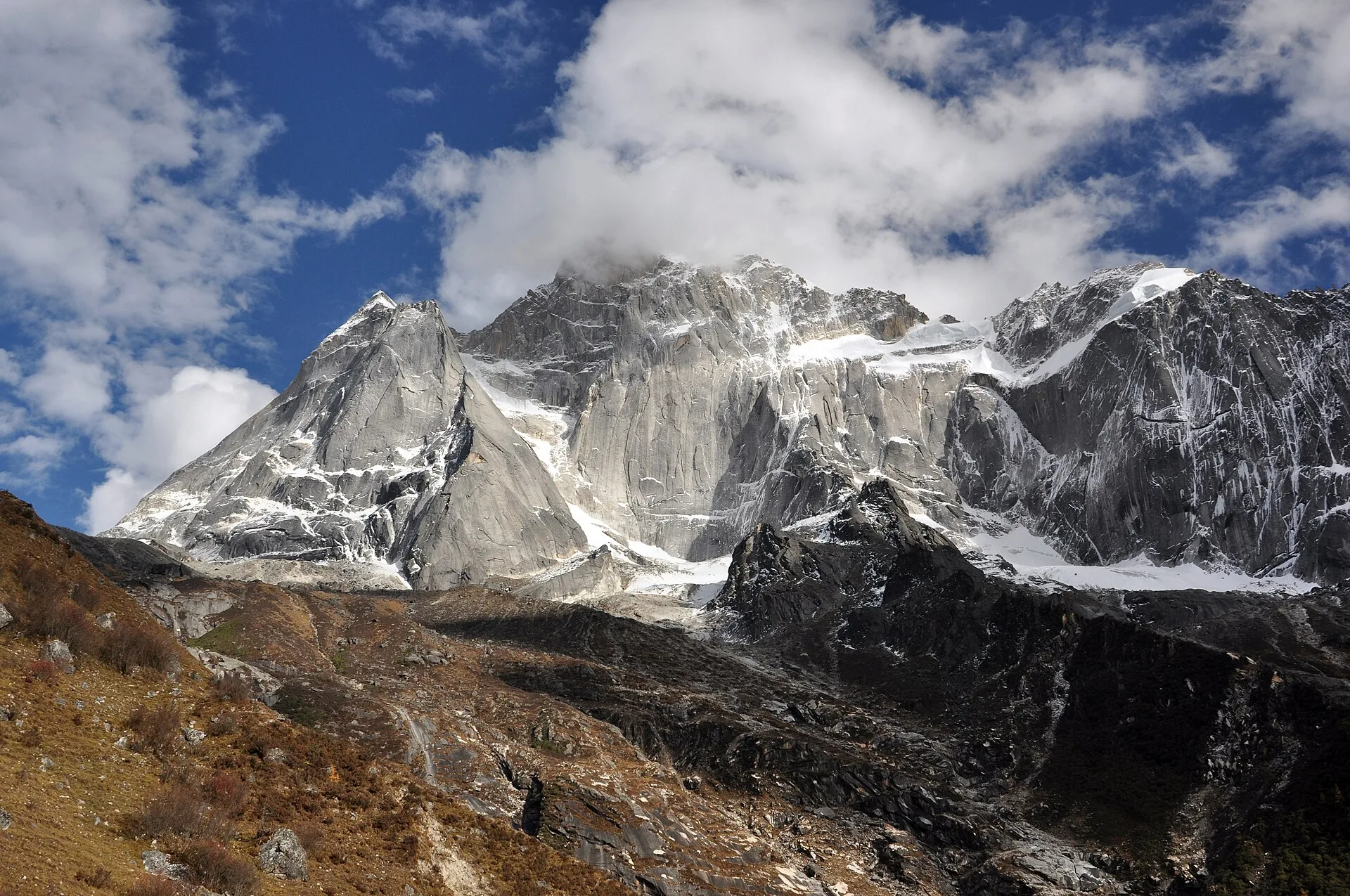
How should besties spend 3 days in Chengdu? This article organises an easy route of photo-taking in the morning, tea drinking in the afternoon and hotpot in the evening, covering photo spots such as the Giant Panda Base, Kuanzhai Alley and Eastern Suburb Memory, plus must-eat options like hotpot, skewers and ice jelly — a relaxed slow-travel reference for a girls' trip.
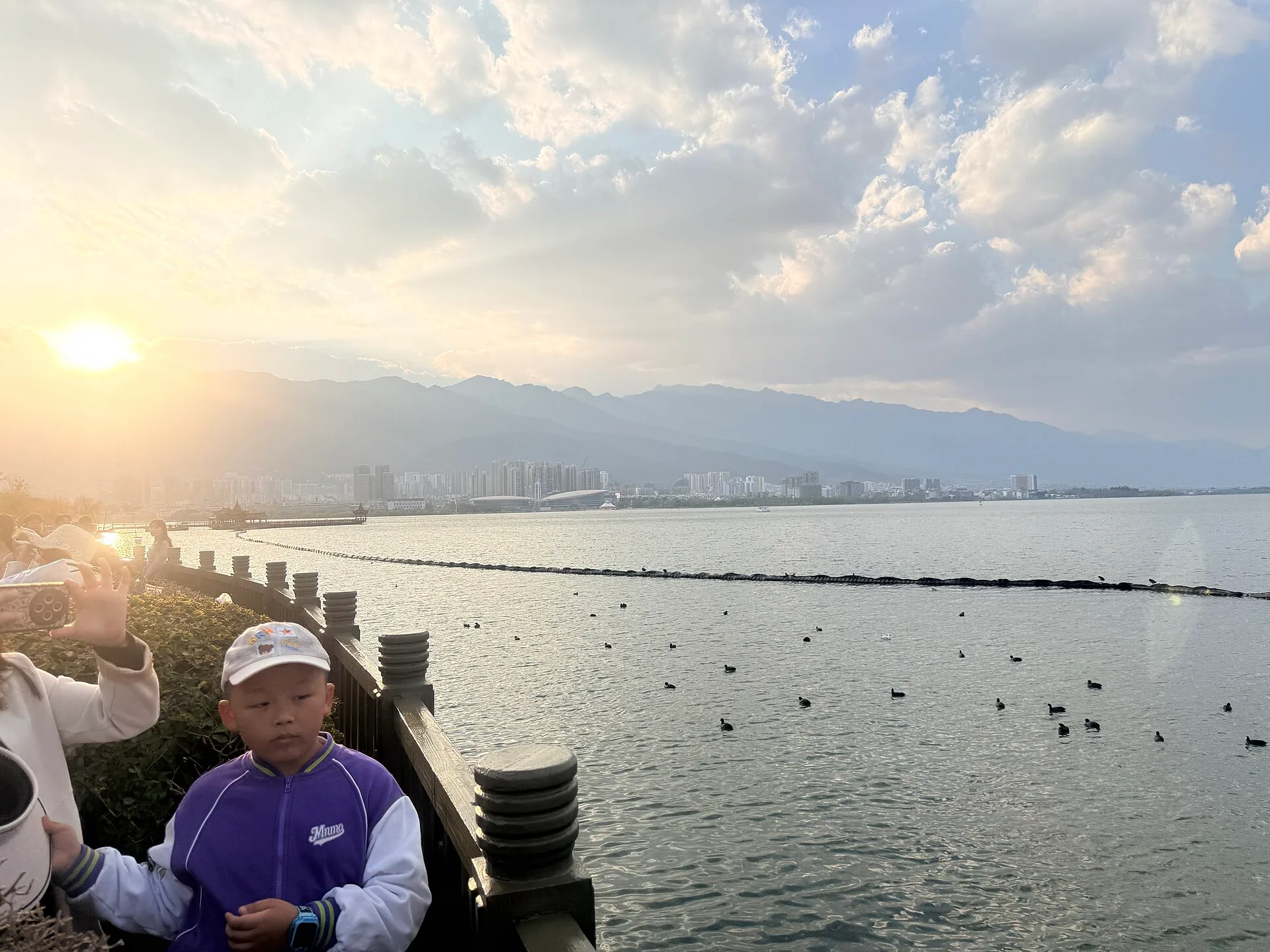
Where should couples stay in Dali? This article compares the pros and cons of courtyard guesthouses in Dali Old Town, Caicun, Longkan and Shuanglang, clarifying which is quieter, more photogenic and more convenient for a couple, with tips on peak-season booking, room-status confirmation and avoiding pitfalls.
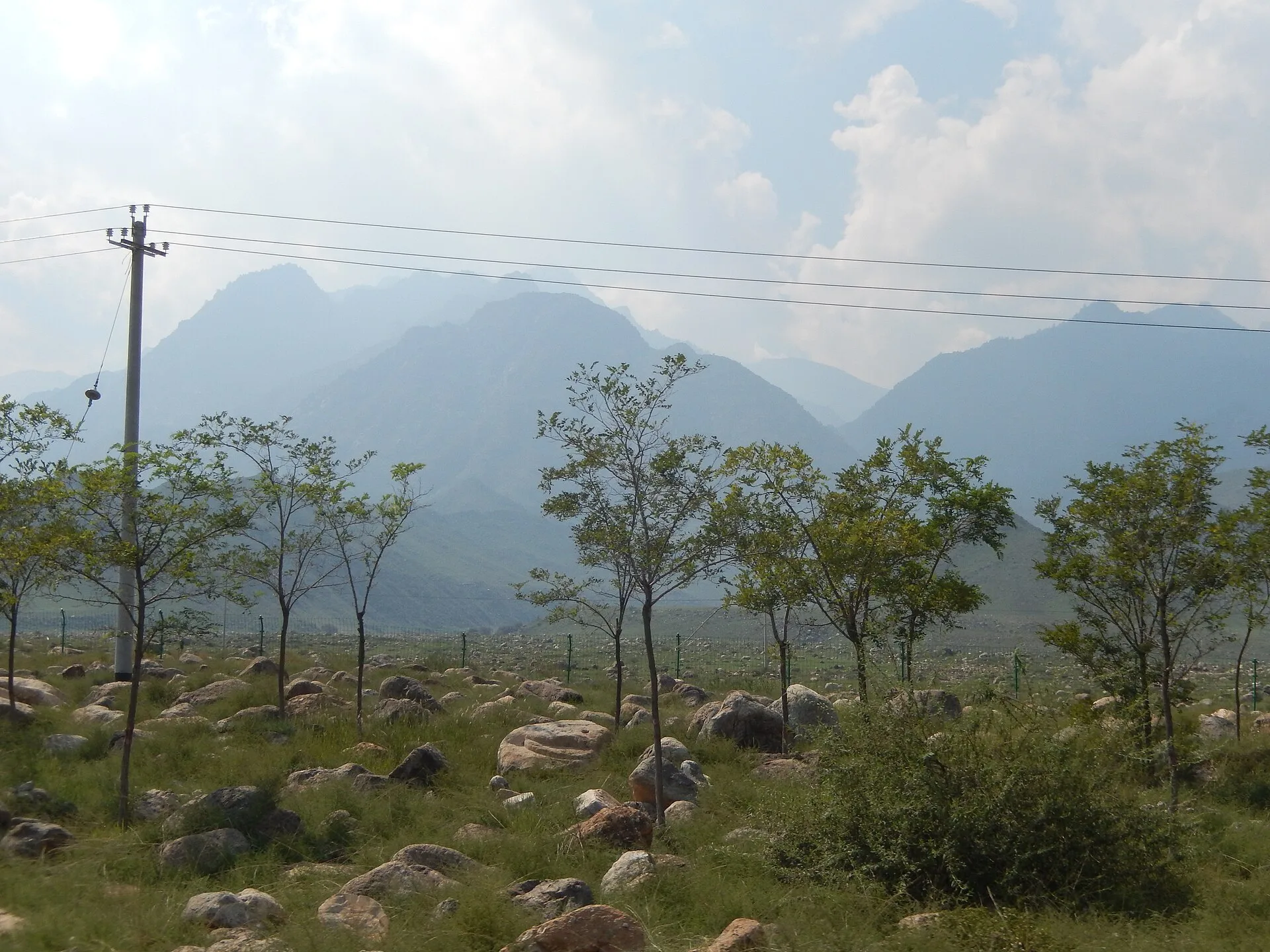
How should you travel the Inner Mongolia grasslands in summer? This article compares the activities and suitable travellers for three grassland routes — Hulunbuir, Xilingol and Ulanqab — explains how to arrange experiences such as horse riding, yurts and Naadam, and offers travel reminders on the rainy season, day-night temperature swings, mosquito and sun protection, and accommodation booking.
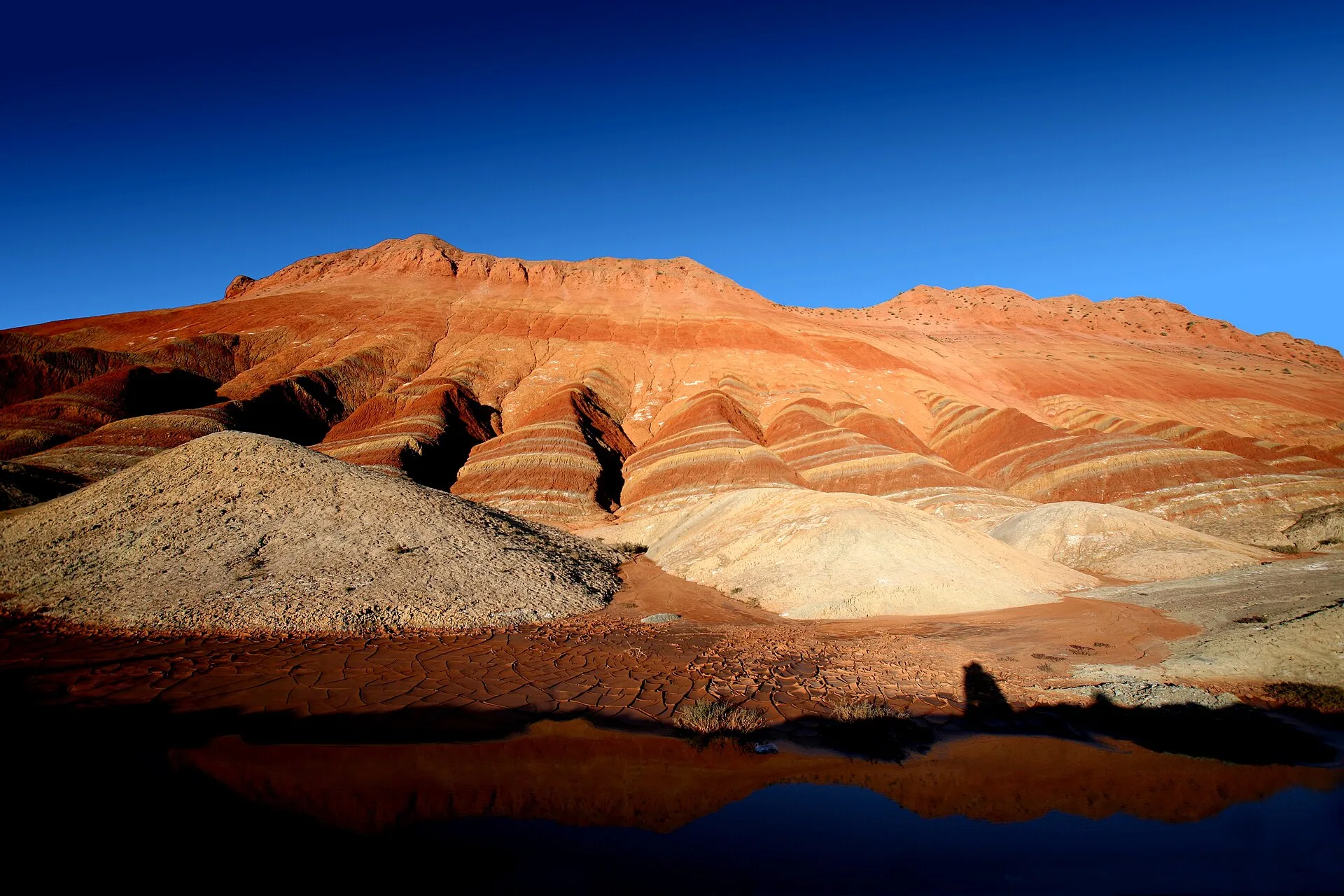
How should you travel Jiangxi from March to May? This article organises the best viewing times and routes for Wuyuan's rapeseed flowers by bloom season, offers crowd-avoidance advice for the Qingming and May Day holidays, and explains the trade-offs of spring attractions such as Mount Lu and Mount Sanqing.
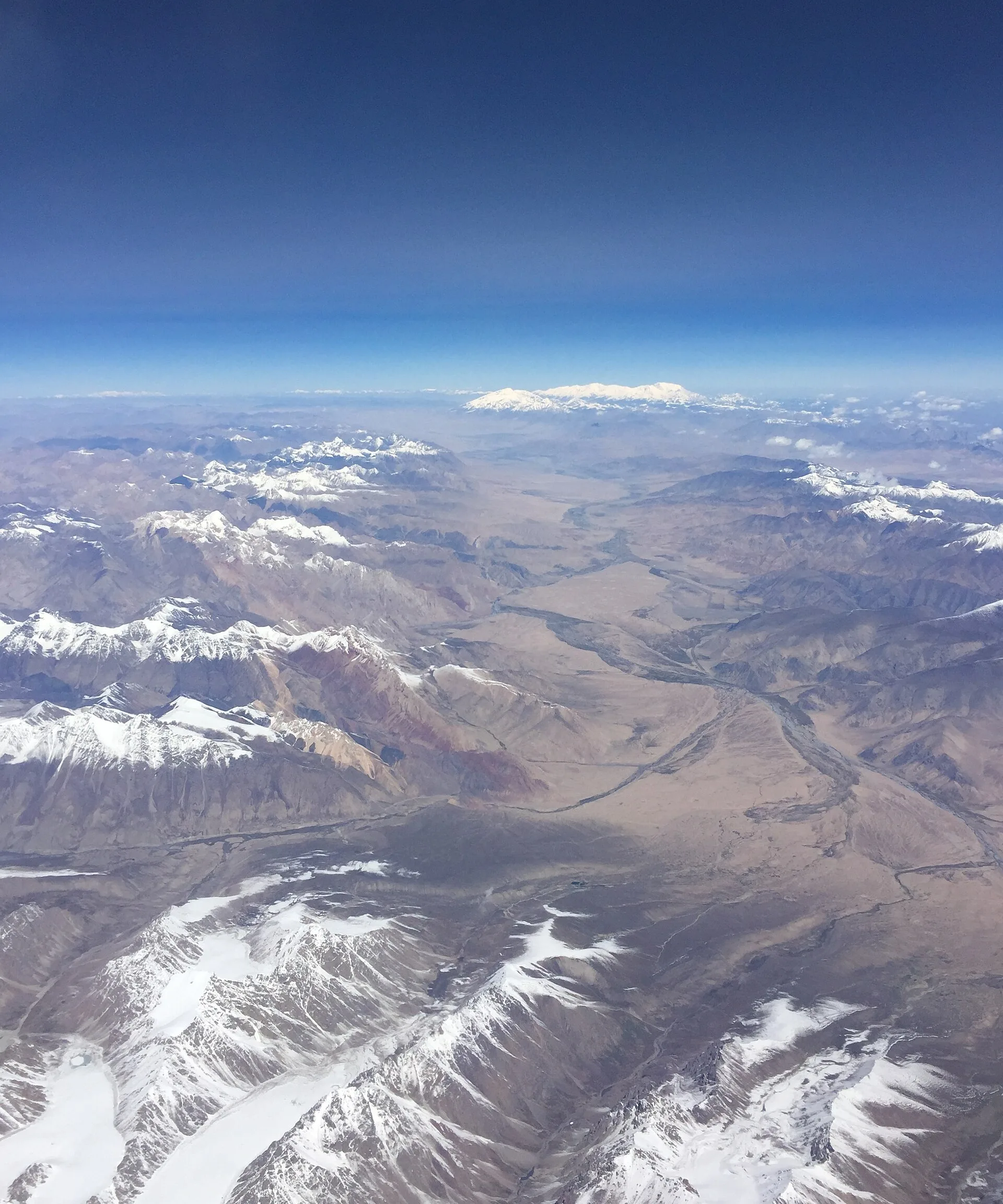
Compares Jiangjunshan, Keketuohai, Jikepulin, Silk Road and Baiyun ski resorts, gives selection advice by beginner, advanced, holiday and transport needs, and organises itinerary, safety and pre-booking verification points.
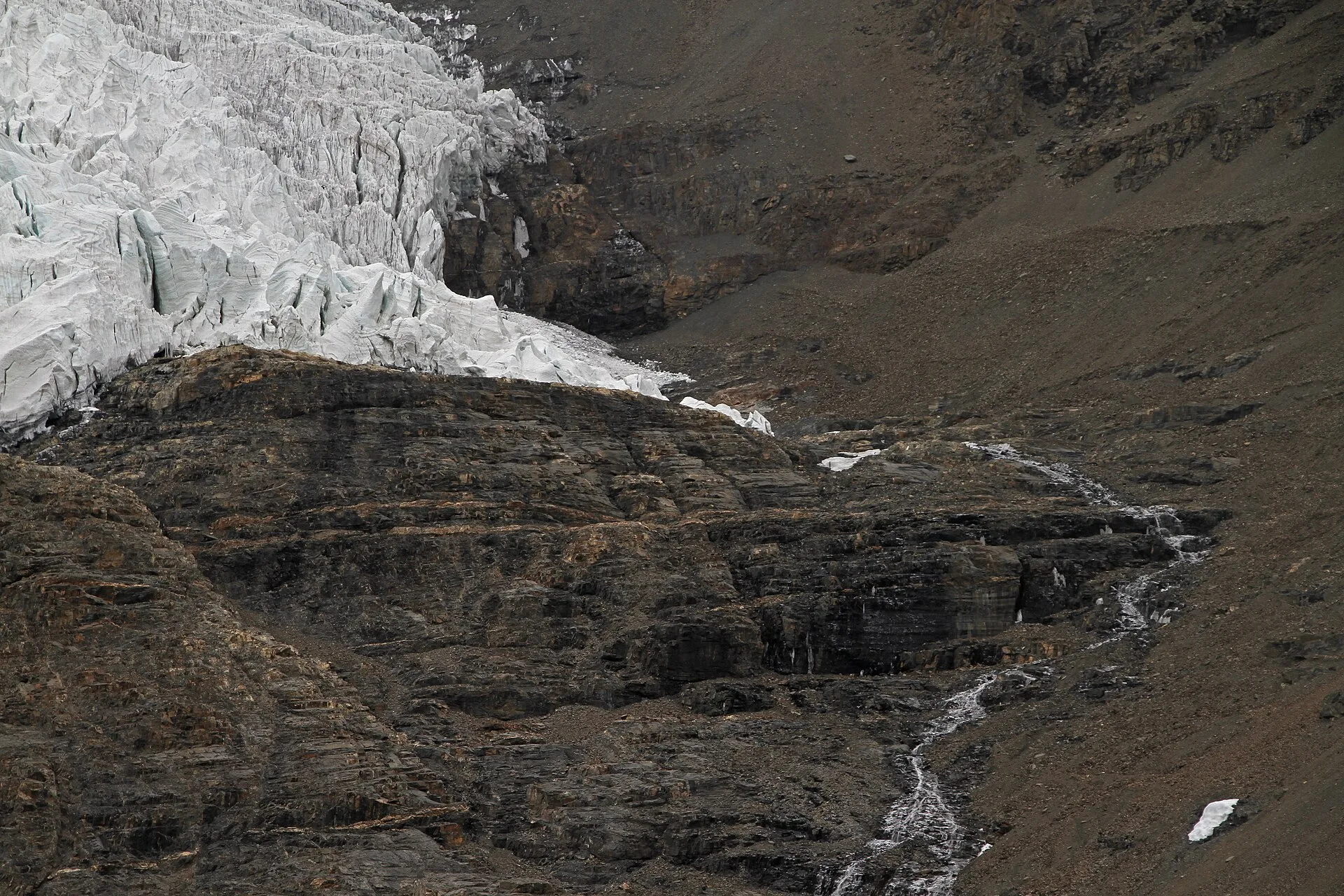
A 13-day route from Lhasa through Mount Everest, Mount Kailash, Guge, Pangong Lake and the Qiangtang lakes and back to Lhasa, focusing on daily rhythm, high-altitude acclimatisation, lodging trade-offs and pre-departure verification.
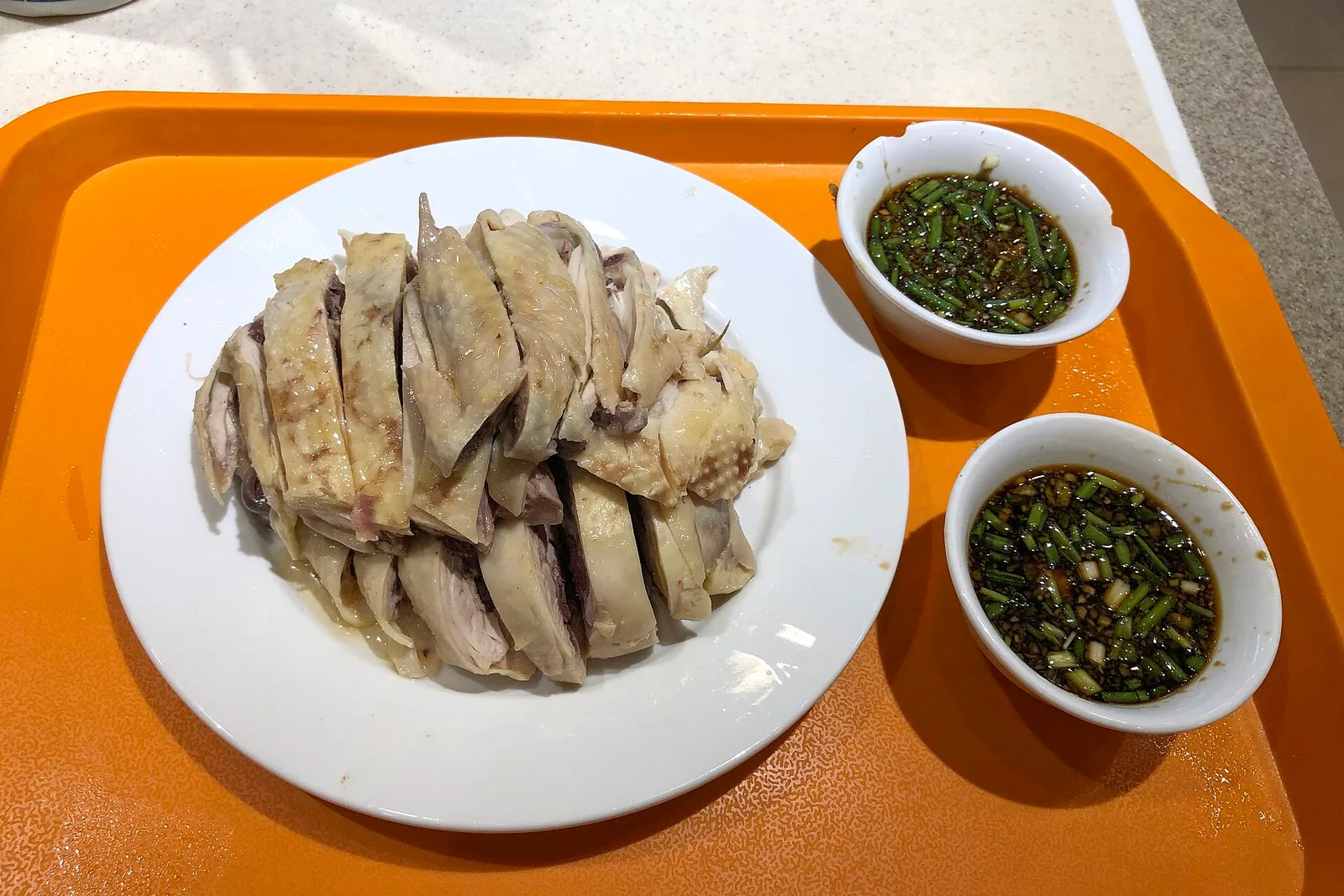
Last Thanksgiving I was in Xi'an. No turkey, but there was lamb paomo from Lao Sun's in the Muslim Quarter and a bottle of Bingfeng soda. When foreign friends asked how I spent Thanksgiving, I said: in China, any day can be Thanksgiving.
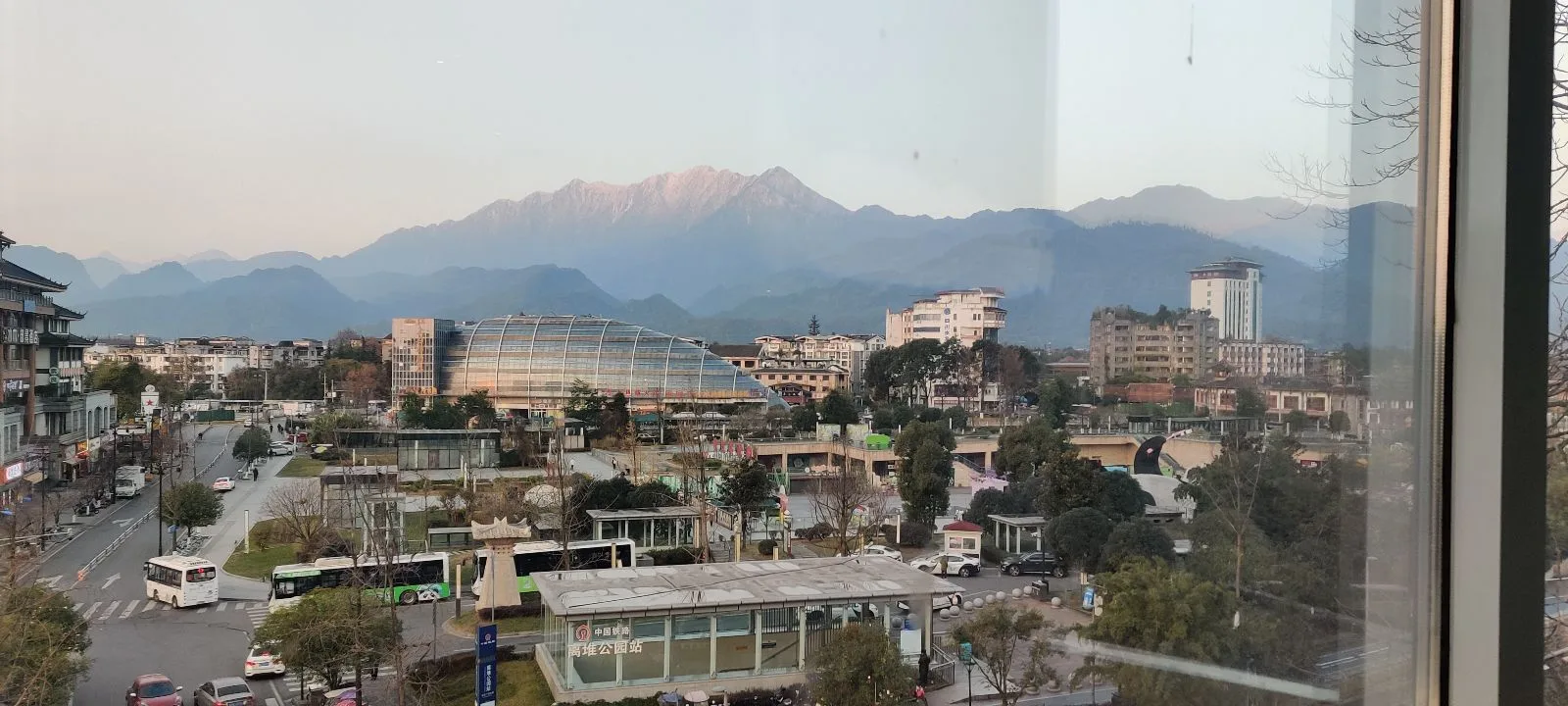
Chengdu Research Base of Giant Panda Breeding, the China Conservation and Research Centre at Wolong, Panda Valley in Dujiangyan — where to go and when, how to tell one panda from another, and how to catch the best of them.
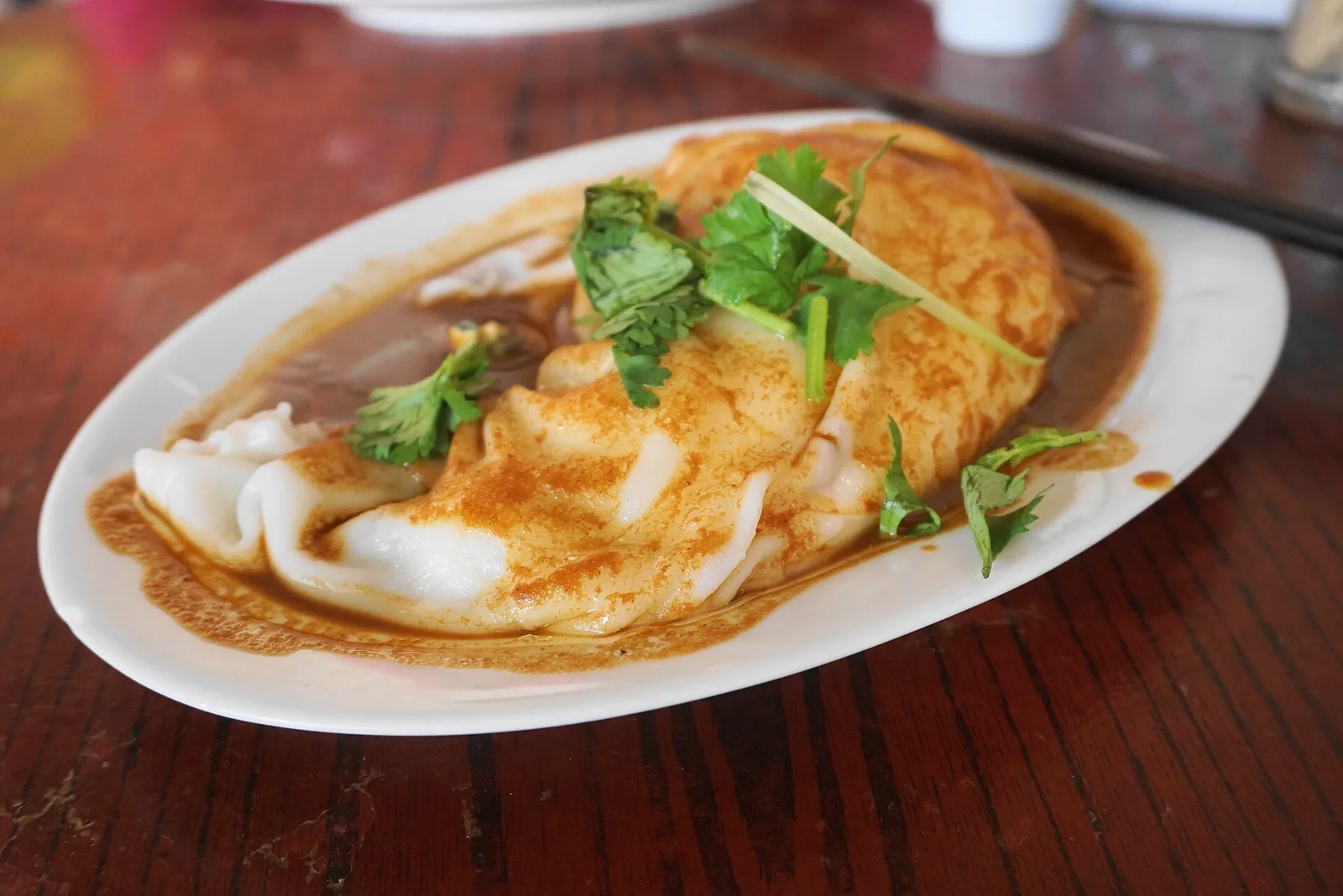
Not another tick-box tourist. Live it like a local: the hole-in-the-wall joints beyond Chengdu's Kuanzhai Alley, the old teahouses deep in Xi'an's Muslim Quarter, the fresh seafood at Xiamen's Eighth Market. 0765trip takes you to the China that tastes real.
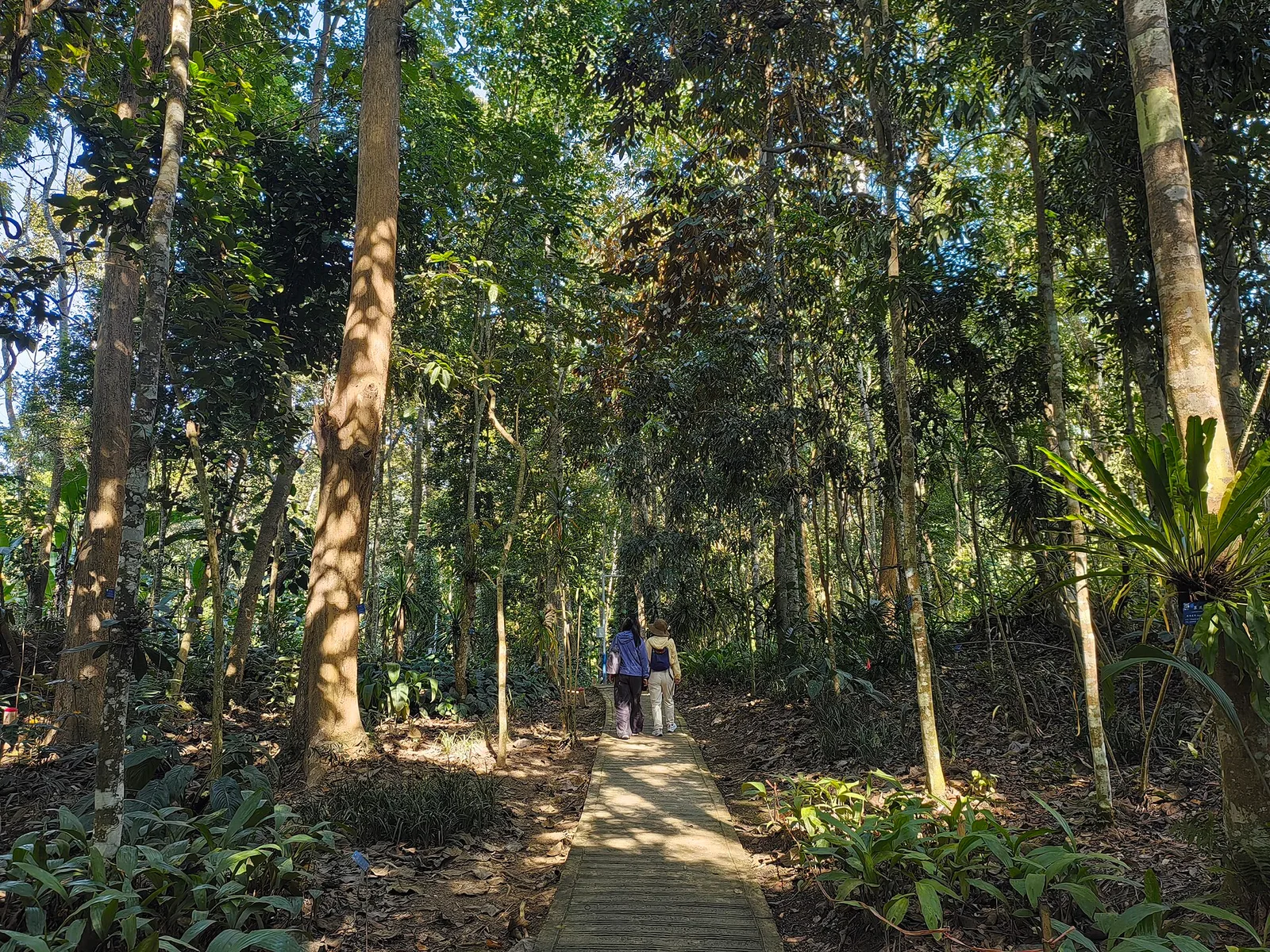
Morning mist in a rainforest where the crowns meet a hundred metres up, and Asian elephant tracks cross the muddy trail. In Xishuangbanna's tropical rainforest I found nature's gentlest embrace.
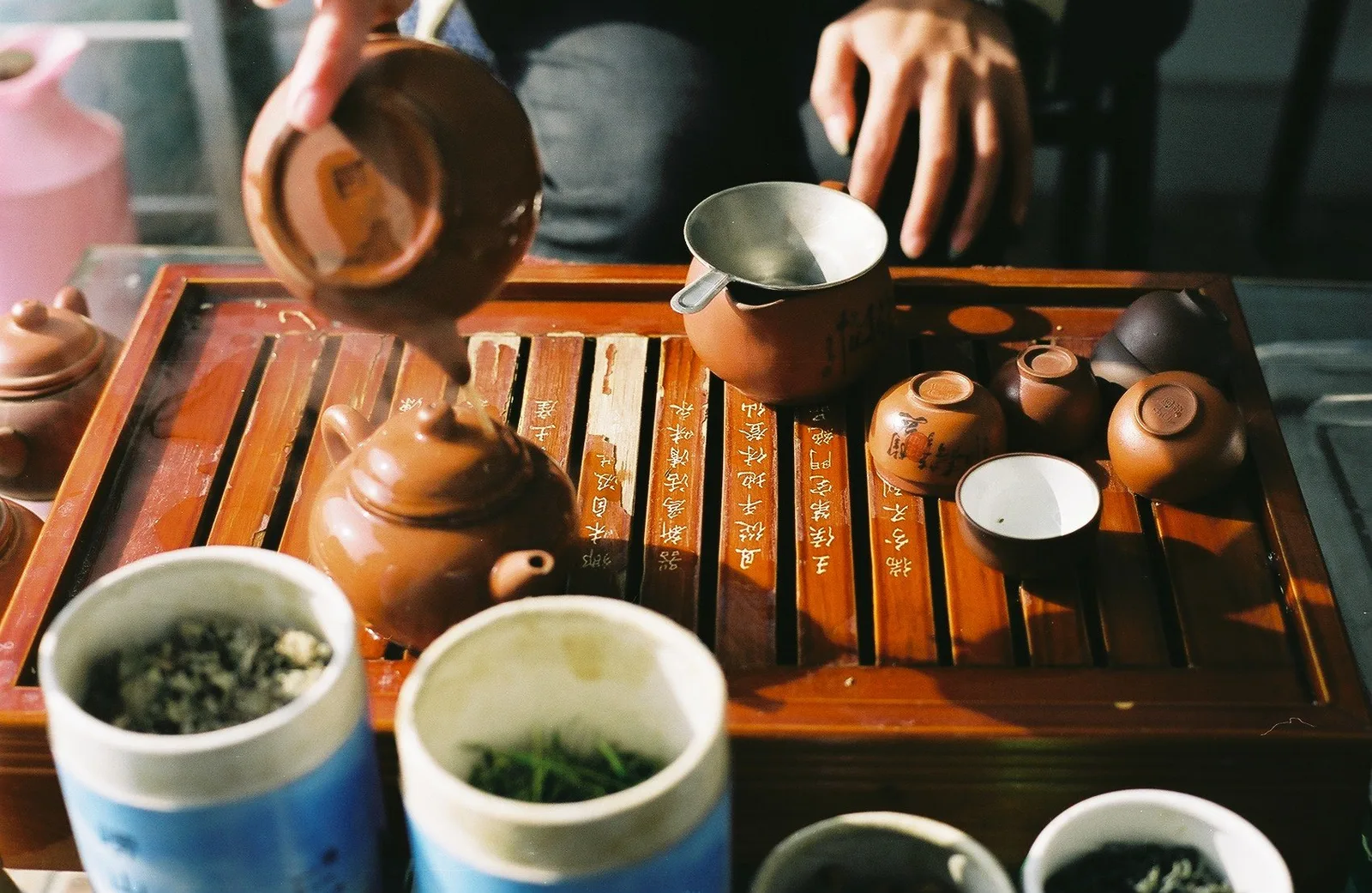
Make butter tea with a Tibetan mother, embroider beside Miao women, fish with a boat crew or pick tea with a farmer. 0765trip's Closer Moment days are built so you spend the day with people, not just look at them.
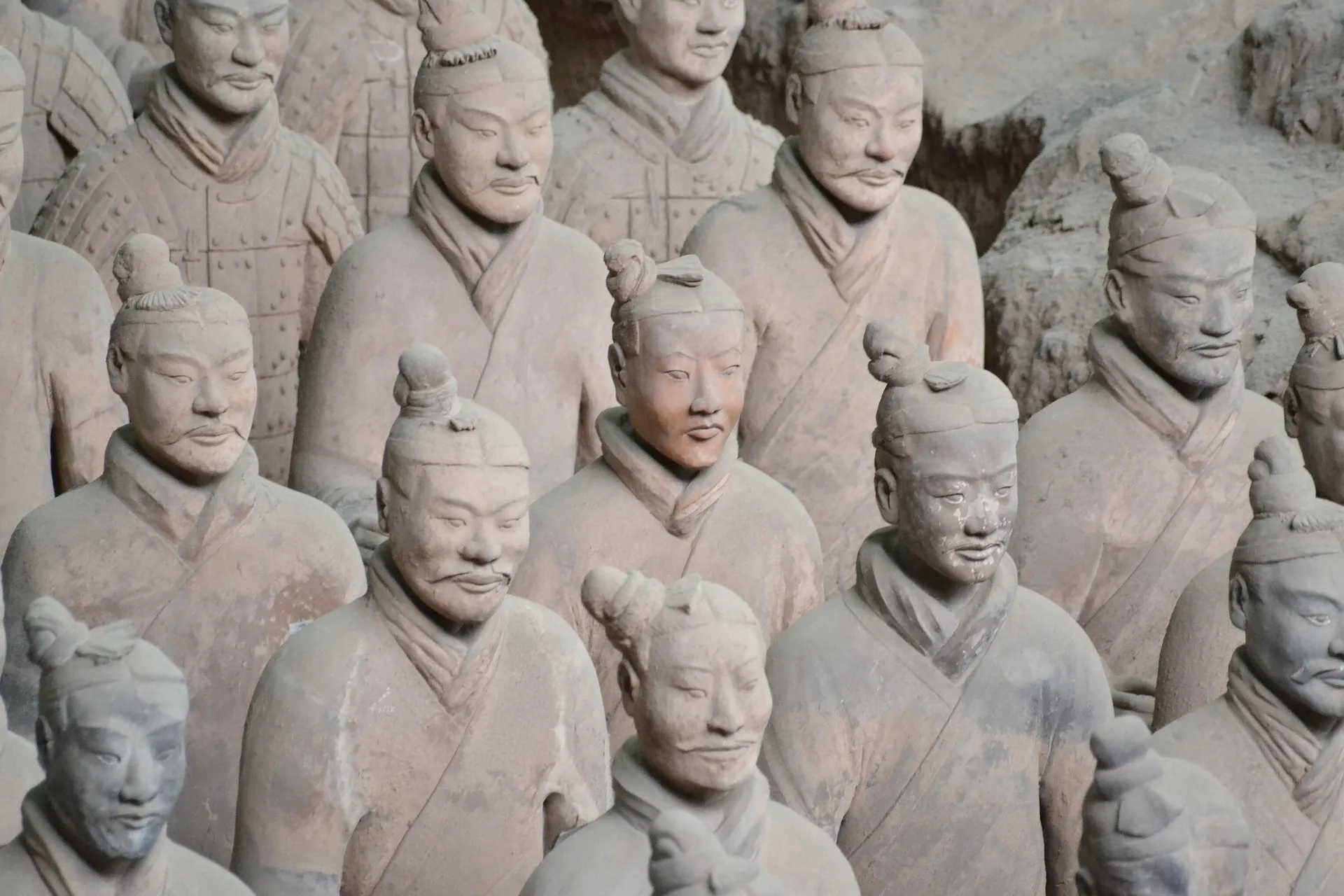
Routes picked for gentle pacing, solid facilities and real medical backup — from the Forbidden City in Beijing to the Terracotta Army in Xi'an, from the Li River in Guilin to the gardens of Suzhou — so your parents can enjoy the trip without bracing for it.
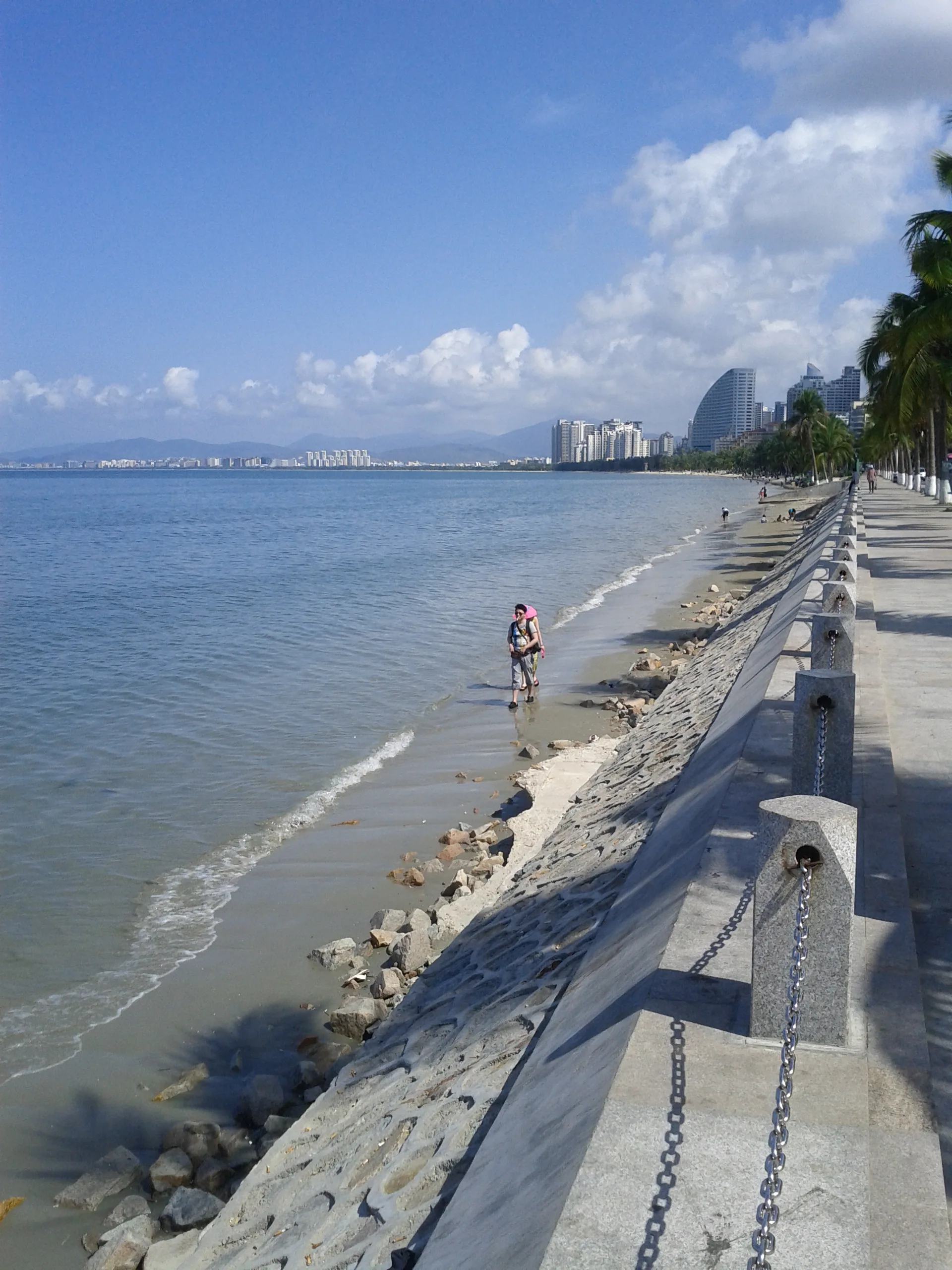
From the panda base in Chengdu to the rainforest of Xishuangbanna, from Guilin's rivers to Hainan's beaches: routes chosen for what families can actually do together, so children learn on the road and the family comes home with something worth remembering.