
What to bring from Xinjiang? Turpan raisins, Ruoqiang red dates, paper-shell almonds, dried figs, Aksu apples and Hami melons (in-season fresh fruit), plus snow chrysanthemum and lavender products—origin, season and carrying tips are all here.
Destination: Xinjiang
Xinjiang is China's 'fruit plate': with long sunshine and big temperature swings, its dried and fresh fruits are both sweet and long-lasting. The short answer:the items that travel home long-term are dried fruits—raisins, red dates, almonds, walnuts and dried figs; the seasonal treats to taste fresh are Hami melons, grapes, Korla fragrant pears and Aksu apples. Snow chrysanthemum and lavender products are also highly recognisable Xinjiang specialities. For dried fruit trust origin and season; for fresh fruit trust the season and cold chain.
This guide focuses on what 'can be carried and keeps well'; for presentable gift boxes see the 'Xinjiang Gifts & Souvenirs' guide. Prices and shipping follow the latest notices on site and from official channels.
The Dried-Fruit Family: Raisins, Red Dates, Almonds and Walnuts
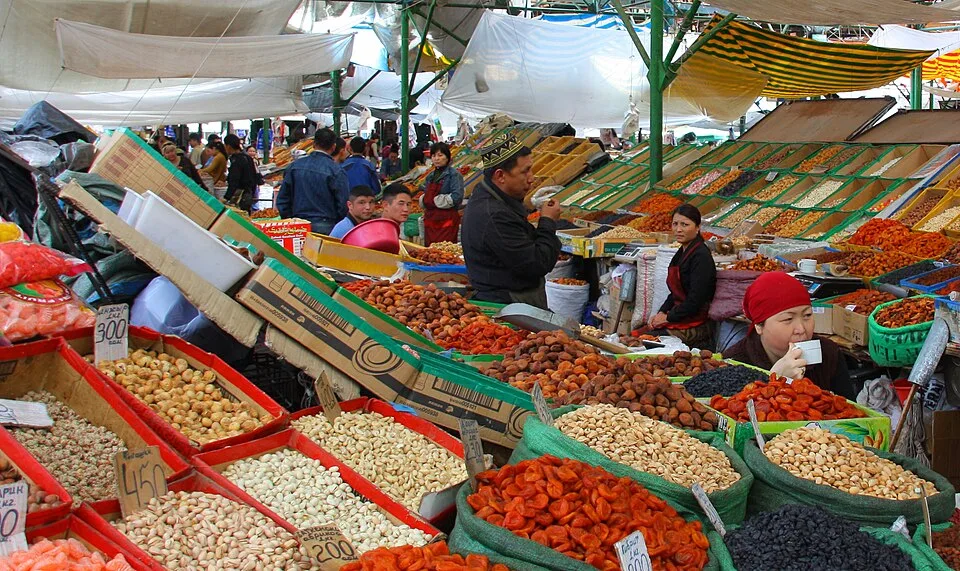
Xinjiang dried-fruit markets can almost assemble a full 'nut-and-dried-fruit platter':
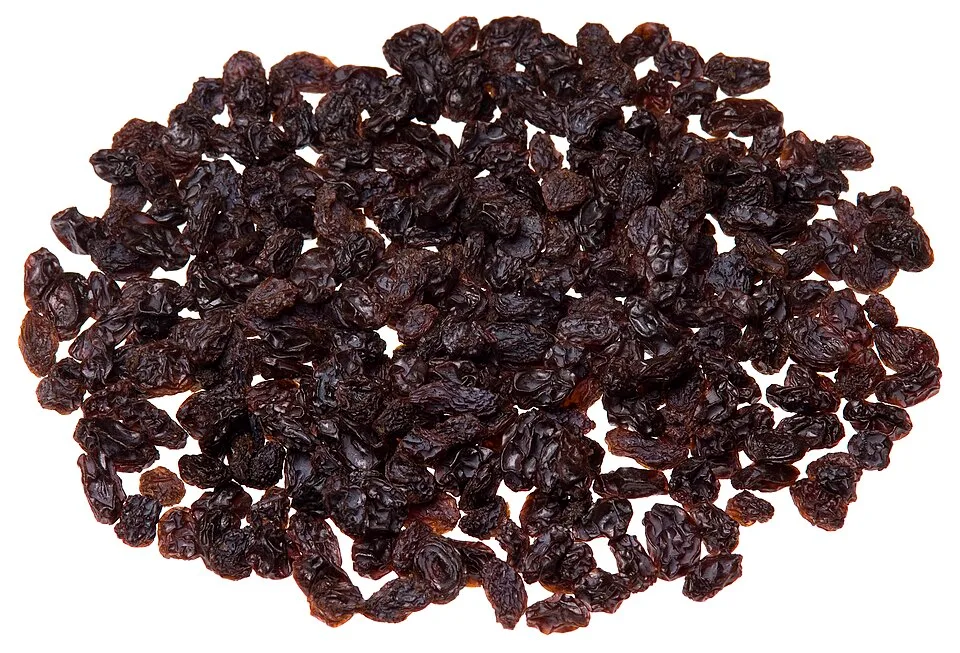
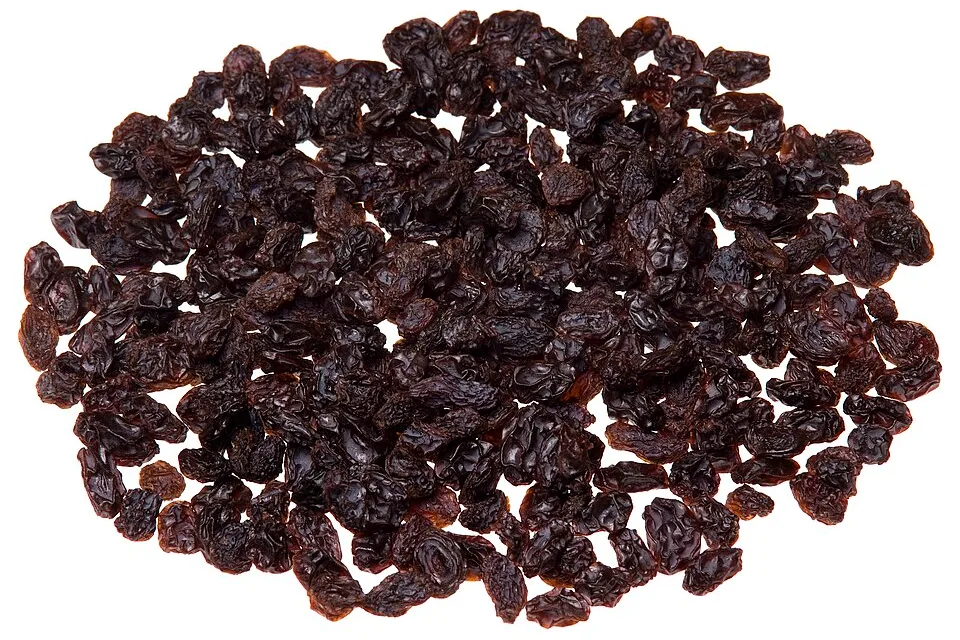
Turpan raisins: green, black and other varieties—look for even colour and plump grains; small-seeded types like 'Wuhe Bai' (seedless white) are most common.
Ruoqiang / Hotan red dates: Ruoqiang dates are small and very sweet; Hotan dates are large with thick flesh. Trust origin labels and dryness for both.
Paper-shell almonds: Xinjiang almonds have thin shells that crack easily and taste crisp once roasted; shell-on almonds keep longer.
Walnuts: walnuts from Hotan/Aksu are well known; paper-shell walnuts you can crack by hand are the selling point—ask the vendor to demo one before buying.
Dried figs(Artux area): sweet and chewy; individually packed versions carry well—mind moisture.
For dried fruit, it's best totaste before buying at local dried-fruit markets or the Grand Bazaarand choose 'fresh new-crop' stock; avoid oddly coloured old stock (be cautious of overly glossy red dates).
Grapes and Raisins: From Turpan to the Drying Rooms
Turpan's fresh grapes are concentrated in summer and autumn, while raisins are mostly naturally air-dried in drying rooms. For raisins checkthe crop season and dryness—a handful that doesn't stick together is safer. Green raisins are lightly sweet; red/black raisins are stronger in flavour, so buy small bags of each to try. Prices at markets around the Turpan Grape Valley aren't necessarily cheaper than city wholesale—compare before you buy.
In-Season Fresh Fruit: Hami Melons, Fragrant Pears and Crystal-Sugar Apples
Hami melons: many varieties, sweetest in the summer season; bulky for checked luggage, so better eaten locally or sent by courier.
Korla fragrant pears: thin-skinned and juicy; they keep only so-so once boxed—fine for short trips.
Aksu crystal-sugar apples: the 'crystal heart' shows clearly after autumn frost—better shipped in season than carried on your back.
The rule for fresh fruit is 'in season, local, eaten promptly'—treat it as 'the taste of the trip' rather than 'baggage weight'.
Snow Chrysanthemum and Teas: Flower Teas Like Kunlun Snow Chrysanthemum
Kunlun snow chrysanthemumgrows at high altitude and brews with a chrysanthemum aroma. Check the origin and dryness when buying, and don't believe 'miracle effect' claims. Similar flower teas include rose and luobuma tea; prices range widely—choose regular grades to fit your own budget.

Lavender Products: Yili's Purple Industry
The lavender estates of Yili producedried flower bunches, sachets, lavender essential oil and honey. Essential oil and liquids must followchecked-luggage and volume rules; dried flowers and sachets are light and easy to carry, ideal for fragrance-loving friends. Lavender products come from many origins—for oil, check the purity statement and producer rather than just the 'imported' label.
Three Easy Pitfalls
Dried fruit sold below grade: taste first, trust the crop season and dryness, and avoid oddly coloured old stock.
Fresh fruit as luggage: bulky and easy to crush—for long trips prefer courier or eating locally.
'Wild/curative' claims: treat flower teas like snow chrysanthemum, luobuma tea and black goji as everyday drinks, and don't pay a premium for exaggerated effects.
Wrapping up
Xinjiang specialities in one line:sweet in raisins, substantial in red dates, crisp in almonds, fragrant in snow chrysanthemum and lavender, and fresh-tasting in seasonal melons—for dried fruit trust the crop season, for flower teas trust the origin, and leave fresh fruit to the locals. Half of Xinjiang's best is in the dried fruit you can carry; the other half stays in the memory of eating it in season.
Prices and shipping policies change with the season; before you go, check the latest notices from local markets and official channels. To fit shopping stops such as the Urumqi dried-fruit market, Turpan and the Yili lavender estates into your itinerary, tell 0765trip's travel advisors your 'number of days + route' via our contact page.
Coming to Xinjiang in winter: what food travels
Naan keeps best: fine at room temperature for days, and softening again if reheated. Cured horse sausage and air-dried meat need refrigeration, workable on short trips and needing vacuum packing plus ice packs on long ones; confirm carriage rules before flying home or crossing provinces.
Dried milk curds are sour and divisive, so buy a small portion first. Honey and jam are liquids, restricted in carry-on and needing careful packing for checked luggage.
One practical note: buy these before Spring Festival rather than on your last day, since markets start closing two or three days ahead.