
Not another tick-box tourist. Live it like a local: the hole-in-the-wall joints beyond Chengdu's Kuanzhai Alley, the old teahouses deep in Xi'an's Muslim Quarter, the fresh seafood at Xiamen's Eighth Market. 0765trip takes you to the China that tastes real.
As a travel editor I have an occupational habit: the first thing I do in a city is not the sights, it is diving into its alleys for food. A friend says I get to know a city through my stomach. She has a point — sights can lie, flavours do not.
Over the years I have collected a fair number of local finds in the back lanes of China. No signboards, no review listings, not even findable on a map, and yet the truest Chinese flavours I have met.
Chaozhou: the discipline of one rice roll
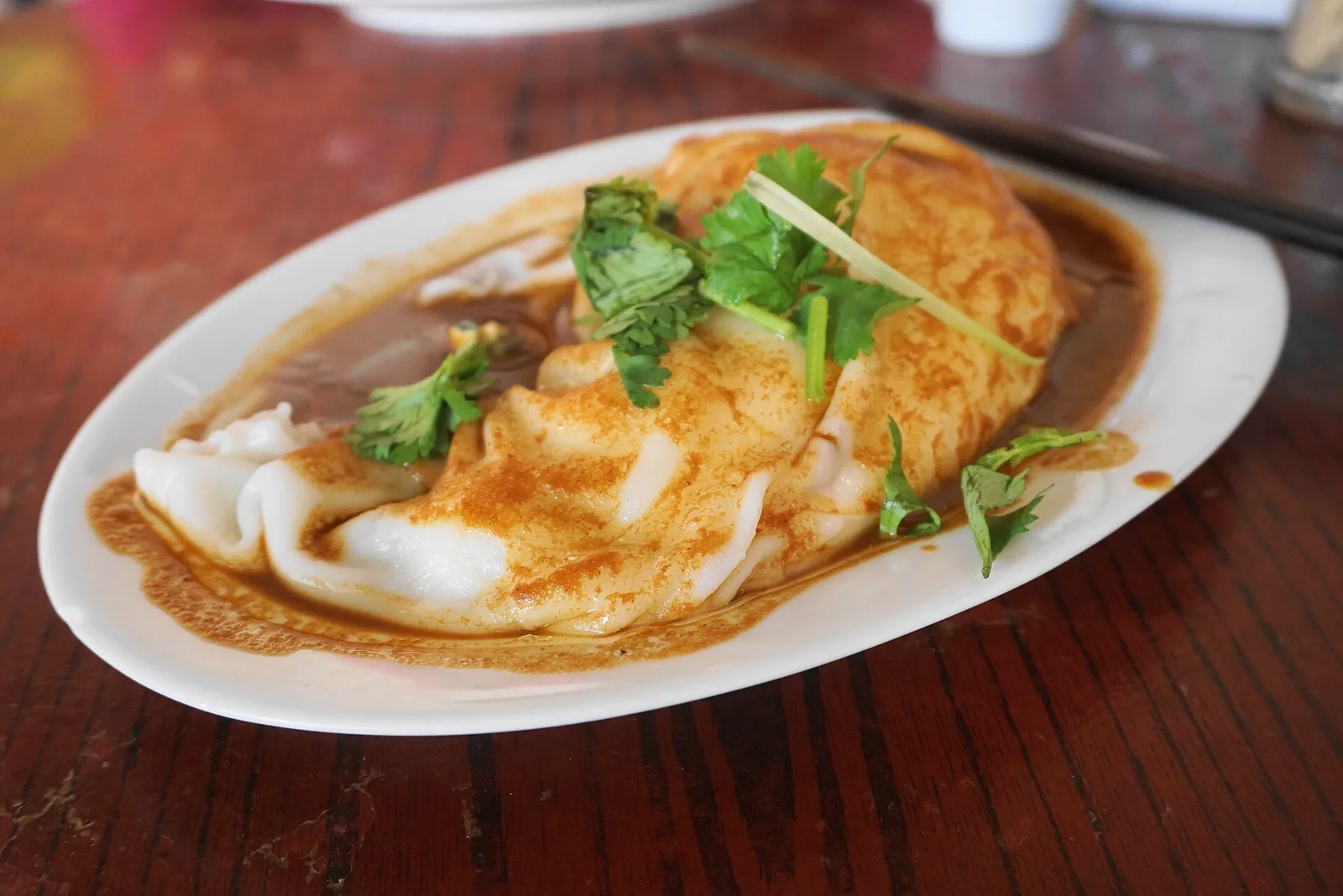
At six in the morning in Chaozhou, steam is already rising in the lanes around Ximen market. Ah-Juan's rice-roll stall has two tables and not an empty seat. Her rolls, she says, are thin without tearing, soft without going mushy: grind the rice batter fresh, time the steaming exactly, and mix the sauce yourself from peanut paste and braising liquid.
I ordered beef. She ground the batter, steamed it, rolled it, then finished it with a spoonful of amber sauce. My chopsticks lifted a roll and it trembled on the plate. At the first bite I understood why people get up half an hour early every day for this.
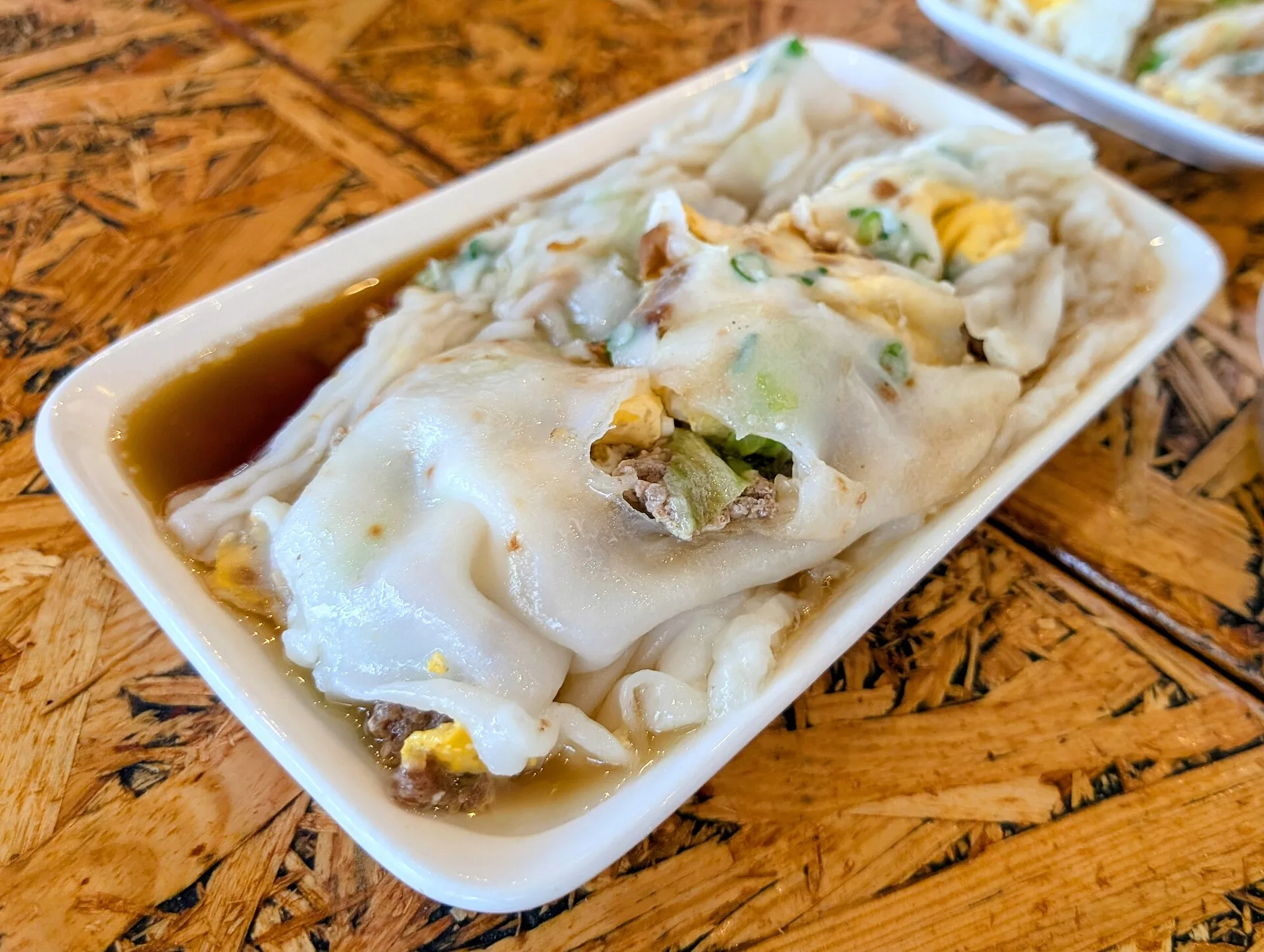
"Twenty years on this street," Ah-Juan said. "Customers who came as kids now bring their own children."
Shunde: the patience in a bowl of double-skin milk
If Chaozhou's flavour belongs to the morning, Shunde's sweetness hides in old shops in the afternoon.
At a century-old shop in Daliang, double-skin milk goes through four steps — boiling the milk, letting the skin form, beating the egg, steaming in a water bath — and none of them can be hurried. Many shops use machines now and turn out a batch in ten minutes, the owner said. We still do it by hand. We make this much a day and close when it is gone.
I sat under the arcade and ate slowly. The skin was thick as a set cloud, gone the moment it touched my tongue, sweet without cloying. An elderly woman at the next table said she had eaten it since she was a girl and now brings her grandchildren; the taste had never changed.
In an age that prizes speed, someone still spends forty minutes on one bowl of dessert. That is a kind of luxury.
Guangzhou: a plate of rice rolls and a bowl of congee after midnight
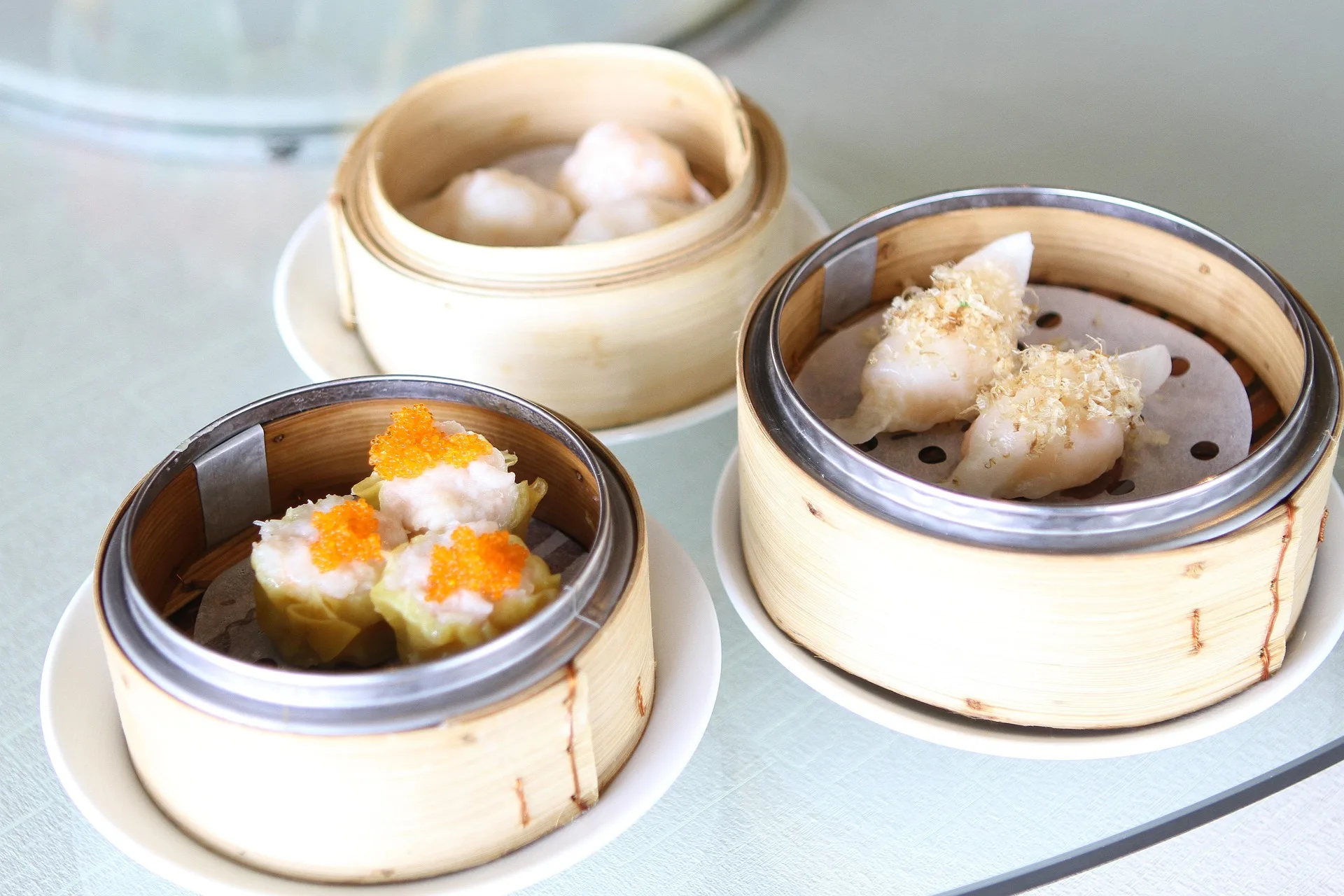
At eleven at night in Guangzhou's Xiguan, the congee shop is still full. Jidi congee, sampan congee, pork-offal congee, all bubbling in clay pots. The owner, a man in his fifties, saw a new face and added two extra slices of liver: you are young, build yourself up.
Isn't it late for a crowd like this, I asked. He pointed at the door: in Guangzhou, supper does not start until midnight.
A city's real flavour often hides in the hour and the corner you would never think to look.
Why these small shops survive
The three shops share something: none is cheap, and none has expanded. Ah-Juan's stall has two tables, the Shunde shop closes when the day's stock runs out, and the Xiguan congee shop has kept the same clay pots for decades.
I asked the Shunde owner why he never hired more staff or opened a second branch. He turned it back on me: and who would watch the fire? Double-skin milk lives or dies on heat, and heat needs a person watching it. Lose focus and the skin will not set. I have remembered that line — the moat around many old shops is not a secret recipe but someone willing to repeat one small thing every day.
The other thing they share is their customers. The Chaozhou stall runs on neighbours, the Shunde dessert shop on several generations of memory, the Guangzhou congee shop on people coming home late. None of them makes its living from tourists, so none of them has to please tourists: no posing, no queue, no check-in, and the taste stays the same.
That is probably why these shops are invisible on maps and rankings — they were never opened for people who had to search them out.
The three best hours of the day
The three shops sit at three different hours: six in the morning in Chaozhou, three in the afternoon in Shunde, eleven at night in Guangzhou. That is no coincidence — the good things tend to exist in one fixed window only.
Rice rolls mean getting up early: the batter is ground fresh, steamed tray by tray, and the stall closes once the morning trade is over. Double-skin milk means waiting for the afternoon batch, and the shop shuts when it sells out. Congee means staying up, because the clay pot needs the hours. So my advice is not to eat three cities in one day, but to shift your own clock to each city: early in Chaozhou, afternoon in Shunde, late in Guangzhou.
The cities are close together; high-speed and intercity trains link Chaoshan, Shunde and Guangzhou on one line. For the practical side seeChaoshan transport, and if you are flying in and out of Guangzhou, start withfirst time in Guangzhou。
The taste of China, down an alley
Stringing these local finds together, I noticed a pattern: really good shops rarely care whether you can find them. They sit deep in the lanes with no signboard and no marketing, passed on by neighbours by word of mouth. The owners never think their craft is something to boast about; they simply do one thing to the limit, day after day.
That may be the base note of Chinese food culture: unshowy, exacting, and making ordinary days taste of something.
If you want to hunt for local finds like these, a few suggestions:
- Talk to locals: taxi drivers, guesthouse owners, the woman selling vegetables. Their recommendations beat any ranking.
- Go to the market: a wet market is a city's stomach. Follow the route locals shop and you cannot go far wrong.
- Get up early: many of the truly local snacks are made in limited amounts, in the morning only.
- Be patient: old shops are slow, and they are slow for a reason.
The most beguiling part of travel may be exactly these unplanned flavours. They never make it onto a map, but they settle in memory.
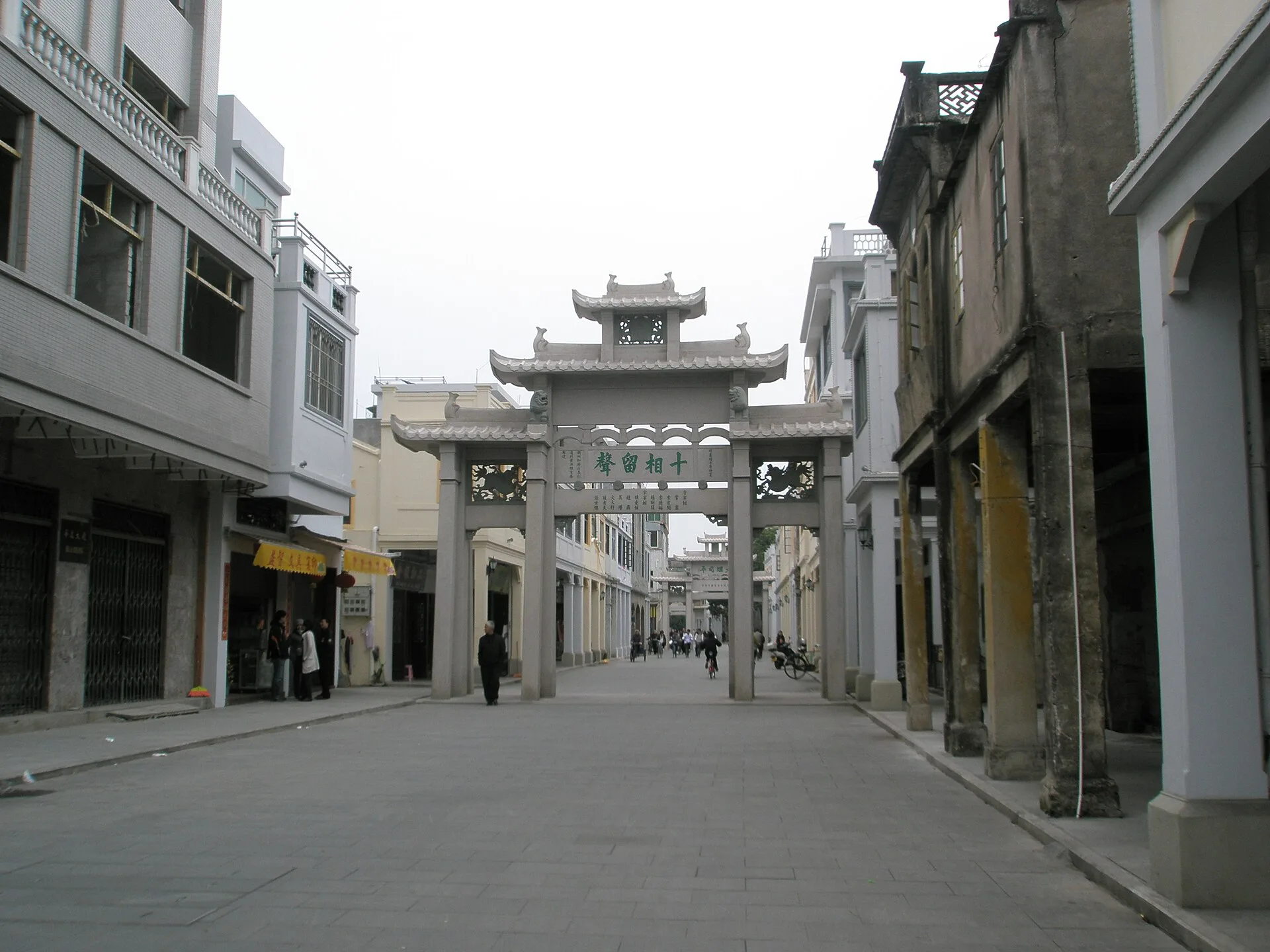
These flavours hidden in the alleys are the reason I keep setting off, and the thing I miss most after I come home.