
Last Thanksgiving I was in Xi'an. No turkey, but there was lamb paomo from Lao Sun's in the Muslim Quarter and a bottle of Bingfeng soda. When foreign friends asked how I spent Thanksgiving, I said: in China, any day can be Thanksgiving.
The last Thursday of November, I was in Guangzhou. My phone filled with American friends' Thanksgiving tables — roast turkey, cranberry sauce, pumpkin pie — captioned the same way every time: Happy Thanksgiving! I put the phone down and looked out at the steaming rice-roll stall under the arcade, and realised: this year, no turkey, and no problem at all.
The thought made me laugh at myself. As an American who has lived in China for years, I learned early that celebrating a festival the local way is usually happier than defending the ritual.
"A Chinese Thanksgiving" dinner
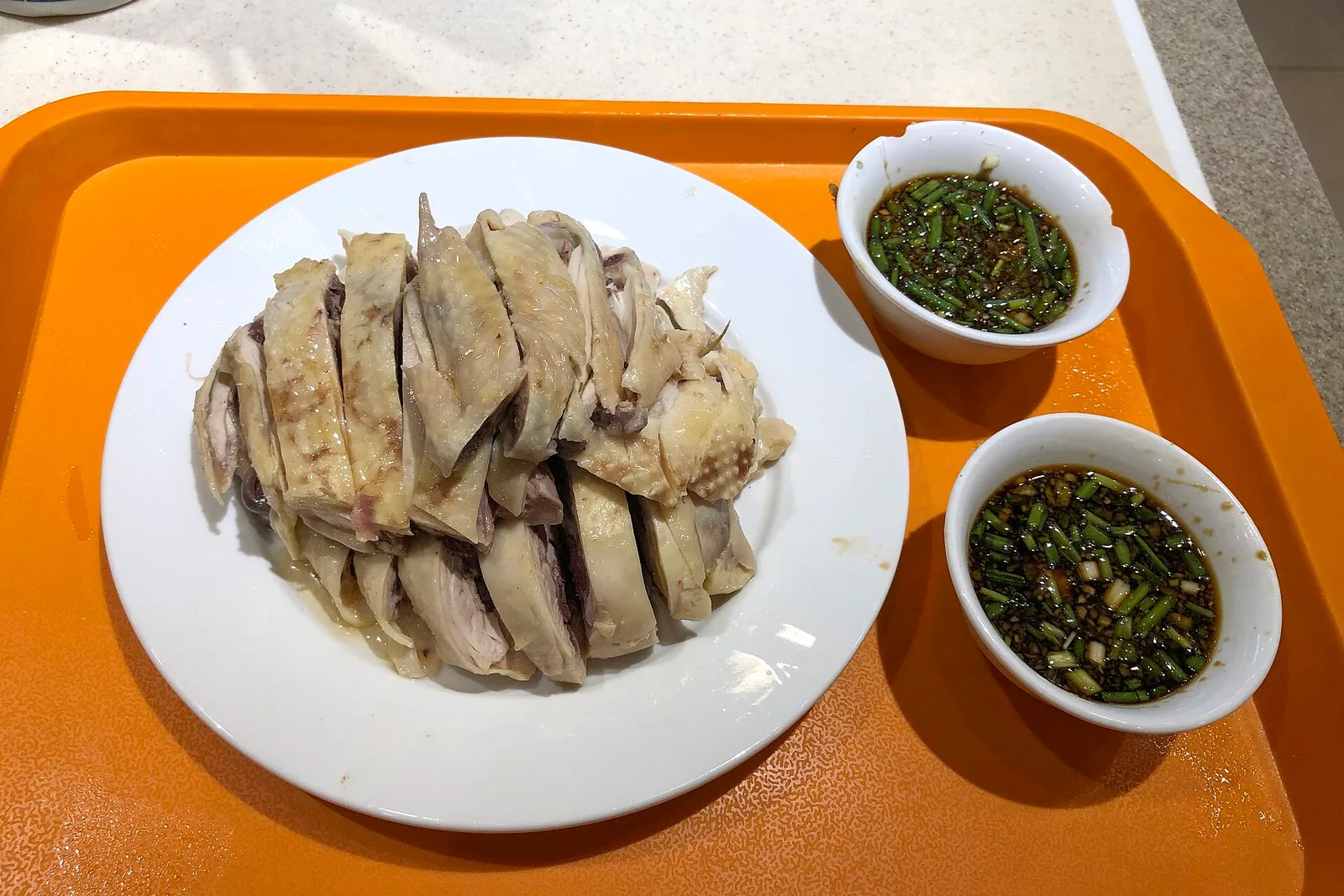
In the evening I gathered three foreign friends who also work in China and took them to an old Cantonese restaurant. No turkey, but we ordered white cut chicken — in Guangdong, no banquet is complete without chicken, so this was their turkey. Along with roast goose, steamed sea bass, garlic choy sum and a pot of house soup.
My friend Mark raised his teacup: to every Thanksgiving we have spent in China. We clinked, and laughed until we were hoarse.
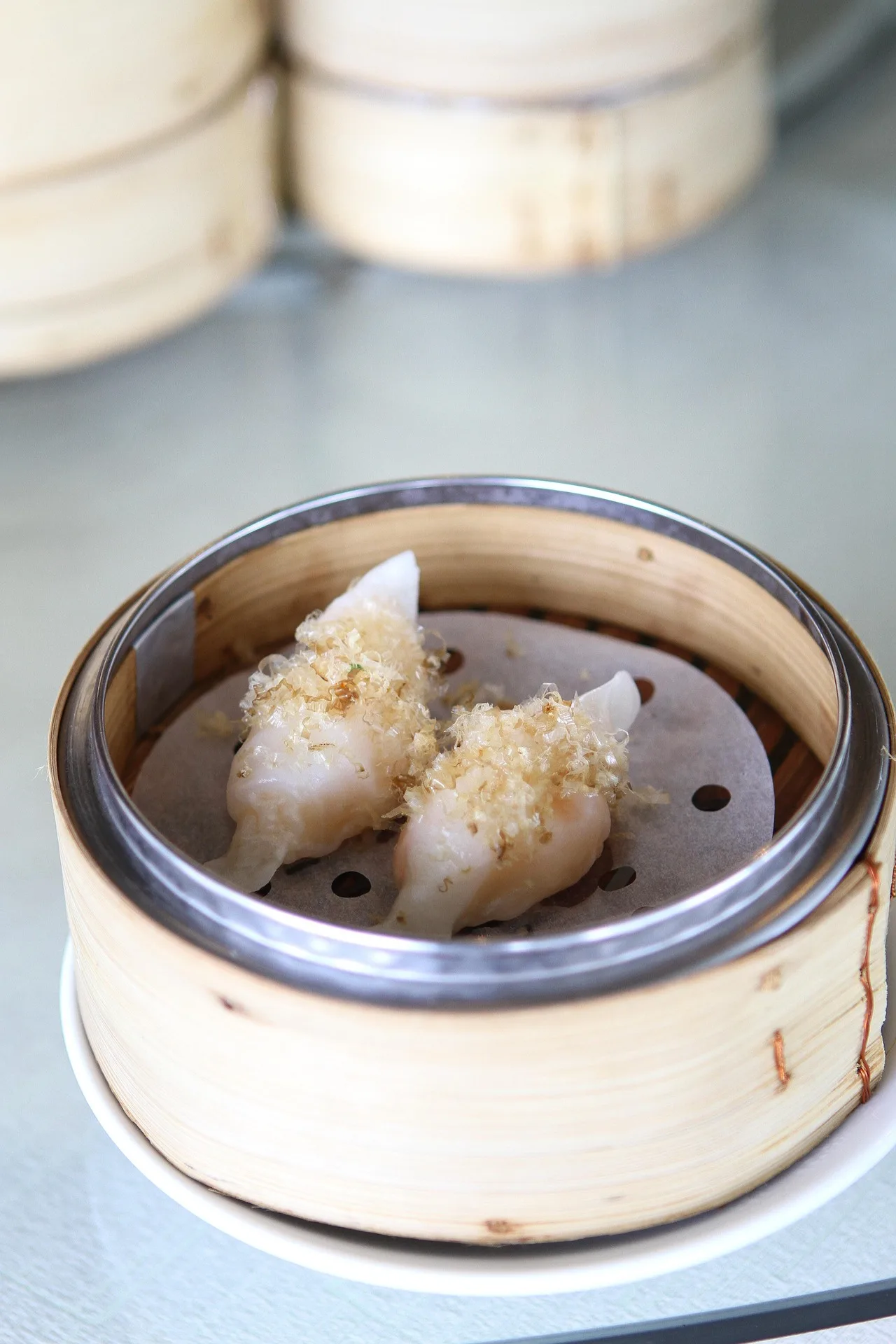
As dinner wound down the owner brought over a bowl of tangerine-peel red bean soup, on the house. We asked why. In thick Cantonese-accented Mandarin he said: it is a holiday, be happy. And suddenly I felt that the spirit of Thanksgiving — thanking the people around you, sharing a good meal — never belonged to one country. It belongs to anyone willing to sit down and eat properly.
Why I am thankful for China
After dinner I walked along the Pearl River. Pictures from these years in China ran through my head like a film: the driver who helped me load my luggage onto a bus at four in the morning; the owner of a small Chengdu restaurant who taught me to fold dumplings; the grandmother in a Yunnan village who lent me her umbrella.
If Thanksgiving taught me anything, it is this: real gratitude is not about whether you got turkey. It is about whether you properly remember the people who helped you.
In China I have met far too much kindness. More than I can ever repay, so I put it into what I write about travel, and pass it on to the next person I meet.
In China, a festival is something everyone joins
Later I realised that dinner was not an exception. Chinese festivals work much like Thanksgiving: one family, one table, a spread of dishes, and the point is that everyone showed up, not what is on the plates.
Mid-Autumn means mooncakes and pomelos; at winter solstice the north eats dumplings and the south eats sweet rice balls; Spring Festival needs no explanation, with preparations starting in the twelfth month. The foods differ, the logic does not: one specific taste marks one day of the year, and then you eat it with the people who matter.
Foreigners often ask whether it is hard to celebrate Western festivals in China. My answer: not if you are willing to swap ritual for a shared meal. No turkey? White cut chicken, roast goose, hotpot or grilled fish can carry the table. No pumpkin pie? Brown-sugar ciba, osmanthus cake or double-skin milk will finish it. The shell of a festival can change; what is inside — thanks and sharing — does not have to.
How to order a Chinese Thanksgiving table
If you have read this far and want to put together a Thanksgiving dinner in China, this is what I have learned:
- Choose a Cantonese restaurant, not a Western one. Western restaurants tend to push set menus and raise prices that night; Cantonese restaurants trade as usual, and a table can order freely.
- There has to be chicken. In Guangdong, no banquet is complete without it, and white cut chicken is the safest pick: springy skin, silky meat, suits every palate. Half a bird is enough for a small table.
- Add one roast. Roast goose or char siu — good colour, good photos, good with tea.
- One green vegetable and one pot of soup. Garlic choy sum or any stir-fried greens will do; house soup is the foundation of a Cantonese table, and one sip tells you whether the kitchen cares.
- Book ahead. Around the holiday, even old restaurants queue. A phone reservation beats waiting at the door.
- Bring a small bottle or a box of sweets. Passing them round the table feels more natural than giving a gift to the owner.
- Say the thanks out loud. Chinese tables are not used to formal speeches of gratitude, but raise your teacup and say I know this year was hard on you, and most people will wave it off smiling — then put more food in your bowl.
Guangzhou at the end of November
Thanksgiving falls in the most comfortable stretch of Guangzhou's year: around twenty degrees by day, a light jacket at night, bougainvillea still flowering along the streets, and arcades you can sit under all evening without feeling cold.
It is also a good time to loosen the itinerary. Two days eating in Guangzhou, then south to Shunde, east to Chaoshan, or two hours north by high-speed rail to Changsha. Mild weather is made for walking a few extra streets and changing your mind. If this is your first time in Guangdong, routes and transport are covered infirst time in Guangzhou, and the Chaoshan line inGetting to Chaoshanthis Chaoshan guide
For travellers who want a Western festival in China
If you are visiting China during American Thanksgiving, a few half-formed suggestions:
- Do not hunt for turkey: they exist, but a Cantonese white cut chicken is more honest food.
- Share it: restaurant culture in China is generous. Say today is my family's Thanksgiving and many owners will add a dish.
- Go local: rather than insisting on pumpkin pie, try brown-sugar ciba or osmanthus cake — sweetness is a universal language.
- Write a card: bring a few postcards, write to the people you most want to thank on this trip, and post them. That small ritual is worth more than any feast.
That night I posted on WeChat: a Thanksgiving without turkey, and I ate the best white cut chicken in the world in Guangzhou. Thank you China, and thank you to everyone who treated me as a friend.
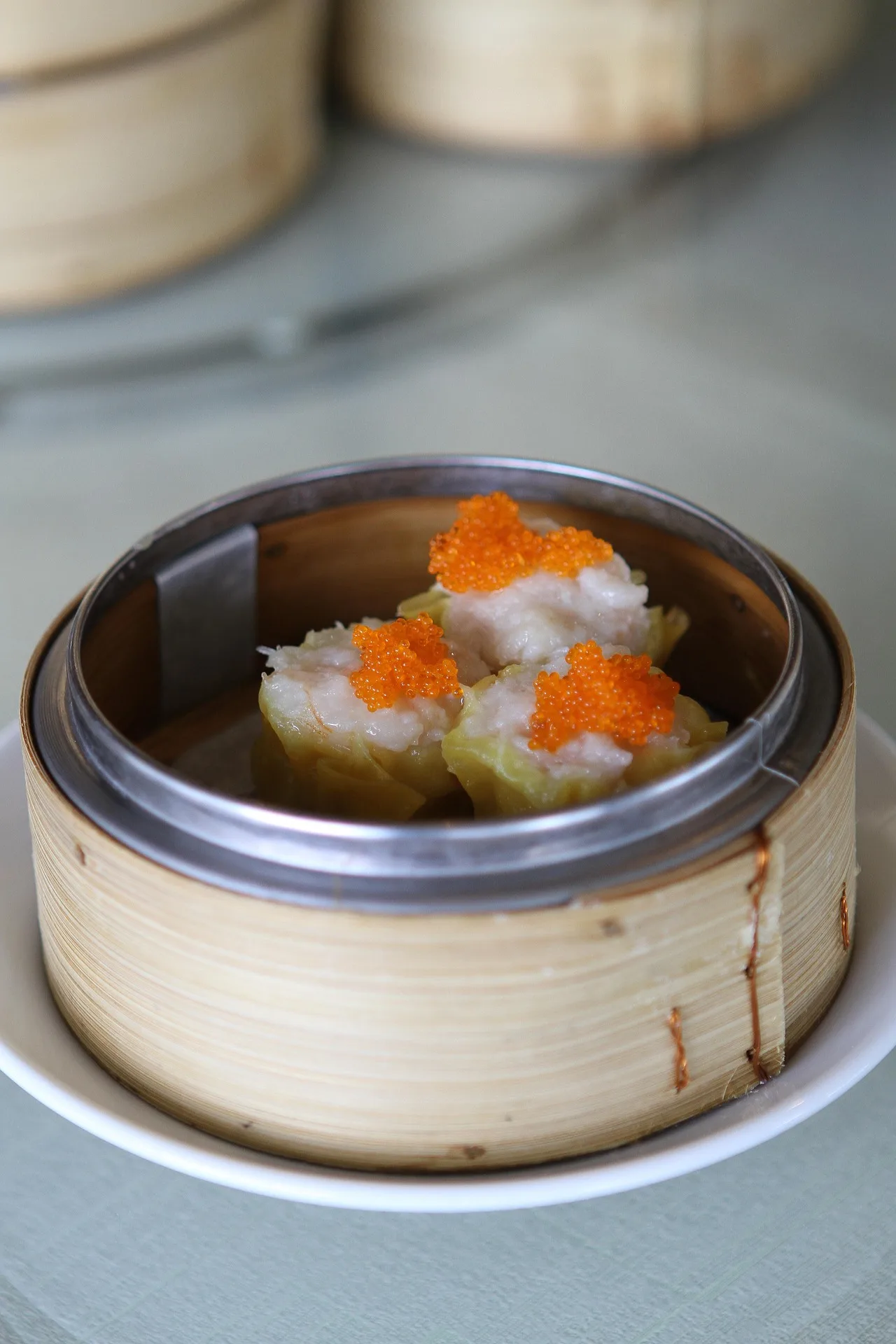
That is my Thanksgiving story. No turkey, but a table full of steaming Cantonese food and a group of people worth thanking. I think that is already the best Thanksgiving.