
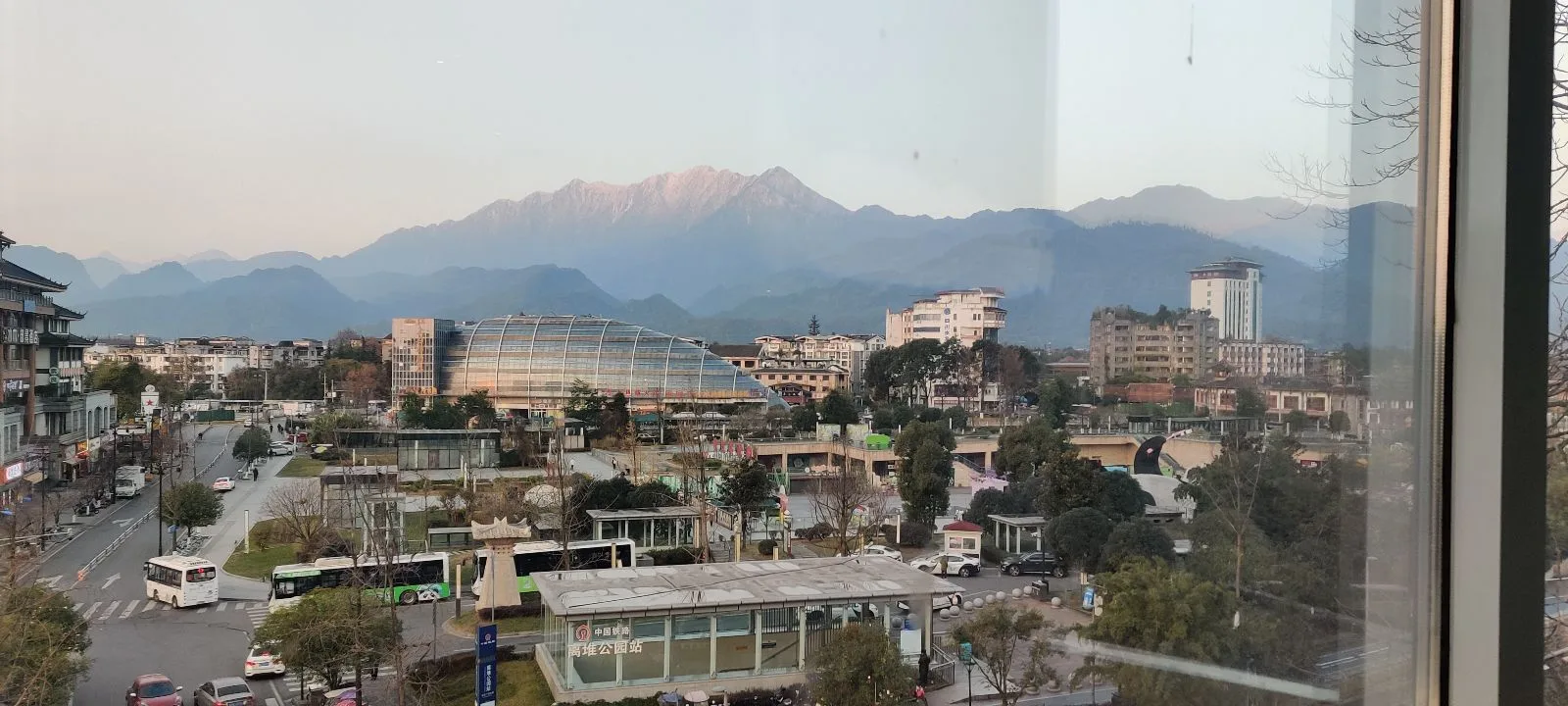
Chengdu Research Base of Giant Panda Breeding, the China Conservation and Research Centre at Wolong, Panda Valley in Dujiangyan — where to go and when, how to tell one panda from another, and how to catch the best of them.
Seeing a giant panda is close to the top of most travellers' lists for China. Round, black and white, sitting down with bamboo and paying no attention to anyone — the national treasure cures the mood of every age group. This guide covers where to see them and how.
Where to see pandas
the Chengdu Research Base of Giant Panda Breeding: the most famous panda base in the world and the obvious first choice. More than a hundred giant pandas live here, alongside red pandas and black-necked cranes.
- In the panda nursery, cubs a few months old are the highlight; a pile of them tumbling over each other is enough to melt anyone.
- In the juvenile enclosure, the pandas are boisterous — climbing, rolling, playing with toys. It is the funniest part of the base.
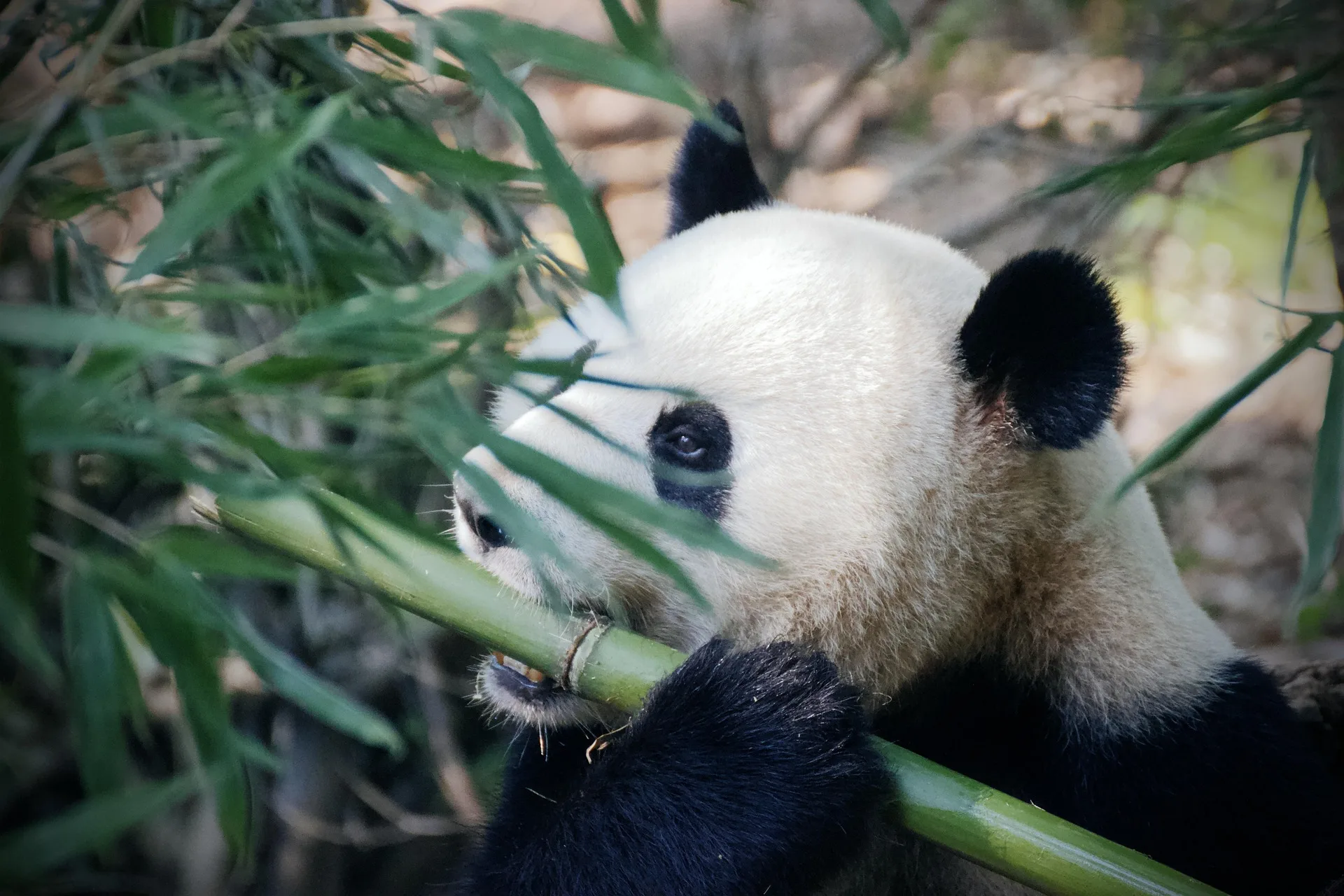
Panda Valley, Dujiangyan: a little further from the city, with fewer people and a more natural setting, for travellers who want a wilder feel. The pandas move freely in open areas, and there is a chance to join a panda volunteer programme (book well in advance).
Wolong panda centre (Shenshuping): in Aba prefecture, a world-class base rebuilt after the earthquake. The setting is superb, with pandas living among green hills and rivers — easy to add to a western Sichuan route.
Beijing Zoo: if you are only visiting Beijing, you can still see pandas here. Convenient, though nothing like the atmosphere in Sichuan.
The best time to watch pandas
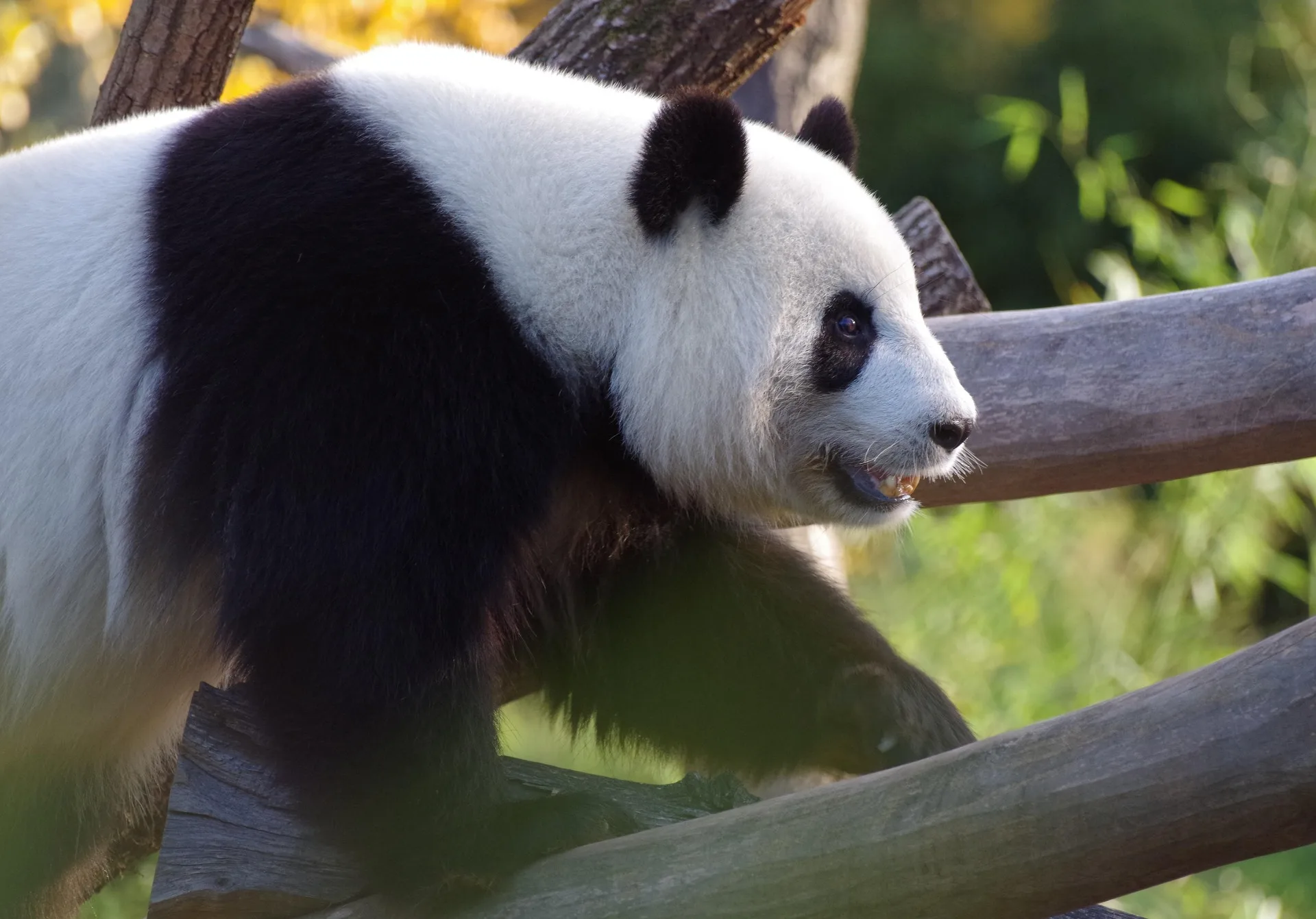
Time: pandas are most active at dawn and in the evening; get in before nine in the morning. Around noon most of them sleep, and you will see the still version.
Season: spring and autumn are comfortable, and the pandas stay outside longer; in summer they shelter in air-conditioned rooms, while in winter they roll about in the snow and somehow become twice as charming.
A one-day panda trip from Chengdu
- Get up early: arrive at the gate before half past seven (the park opens then, and early is the secret to active pandas).
- Route: go straight to the Moon Nursery for the cubs, then the Sun Nursery, the juvenile enclosures and the adult enclosures. In that order you see the best behaviour at the best hour.
- Midday: there are restaurants inside, or bring your own food. While the pandas nap, look for red pandas and black swans.
- Afternoon: buy a souvenir at the gift shop — a panda toy is the standard proof that you were here.
What else there is to see
Treating the base as a quick look at a panda and leaving is a waste. Most of these parks also do research and public education, and a walk round turns up a good deal more.
Red pandas, golden snub-nosed monkeys, takin — many bases have rescue or display areas for the animals that share this habitat. The education halls explain how many kinds of bamboo there are, how much a panda eats in a day, and why cubs are so hard to raise. With that background, watching a panda chew bamboo is more than a single word of cute.
With children, book a keeper talk or a volunteer session in advance. These are limited in number and need early registration; the work is cleaning, food preparation and observation records rather than hugging a panda for a photo. Real reserves do not let visitors handle the animals, and any tour that promises otherwise deserves a second look.
One more thing: the bases are mostly on the edge of the city and are large; two or three hours to walk the whole site is normal. Wear comfortable shoes, carry water, and do not overfill the rest of the day.
When to see pandas at their best
Pandas keep the hours of early risers: most active at dawn, eating bamboo, climbing frames, tumbling about; from eight or nine they start lying down, and from noon to afternoon they mostly sleep. So go early, walk in when the gate opens, and head straight for the adult or juvenile enclosures — two hours will give you the liveliest scenes of the day.
Season matters too. Spring brings cubs out; summer is too hot and most pandas stay indoors; autumn is the most comfortable stretch; winter is when they are out and about most — many people assume winter is a bad time, but pandas are especially active after snow.
A few small tactics: do the outdoor enclosures before the indoor ones, for better light and thinner crowds; if a panda has its back to you, do not shout, wait a few minutes and it will turn; with children, avoid weekend mornings when the queue often reaches beyond the gate.
With time to spare, put the panda base and Dujiangyan or Qingcheng Mountain in the same day: pandas in the morning, hills and water in the afternoon. If the drive back hits rush hour, stop at a teahouse in the city for an hour — Chengdu evenings deserve a slower pace. Seeing pandas should never be rushed: sit for ten minutes and you will notice far more than you expected.
For children, one more suggestion: do not rush to explain what the animal is. Let them watch first, then ask what was it doing just now. What they remember is how a panda chewed bamboo or slid off a frame, not any caption.
Practical notes
- Tickets: the Chengdu base requires an online booking in advance, and in peak season you should book early. Prices and opening hours are best checked on official channels.
- Volunteer programmes: for a deeper experience, Dujiangyan runs panda keeper days (cleaning enclosures, making panda bread). Book weeks ahead; good for families and enthusiasts.
- Be a good guest: no feeding, no shouting, no flash. Pandas are timid; give them some quiet.
- What to pair it with: after the pandas, hotpot in Kuanzhai Alley, or Qingcheng Mountain and Dujiangyan. Chengdu plus pandas plus food makes a complete little trip.
The last word
Pandas move people at any age. When a round black-and-white face turns slowly to look at you and sits down with its bamboo, the long journey feels entirely worth it. If you come to China, do not miss this one.