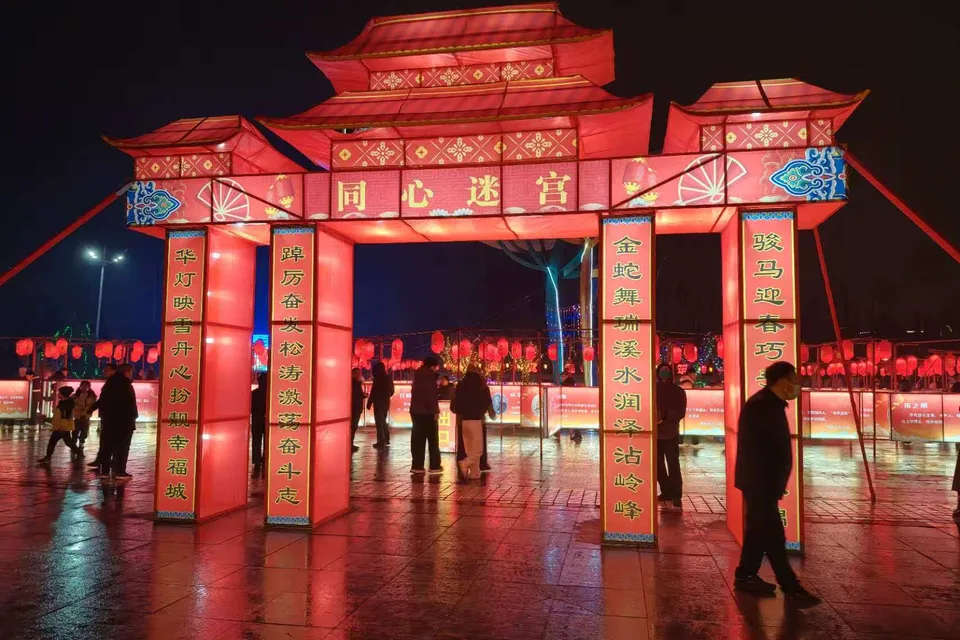
No passenger rail in Gannan and no airport bus to the sights: you arrive by road, usually via Lanzhou, then south through Linxia to Xiahe and Hezuo.
Destination: Gansu
Gannan has no airport bus to the sights and no railway inside the prefecture:you come in by road, land in Lanzhou or northern Sichuan, and move around by private car. The most common pattern lands in Lanzhou, heads south through Linxia to Xiahe and Hezuo, then on toward Zhagana in Diebu; anyone short on time keeps Lanzhou to one overnight and leaves early the next morning.
This guide covers only arrival, road times and altitude gain. Which months are best and which sights to choose are in a separate seasonal piece, linked at the end.
The short answer
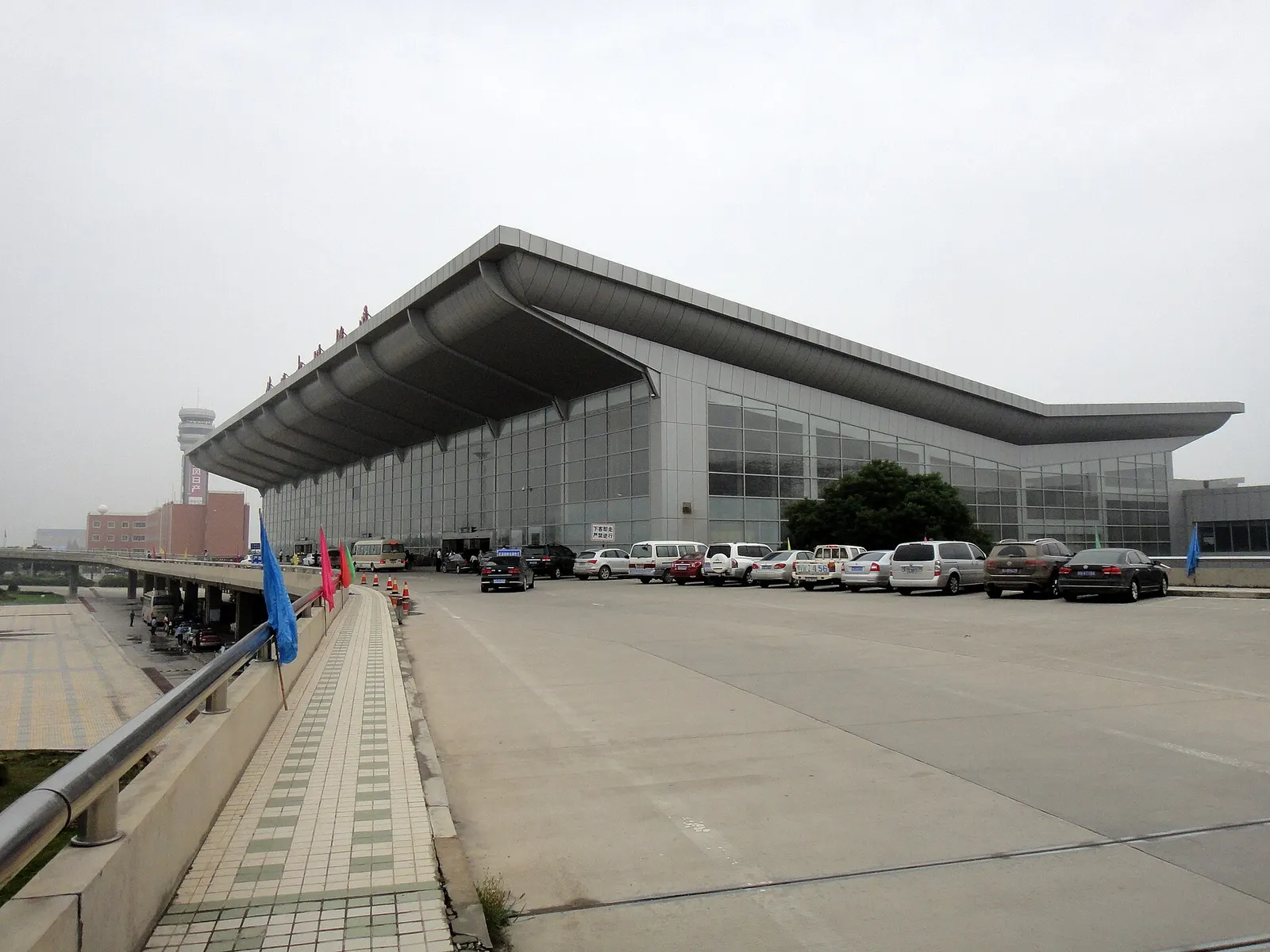
For a first trip without worrying about road conditions, go via Lanzhou. Zhongchuan has the most flights and a suburban rail link into the city; the next morning you head south from Lanzhou.
There is no passenger rail in the prefecture. Gannan currently moves people by road; rail projects are under way, and opening dates follow official announcements, so do not go looking for a Lanzhou-Hezuo high-speed train on old advice.
Coming in from northern Sichuan also works. Zoige and Langmusi sit right on the Gannan-Sichuan border, so arriving from Chengdu, or after Jiuzhaigou and Huanglong, is another well-worn route.
Tianshui and Longnan suit a Maijishan add-on. Stringing Gannan with Guan'egou in Longnan and the Maijishan grottoes in Tianshui is how many eight-day itineraries actually run.
Choosing between the three approaches
| Approach | Best for | Main road section | Trade-off |
| Via Lanzhou | First visit, Gannan only | Lanzhou-Linxia-Xiahe/Hezuo | Four to five hours on day one, half a day gone |
| Via Chengdu / northern Sichuan | After Jiuzhaigou and Huanglong, or adding Zoige | Chuanzhusi-Zoige-Langmusi | Altitude jumps straight to 3,300 m, less time to adapt |
| Via Tianshui / Longnan | Maijishan and Guan'egou in one trip | Tianshui-Chengxian-Wudu-Diebu | More mountain road in Longnan, slower in rain |
Lanzhou's strength is reliability: plenty of flights, flexible changes, pharmacies and supplies, and an altitude of only about 1,500 m, which makes it a buffer before the plateau. The cost is distance - the core of Gannan is still three to four hundred kilometres away, so day one goes to driving.
Northern Sichuan's strength is flow: coming down from Jiuzhaigou and Huanglong straight into Zoige and Langmusi, with no backtracking. The cost is altitude - Chuanzhusi is already close to 3,000 m and Zoige sits at 3,400 m, leaving no buffer.
Tianshui and Longnan let you combine culture and landscape: Maijishan, Guan'egou, Zhagana and Langmusi fit into eight days, at the cost of winding Longnan roads and slack needed in rain or snow.
Getting around: a private car is the default
Sights in Gannan are far apart and buses are infrequent, so public transport cannot carry a full itinerary. In practice there are three options: a private car, a small group tour, or self-driving.
Private car The most common. Priced per day including driver and fuel, with stops at your pace. Agree three things up front: roughly how many kilometres a day, whether the driver covers their own room and meals, and whether narrow sections such as the Locke Road switch to a local vehicle.
Small group Less effort, but the pace is the group's and photo stops are not yours to set. Good for travellers who want the planning done.
Self-drive Freedom, with three things to accept: winding roads and low speed limits, navigation times that stretch by a third in rain or fog, and narrow sections (the Locke Road is the classic case) that need a local vehicle. Without plateau driving experience, a long self-drive is not the place to start.
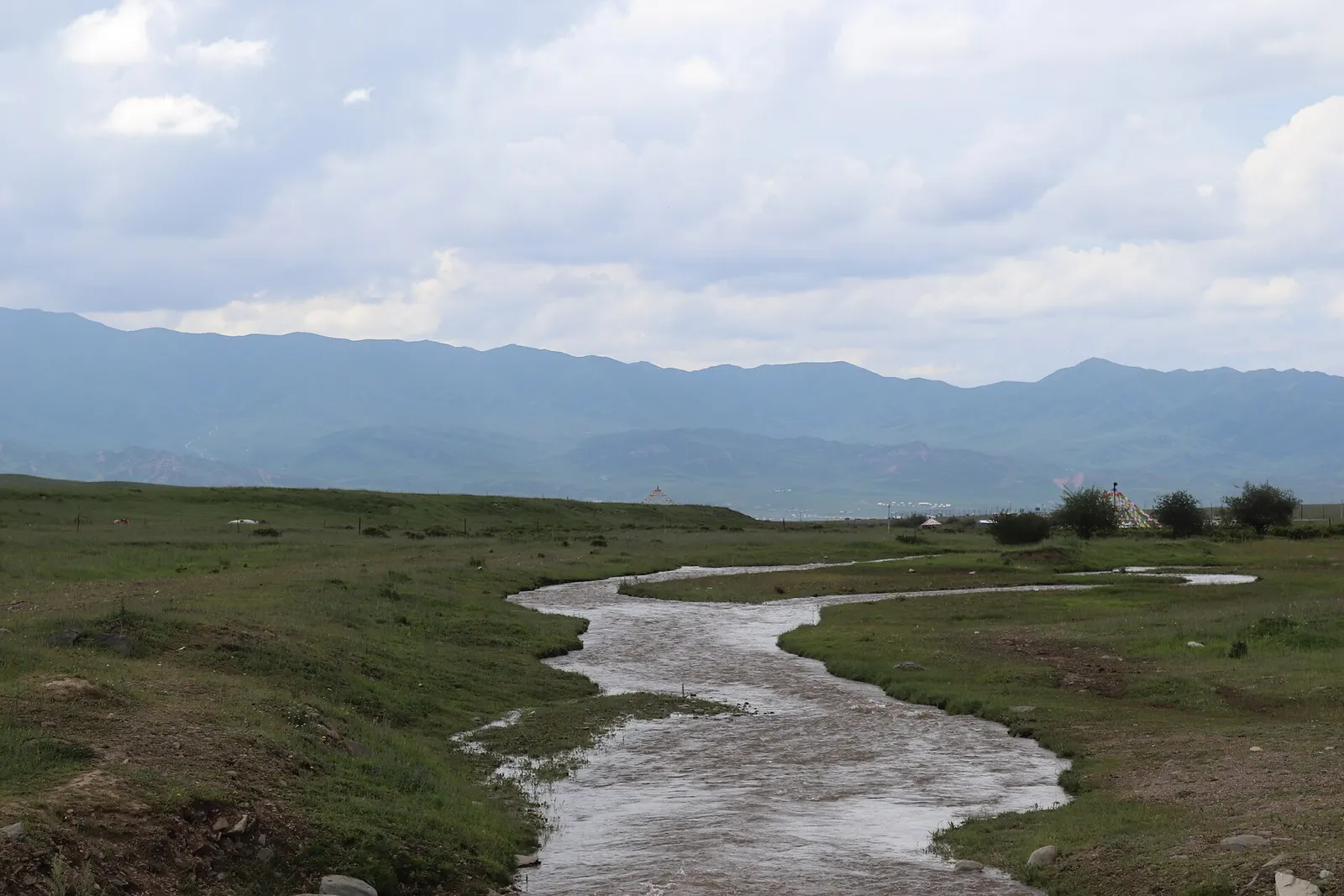
Distances between the usual stops are more useful than kilometres:
- Xiahe-Hezuo: about an hour, both county-town and prefecture-capital level bases.
- Hezuo-Langmusi: around three hours, crossing grassland and pasture.
- Langmusi-Huahu-Zoige: half a day, made for stopping along the way.
- Hezuo-Diebu (Zhagana): about four hours, the last stretch on mountain road.
- Diebu-Tianshui: a full day, with an overnight in Longnan if you want to split it.
These are real road times; add more in rain or snow, and expect temporary closures at some passes in winter.
How the altitude climbs: don't jump two levels in a day
Gannan's altitude is not extreme, but how you climb decides how you feel.
Lanzhou is about 1,500 m, Xiahe and Hezuo around 2,900 m, Langmusi about 3,300 m and Zhagana around 3,000 m, with higher passes in between.Going from Lanzhou straight to Langmusi means climbing 1,800 m in a day, and the odds of headaches, poor sleep and no appetite rise sharply.
The safe order is Lanzhou, then Xiahe or Hezuo for a night, then Langmusi or Diebu for another, adding three or four hundred metres a day. Above 3,000 m, skip long hot showers, alcohol and running about on the first day; walking slowly does more than anything you can take.
Seasons and road conditions: when the roads are best
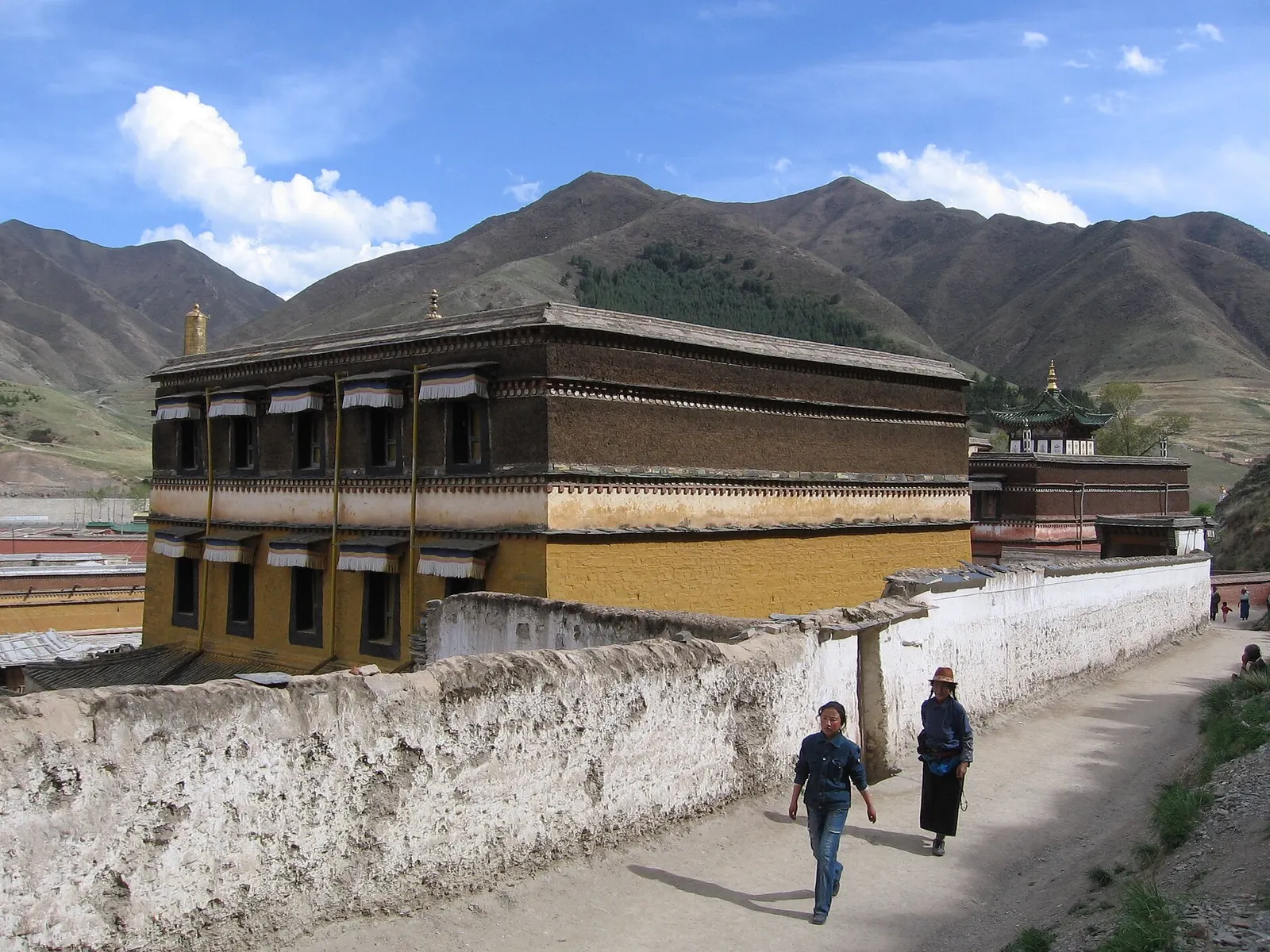
May to October is the main season: green grass, open roads, long daylight; July and August are the rainy months, with afternoon showers and occasional landslides, so keep half a day of slack.
September to October is the window many people prefer: grassland turning gold, clear air, and steadier roads than in the rainy season.
November to April brings few visitors and good snow, but some passes and boardwalks close under snow and self-driving gets riskier; use a private car and confirm conditions in advance.
Lunar New Year brings the Thangka-unveiling festival and Gannan's densest crowds; Xiahe accommodation tightens and prices rise, so book early.
Pre-trip checklist
- Documents: carry your ID; dress as local custom expects inside monastery grounds, and do not photograph rituals or close-ups of monks.
- Cash: small shops and pastoral family restaurants still take cash only, so keep a few hundred yuan in small notes.
- Medicine: cold and stomach remedies, sunscreen and lip balm; altitude medicine as your doctor advises, never at a higher dose on your own.
- Clothing: the day-to-night swing can reach fifteen degrees; a shell jacket plus fleece is the standard kit, with hat, sunglasses and sunscreen.
- Connectivity: grasslands and valleys have signal gaps, so download offline maps; a local driver usually beats navigation.
- Rhythm: two sights a day is enough; count driving as part of the day and do not leave mountain roads for after sunset.
Frequently Asked Questions
Can I see Gannan using only public transport? Hardly. There are buses between county towns, but departures are few and do not line up with sights, so you lose hours waiting.
Can I reach a sight on the day I arrive from Lanzhou? You can, but only half a day is left. Staying in Xiahe or Hezuo and visiting the next day is more sensible.
Do roads close in the rainy season? Locally, landslides or controls can shut a section for hours or a day. Keep half a day of slack and follow local instructions rather than pushing through.
Is it suitable with children and older relatives? Yes, but slow the altitude gain and avoid the two longest driving days. Above seventy, or with heart or lung conditions, ask a doctor before booking.
Can Gannan and northern Sichuan be combined? Yes, and smoothly: Zoige, Huahu and Langmusi straddle the border, so entering from Chengdu and leaving via Lanzhou is a common route.
Related routes and further reading
- Gannan 8-day tour: Zhagana, Zoige, the First Bend of the Yellow River, Lianbaoyeze and Maijishan on one route
- Gannan by season: when to go and how many days
- Gansu destination page: Gannan versus the Qinghai-Gansu loop
Last updated: 2026-10-26