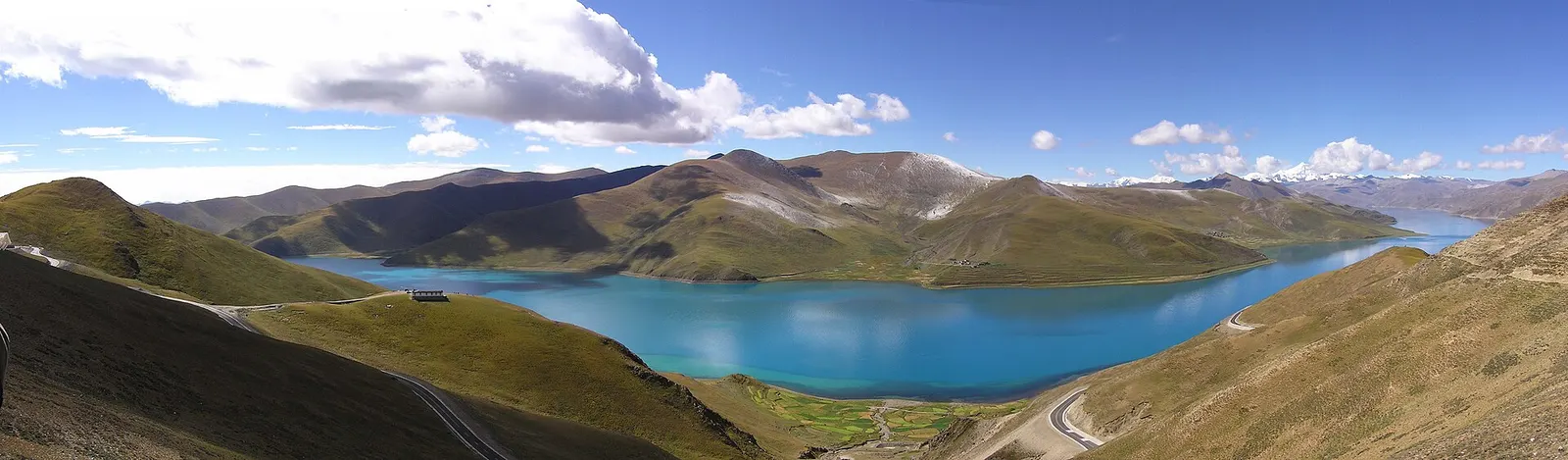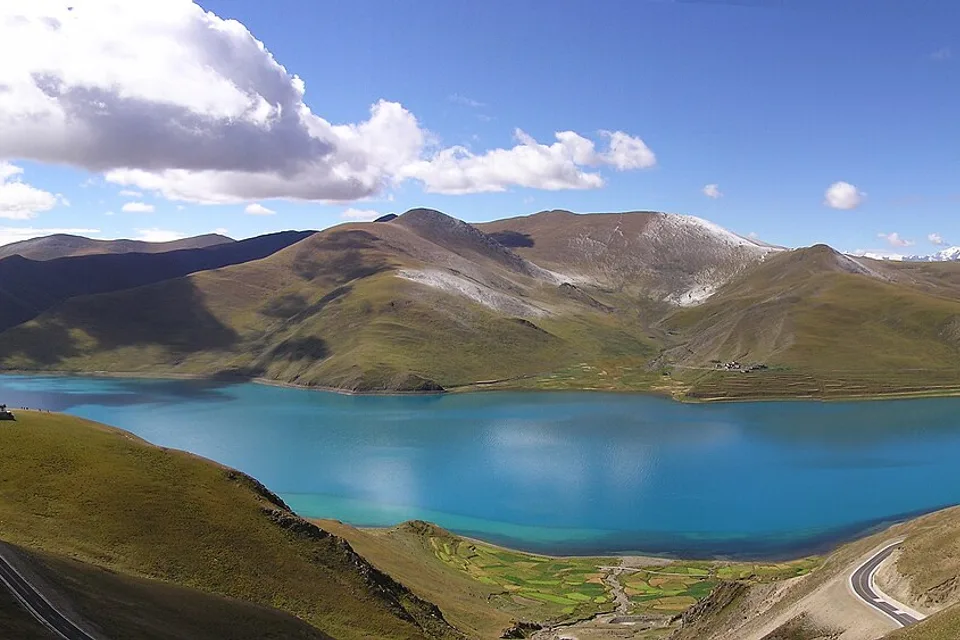
There are three main ways into Tibet: flying into Lhasa Gonggar saves the most time, the Qinghai-Tibet railway boards at Xining and gains altitude gradually, and overland entry from Nepal suits only certain itineraries. Foreign passport holders need a permit arranged through a tour operator. Covers travel time, altitude impact and transfer points.
Destination: Tibet
There are three ways into Tibet: fly to Lhasa, take the Qinghai-Tibet railway, or cross overland from Nepal. For most people the choice is not complicated:fly if you are short on time, take the train if you want your body to adjust gradually, and consider the overland border only if you are combining Nepal with Tibet. The real variable is not the transport but the altitude: Lhasa sits at around 3,600 m, and how you spend arrival day matters more than how you arrived.
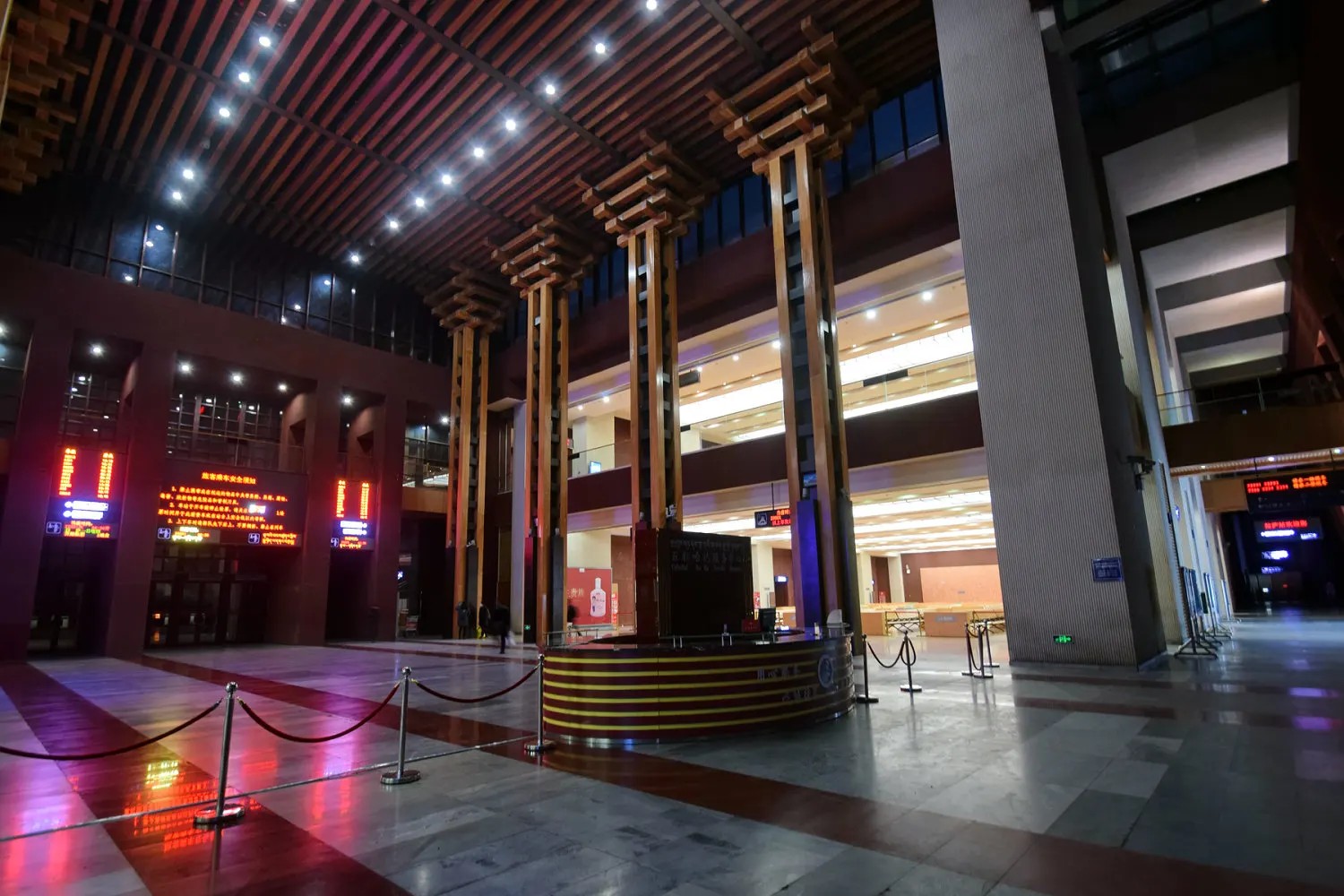
This guide is for first-time visitors: how long each of the three options takes, how the altitude climbs step by step, how to continue from Lhasa towards Nyingchi, Shigatse and Everest, and which season has the most reliable road conditions. Permits and altitude preparation are not covered here; see Tibet permits and altitude preparation.
The short answer
Flying into Lhasa is what most people choose. Lhasa Gonggar International Airport is Tibet's main air gateway, with direct or one-stop flights from many Chinese cities; it is about 60 km to the city, usually 40 minutes to an hour by road.
The Qinghai-Tibet railway is the second option, boarding at Xining for roughly 20 hours in total, with the altitude rising slowly, oxygen outlets in the carriages and sleeper berths overnight. Its value is not saving money but doing the acclimatisation on the way.
The overland border from Nepal is the third, suited only to specific itineraries, and its opening status and road conditions must be confirmed item by item before departure.
Foreign visitors need a licensed tour operator to arrange hosting and the Tibet travel permit, and independent travel is currently not accepted; this determines your booking order, so settle the itinerary and hosting before buying tickets.
Flying to Lhasa: the fastest option
Lhasa Gonggar International Airport has routes to many cities across China, and international itineraries usually connect through Chengdu, Xi'an, Beijing, Shanghai, Guangzhou, Kunming or Chongqing. Schedules, times and fares are as published by the airlines; book early in peak season (summer holiday, National Day).
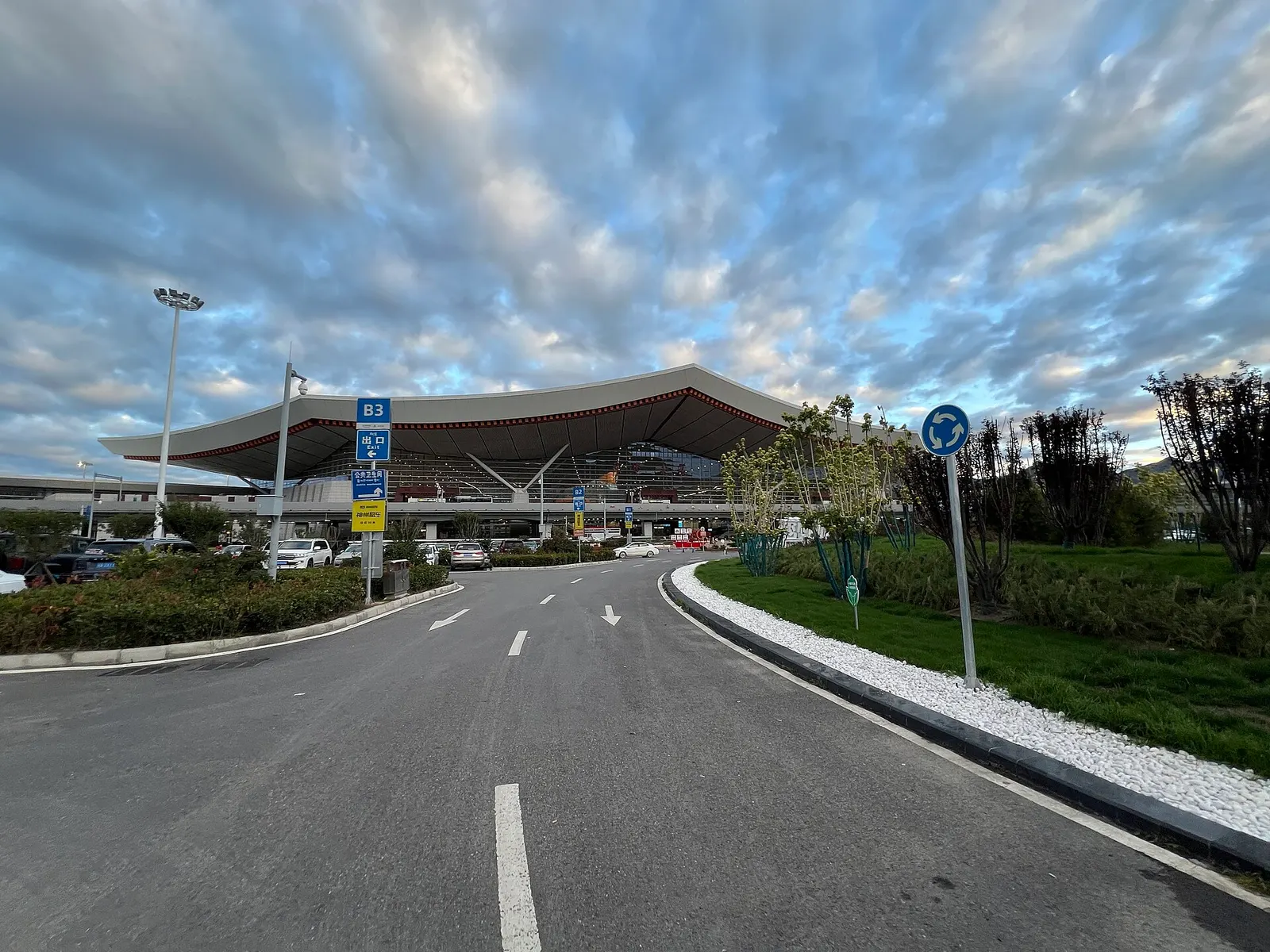
Into the city you can take the airport bus, a taxi, or a pick-up arranged by your host.On a first trip, book the pick-up: arrival day is when altitude symptoms most often appear, and hunting for a car with your luggage is not worth it.
The problem with flying is how fast the altitude jumps. From a lowland city you go from a few hundred metres to 3,600 m within hours, and many people have a headache, breathlessness and broken sleep on arrival day. The workable approach is to leave that day completely empty: no Potala Palace, no stair climbing, no alcohol, and an early night.
The Qinghai-Tibet railway: slower, but kinder on altitude
The Lhasa train departs from Xining station, calling at Delingha, Golmud and Nagqu, an overnight service totalling roughly 20 hours; exact train numbers and times are as published by the railway.
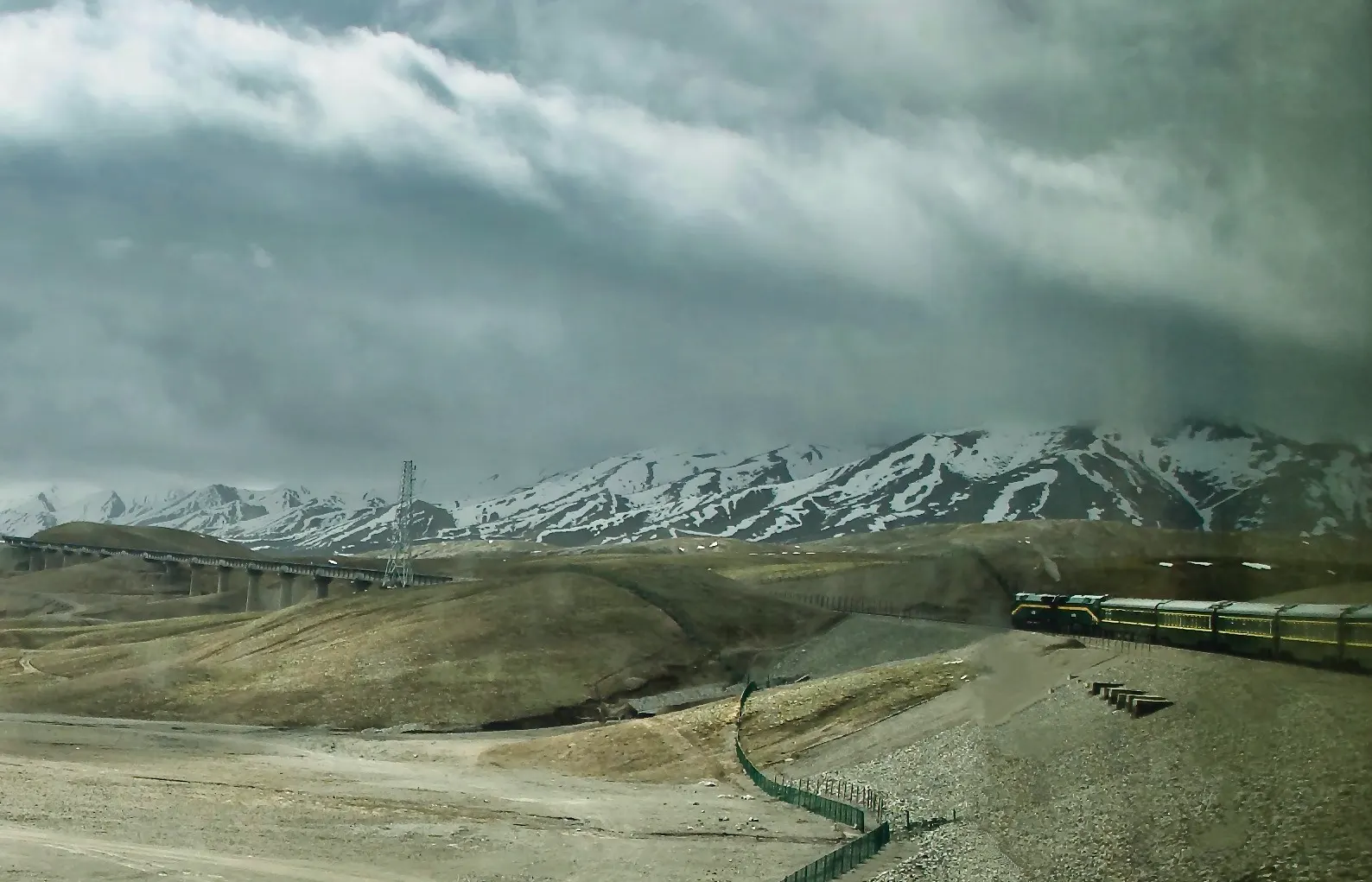
The train has three advantages: the altitude climbs gradually from around 2,000 m past 5,000 m and back down, giving your body time to adjust; carriages have oxygen outlets and medical staff on board; and the Hoh Xil and Tanggula section after Golmud passes in daylight, which is the real reason many people choose the train.
The cost is time and tickets. The journey takes one to two days, sleeper berths are tight in peak season and need booking ahead. A common middle way:fly to Xining and stay a night (to adjust to just over 2,000 m), then board the next day, which is far more comfortable than flying straight to Lhasa.
Overland entry from Nepal
If Nepal is already on your route, you can enter overland from Kathmandu via the Gyirong or Zhangmu border and continue towards Shigatse and Lhasa. The value is not having to backtrack by air; the cost is the number of variables, since border opening hours, road conditions and the form of clearance all shift with season and policy, and landslides can close the road in the rainy season.
To plan this route, confirm three things with your operator and the border authorities before departure: whether the crossing is open to tourist groups, which documents are needed, and whether the road is currently passable.None of these can be locked in from an old guide. Group formalities are handled by the host, and individuals cannot clear the border on the spot.
Getting out of Lhasa
Central Lhasa is compact, with taxis and ride-hailing easy to use, and the Barkhor and Potala area walkable. Outbound, there are three main directions:
Nyingchi: since the Lhasa-Nyingchi railway opened, the trip is much shorter, and the expressway by chartered car is another option. Nyingchi is lower and greener, and often used as a buffer on the first days.
Shigatse and Everest: Shigatse is reachable by rail; heading further south towards Everest Base Camp needs a chartered 4WD, and it is a border administration area requiring additional border documentation, arranged by your host.
Ngari and Shannan: long distances and high altitude, usually only considered with eight days or more, and border documentation applies here too.
Independent travel by public transport barely exists inside Tibet: intercity travel is by chartered car or group vehicle, and checkpoints along the way require documents carried in the vehicle. This is one reason foreign visitors must be arranged through a tour operator.
When road conditions are most reliable
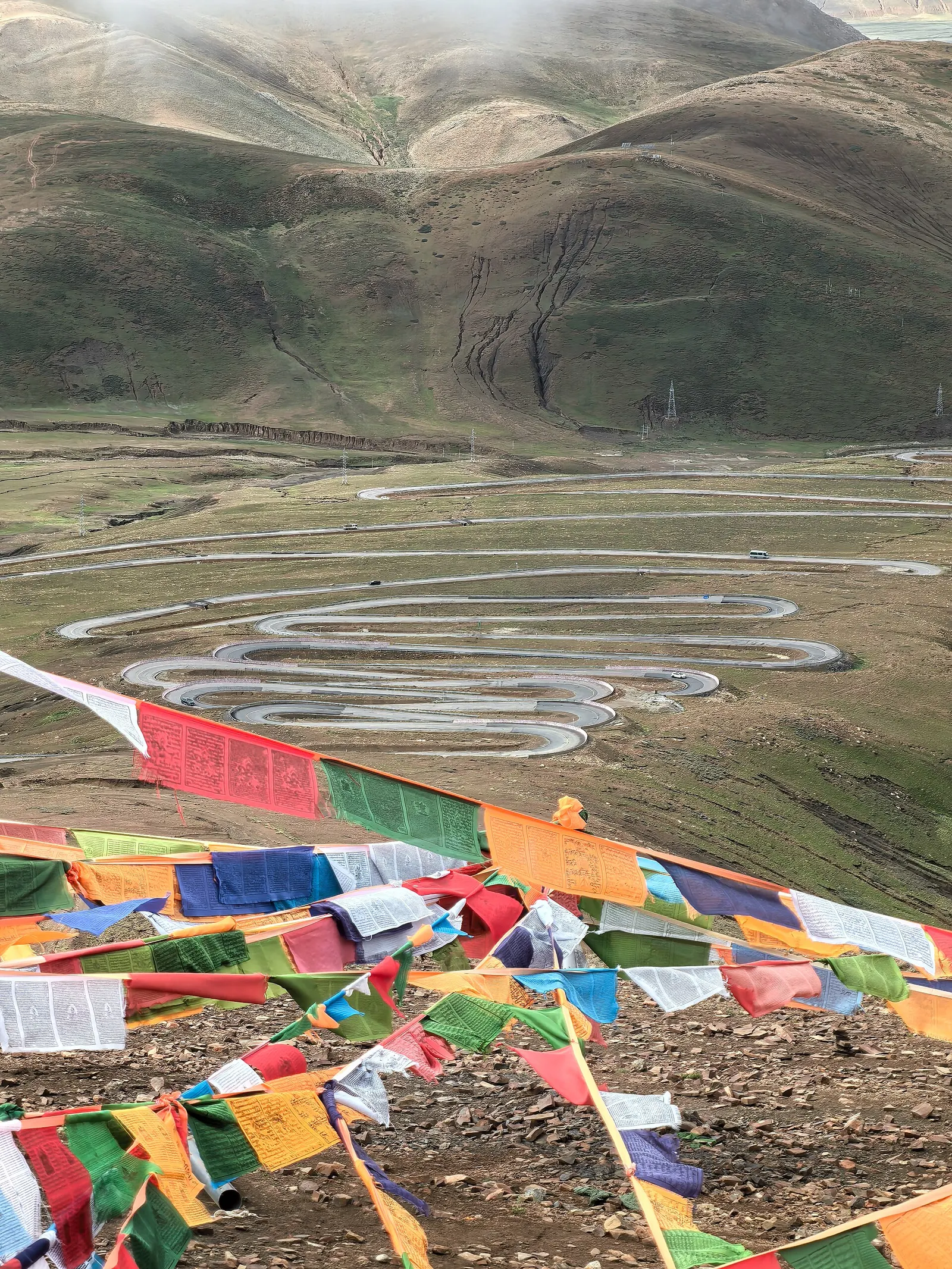
May to October is the main window: roads and flights are most reliable, the grassland is green and the lakes blue. July and August are the rainy season, with occasional landslides causing delays in Shannan and Nyingchi, so keep spare time in the plan.
Late October to April brings fewer visitors, better light and noticeably less pressure booking the Potala Palace and similar; the cost is low temperatures, snow and ice on some high sections, and a higher chance of weather delays on flights. Winter trips need generous spare days.
Pre-trip checklist
- Documents: foreign passports need a Tibet travel permit arranged through a tour operator, and border areas need additional documentation; required documents and processing times change, so leave enough time (see /guides/tibet-entry-permit-guide/).
- Altitude: Lhasa is around 3,600 m; keep arrival day empty, no strenuous activity on day one, and stay warm and hydrated.
- Transport: international flights and Lhasa train tickets are both tight in peak season; settle the itinerary and hosting before booking.
- Cash and payments: mobile payments work in Lhasa, but signal and banking are sparse on remote stretches, so carry some cash.
- Clothing: the day-to-night swing is large, so bring a windproof shell and warm layers even in summer; UV is strong, so sunscreen and sunglasses are essential.
- Road conditions: check local transport and weather bulletins before departure, especially in the rainy season and winter.
- Insurance: confirm the policy covers high-altitude activity and emergency evacuation.
Related routes and further reading
- Tibet 6-day tour: a ready-made route linking Lhasa, Yamdrok Lake and the Everest direction
- First trip to Tibet: choosing a 6-day route
- Tibet permits and altitude preparation: documents and health prep
- Tibet destination page: more routes and guides for this region
Last updated: 2026-10-19