Entering Tibet on a foreign passport requires a Tibet travel permit arranged by a licensed tour operator, and independent travel is not currently accepted; Everest, Ngari and other border areas need additional border documentation. Requirements change, so follow the latest rules. Covers the application order, documents and timing, and what to prepare before 3,600 m.
Destination: Tibet
Entering Tibet on a foreign passport, two things must be settled first:hosting through a licensed tour operator plus the Tibet travel permit, and giving your body time to adjust to the altitude. The first decides whether you get in; the second decides whether you can do anything once you are there. Both need handling in advance, neither can wait until you land.
The short answer
Foreign passport holders must be arranged through a tour operator, and independent travel is currently not accepted. The Tibet travel permit is applied for by the hosting operator, not submitted by the traveller; the permit lists the areas you may visit, and the actual itinerary must match it.
Border administration areas such as Everest, Ngari and Medog require additional border documentation beyond the permit, usually arranged by the host in Lhasa and checked at checkpoints along the way.
The order cannot be reversed: settle the itinerary and host, submit documents, get confirmation, then book international flights and onward travel to Tibet. Many people buy tickets first and only then find the permit has not come through, which is the most common mistake.
Specific requirements, document lists and processing times are set by the authorities and change with policy. This page gives the framework; before departure follow the latest from your operator and the official channels.
The order of the paperwork
First, settle the itinerary and the host. The Tibet itinerary must be a group arrangement, with the hosting plan issued by a licensed operator. Only after this is there an entity to submit the application.
Second, submit documents. Usually passport and visa details, the itinerary and fellow traveller information, with the exact list given by the operator under current requirements. Incomplete documents are the main cause of delay, so send everything at once.
Third, wait for approval. Processing times shift with season and policy and are tighter in peak season. Start at least a few weeks ahead rather than cutting it close to departure.
Fourth, book tickets once the permit is confirmed. The permit is not usually sent to the individual; the operator holds it and it is checked along the way and shown on arrival with the group.
If the itinerary touches border areas, raise the border documentation at the second step rather than waiting until Lhasa.
Travellers from Taiwan, Hong Kong and Macau
Travellers from Taiwan, Hong Kong and Macau are covered by separate rules for documents and application channels, different from foreign passport holders, and are likewise required to travel as a group arranged by a licensed host. Requirements change, so confirm the document list and processing time for your status directly with the operator and the authorities rather than following an old guide.
Altitude: the part that genuinely needs preparing for
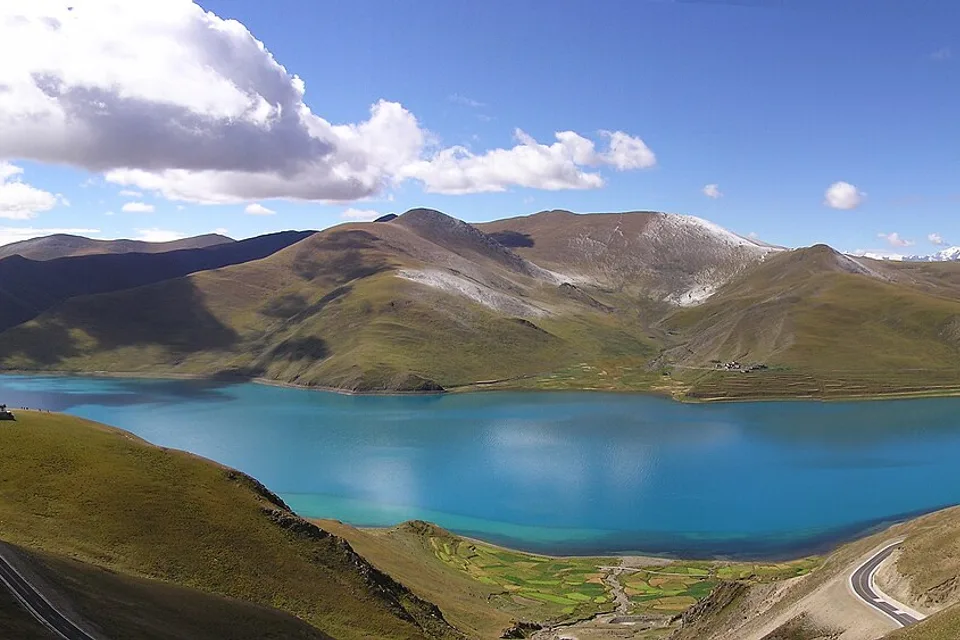
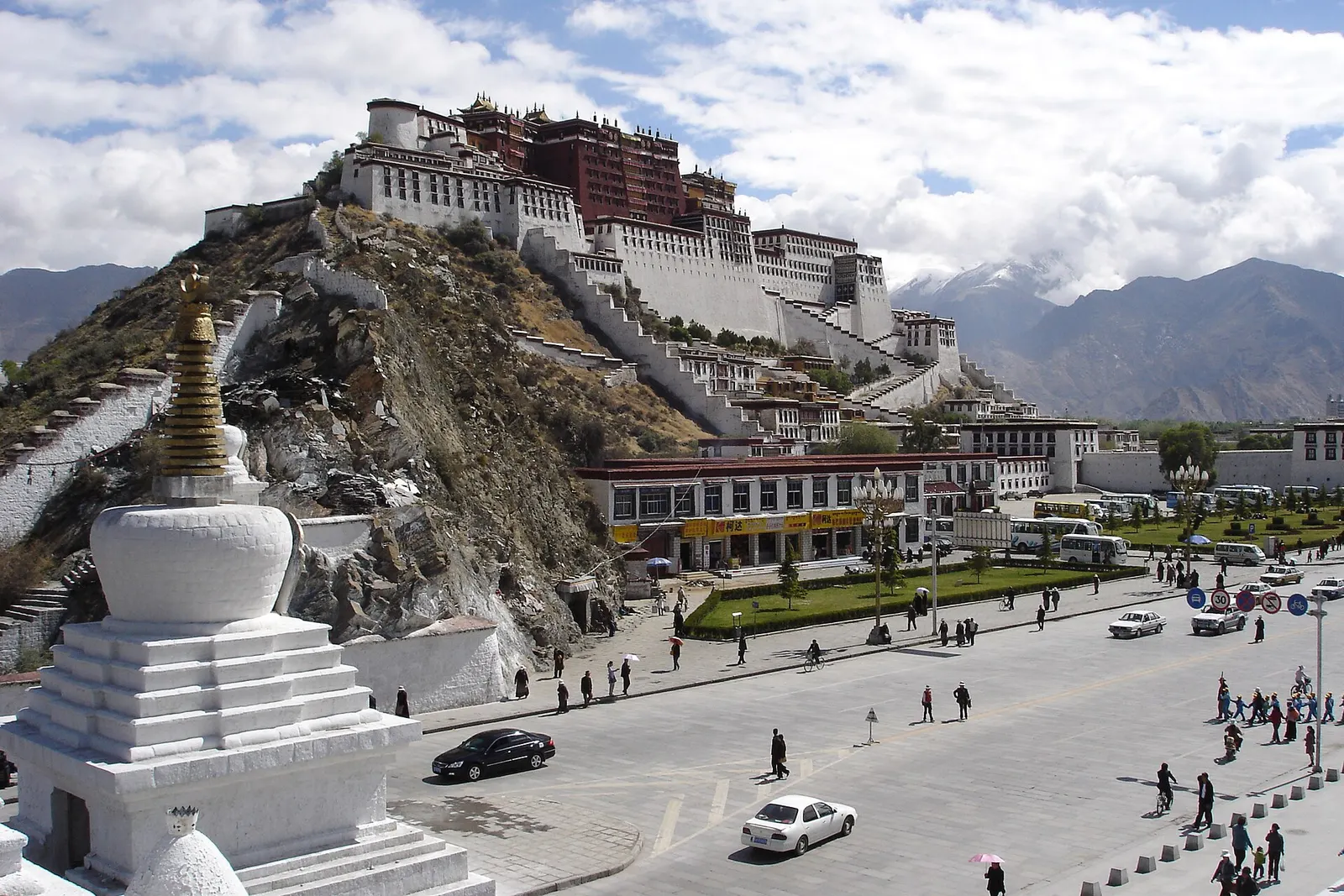
Lhasa is around 3,600 m, the Yamdrok Lake area above 4,400 m, and the Everest Base Camp direction around 5,200 m. For anyone new to high altitude, this is a real variable.
What actually helps:
- Leave arrival day completely empty, with no stair-climbing sights, no alcohol and an early night.
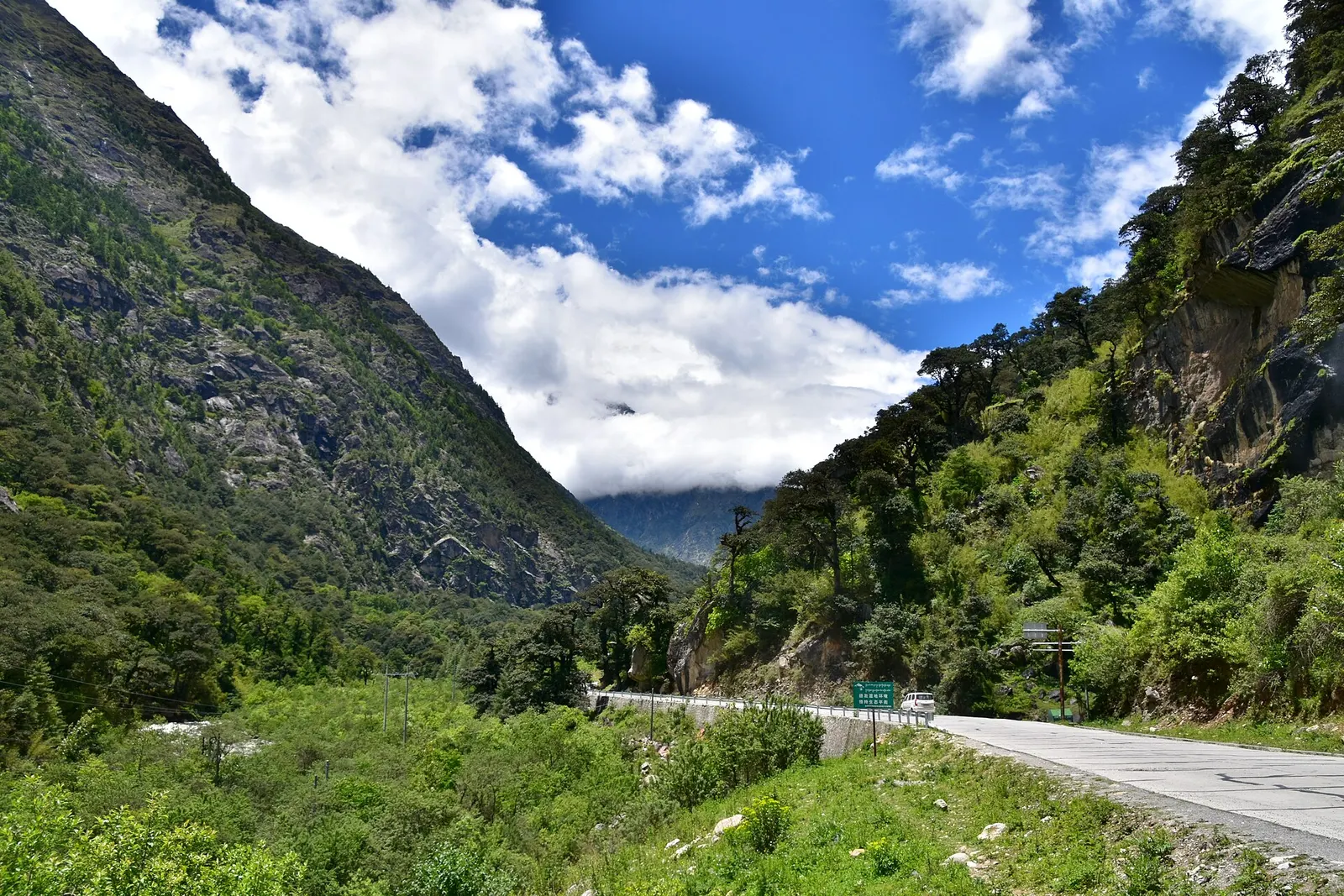
- Order the itinerary from lower to higher altitude, spending two days in Lhasa or Nyingchi before going higher. Nyingchi is lower and greener and often used as a buffer.
- Stay warm and drink water. The day-to-night swing is large at altitude, and a cold is a real problem up there.
- Slow the pace down: walk slower, talk slower, and skip or shorten a shower on the first day, all common practical habits.
Signals to watch for: a severe headache that does not ease with medication, vomiting and being unable to eat, unsteady walking, confusion, or clear breathlessness at rest. If these appear, stop ascending, seek medical help, or descend to lower altitude.
Consult a doctor before departure about any preventive medication, including the often-mentioned rhodiola products and prescription drugs, rather than self-medicating; anyone with cardiovascular or respiratory conditions should have an assessment before travelling.This page is not medical advice.
Seasons and clothing
May to October is the most reliable window: suitable temperatures and good road conditions, with July and August the rainy season and occasional landslide delays.Winter travel brings fewer visitors, better light and less booking pressure, but low night temperatures, so pack for below freezing, and some sections see snow and ice.
Whatever the month, pack clothing in three layers: a wicking base, an insulating middle and a windproof outer. UV is extreme, so sunscreen, sunglasses and a hat are not optional.
Pre-trip checklist
- Documents: passport and visa details, the Tibet travel permit (handled by the operator) and border documentation where border areas are involved.
- Application order: confirm the host before booking tickets, send all documents at once, and start at least a few weeks ahead.
- Health: consult a doctor before departure, especially with existing conditions, and confirm insurance covers high-altitude emergency evacuation.
- Clothing: three layers, a windproof shell, a warm hat and gloves, sunscreen and sunglasses.
- Payment: mobile payments and major bank cards work in Lhasa, but signal is weak on remote stretches, so carry some cash.
- Communications: signal is unstable on some sections, so share the itinerary and contact details with your travel companions before departure.
- Compliance: keep the itinerary consistent with the areas on the permit and do not travel outside the permitted area on your own.
Related routes and further reading
- Tibet 6-day tour: a ready-made route through Lhasa, Yamdrok Lake and the Everest direction
- Getting to Tibet: flying to Lhasa, the railway or overland, and how to choose
- First trip to Tibet: choosing a 6-day route
- Tibet destination page: more routes and guides for this region
Last updated: 2026-10-19