
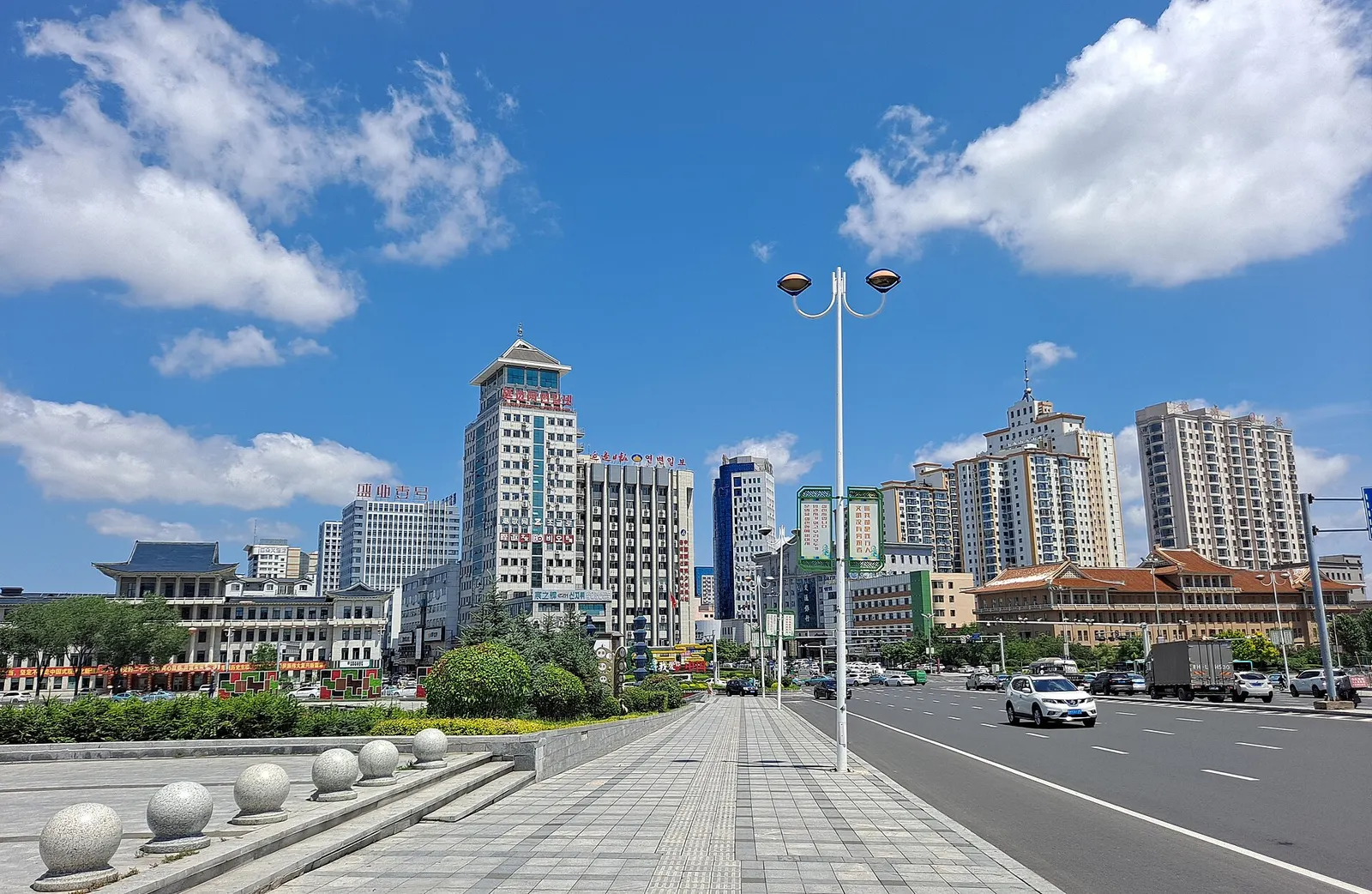
Yanji feels the most like another country of any city in the northeast: bilingual signs, and cold noodles, barbecue, rice sausage and rice cakes worth the trip alone. In winter you can add Changbai Mountain and the Tumen border. Here is a three-day eating and walking route.
Yanji is the kind of city you only understand on arrival. Signs are bilingual, restaurants speak Korean, cold noodles come in iced broth, and you grill your own meat. In winter the crowds thin and the food loses nothing.
Three days is the right length: one day eating in town, one day at the border, one day toward Changbai Mountain, or simply one more day of eating.
The short version: this is an eating trip
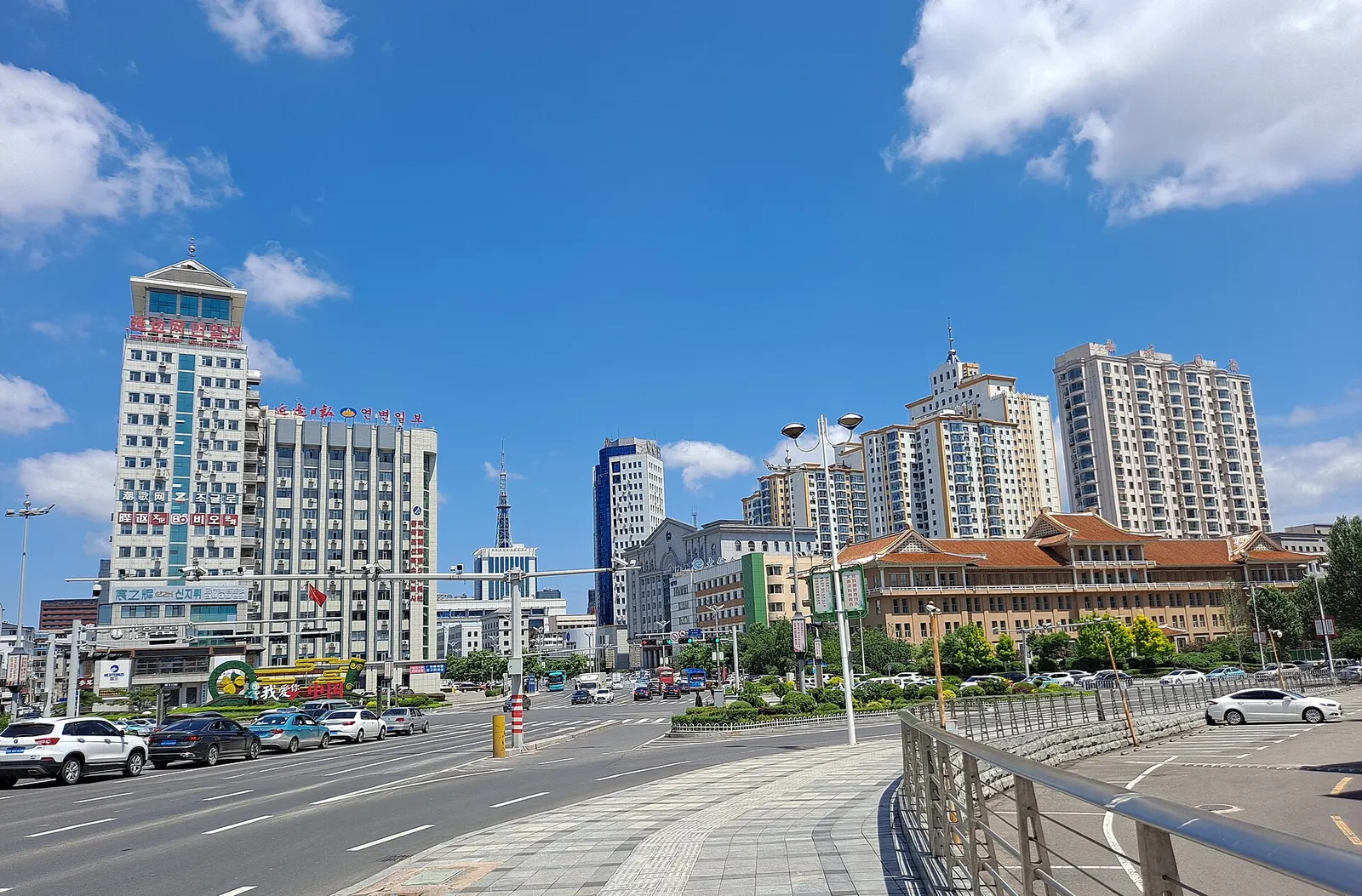
Yanji has few sights. The painted wall, the Yanbian University area and Maoer Mountain all rank as "look while you are passing". What carries the trip is the food: the density and authenticity of Korean-Chinese cooking is hard to match anywhere else in China.
So the organising principle is simple:treat every meal as the main event. Market in the morning, cold noodles at midday, a walk in the afternoon, barbecue at night, with coffee and desserts in between. Time spent eating pays better than time spent chasing sights.
How to lay out three days
Day one: arrive in the afternoon, walk the Yanbian University area after check-in, and find a barbecue restaurant at night. You grill it yourself, staff will show you how, and it comes with lettuce, garlic slices and chilli paste.
Day two: Shuichang market in the morning for breakfast and ingredients. Cold noodles at midday, the painted wall and a cafe in the afternoon. Rice sausage, rice cakes and other snacks for dinner, or a second barbecue.
Day three: the Tumen border crossing in the morning, half a day round trip, back to Yanji for lunch, then home in the afternoon. With more time, swap this day for the north slope of Changbai Mountain, which needs an early start and a late return, and in winter depends on whether the crater lake is accessible.
What to eat: a list that avoids disappointment
Cold noodles: buckwheat noodles in iced beef broth, sweet and sour, and worth eating even in winter. Order a small bowl the first time, with a side of mixed vegetables.
Barbecue: mostly beef, grilled and cut by you, with dry rub and sauce. Per-head cost is low, and three or four cuts feed two people.
Rice sausage: glutinous rice stuffed into casing, steamed and sliced, dipped in salt or chilli paste. The texture is sticky and divisive, but it is a must-try.
Rice cakes: pounded glutinous rice with soybean powder or sugar, eaten hot.
Pollock: grilled or stewed, a staple of local tables.
Shuichang market: busiest in the morning, selling kimchi, rice sausage, rice cakes, dried fish and chilli powder. Walk a lap before deciding, since many stalls cook to order.
Soup rice and rice wine: the most comforting winter meal is often soup with rice, beef broth plus rice with chilli paste and scallion added to taste. Rice wine is low in alcohol and sweet, cuts through barbecue, and suits people who do not drink.
Kimchi: here it is eaten as a vegetable, not a garnish. Ask for a portion; acidity and fermentation differ by maker and are worth comparing. New winter cabbage is crisper than what you buy in summer.
Coffee, desserts and the late meal
Yanji has a high density of cafes for a northeast city, many in residential buildings and side streets, casually furnished, and nobody moves you on after an afternoon. With winter cold outside, a cafe is the best halftime.
Among desserts, try the rice cake and rice confection types, plus ice desserts made with local fruit. Eating cold in winter sounds perverse, but in a well-heated shop a bowl of cold noodles or an ice dessert is exactly what locals do.
The late meal is usually a second round of barbecue or a skewer shop: grilled pollock, clams, rice sausage soup. They stay open late, and the walk back to the hotel takes ten minutes.
What to wear in winter
Yanji cold is on Harbin scale, minus ten or more by day, with wind coming down the river valley. Down jacket, hat, gloves, non-slip boots as standard; indoor heating is strong, so a jacket that opens easily is most practical.
One local habit worth copying: unzip and cool down before going indoors, and close up before going out. Constant transitions between hot and cold are what cause colds.
Borders and surroundings
Tumen is close to Yanji, half a day round trip, showing the port and the far bank. Hunchun is further, and from the Fangchuan area you can see three countries at once, which takes a full day. Both are border areas: follow on-site rules, do not photograph toward sensitive directions, and do not fly drones.
The north slope of Changbai Mountain is a separate line. Whether you see the crater lake in winter depends on weather, and park transport adjusts in snow season. To do Changbai properly, give it two days of its own rather than squeezing it into three days of Yanji.
Transport and accommodation
Fly to Yanji Chaoyangchuan Airport, or take high-speed rail to Yanji West, with services from Changchun, Shenyang and Harbin. Taxis in town are cheap, and the main areas are ten minutes apart.
Stay near Yanbian University or the city centre: good food nearby and lively evenings. Confirm heating in winter, and read reviews carefully for converted old buildings.
Frequently Asked Questions
Is there a language barrier if I do not speak Korean? No. Menus are mostly bilingual, younger people speak fluent Mandarin, and hotels and restaurants communicate easily.
What sights are worth seeing in winter? Snow on Maoer Mountain, the Bulhatong riverside, and the Tumen border. None are major sights; they rank as something to see between meals.
Is it suitable with children? Yes. The city is small and the pace easy, and the food is child-friendly if you ask for no chilli in advance.
Can you combine it with Harbin? Yes, they are connected by rail, and many people link Harbin, Yanji and Changbai Mountain into one winter route. All three are cold, so prepare gear once.
How many days is enough? Two for eating only; three with the border; five to include Changbai Mountain.
Do many restaurants close in winter? No. Yanji restaurants serve locals rather than tourists and stay open in winter, with a few closing over Spring Festival, so ask ahead. If anything, queues at popular places are longer in peak July and August.