Yili is not only summer grassland. Winter brings strong wind and loose snow, a frozen Sayram Lake, snowy Guozigou, and Qiongkushitai so quiet it feels empty. This covers what winter Yili shows, how many days it needs, how to move, and what to wear.
Destination: Xinjiang
Summer Yili has been written to exhaustion: Nalati grass, the blue of Sayram, the cabins of Qiongkushitai. Winter Yili is another version, without grass and without people, leaving snow, wind, pine forest and tyre tracks.
The conclusion first:Come to Yili in winter for emptiness and light, not colour. Four to five days covers the core, six adds Qiongkushitai. You must keep one flexible day, because snow closures between December and February are routine.
How winter Yili differs from summer
Three ways.
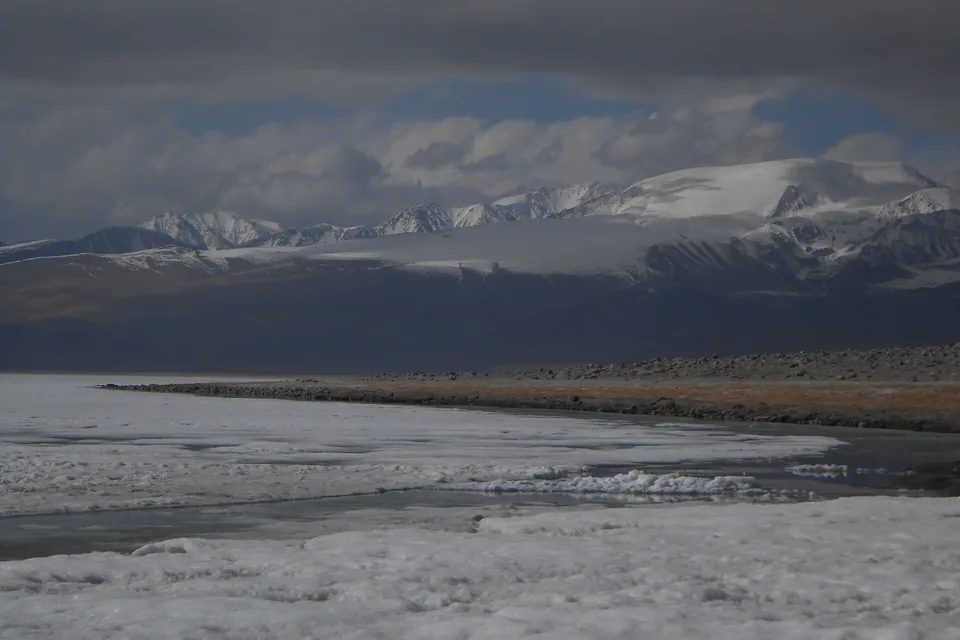
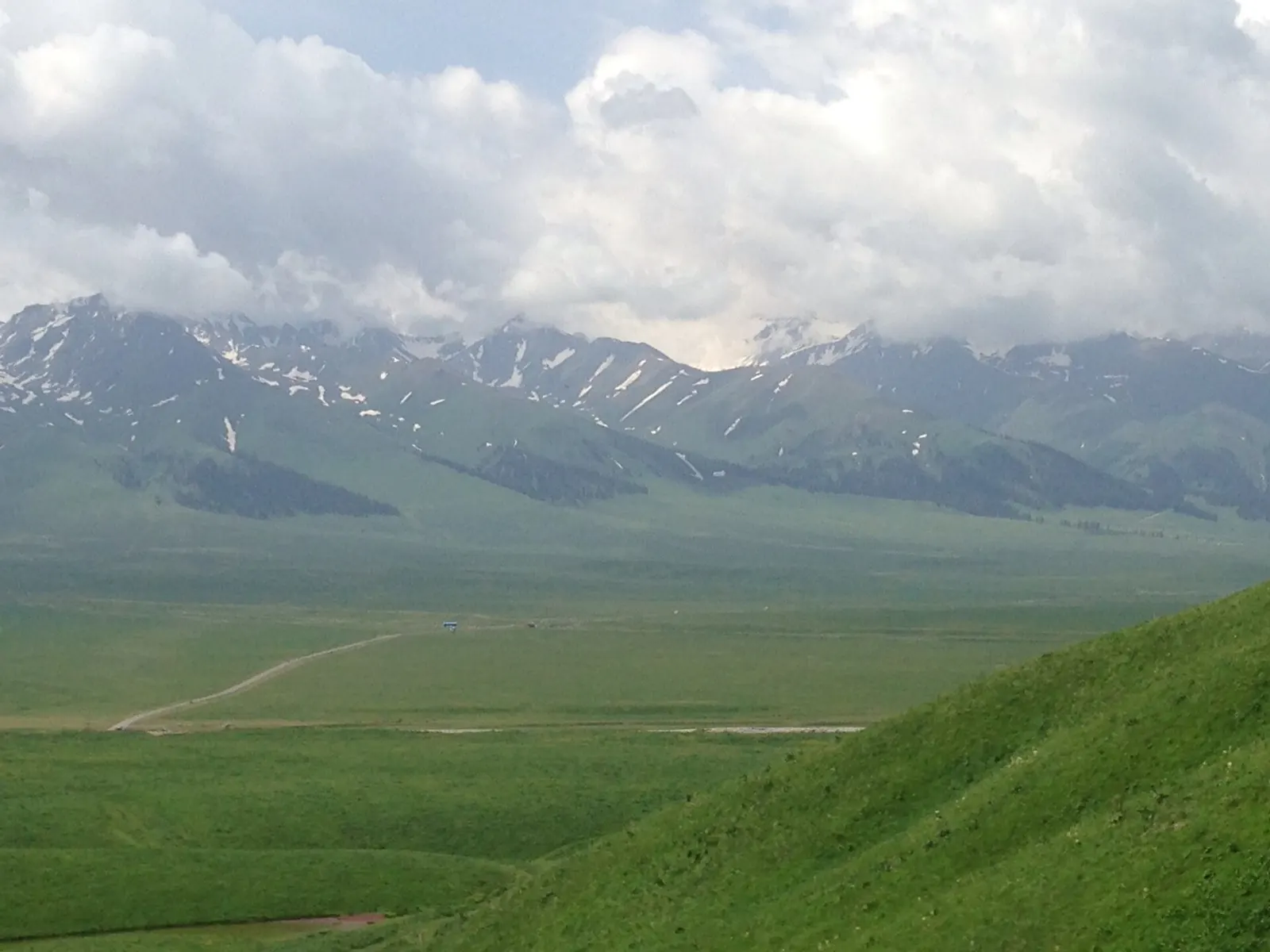
First, colour. Summer is green and blue; winter is white, grey and dark green. Once Sayram freezes it loses that brilliant blue and turns a mix of grey-white and ice blue, starker against snow peaks.
Second, access. Roads that work in summer may not in winter, and trails that work in summer should not be walked in winter. Any plan to go deeper starts with asking about conditions.
Third, crowds. Nalati and Sayram are attractions in July and August and revert to scenery you pass by in winter. Accommodation can differ by more than half in price, and fewer restaurants open.
Sayram Lake: the star of winter
Sayram sits between Yili and Bole at over 2,000 m, freezing early and staying frozen. Wind drives broken ice against the shore where it stacks into the ice push, the most distinctive scene on this line. When it freezes and when the push forms vary yearly; the dedicated piece is atwhen to see the Sayram Lake ice push。
The lakeside road is quiet in winter and rewards slow driving. East and north shores give the widest views, sunrise comes from the southeast, and early risers catch the lake and peaks lit together.
One warning:frozen does not mean safe to walk on. Ice thickness varies, with currents and cracks underneath. Never walk out on the lake. Follow the rules set by the park and local management.
Guozigou and the Khorgos direction
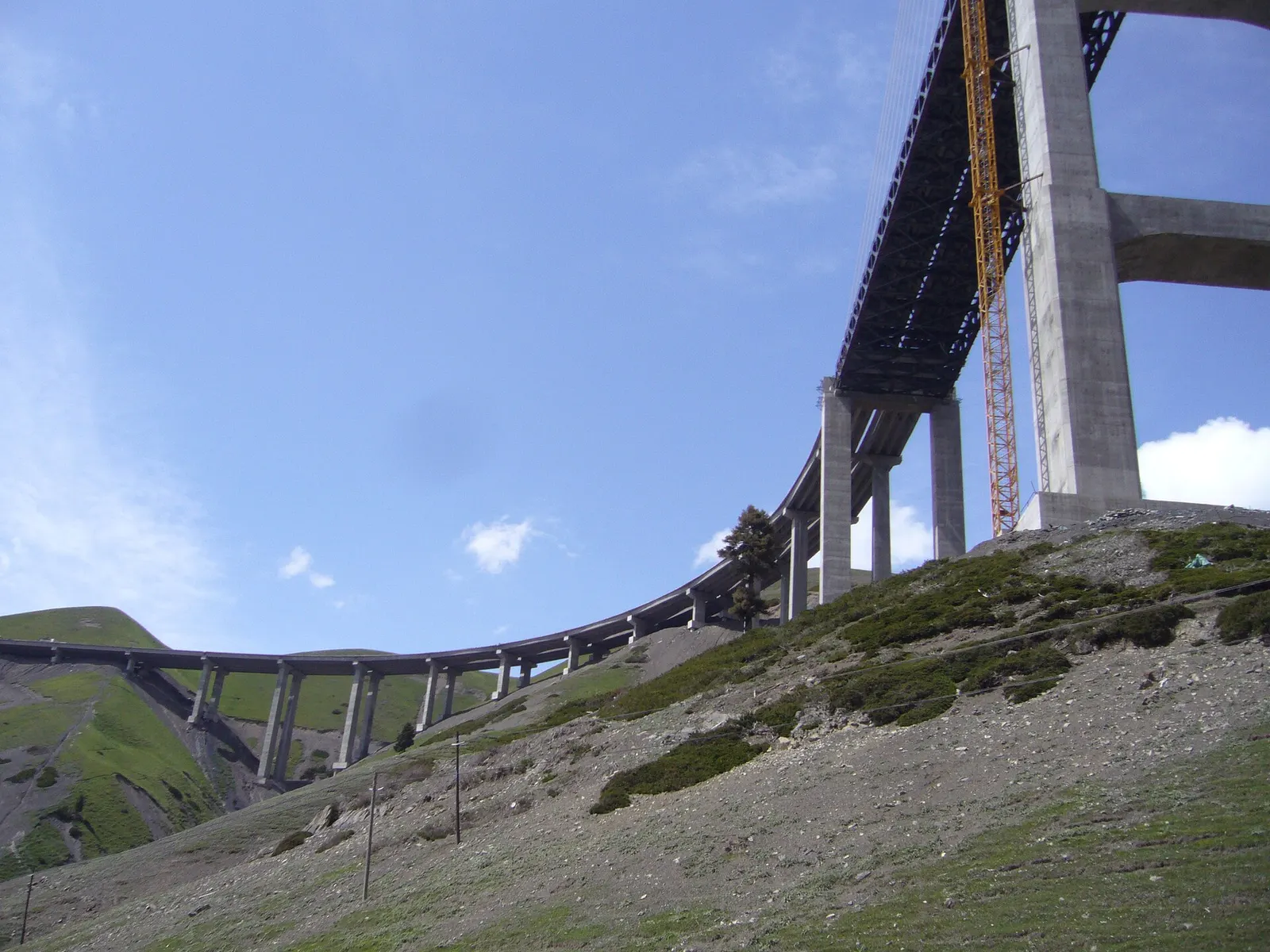
Guozigou is the valley everyone passes through entering or leaving Yili, with the expressway viaduct running through it and snow on both slopes in winter. It needs no special arrangement to see. There are viewpoints by the bridge, but parking is limited; most people watch from the car or have the driver stop briefly in a safe place.
Further west is Khorgos, a border port city with almost no tourists in winter, of interest if you care about border trade and Central Asian goods. It is optional; cut it if time is short.
Nalati and Qiongkushitai: two quiet directions
Nalati goes quiet in winter, grassland under snow, where you look at landform and snow line rather than flowers. Opening areas and transport shift with the season, so follow current notices. For photographing snowfields it beats summer, simply because there are no people or cars.
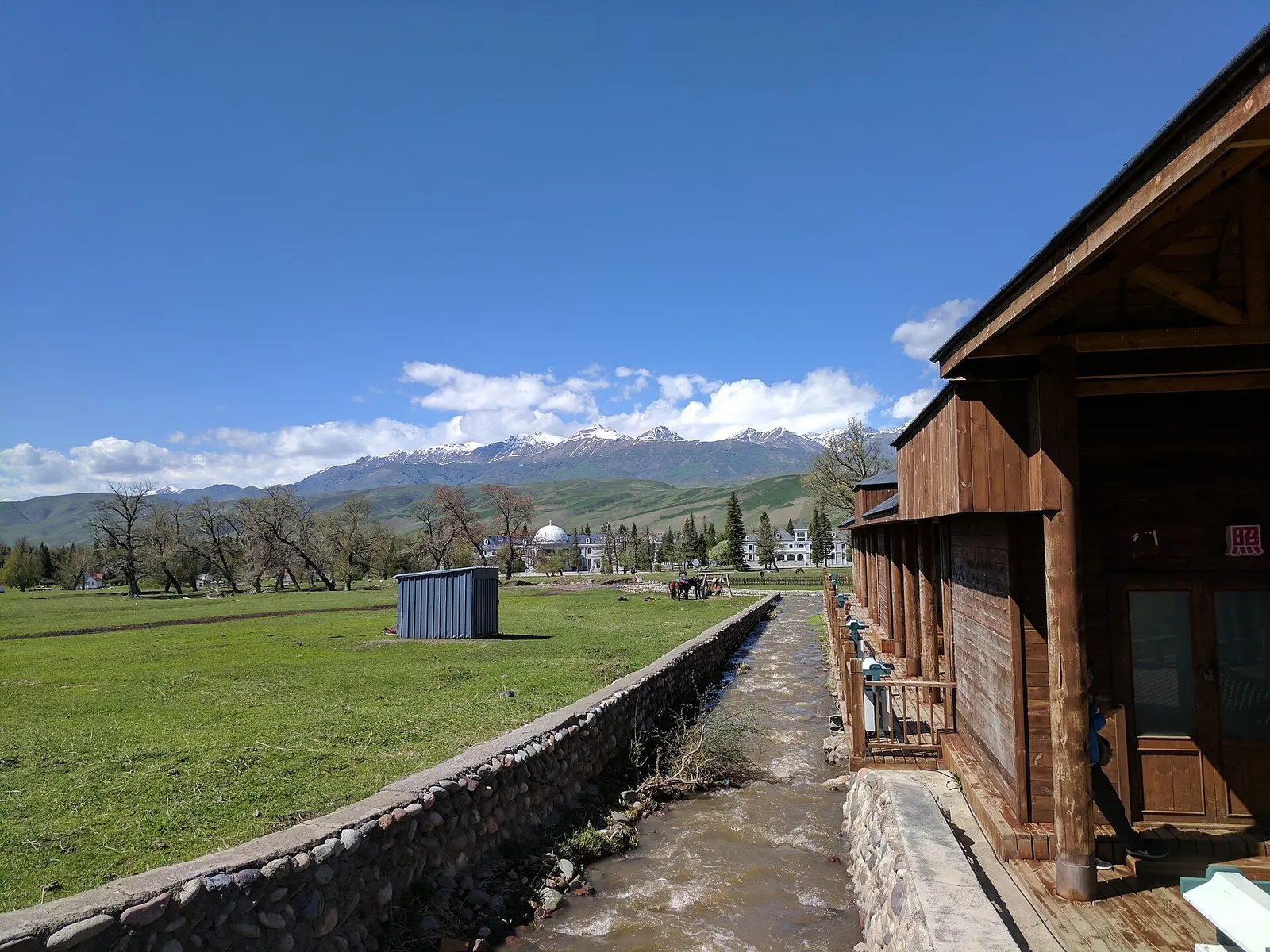
Qiongkushitai is further and rawer. The village sits in the mountains with cabins spread along the slope, and deep snow turns it into a different kind of snow village, but the road is demanding: drifts, black ice, periodic restrictions. Use a local driver and do not head in alone. Do not plan hiking here in winter; staying within the village is enough.
Getting in and moving around
Flying: Urumqi to Yining takes a bit over an hour and is the steadiest option in winter. Delays in snow weather are common, so leave transfer margin.
Trains: overnight trains run from Urumqi to Yining, sleep one night and arrive, saving a hotel bill but costing time. Winter delays happen.
Self-drive: long-distance self-driving from Urumqi in snow season is not recommended. Landing in Yining and hiring a car by the day is the most common winter combination. When negotiating, confirm fuel, tolls, driver meals and lodging, and how a closed-road reroute is priced.
Days: four days covers Sayram, Guozigou and Nalati; six adds Qiongkushitai. Keep one flexible day.
Staying warm and shooting
Yili cold is not Altay cold: temperatures are higher but the wind is stronger and the chill sharper. A windproof shell matters more than thickness, the hat must cover the ears, and a neck gaiter beats a turtleneck.
For photography, the golden window is short in winter. Low light around sunrise suits the lake and snowfields best; midday flat light looks grey. A polariser cuts glare off snow and brings out the layering in ice.
Batteries drain fast in cold, so keep spares against your body, and bag the camera before going indoors to avoid condensation.
Where to stay and what to eat
Yining city is the most practical base: plenty of restaurants and hotels, and both Sayram and Nalati work as day trips. To shoot sunrise, spend one night by the lake or near the park, accepting a step down in dining and heating.
Winter food is heartier: hand-pulled meat, naren noodles, baked samsa, milk tea, all high-calorie and suited to a day outdoors. In Yining the Hanren Street and Kazanqi areas concentrate options; kitchens close early, so do not go late.
Some restaurants near the parks shut in winter, so ask your driver where to eat before setting out rather than hunting on arrival.
Frequently Asked Questions
Do roads close in winter in Yili? Yes, mainly at passes and mountain sections, where temporary restrictions after snow are routine. Keep the itinerary flexible and trust your local driver rather than fixing every day in advance.
Can you ski in winter? Yili has ski areas, smaller than Altay and fine for half a day en route. For serious skiing go to Altay; choices are covered inXinjiang ski resort recommendations。
How should I choose accommodation? Yining city is the easiest base, with Sayram and Nalati both doable as day trips. To shoot sunrise, stay by the lake or near the park, but few places open in winter, so confirm in advance.
Is winter Yili suitable for children? For older children, yes. Long drives, cold outdoors and few activities make it hard with preschoolers.
How does it compare with the northern snow season? For deep snow and snow villages go to Altay; for a frozen lake and empty snowfields choose Yili. The overall comparison is inwinter in Xinjiang。