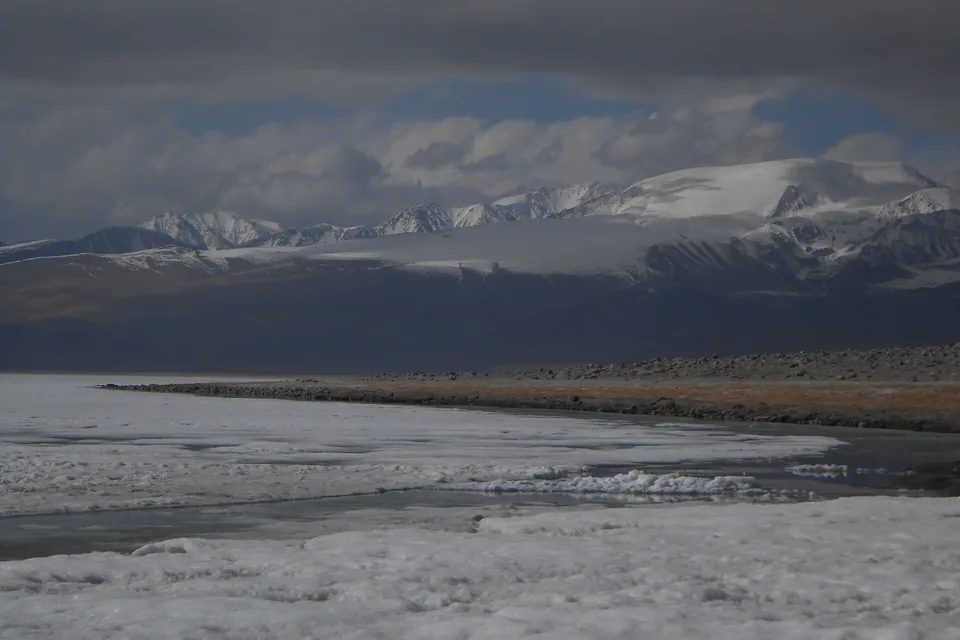
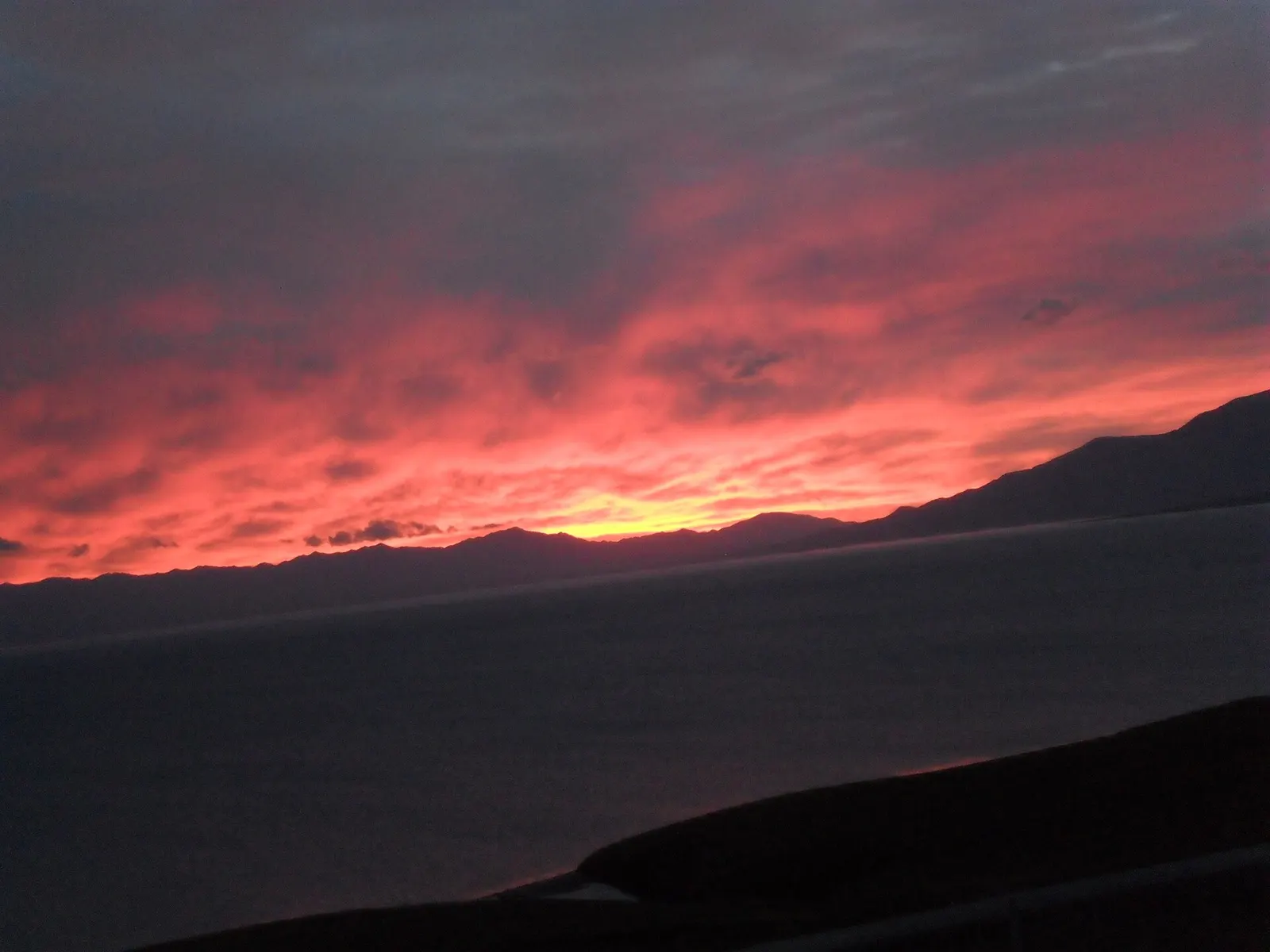
Winter in Xinjiang is not one trip. The north snows, with a long season and Altay and Yili turning into snow country; the south rarely snows and Kashgar still gets sun by day. This covers what each line shows, how to travel it, and what winter transport and gear demand.
Destination: Xinjiang
Winter in Xinjiang is usually dismissed in one word: cold. What actually shapes the trip is something else:Xinjiang is so large that north and south are two different seasons in winter. The north enters snow season and Altay and Yili turn to snowfields; the south rarely snows, and Kashgar still gets daytime sun.
The short version: for snow, go north, five or six days for Altay and seven or eight if you add Yili; to escape cold and see living culture, go south along Kashgar and the Pamirs; to join both, you must pass through Urumqi, because there is no shortcut across in winter.
The northern snow season: Altay is the main stage
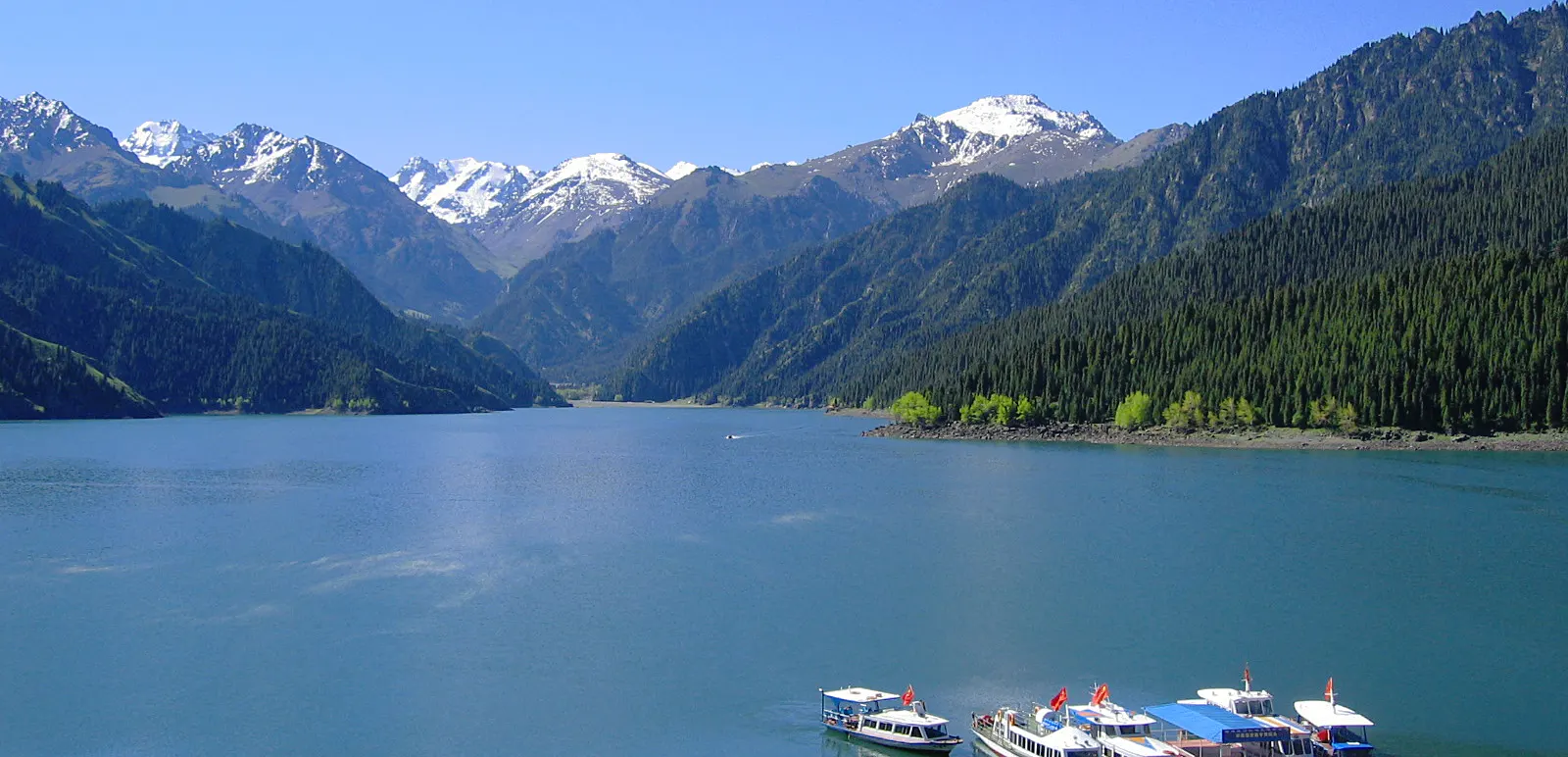
Altay sits at the far north of Xinjiang, with a long snow season and dry snow. It is one of the few places in China where you can reliably see thick snow on wooden roofs. The three villages divide the work: Hemu for morning mist and chimney smoke, Kanas for lakes and river bends that look like ink painting under snow, Baihaba for quiet and a sense of border.
Winter in Altay is not the summer playbook. Summer runs on shuttle buses and boardwalks; in winter many sections depend on snow vehicles, horse sledges or local drivers, and moving between villages takes longer than the map suggests. That is why running two villages a day fails here, and why staying put is the most efficient approach.
For how to stay in Hemu and whether Kanas is accessible in winter, a separate piece goes deeper:winter in Altay。
Winter in Yili: lakes, snowfields and Guozigou
Yili winters are milder than Altay but windier. The highlight is the ice on Sayram Lake: once the surface freezes, wind drives broken ice onto the shore and stacks it, the so-called ice push, with snow mountains behind. When the lake freezes and when the ice piles up differ every year with temperature and wind, so ask locally rather than trusting a blog. The dedicated piece is atwhen to see the Sayram Lake ice push。
The Guozigou bridge is another winter viewpoint: bridge, valley and snow line layered together, visible only if you slow down. Nalati and Qiongkushitai fall quiet in winter, grassland under snow, where the draw is landform and village rather than flowers, and road conditions need more local judgement than in summer.
For how to structure Yili and how many days it needs, seewinter in Yili。
The southern warm winter: the half of Xinjiang without snow
Kashgar in winter feels like another country. Daytime sits around freezing, and with sun you can walk the old town all day without discomfort. Far fewer visitors than autumn; the old teahouses are full of locals. What you come for in this season is daily life, not landscape photography.
The Pamir direction needs separate treatment. Tashkurgan is high, windy and markedly colder than Kashgar, and some sections are temporarily restricted when icy. Whether you go, and whether you can go that day, is decided locally, so do not write seeing Muztagh Ata into the plan as a must. The overall southern route and how to get in is already covered ina first trip to southern Xinjiang and how to get to southern Xinjiangtwo pieces, and winter only adds a layer of road-condition judgement.
How to move around Xinjiang in winter
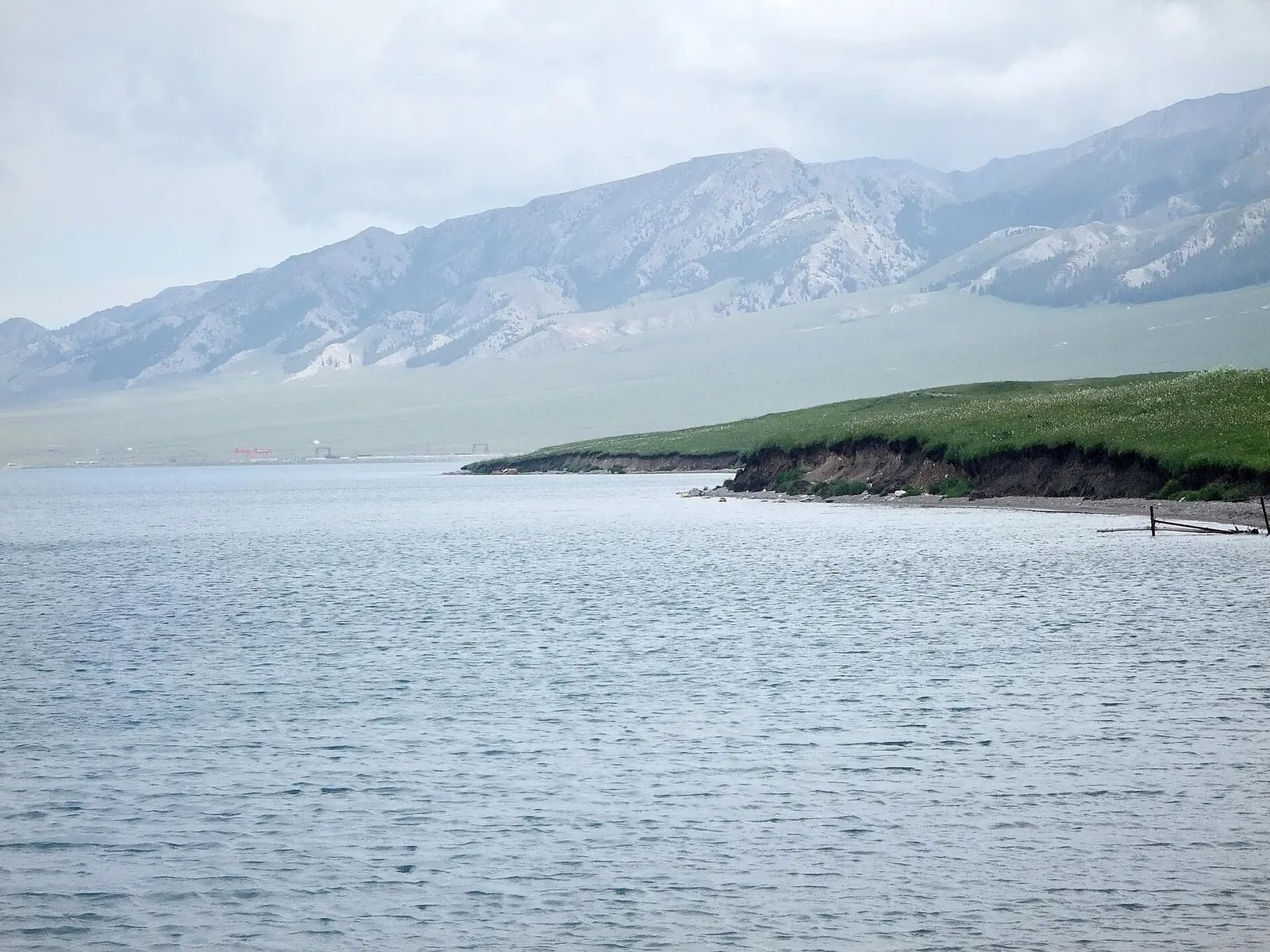
Winter transport in Xinjiang follows one rule:fly when you can, hire a car when you cannot, and do not plan long road transfers。
Urumqi is the only hub. There are flights to Altay, Yili and Kashgar, and winter weather affects them, so leave transfer margin. Rail is the fallback: overnight trains save a hotel night but take noticeably longer.
Self-driving risk in snow season comes down to three things: black ice, blowing snow that kills visibility in minutes, and detours after closures. Seasonal roads such as the Duku Highway are closed in winter, with dates that change yearly and are set by transport authorities. A hired car with driver is not just easier; it hands road judgement to someone who knows the conditions.
Gear and cold: more specific than you think
Dress in three layers: wicking base, insulating mid, windproof shell. Comfort is decided by accessories, meaning hat, neck gaiter, gloves, thick socks and non-slip waterproof boots. Stand outside long enough in deep northern winter and your feet go first, and once your feet are cold the whole body follows.
Electronics need their own plan. Phone and camera batteries drain fast in the cold, so keep spares against your body, and seal the camera in a bag before going from outdoors into a warm room to prevent condensation.
One easily forgotten factor: daylight is short. In December in northern Xinjiang you may get only six or seven usable hours of light, so build the day backwards from sunrise and never put a long transfer in the afternoon.
Frequently Asked Questions
How many days do you need in winter? Altay alone, five to six days; Altay plus Yili, eight to nine; Kashgar and the Pamirs, six to seven. Winter does not suit a new place every day, because movement costs more than in summer.
Is Spring Festival too crowded? Hemu and Kanas in the north are peak around Spring Festival, with tight rooms and higher prices, so book ahead. Avoiding that week makes a large difference.
Are skiing and snow sightseeing the same thing? No. Xinjiang has ski resorts, and it also has village-and-snow routes where you ride snow vehicles and photograph settlements; the bases and rhythms differ. For resorts seeXinjiang ski resort recommendations, and for snow alone follow the village route in this article.
Is it easy to travel alone? In the northern snow season a private car is expensive solo, so shared vehicles or a small group are more practical. In Kashgar the city itself is easy alone; you only need a vehicle once you head out.
Is winter in Xinjiang worth a dedicated trip? If you have seen Yili in summer or Kanas in autumn, winter is a completely different journey. If it is your first time in Xinjiang and you have one week, decide first whether you want snow or grassland, and do not mix the two lines.