
What should you bring back from a trip? This nationwide gift, specialty and souvenir list outlines representative gift boxes and items by region, explains how to choose for elders, colleagues and foreign friends, and gives practical tips on local channels, airport luggage rules, shelf life and avoiding fakes.
Bringing gifts home is, for many travellers, the 'last stop' they start planning before leaving. The short answer: whether you call it asouvenir, local specialty or gift, the buying rule least likely to disappoint is simple—buy what 'locals eat and use locally', not the packaging 'made for tourists'. Time-honoured shops and loose stalls in local markets are usually more genuine than identically named boxes at scenic-area gates, and give you a better story to tell.
This list is for travellers within China, outlining representative gift directions by region and how to choose for three gifting scenarios, where to buy and how to carry them home. Specific shops, prices and shipping times change—check the latest notices from stores and official channels before you go. Scenic-area stall quality varies; the following are buying ideas, not promises about specific shops.
Souvenirs, Specialties and Gifts: How the Three Terms Differ
The three terms are often used interchangeably, but each leans slightly differently; understanding them helps you buy the right thing:
Local specialty: stresses 'produced here'—tea, liquor, dried fruit, porcelain, pastries, cured and pickled foods all count; it's the main body of a gift list.
Gifts & Souvenirs: stresses 'expressing feeling through a keepsake', very common in Hokkien-speaking regions and some southern travel contexts; smaller than 'specialty' and more about 'carrying your thoughts back'.
Travel gift (ban-shou-li): stresses 'a gift for visiting as a guest', now generally also used for the gift boxes travellers buy to give away.
For most travellers the buying behaviour behind the three terms is the same: pick something representative, easy to carry and useful to the recipient. The list below is organised so you 'find a direction fastest when you want to give a gift'.
Separate Three Gifting Scenarios First
Before buying, think about who it's for, then decide loose or boxed:
Gifts for elders: mainly tea, liquor, dried fruit, tonic dried goods and pastries; prefer time-honoured brands or geographical-indication origins, and avoid unbranded goods with exaggerated health claims.
For colleagues or friends: small, easy-to-share snacks are best—pastries, jerky, dried fruit and sweets, favouring 'good value in bulk, one pack per person'.
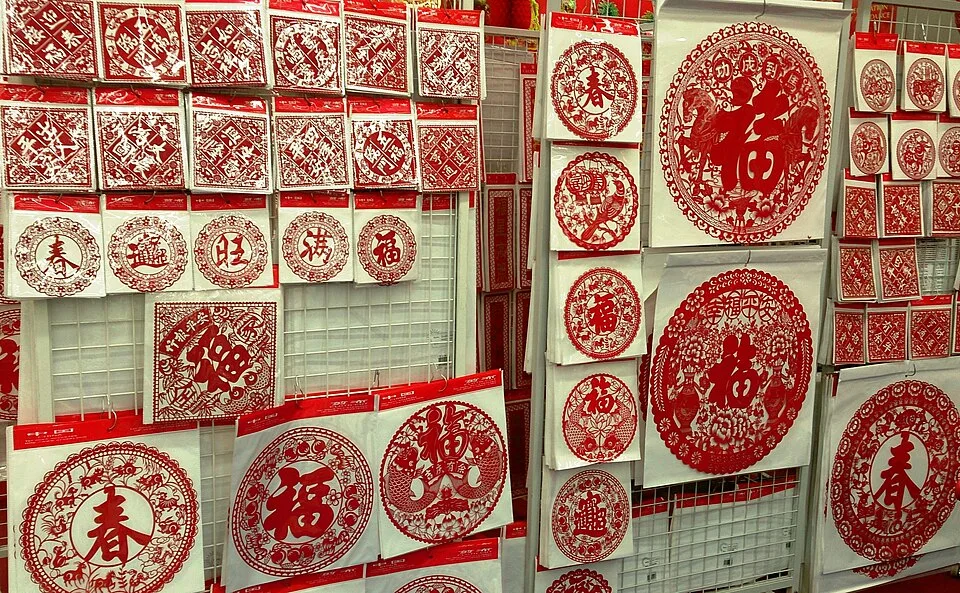
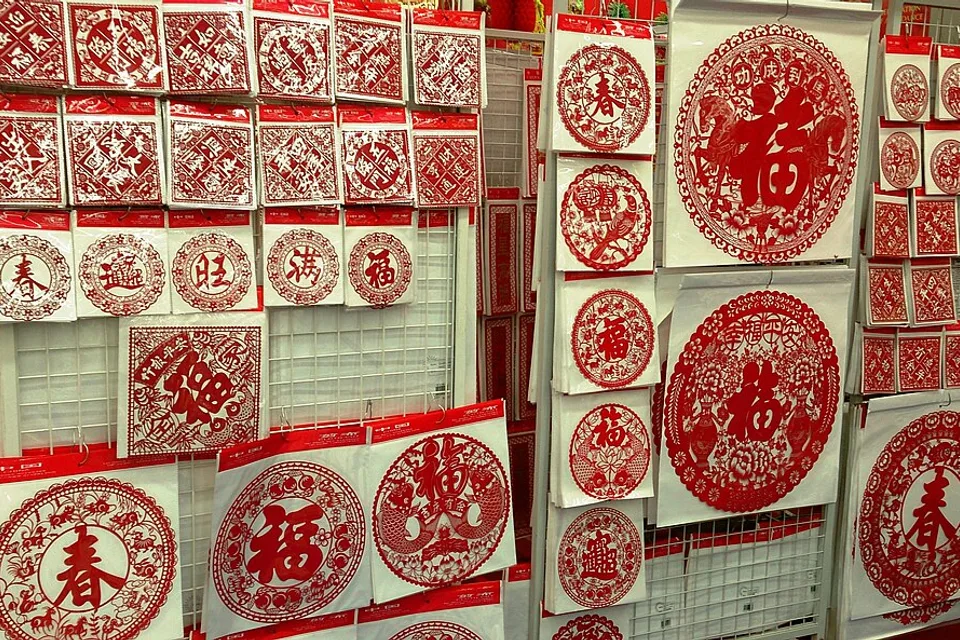
For foreign friends or clients: 'good-looking + easy to explain' matters most. Silk, porcelain, paper-cuts, tea gift boxes and similar items that tell a Chinese story and come fully packaged suit better than loose snacks; also mind the destination country's entry restrictions (meat, dairy, eggs, seeds—defer to their customs).
By Region: What You Can Bring Home from Where
The list below gives directions by geographic region with a few representative examples in each. Examples state the category and why it fits, without promising 'the best' or 'the most authentic'; many places make excellent versions of the same category, so simply buy near your own route.
North China
Beijing: preserved fruit, fuling cakes, roast duck (vacuum/boxed), Daoxiangcun pastries. Preserved fruit and pastries are small and shelf-stable—good for colleagues; roast-duck boxes need attention to shelf life and cold chain.
Tianjin: mahua twists, jianbing-guozi (gift boxes), Clay Figure Zhang, Yangliuqing New Year prints. Tin-boxed mahua is the easiest buy; figurines and prints are craft gifts—mind crush protection.
Shanxi: aged vinegar, Pingyao beef, Fen liquor. Vinegar and beef ship well; liquor must respect checked-luggage limits and container rules.
Inner MongoliaInner Mongolia: beef jerky, dairy foods (milk skin/milk tofu/cheese sweets), milk-tea powder. The drier the jerky the longer it keeps; for dairy, check shelf life and refrigeration needs.
Northeast China
Heilongjiang: Harbin red sausage, dabaileba bread, Qiulin kvass, northeastern black fungus. Vacuum-packed red sausage is common; when carrying abroad, mind aroma and liquid rules.
Jilin: ginseng (boxes/slices), Changbai Mountain mushrooms, pine nuts. For ginseng choose proper channels and ask about grade to avoid scenic-area markups.
Liaoning: Xiuyan jade, Goubangzi smoked chicken, Bulaolin candy, Panjin rice. Jade depends on trustworthy channels—don't buy 'collector-grade' pieces at roadside stalls.
Northwest China
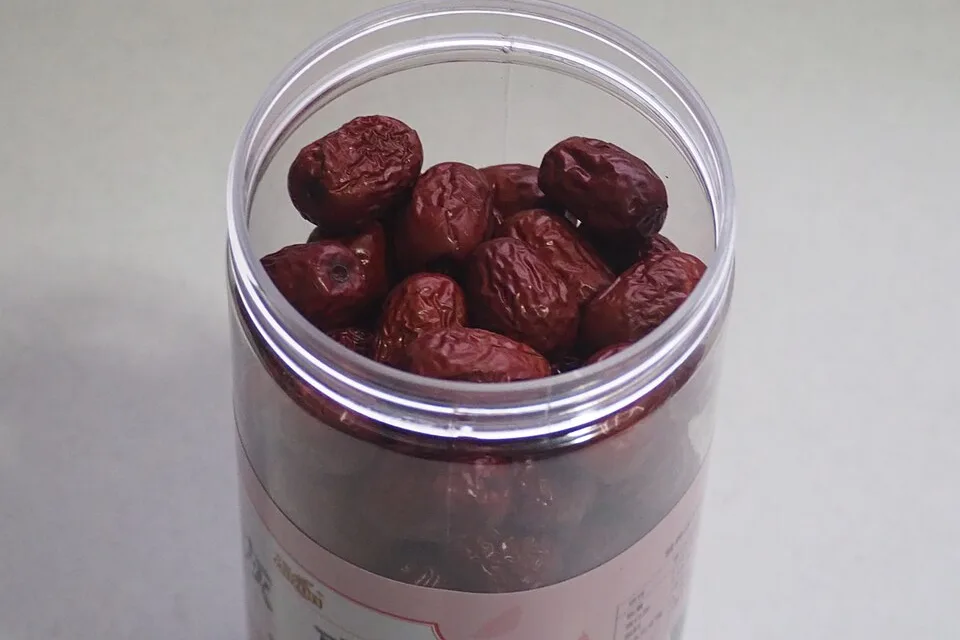
ShaanxiShaanxi (Northwest): Goutou dates, yangrou-paomo seasoning packs, Fuping dried persimmons, Lantian jade. Persimmons and dates travel easily; for jade, again trust the channel.
GansuGansu: Lanzhou lily, Li Guangxing dried apricots, Kushui rose, Wudu Sichuan pepper. Dried lily and apricots keep well; rose and Sichuan pepper suit kitchen gifts.
NingxiaNingxia: Zhongning goji, eight-treasure tea, eastern-Helan wine. Goji is a classic wellness gift—distinguish origin and grade; wine needs cushioned, leak-proof checked luggage.
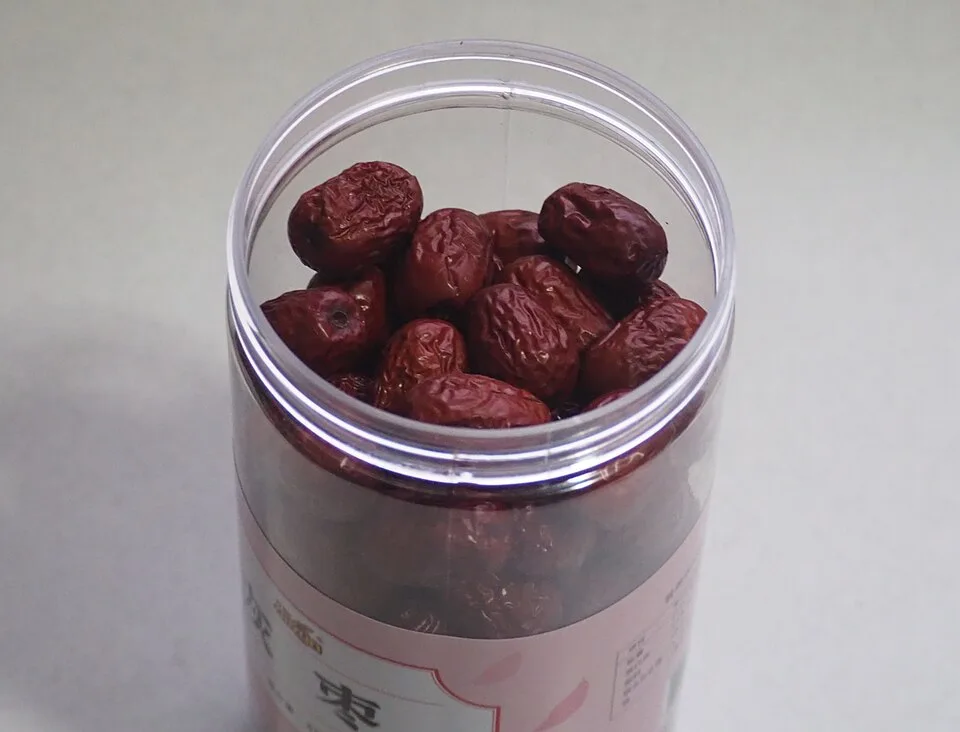
XinjiangXinjiang: raisins, almonds, red dates, dried Hami melon, snow chrysanthemum. Dried fruit offers many options for packed gift boxes; in summer heat mind moisture, and watch weight before boarding.
East China
Shanghai'sShanghai: White Rabbit candy, Chenghuang Temple spiced beans, pear-syrup sweets, Shanghai-brand watches (craft direction). Candies are light and suit bulk distribution.
Jiangsu: Nanjing salted duck (vacuum), Suzhou pastries/dried tofu, Yixing zisha clay, Zhenjiang aromatic vinegar. Zisha and vinegar are presentable for elders and clients.
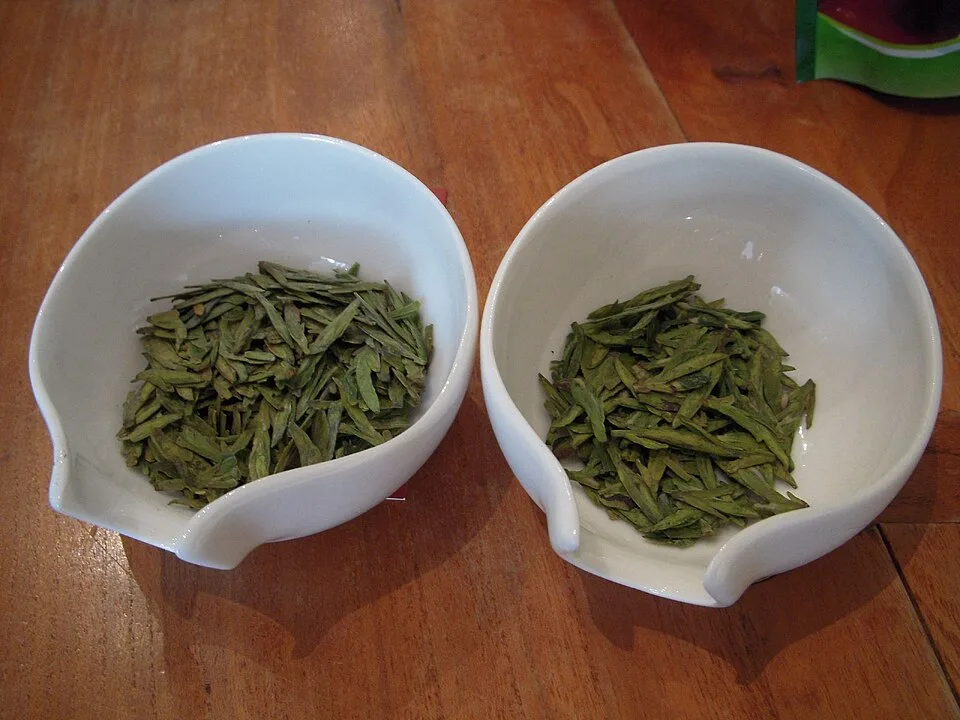
Zhejiang: Longjing tea, Shaoxing rice wine, Jinhua ham (vacuum-cut), Hangzhou lotus-root powder. Tea and wine are the big gifts—mind luggage and fragility.
Anhui: Huangshan Maofeng, Keemun black tea, Xuan paper/brushes, Hui ink. Scholar's stationery is excellent 'cultural gift'—small and full of story.
Fujian: Anxi Tieguanyin, Wuyi rock tea, Quanzhou preserved fruit, Fuzhou jasmine tea. Tea leads; preserved fruit is sweet and shelf-stable.
Central China
Henan: Xinyang Maojian, Luoyang peony cakes, Kaifeng peanut cakes, Daokou braised chicken (vacuum). Pastries taste best freshly made—for long trips prefer sealed packs.
HubeiHubei: Wuhan hot-dry noodles (sauce packs/portable), Xiaogan malt candy, Enshi Yulu tea. Portable hot-dry noodles suit noodle-loving friends; malt candy fears heat.
HunanHunan: for Hunan flavours choose chopped-chilli sauce and sauced pressed duck; sauces need sealing and mind checked-luggage liquid rules.
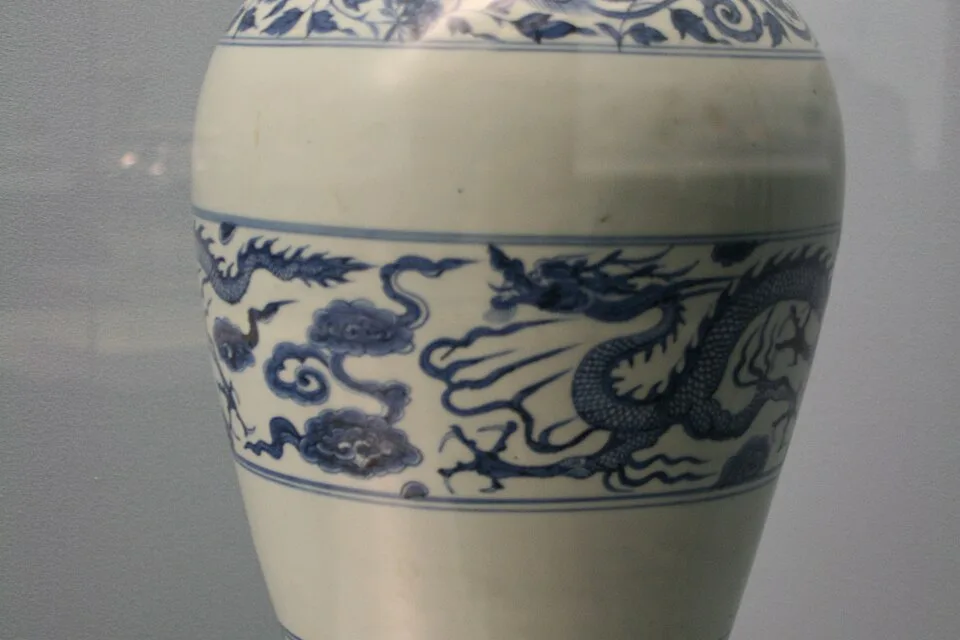
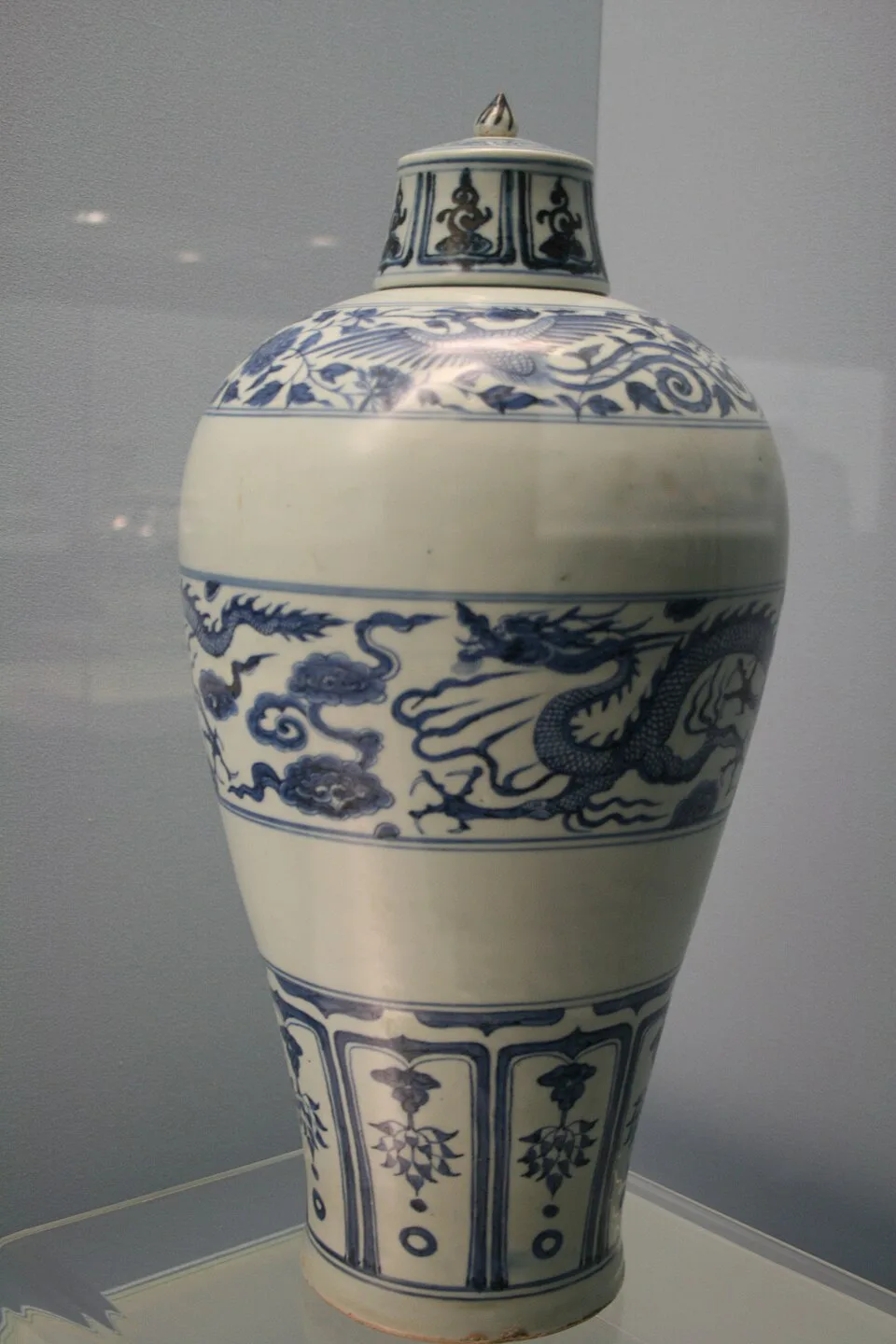
JiangxiJiangxi: Jingdezhen porcelain, Jiujiang tea cakes, Nan'an pressed duck. Jingdezhen porcelain carries weight as a gift—use protective packaging without fail.
South China
GuangdongGuangdong: Xinhui chenpi, Cantonese lap cheong, jizai/almond cakes, herbal-tea granules. Chenpi and cured meat suit elders; check regional rules on carrying cured meat across borders.
GuangxiGuangxi: Liuzhou luosifen (bagged), luo han guo, Guilin osmanthus cakes, Beihai salted duck eggs. Luosifen is aromatic but bagged and easy to carry—a young people's favourite.
HainanHainan: coconut sugar, coconut powder, pepper, dried seafood. Can be bought along the 0765trip Hainan 5-day route; for dried seafood mind shelf life and odour.
Hong Kong & Macau(if on route): Hong Kong wife cakes/egg rolls/soy sauce, Macau almond cakes/dried pork slices. Luggage rules match the mainland crossings—mind entry limits.
Southwest China
ChongqingChongqing: hotpot base, Chen mahua, Hechuan peach slices, Fuling zhacai. For base check shelf life and whether it hardens in cold winter conditions.
SichuanSichuan: Pixian douban, dengying beef, Zhangfei beef, Mengding tea, Shu brocade/embroidery. Douban is kitchen currency; brocade and embroidery are craft gifts.
GuizhouGuizhou: Moutai (proper channels), Lao Gan Ma, dried roxburgh rose, sour-soup base. For liquor use licensed channels and reserve luggage time.
YunnanYunnan: flower cakes, Pu-erh tea, arabica coffee, Xuanwei ham (vacuum), Jianshui purple clay. For flower cakes choose fresh-baked or long-life packs; compressed Pu-erh cakes take little space when checked.
TibetTibet: yak jerky, Tibetan incense, barley foods, thangka (craft direction). Incense and thangkas suit cultural gifts—check ingredients and channel notes.
Local Channels vs Tourist Channels: Where Buying Is Safer
Under the same name, what locals buy and what tourists buy can be entirely different. A few common channel differences:
Time-honoured shops / official flagship stores: stable quality and complete packaging, good for gifting; prices are generally not low but rarely absurd.
Local wet markets / wholesale markets: loose goods are genuine and you can taste first—good for personal use and large colleague shares; mind shelf life and weighing standards.
The first ring of stalls at scenic areas: convenient but visibly marked up, and 'same name, different quality' is most common here—skip when you can; walking two more streets often pays off.
Airport duty-free and specialty counters: fine for last-minute top-ups, but range and prices are poorer than downtown; for liquor/liquids note carry-on vs checked limits.
Official online stores: for those who don't want to carry goods, top up after arriving home—but even 'direct from origin' should be checked for the dispatch location and credentials to avoid origin-stamped relabels.
Carrying It Home: A Few Hard Luggage Reminders
Liquids and liquor: carry-on liquids are restricted; liquor usually goes in checked luggage and must be unopened. Follow your actual airline's and security rules on millilitres, piece counts and allowances.
Fragile items: porcelain, glass and clay figurines need reinforced packing from the shop—ideally a separate cushioned checked box; small pieces can go in carry-on for safety.
Fresh food and cold chain: meat, dairy and cooked food for air travel—check your departure and arrival airports' quarantine and carriage rules first; don't assume 'vacuumed = allowed'.
Taking gifts abroad to foreign friends: the destination country usually restricts meat, dairy, eggs, seeds and fresh produce—defer to their customs rules so your goodwill isn't held at the border.
Weight and volume: categories like dried fruit and tea 'don't look heavy but weigh a lot'—reserve weight budget for them before check-in.
Four Reminders to Avoid Pitfalls
'Authentic/geographical indication' doesn't make everything real everywhere: anyone can print an origin name—check the producer, origin label and packaging standard before buying, and use licensed channels for major items.
Shelf life and season: pastries' shelf lives shorten sharply in summer; cured meat and dried seafood fear heat and humidity—for long trips consider vacuum and cold-chain needs.
Gift-box markup: the same loose and boxed goods can differ by several times—decide personal use vs gifting first, then pay for packaging.
Health-effect talk: any tonic or supplement stressing 'cures all' or 'miraculous effect' can basically be skipped; even proper tonics should follow the instructions and your own condition.
Frequently Asked Questions
Q: Which souvenirs are safest for foreign friends? A: Prefer categories that are 'explainable + fully packaged + likely allowed by their customs', such as tea gift boxes, silk, small porcelain pieces and handicrafts like paper-cuts or New Year prints. Meat and fresh produce are the most likely to be stopped—check their customs rules before giving.
Q: Do the same specialties differ a lot between scenic areas and downtown? A: Usually visibly. The first ring at scenic areas serves tourists, so prices include rent and convenience markups; walking two steps to a local market or a time-honoured main shop usually gets you more genuine goods for the same budget.
Q: How to carry 'big items' like tea and liquor comfortably? A: Tea becomes manageable once compressed or portioned; for liquor, reserve checked-luggage allowance, keep it in the original cushioned box and tell the counter it's fragile. On itineraries mixing high-speed rail and flights, allow enough time before airport check-in.
Wrapping up
This whole list in one sentence:buy what locals eat and use themselves, not the 'tourist edition' packaging—whether called souvenir, specialty or gift, it should be a thought you can explain with 'where and why you bought it'. Find your direction by region, decide the form by scenario, avoid markups by channel, and leave room for luggage and shelf life—then the gift won't go wrong.
One more note before you go: shop opening hours, prices and shipping times change every year and season—before departure, check the latest notices from local time-honoured brands and official channels. If you'd like an itinerary that lets you browse local character while shopping at ease, tell 0765trip's travel advisors your 'destination + number of days + what you'd like to bring' via our contact page, or view the destination routes on the site; the advisors will fit 'souvenir shopping' into an unhurried pace.