
Coming back from Tibet—what to give? Tibetan incense, barley tea, butter/sweet tea, puglu scarves and auspicious-knot accessories—how to pick by recipient and which ones need authenticity checks, all here.
Destination: Tibet
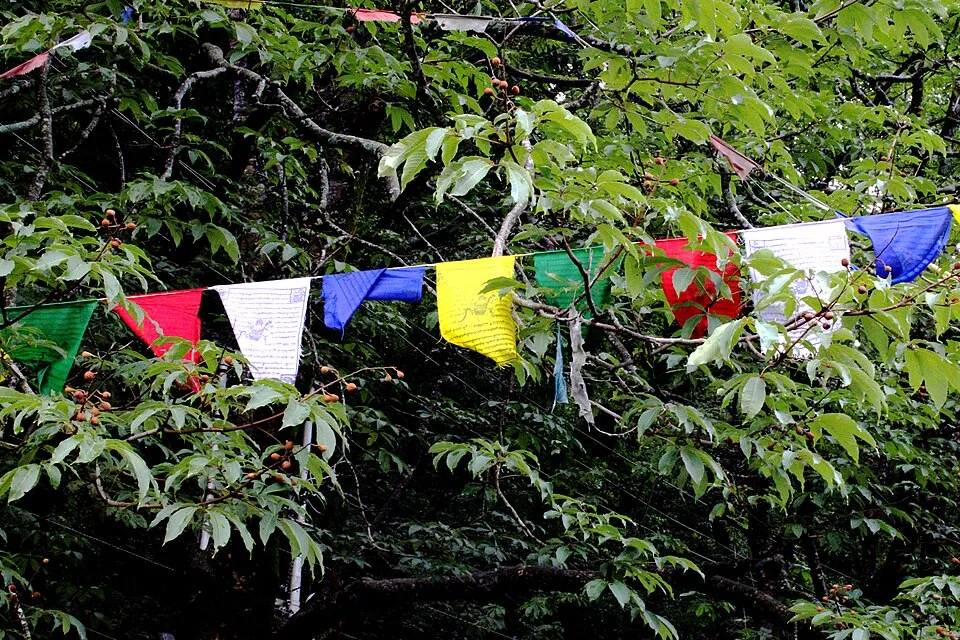
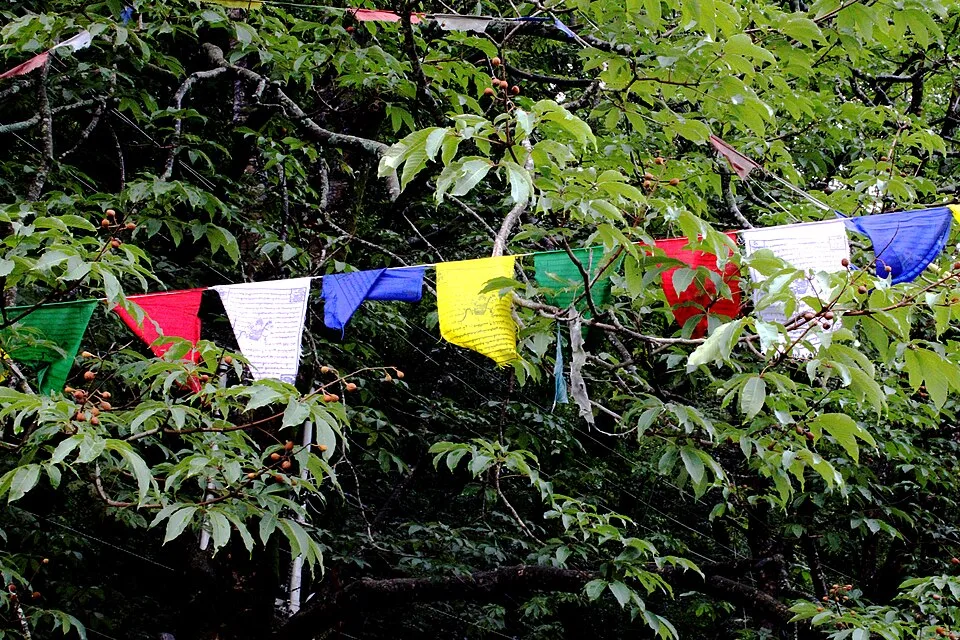
Tibet's gifts carry a natural 'highland filter': the aroma of butter, the taste of barley, prayer wheels and five-colour prayer flags are memories you find nowhere else. The short answer:for elders choose Tibetan incense and barley tea, for friends choose yak jerky and small sweet-tea boxes, and for women or elders a puglu scarf works well; for accessories, ask about the material and content—the baseline of a Tibet gift is 'can explain what it's made of and where it comes from'.
This page only covers how to choose gifts; see the 'Tibet Specialties' guide for origin details. Styles, prices and shop opening hours change with the season—check the latest notices on site and from official channels.
Tibetan Incense: The Most 'Aromatic' Gift from Tibet
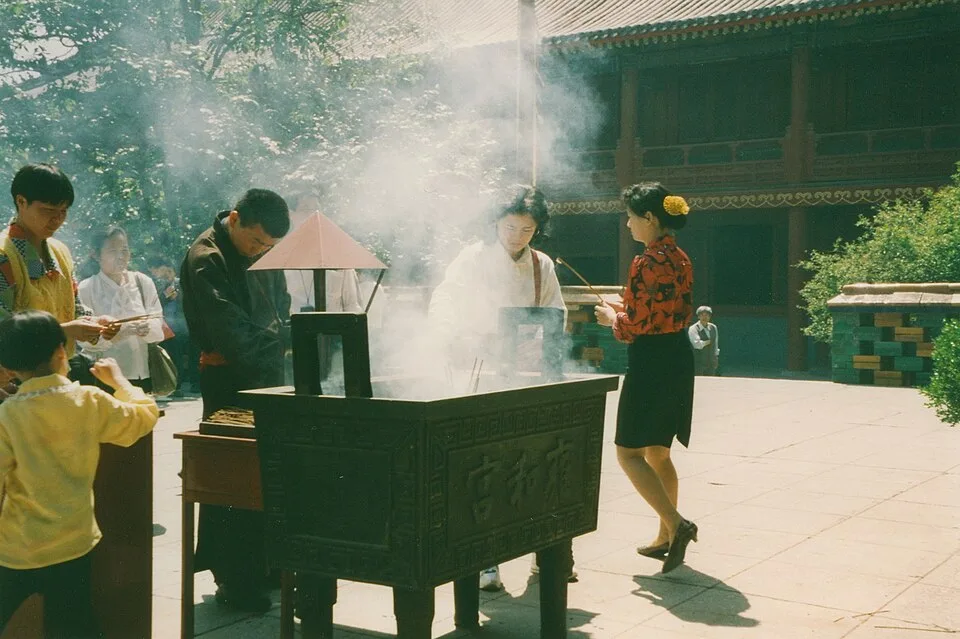
Tibetan incenseis made from natural botanicals, with Nimu incense a notable producing area. When buying, check theingredients and handmade marks; natural incense releases a herbal-wood smell when lit, while cheap synthetic sticks need caution. Light in weight and varied in form (cone/stick/coil), it is a good choice for elders or incense-loving friends. Buy from proper incense shops and look for the Nimu or other origin labels rather than just packaging.
Barley Snacks and Tea: Healthy, 'Edible' Gifts
Barley tea, barley biscuits and barley energy bars are light, easy to share and suit colleagues and friends.barley teacomes in individual bags and brews with a toasty grain aroma; pair it with butter/sweet-tea powder for a 'Tibetan afternoon tea' set. Check the barley content in the ingredients and the producer, and don't pay extra for mere 'Tibetan-sounding' marketing.
Puglu and Bangdian: Visible 'Handcraft'
Pugluis a traditional Tibetan woollen textile—scarves, shawls and cushions made from it have real texture;bangdian, the traditional striped apron motif of Tibetan women, looks striking woven into scarves and canvas bags. Puglu comes in machine-made and handmade versions with a wide price gap—for gifts, prefer hand-weaving workshops and proper specialty stores; machine-woven items are fine as everyday gifts, but don't blindly pay extra for a 'handmade' label.
Auspicious Knots and Accessories: Be Clear About the Material
Along Barkhor Street you often seevajra knots, prayer-wheel pendants, dzi-bead replicas and turquoise/agate bracelets. The pitfall here is 'material and content': replicas of turquoise and agate are everywhere. Ask about the material before buying, check for certificates or use reputable jewellery shops; roadside items are 'tourist souvenirs', not 'investments'.
For Foreign Friends: Choose What You Can Explain and Carry
For foreign friends, preferbarley tea/sweet tea, Tibetan incense and puglu scarves—light, non-perishable and easy to explain. For meat and precious herbs, first consider your friend's country's entry and quarantine rules, so your goodwill doesn't get stuck at customs.
Three Easy Pitfalls
'Natural Tibetan incense' isn't always natural: check the ingredients and origin—labels such as Nimu are more credible.
Accessory materials: dzi beads and turquoise are heavily counterfeited; for gifting or personal wear, clarify the material first.
Dairy and sweet tea: products with dairy components have short shelf lives—for long trips choose shelf-stable vacuum versions.
Wrapping up
The keywords of Tibet gifts are 'highland, handcrafted, explainable': incense for elders, barley tea for colleagues, puglu scarves for women or elders, and auspicious knots for 'those who have been' to wear themselves. Asking about ingredients, origin and material beats any packaging when it comes to expressing care.
Styles and prices follow the latest notices from stores and official channels. To fit Barkhor Street and specialty shops into a Tibet itinerary, or to tailor a set for a recipient, contact 0765trip's travel advisors via our contact page.