
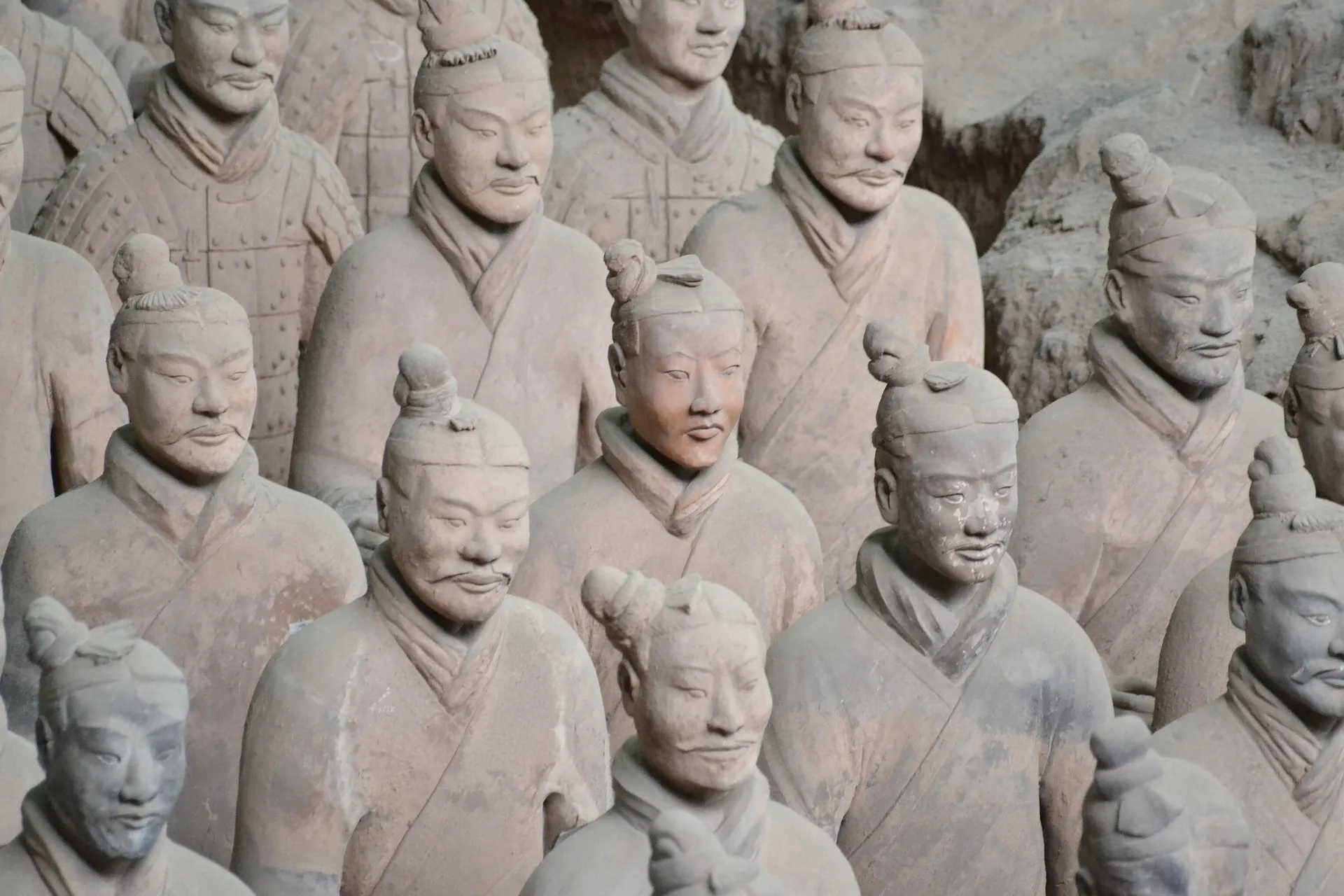
Routes picked for gentle pacing, solid facilities and real medical backup — from the Forbidden City in Beijing to the Terracotta Army in Xi'an, from the Li River in Guilin to the gardens of Suzhou — so your parents can enjoy the trip without bracing for it.
Taking your parents travelling is something many of us promise ourselves. But where to take them is a technical problem: there has to be something to see without too much walking, novelty without too much upheaval. This guide is about arranging a trip your parents will actually enjoy.
Choosing the destination: three keywords
A destination that suits older travellers answers to three words: gentle, established, storied。
- Gentle: not too high, not too many steps. Dali and Yangshuo, or the water towns of the Jiangnan region, where the ground is flat, suit better than mountain destinations like Zhangjiajie or Mount Tai.
- Established: good infrastructure, easy access to medical care, comfortable hotels. Big cities and mature tourist towns come first.
- Storied: older travellers care about history. Ancient capitals, old towns and memorial halls often move them more than pure scenery — Xi'an, Nanjing and Beijing are places they have wanted to see all their lives.
Especially recommended:
- Hangzhou: West Lake is flat and easy, with the Su and Bai causeways made for strolling; tea hills, temples and museums are scattered around, and the pace feels unhurried.
- Suzhou: the gardens are small, changing with every few steps, and there is always a tea house when you are tired; Pingjiang and Shantang streets reward a slow walk.
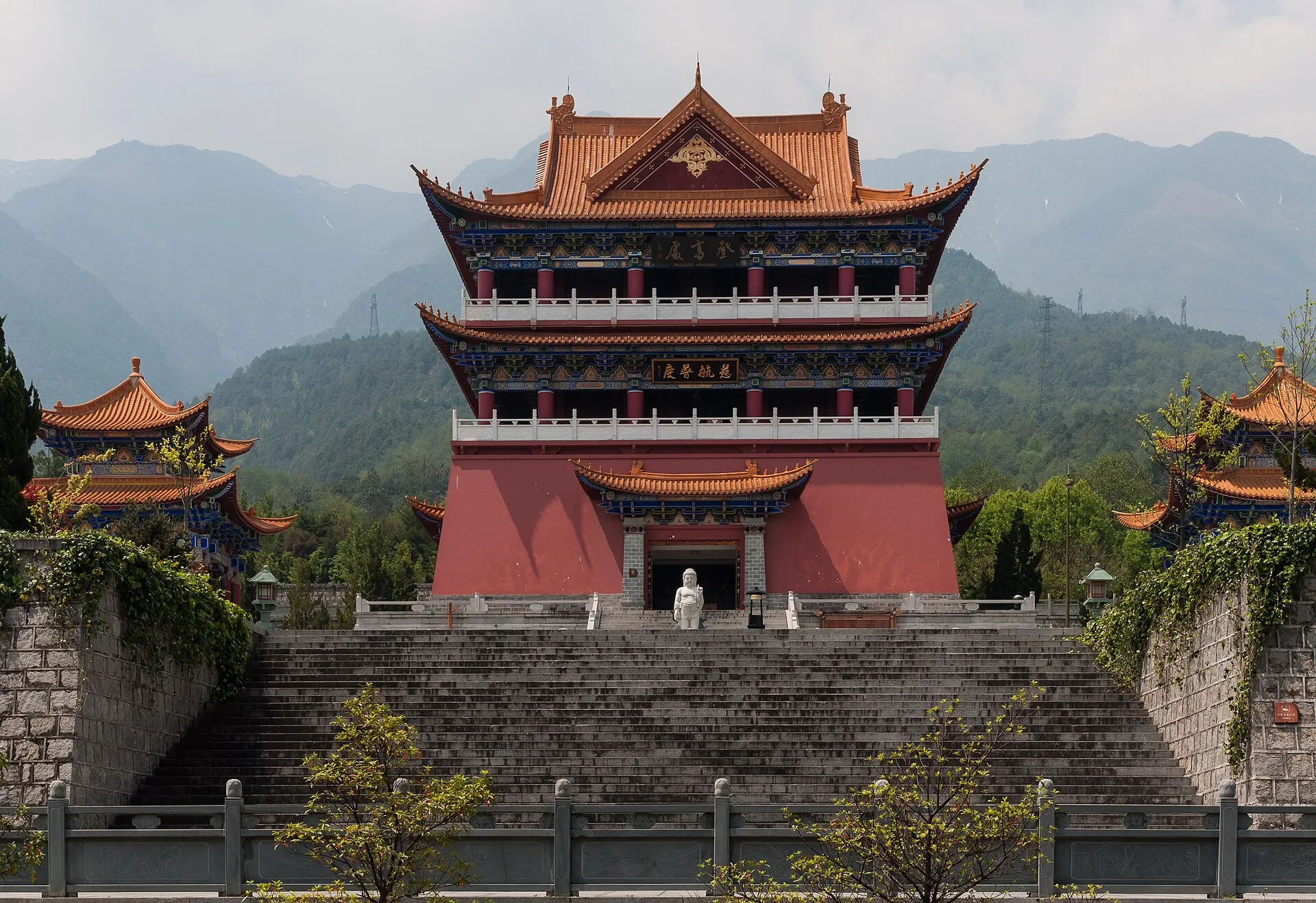
- Kunming and Dali, Yunnan: moderate altitude and spring weather all year; ride or drive around Erhai Lake and let the scenery do the work.
The itinerary: slower still
The heart of a trip for older travellers is empty space. One major sight a day plus proper rest beats five sights ticked off in a day.
A workable rhythm:
- Leave between eight thirty and nine — you miss the morning rush and respect their body clock.
- One main sight in the morning, back to the hotel or somewhere quiet for an hour's rest at noon, something easy in the afternoon.
- Return early in the evening, with no nightlife planned, so sleep stays good.
Transport:
- High-speed rail over long-distance buses, a private car over a group tour. Older travellers do not take well to long waits and transfers.
- If the next sight is more than an hour away, take a car or a taxi. Do not save that money.
- Aim for five to seven days, with one day left completely free.
Health and safety: the real homework
With older travellers, a health plan matters more than a sightseeing plan.
- A check-up before you go: take them for a check-up, bring enough of any regular medication, and carry the medical record and a list of medicines with you.
- Managing chronic conditions: for high blood pressure or diabetes, keep the diet and the dosing routine unchanged; pack a glucose meter and a blood-pressure monitor.
- Altitude: be careful above two thousand metres. Dali and Lijiang in Yunnan are fine; Tibet deserves an assessment in advance.
- Comfortable kit: non-slip shoes, knee supports, a walking stick (useful even on flat ground, to take load off the knees), a warm jacket.
- Insurance: buy them travel insurance that includes accident medical cover. A small sum for a lot of peace of mind.
Small things that make parents happy
- Preview the trip: show them photos and background before you leave; anticipation is half the pleasure.
- Respect their pace: when they slow down, say let's find somewhere to sit and have tea, not you're tired again.
- Take group photos: they will say they do not need them, and then treasure them most when you are home.
- Leave room for one private moment: an afternoon of fishing for your father, a tea house for your mother. They will remember it for years.

Do not decide everything for them
Many people slip into I-have-arranged-it-all mode when travelling with parents: what time to get up, where to eat, which path to take. The intention is filial; the result is often parents being polite for a week and then murmuring on the way home that they had wanted to see that old temple.
An easier approach is to split the trip into a frame and the filling. The frame — transport, hotels, one main sight a day — gets decided in advance. The filling goes to them: tea or a park this afternoon, noodles or rice for dinner. Once older travellers have a say, most of the complaints disappear.
A few things that are easy to overlook:
- Ask about their health in advance. Blood pressure, heart conditions, knees; what they take and at what dose. Write it on a card and keep it with you — far more reliable than memory.
- Medical cover and insurance. Before a long trip, check how out-of-town medical reimbursement works, and buy travel insurance covering accidents and acute illness. Split their regular medication into two sets, one carried, one in the suitcase.
- Pace the trip to the slowest person. Distances between sights, the number of steps, whether there are lifts and benches — these deserve more research than whether a sight is worth it.
- Do not plan surprises. Older travellers have little tolerance for the unknown. Explain each day in advance; they relax, and so do you.
How to shape a day so nobody is exhausted
With older travellers, rhythm matters more than destination. A template that works:
Breakfast around eight, leave at nine, one main sight in the morning for an hour or two; head back at half past eleven, lunch at twelve, rest at the hotel for an hour and a half to two hours. Out again at three for something easy — a park, a tea house, an old street — and finish at five. Dinner early, done by half past seven.
The core of the template is two half-days, each with a rest. Their energy is best in the morning, so put the walking there; the afternoon is for things you can enjoy sitting down, like tea, a performance or a market.
Two more details: keep drives under an hour, and stop halfway if they run longer; and stay at least two nights in each hotel, since changing hotels tires them more than walking does.
A trip that is just right
With older travellers, who you go with matters more than where you go. Slow the pace, lighten the planning, and let your parents feel that their child has grown up and knows how to look after them — that alone makes the trip a success.
While your parents can still walk comfortably, take them out more. The point of travel was never how much you saw; it is the family sitting down to a proper meal and walking a little way together.