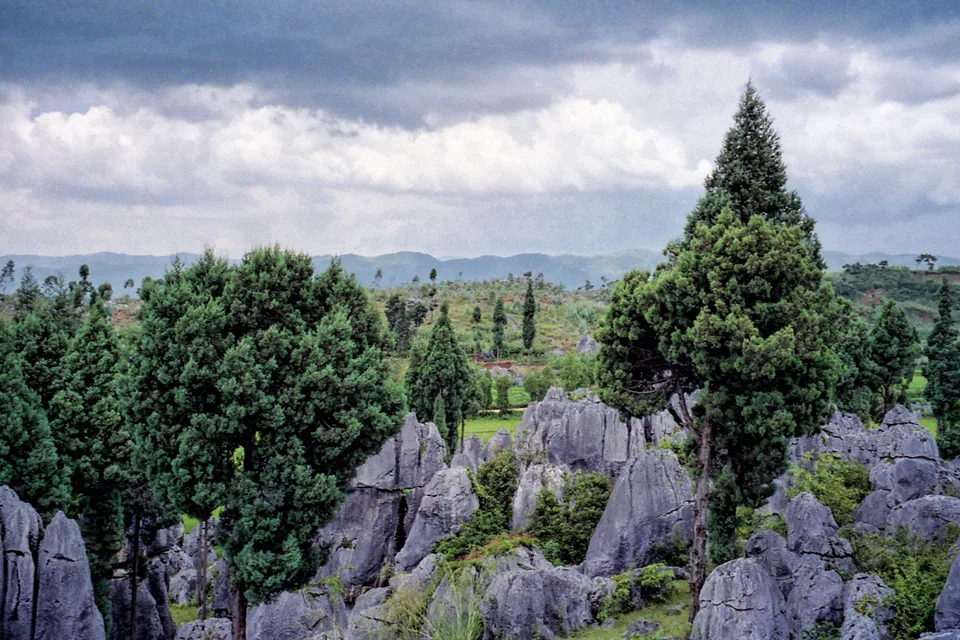
Three gateways into Yunnan: Kunming for flights and westbound trains, Lijiang for Dali, Jinghong for Xishuangbanna. Rail times and transfers.
Destination: Yunnan
Yunnan has three practical gateways:Kunming Changshui has the most flights and trains heading west; Lijiang Sanyi sits closest to the old town and suits a Dali-Lijiang trip; Xishuangbanna Gasa lands you in Jinghong and saves a long transfer. Arriving from Taiwan, Hong Kong or overseas, most travellers start in Kunming and push west by train; only a Xishuangbanna leg adds a second flight.
This guide covers arrival and onward movement. For how many days and which cities to pick, we link a separate route-choice piece at the end.
The short answer
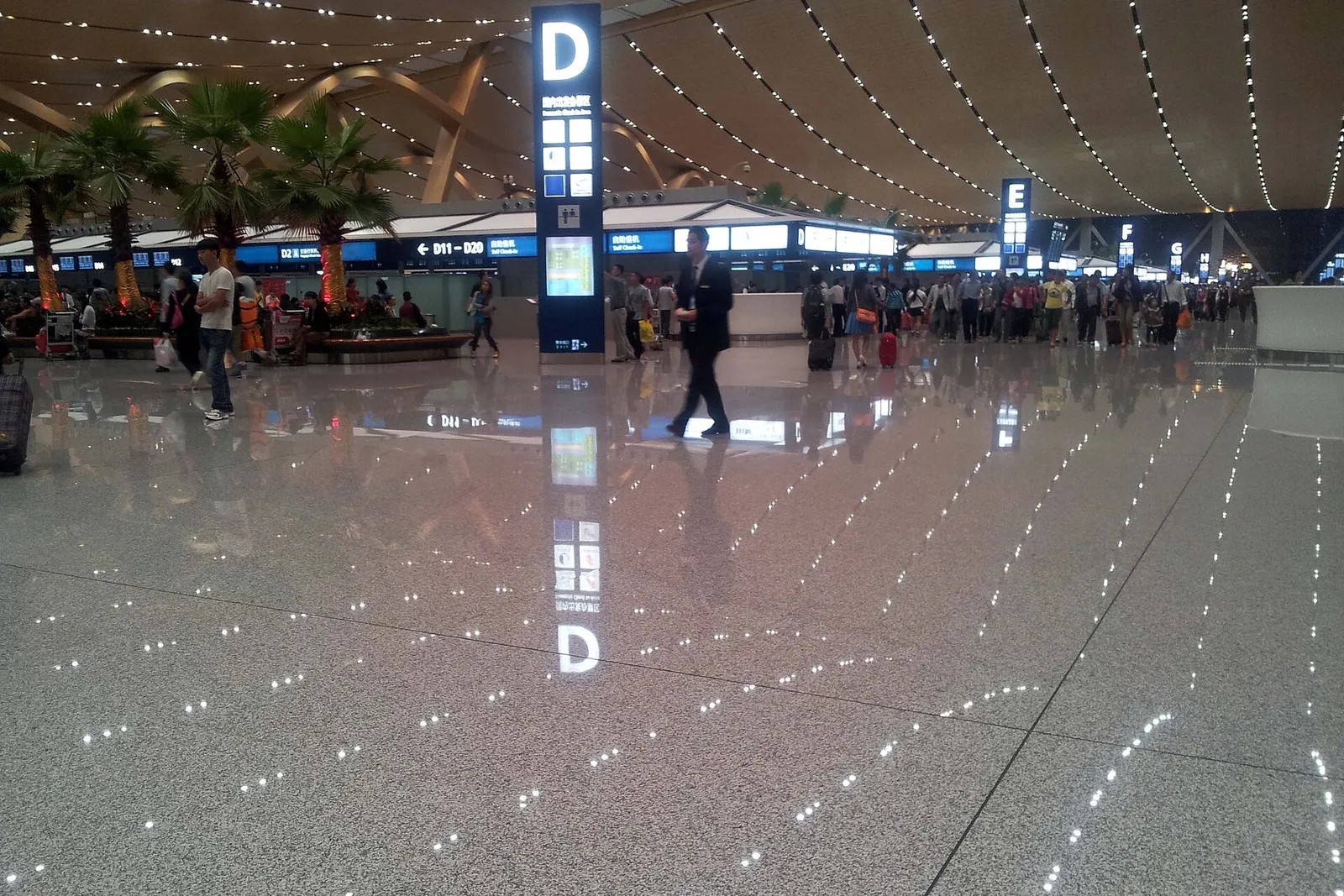
For most travellers the answer is to fly into Kunming. Changshui is the province's hub with the widest domestic and international network; the city is about 25 km away, reachable by metro or airport bus, and next morning you take a train west from Kunming Station or Kunming South.
If you are only doing Dali and Lijiang, fly straight into Lijiang Sanyi. Sanyi is roughly 25 km from the old town, so you reach your hotel within half an hour to an hour and skip the Kunming-Dali train leg.
If Xishuangbanna is the whole trip, fly into Jinghong Gasa. The airport is only a few kilometres from the city, the quickest landing-to-hotel in Yunnan.
From Taiwan and Hong Kong flights usually go direct to Kunming, with seasonal service to Lijiang;From Europe and North America most routes connect through Chengdu, Guangzhou, Hong Kong or Shanghai before Kunming.
Choosing between the three gateways
| Gateway | Best for | Distance to city or old town | What you gain |
| Kunming Changshui (KMG) | A first Yunnan trip crossing two or three cities | About 25 km, metro line 6 or airport bus | Most flights and the easiest rail link west; the cost is an extra night or a same-day dash to the station |
| Lijiang Sanyi (LJG) | Dali, Lijiang and Shangri-La only | About 25-30 km, airport bus takes roughly an hour | Skips the Kunming-Dali leg; fewer routes and higher peak-season fares |
| Xishuangbanna Gasa (JHG) | Xishuangbanna as the only destination | About 5 km, ten minutes into town | You land in the city; the cost is another flight to reach Dali or Lijiang |
| Dali Huangcaoba (DLU) | Already in Dali, or avoiding one more transfer | About 25-30 km | Few routes concentrated on a handful of cities, so most travellers never use it |
Dali airport is not unusable; its route network simply keeps it out of the main entry slots.If your city has no direct flight to Dali, don't connect twice just to avoid one train ride; putting that time into a Kunming rail connection works out better.
Getting around Yunnan: trains are the spine, flights fill the ends
Provincial transport comes down to one sentence:use trains along Kunming-Dali-Lijiang, and flights or long-distance buses at the Xishuangbanna and Shangri-La ends.
The rail section is the easiest part of any Yunnan trip: Kunming to Dali takes about two hours, Dali to Lijiang about one and a half to two, and Kunming straight to Lijiang around three and a half. Departures are frequent, with second and first class seats; times and fares follow the railway operator's latest listing.
Xishuangbanna has trains too since the China-Laos railway opened: Kunming to Jinghong takes about three and a half to four hours, and the station sits close to the city centre. This is the part many travellers miss -you do not have to fly to Xishuangbanna。
For Shangri-La, the railway now reaches the Diqing side, and you can continue north from Lijiang by train or private car. Altitude climbs from about 2,400 m to 3,300 m, which is gentle, but a night in Lijiang first still helps.
There is no direct railway between Lijiang and Xishuangbanna, so you either take a one-hour flight or route back through Kunming and lose most of a day. When planning Lijiang plus Xishuangbanna, budget this leg separately instead of judging by straight-line distance.
Private cars and self-driving solve a different set of problems: days that pack in scattered sights (the Erhai loop, the area around Jade Dragon Snow Mountain), travelling with children or older relatives who tire of transfers, or routes with no usable public transport. The trade-off is a day rate, an itinerary agreed in advance and waiting time; mountain roads and the rainy season both add hours.Trains between cities, a private car on the day with scattered sights is the combination most travellers end up with.
After landing: connecting the last mile
The last mile is the most underrated part of the trip, because it decides whether arrival day is calm or chaotic.
Kunming Changshui to the city: metro line 6 runs toward the eastern bus station with connections into town, airport buses cover several routes, and a taxi takes about 40 minutes to an hour depending on traffic. If you take a train next morning, stay near Kunming Station or along the metro rather than out by Dianchi Lake.
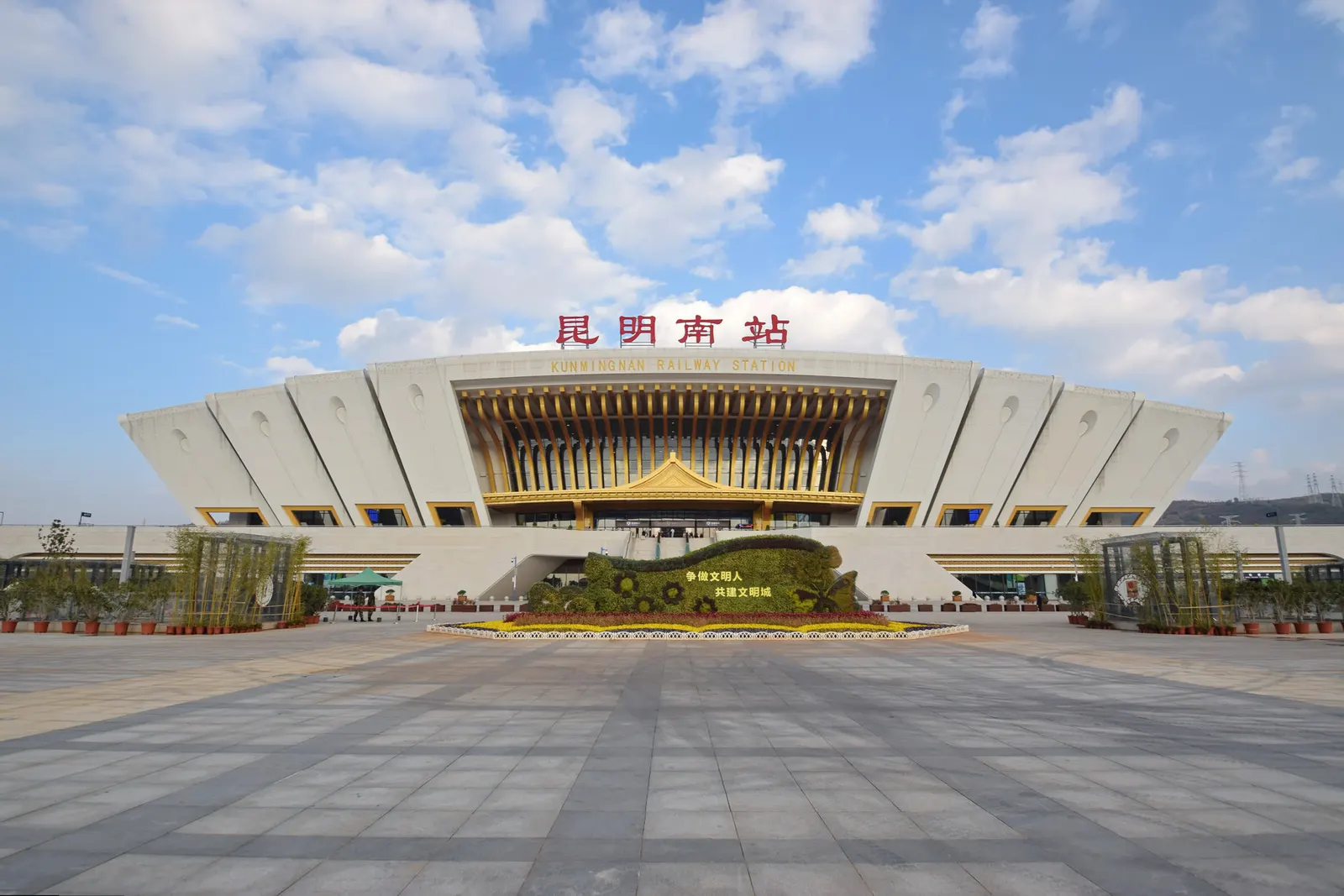
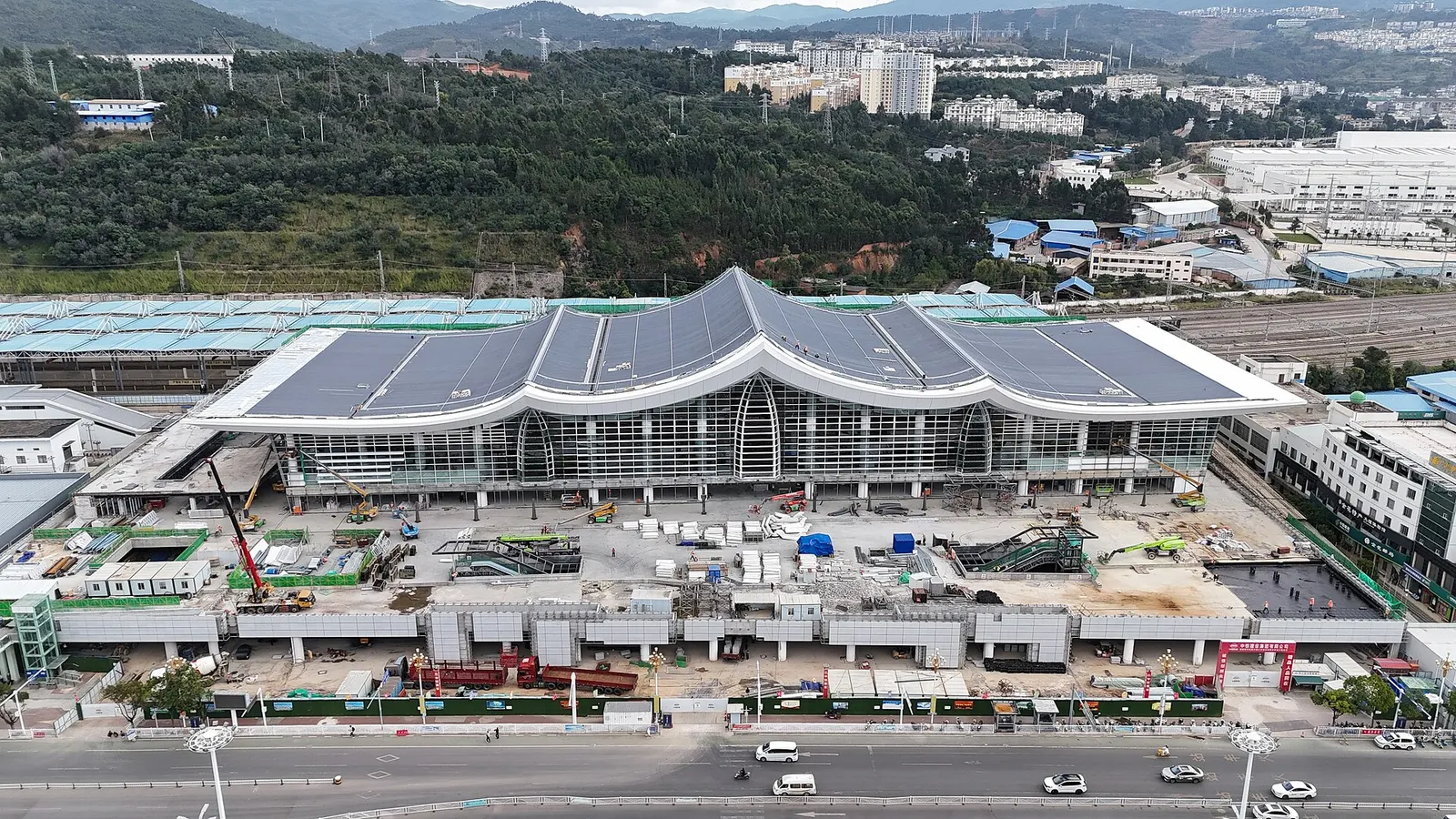
Kunming Station and Kunming South are not the same place: the first is central, the second is in Chenggong, more than 20 km apart. Check the departure station on your ticket; going to the wrong one usually means missing the train.
Dali Station to the old town: the station is in Xiaguan, 13-15 km from the old town, about half an hour by taxi. Many people assume the old town starts outside the exit; it does not.
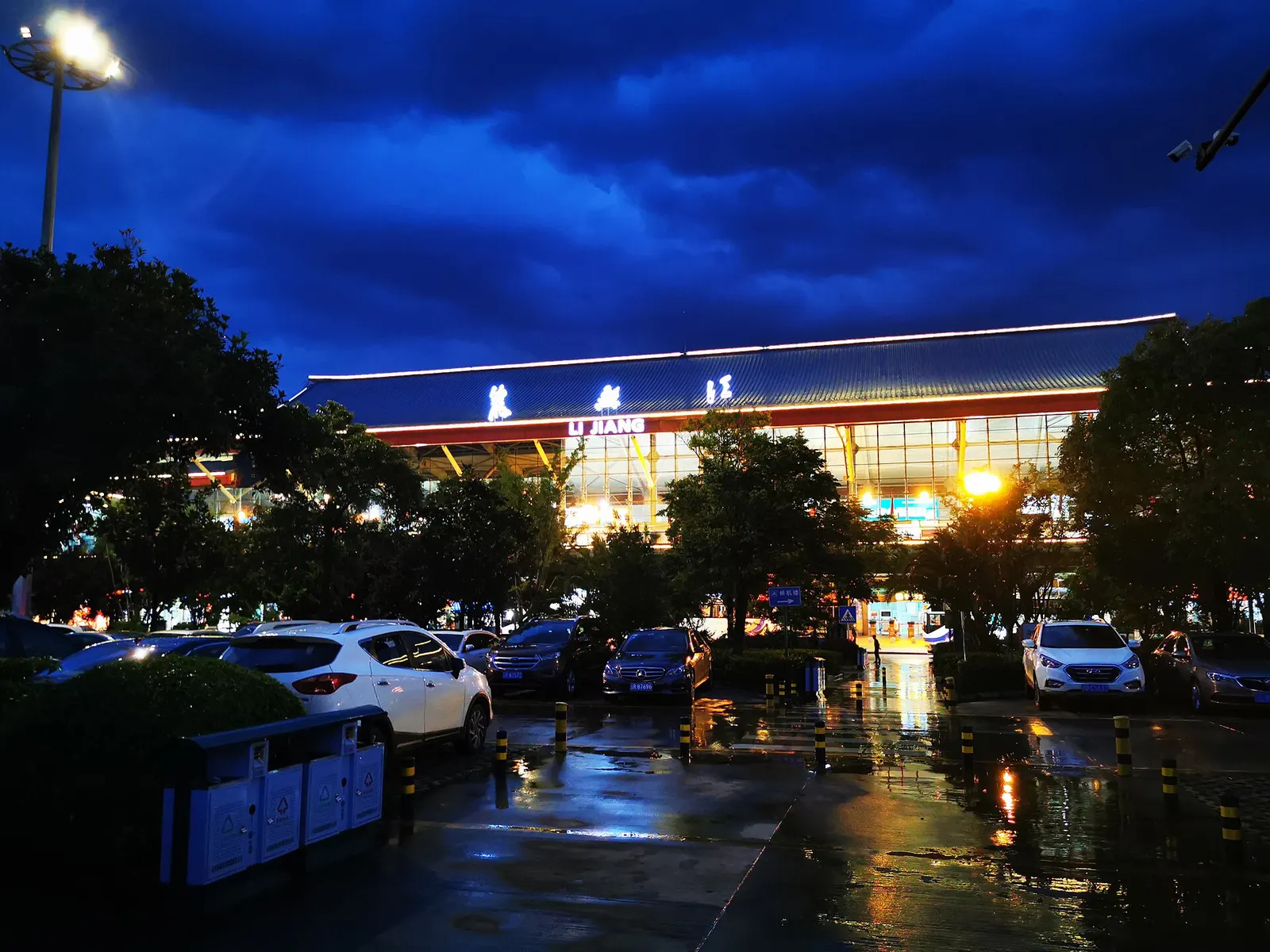
Lijiang Station and Sanyi Airport to the old town: the station is about 10 km out, the airport 25-30 km. The airport bus drops you in town with a transfer still to go; with big luggage a taxi or a hotel pickup is simpler.
Xishuangbanna Station and Gasa Airport: both sit close to Jinghong, so you reach your hotel within minutes of landing or arriving. This is where Xishuangbanna is easier than Dali or Lijiang.
Three things not to schedule on arrival day
First, don't put a snow mountain on arrival day. Jade Dragon Snow Mountain runs from Lijiang and eats half a day with the cable car queue, climbing from 2,400 m to over 4,500 m; going up before your body adjusts is a reliable way to feel awful.
Second, don't land and catch a train the same day. One delay and the ticket is gone; a night in Kunming and a morning train is the safer pattern.
Third, don't trust a two-hour estimate on a map for a private car. Yunnan's mountain roads curve, speed limits are low, and rain or fog routinely adds thirty percent.
When to come, and how early to book
Mid-November to March is the dry season in Kunming and Dali: strong sun, little rain, warm days and cool nights. It is also the most comfortable stretch in Xishuangbanna.Mid-April brings the Water Splashing Festival in Xishuangbanna, when hotels and flights across town tighten and both prices and crowds peak.
June to August is the rainy season, with frequent afternoon showers and occasional landslides on mountain roads, so leave slack in the plan; the payoff is the greenest landscape and fewer visitors than at National Day.
Late September to early October is the National Day holiday, when train seats and popular hotels sell out a month ahead.Spring FestivalSpring Festival works the same way, and guesthouse prices in Dali and Lijiang rise the most.
One booking rule of thumb:book train tickets the moment the presale window opens, and book international flights before domestic ones. International legs are expensive to change while domestic ones have more options; doing it the other way round leaves you stuck.
Pre-trip checklist
- Documents: foreign passports follow current entry rules, and visa or visa-free policies do change, so check official announcements before departure; Taiwan and Hong Kong travellers apply under their own document rules.
- Payment: WeChat Pay and Alipay accept foreign cards, though a few stalls at scenic sites and small towns still take cash only, so carry a little.
- Connectivity: sort out a local SIM or roaming before you fly; mountain areas have signal gaps, so download offline maps.
- Clothing: the day-to-night swing can reach ten degrees or more; pack sun protection (hat, sunglasses, high-factor sunscreen) and a warm layer.
- Altitude: Kunming is about 1,900 m, Dali 2,000 m, Lijiang 2,400 m and Shangri-La 3,300 m; order the route from low to high instead of jumping two levels in a day.
- Luggage: train luggage racks are limited and big cases are awkward on platforms; store them at your hotel when you can.
Frequently Asked Questions
Is it worth flying between Kunming and Dali? No. The train takes two hours, and airport transfers plus waiting time usually take longer.
What if the train is sold out? Check neighbouring departures first; Kunming to Dali runs frequently. If nothing works, consider a private car or move the trip to the next day. Never gamble on buying at the station during Spring Festival or National Day.
With older relatives and children, train or private car? Trains are easier between cities, and a car helps on days with scattered sights. A car for the whole trip suits people who want Erhai, the snow mountain and old towns in one go, but keep daily driving under three hours.
With heavy luggage, where should I stay the first night? In Kunming, stay near Kunming Station or the metro for an easy departure; in Lijiang, stay on the edge of the old town where cars can reach the door, not deep inside.
Does the rainy season affect trains? Less than roads, but extreme weather can still bring speed limits or cancellations. Check railway and weather notices the day before and keep half a day of slack.
Related routes and further reading
- Kunming, Dali, Lijiang and Xishuangbanna 8-day tour: four places on one route
- How to plan 8 days in Yunnan: the travel-time maths
- Yunnan in winter: which areas stay warm and how many days you need
- Yunnan destination page: more routes and guides
Last updated: 2026-10-26