
From the panda base in Chengdu to the rainforest of Xishuangbanna, from Guilin's rivers to Hainan's beaches: routes chosen for what families can actually do together, so children learn on the road and the family comes home with something worth remembering.
The worst part of travelling with children and grandparents? Being tired, being rushed, eating and sleeping badly. Choose the right place and slow the pace down, and a family trip can be the best memory you have. This guide covers destinations and rhythm in one go.
Choosing the destination: the golden rule
With children and grandparents along, the destination decides most of the outcome. Remember four words: easy and walkable。
Recommended destinations:
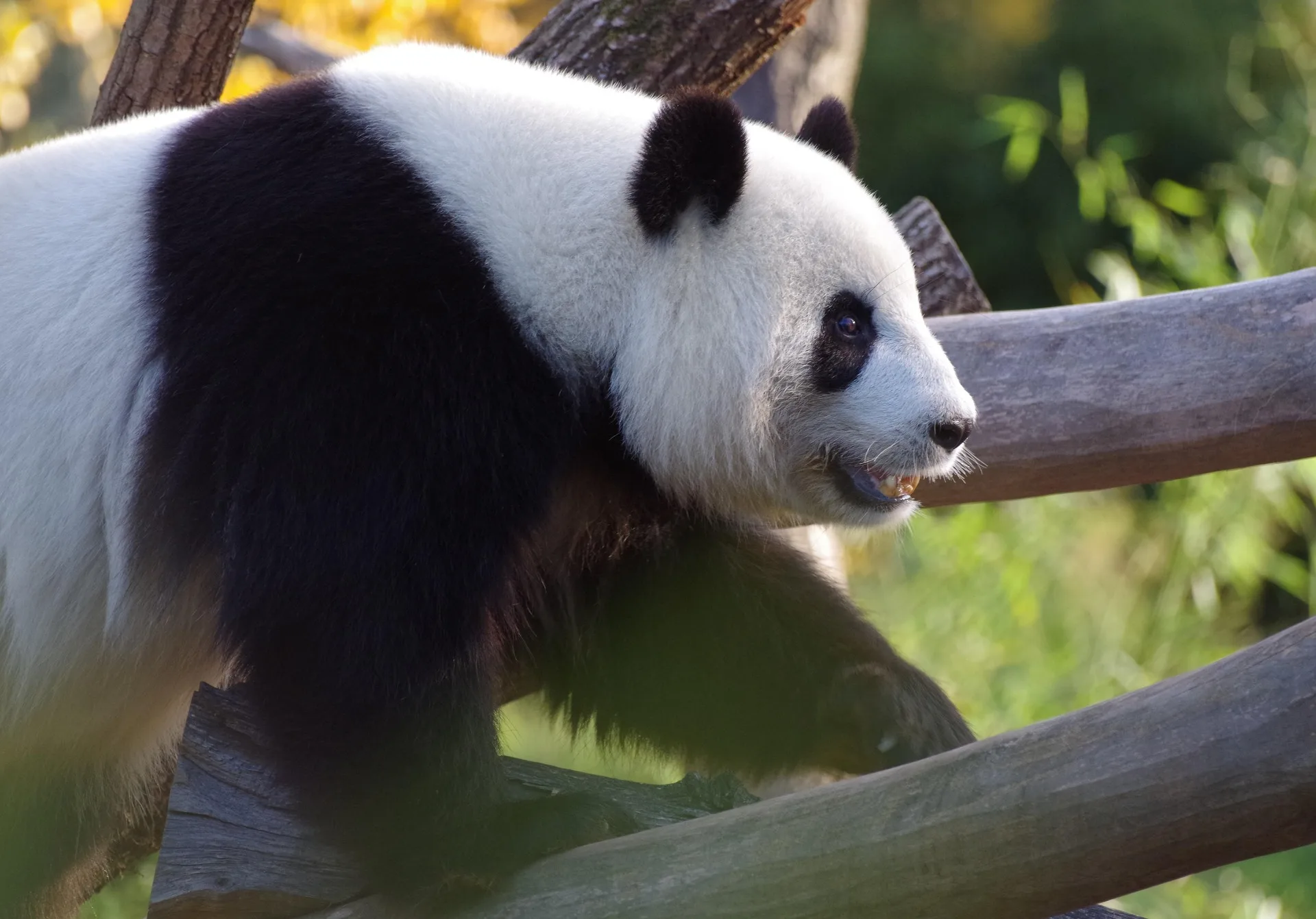
- Chengdu: the panda base is the eternal family favourite — a panda chewing bamboo can hold a child's attention for an hour; the city centre is compact, the food is good and the pace is slow.
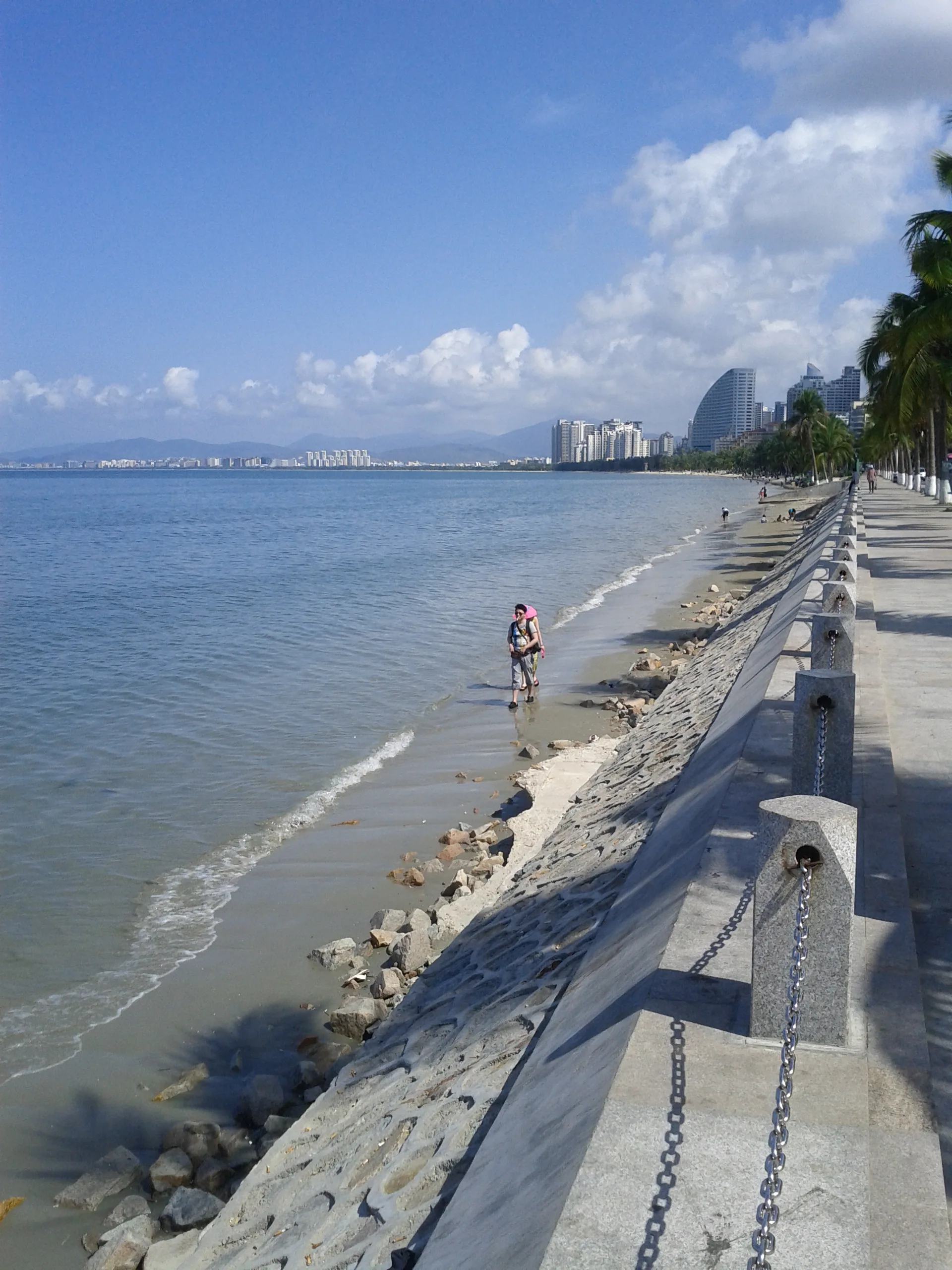
- Sanya: the ceiling for beach holidays with kids. Sand, waves, dolphins; grandparents and children are equally happy. Winter here also means escaping the cold.
- Beijing: the classic study-plus-family choice. Forbidden City, Great Wall, science museum — history and knowledge side by side, with easy transport and plenty of hotels.
- Guilin and Yangshuo: landscape like a painting. Bamboo rafts, caves, the Impression Sanjie Liu show — plenty to do, not too tiring.
Rhythm: one big thing a day
The golden rule of family travel is slow: no more than one or two big items a day, with rest and slack built in between.
Take four days in Sanya:
- Day one: arrive and check in, hotel pool and beach, ease into it.
- Day two: Nanshan cultural area in the morning, back to the hotel for a nap, the sea at dusk.
- Day three: Wuzhizhou Island or Yalong Bay in the morning, free time in the afternoon.
- Day four: sleep in, duty-free shop or seafood market, fly home.
Keep every drive under about two hours — neither grandparents nor children take long bumpy rides well. Always keep the midday rest: the afternoon becomes a completely different day if you do.
Practical list: making it easier
Pre-departure preparation:
- Medicines: cold, stomach, motion sickness, fever and plasters — plus a copy of the prescriptions for any regular medication.
- Documents: ID cards, the child's household register or birth certificate; check reimbursement rules for grandparents in advance.
- Clothing: dress in layers, so you can add or shed as the temperature swings.
- Comfort items for the child: picture books, a small toy, snacks. They earn their weight on the road.
Food and beds:
- Choose hotels with breakfast, a lift and a comfortable mattress, close to the sights or a metro station.
- Skip the places with long queues; old restaurants and local cooking are safer bets. Children often want plain food, so carry instant porridge and fruit.
Safety:
- In crowds, give the child a wristband with your phone number and agree on a meeting point.
- Sun protection and water for both the old and the young, especially at the beach and in the mountains.
- Watch the grandparents as you go: when they are tired, stop. The itinerary can always lose a sight — the point of the trip is not to tick boxes.

Balancing the very old and the very young
The real difficulty of family travel is not choosing sights but putting two paces in one car: children want to run and shout, grandparents walk slowly and need to sit. The fix is to split up and meet at fixed points.
In Chengdu, for example, everyone goes to the panda base in the morning but not necessarily together: the child walks the main loop with the parents while the grandparents take the park shuttle to an agreed spot, and both sides meet at the tea house by the exit. Sanya works the same way — the young ones swim, the grandparents watch from under the umbrella, and everyone eats lunch together. An hour or two apart means nobody has to keep up with anybody, and far less of the hurry-up, slow-down friction.
A few small things that work in practice:
- Give half the decisions to the grandparents. Keep one place a day that they chose themselves, even if it is only a market or a park; their sense of involvement changes completely.
- Separate must from optional in advance. One must per day, everything else marked skip if tired, so cancelling costs nobody anything.
- Give the child a job. Photograph ten of today's best colours, or find three plants you have never seen — that burns energy far better than telling them to stop running.
- The midday rest is not negotiable. That hour back at the hotel is the emotional floor of the day. Lose a sight before you lose it.
The sheet you write before leaving
The most useful preparation for travelling with children and grandparents is not research but a single sheet of paper. Four columns: where you sleep each night, what you eat, how far you walk, who to call if something goes wrong. Stick it on the fridge and read it together before you go.
The column that matters most is how much walking. People underestimate the size of Chinese sights: an old town can be forty minutes from the car park to the inner courtyard, and a full loop of a zoo is often ten thousand steps. Estimate the daily distance, and the grandparents know what they are agreeing to while the child learns when to save some energy.
Leave a column for the nearest hospital. Not to be gloomy, but to stay calm: in a strange city, knowing which direction to go for a fever, a twisted ankle or an allergic reaction saves you fumbling with a phone at the roadside.
The sheet does not need to be neat. Handwritten ones get read more carefully.
Keeping everyone happy
- Let everyone choose something: hold a short family meeting before you leave. The grandparents pick a place, the child picks something to play, you pick somewhere to photograph, and all three go into the plan.
- Keep the memories in photos: take plenty of pictures of each other, then make a family album when you get home. It outlasts any souvenir.
- Spend a little more: on a family trip, good beds and good meals matter more than saving money. One comfortable hotel night buys a whole day of good temper.
Travelling with family is mostly about being together. Slow down, let your parents rest, let the children run — you will find the best view is the four of them smiling.