Riding China's high-speed rail for the first time? This guide walks you through buying a ticket on 12306 with your passport, passing security and the boarding gates, and the rules on transfers and baggage - so nothing catches you out at the station.
This guide answers one question: when you take China's high-speed rail for the first time, from buying your ticket to stepping off the train, what are the steps and where do people usually get stuck? It is for first-time visitors used to flying or to trains back home, who have no idea how China's ticket-and-gate system works and want a step-by-step routine they can follow without tripping up.
Four conclusions first. First, the main booking channels are the official railway app "Railway 12306" and its website; overseas travellers can register and buy tickets with a passport, and the key point is that "booking, collecting and boarding must all use the same passport". Second, the station sequence is "security check → scan the ticket-holding document at the gate into the waiting hall → check the big screen for your boarding gate → pass the ticket gate with the same document to board", and every step reads the document you booked with, not a paper ticket. Third, for transfers, same-station changes usually need no exit — follow the "convenient transfer" signs — while cross-station transfers need more time allowed. Fourth, rules on luggage, children's tickets and ticket changes/refunds follow 12306's official policy; this article does not replace official guidance. All of the above is changeable information, compiled in September 2026 for the 2026–2027 winter/Spring Festival window — everything is subject to the latest official announcements. Treat this guide as your "last read before boarding": from buying the ticket to getting on the train, where each step tends to trip you up and what to watch for are explained in order below — follow it and you'll save yourself a lot of detours.
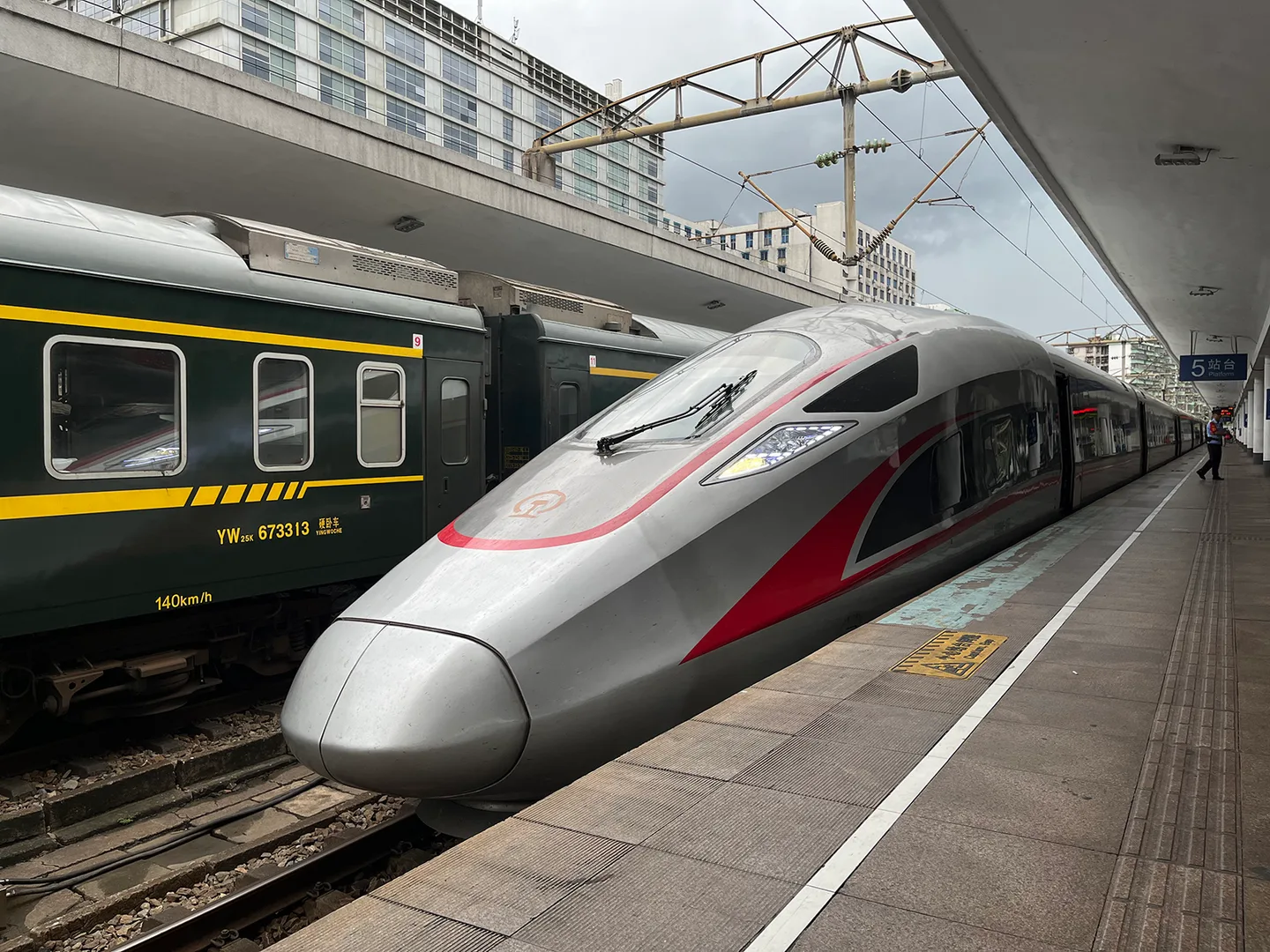
How do I buy tickets on 12306 with a passport?
For high-speed rail in China, the most reliable option is the official railway channel 12306. Overseas visitors can register and complete real-name verification with a passport; when buying, select document type 'passport' and enter the number exactly as printed. After your order is placed there is no need to collect a paper ticket straight away - with the passport you bought with, you can get a reimbursement voucher at a self-service machine or a staffed window, and you can also scan your document to enter the station (depending on each station's equipment).
A few points where people commonly slip up. First, the document used to buy and the document used to board must be the same passport - if you bring the wrong one or leave it behind on departure day, the gate cannot read it and you will have problems. Second, train numbers, departure and arrival stations are written in Chinese plus digits, so for a first ride save a screenshot of 'train number + departure station + arrival station + date' on your phone and match it against the station screens to find your waiting area. Third, the rules for changes and refunds (how many times, fees, time windows) follow 12306; during busy periods a change is not guaranteed to find seats, so leave buffer in your plan.
Arriving at the station and boarding: how do security and the gates work?
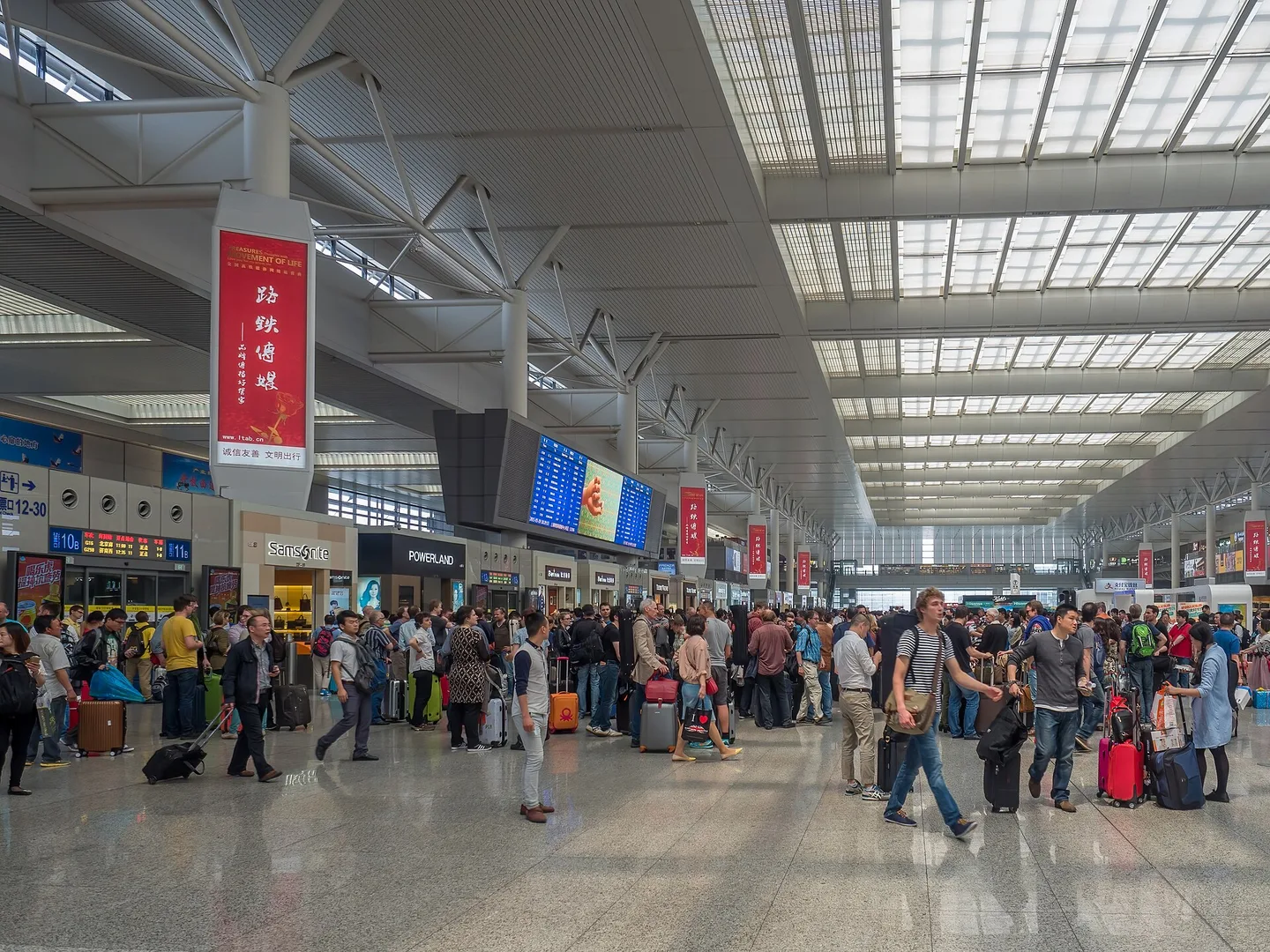
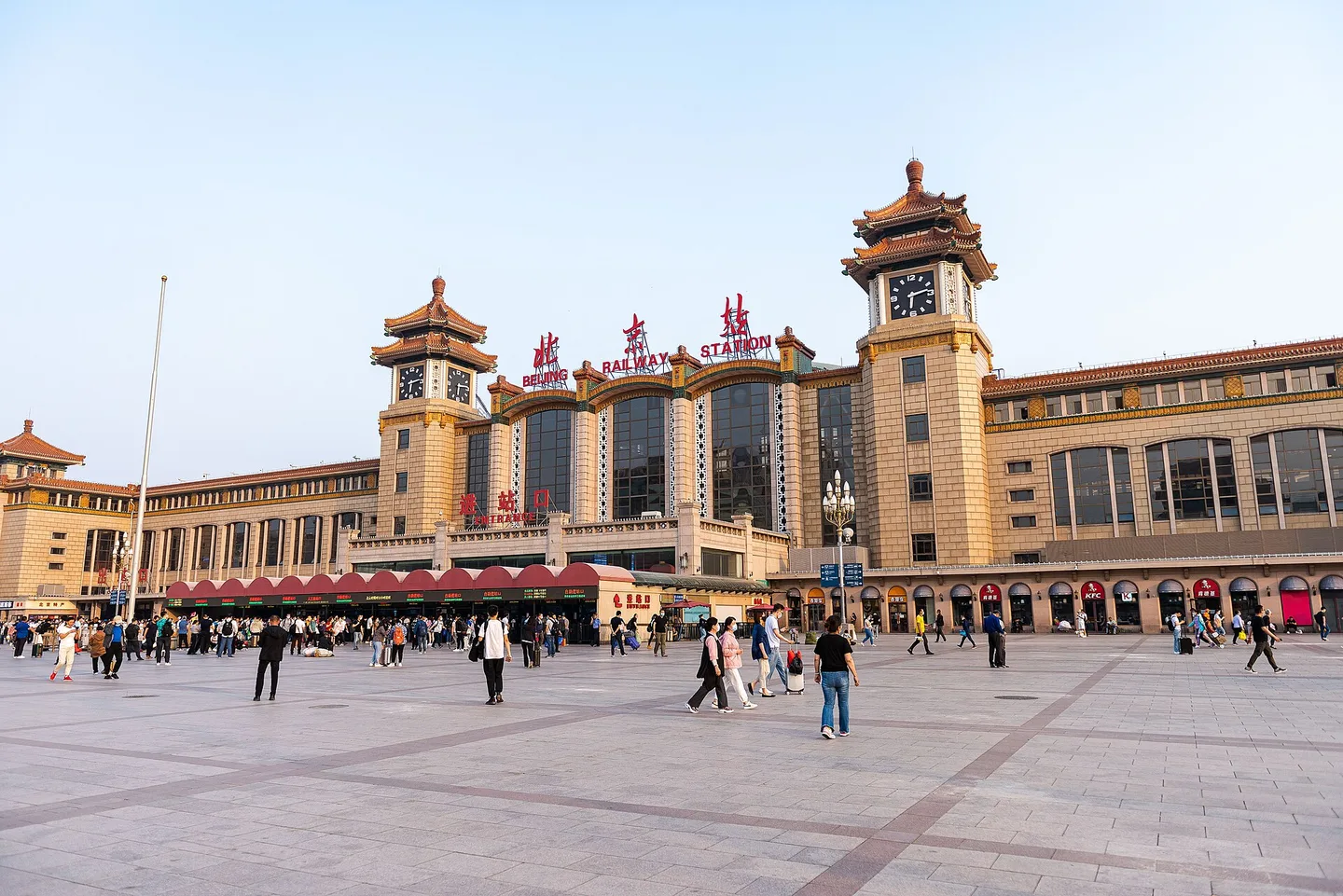
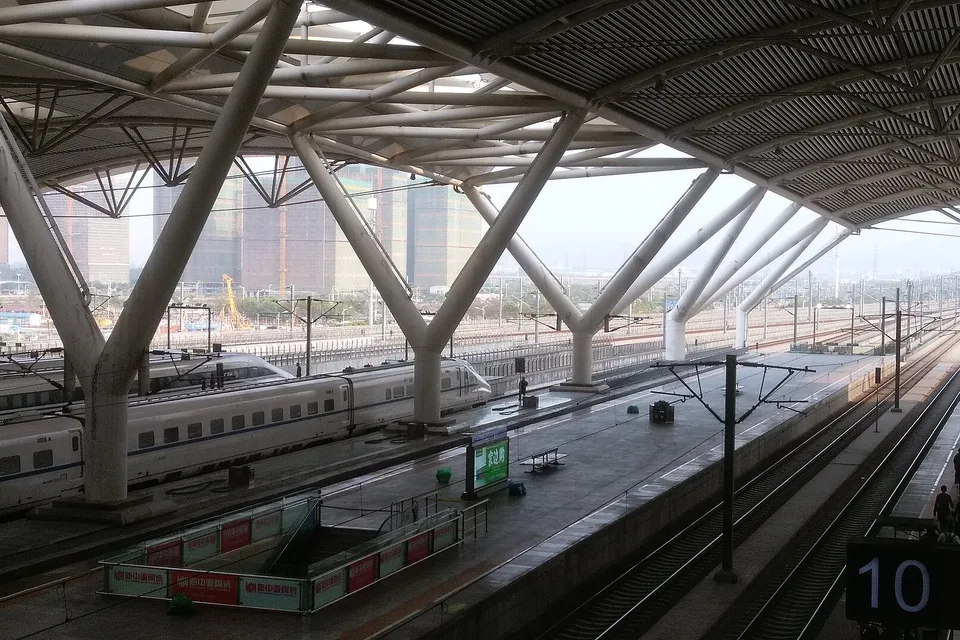
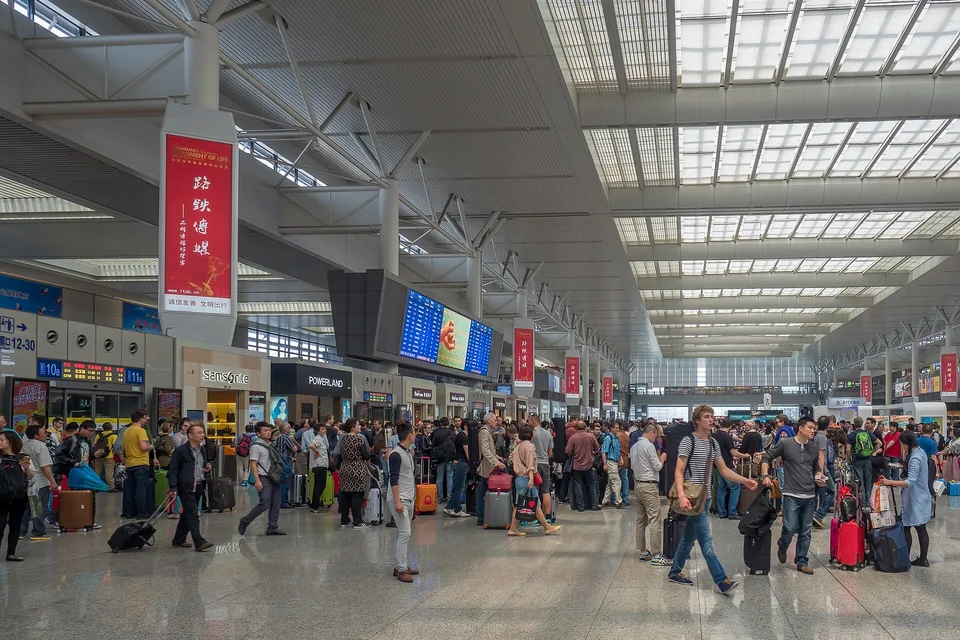
Once you arrive, the flow is roughly: first the security check (bags through the scanner and a personal check), then scan your passport at the entrance gate to enter the waiting hall; the hall's screens show the 'boarding gate' for each train, so make sure you do not confuse 'waiting area' with 'boarding gate'. When boarding begins, scan the same passport at the gate; the gate opens and you head to the train, and staff may verify your document and ticket again at the carriage door.
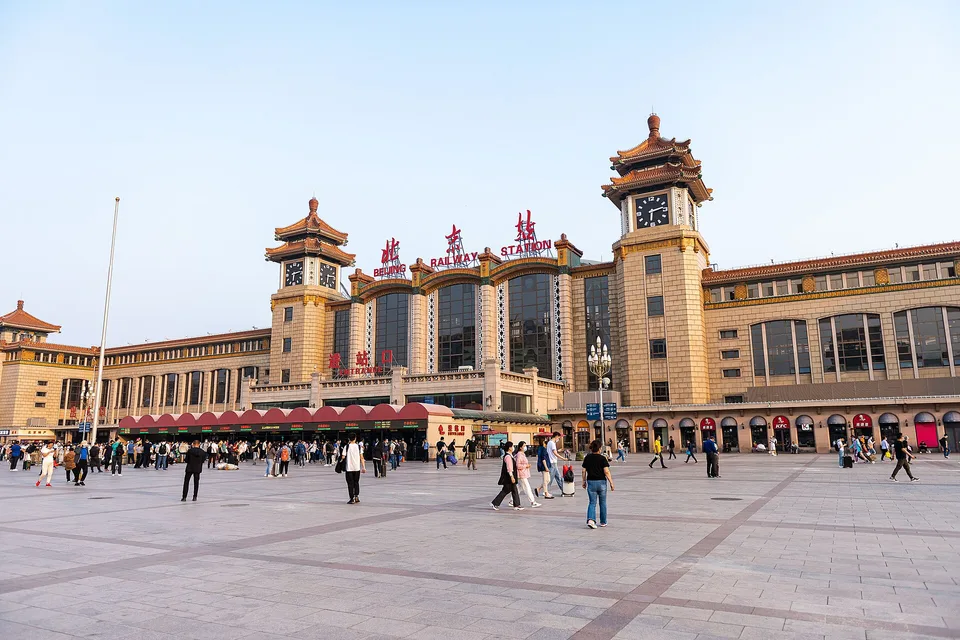
Practical reminders: security has rules about liquids, power banks, knives and the like, subject to on-site enforcement at each station; during holidays and peak periods queues at security and boarding grow much longer, so arriving at least 30-45 minutes early is safer. Station screens and announcements are mostly in Chinese, but key train information also carries English; if you cannot read it, ask a uniformed staff member or the service desk.
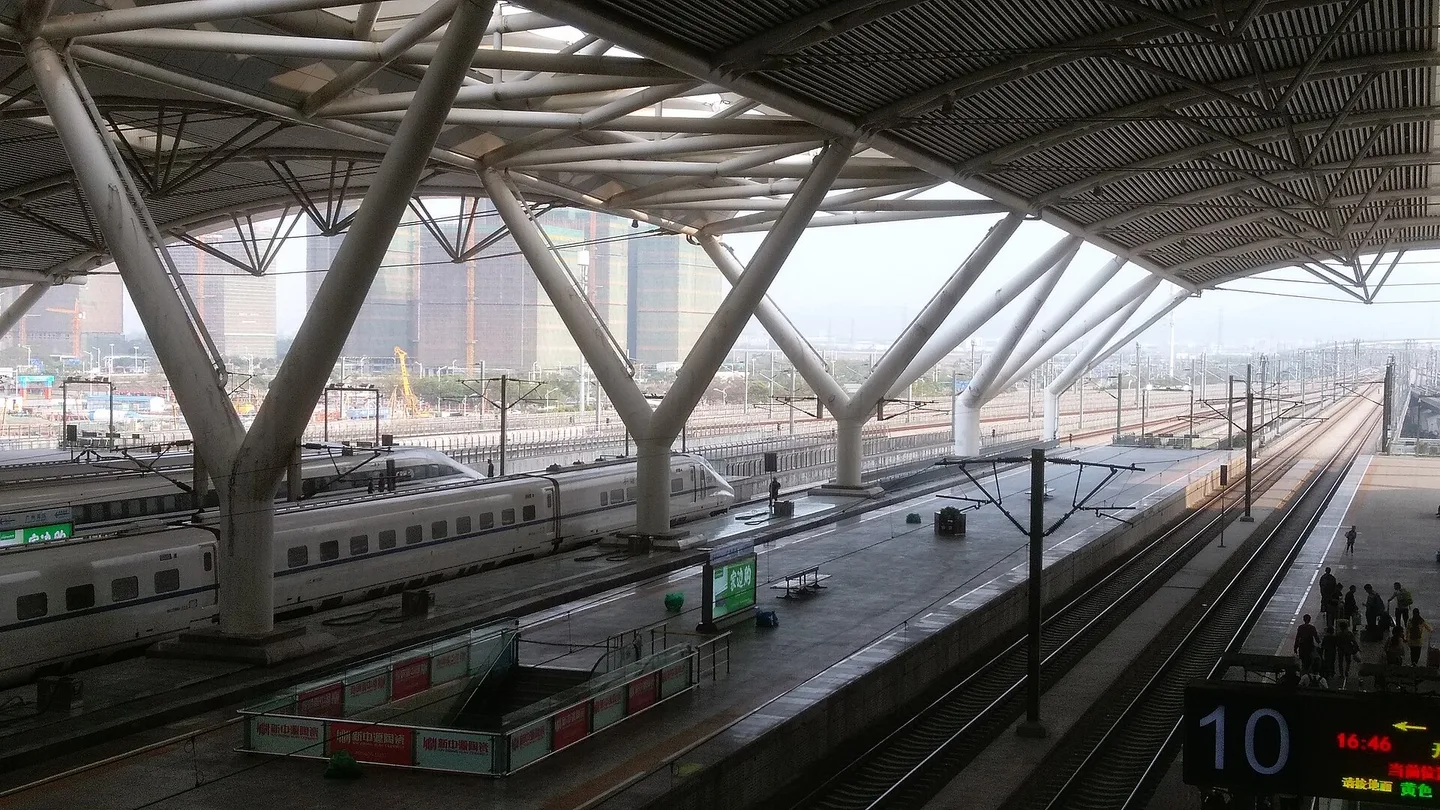
Once on the train, how do I find my seat, and do I need to leave the station to transfer?
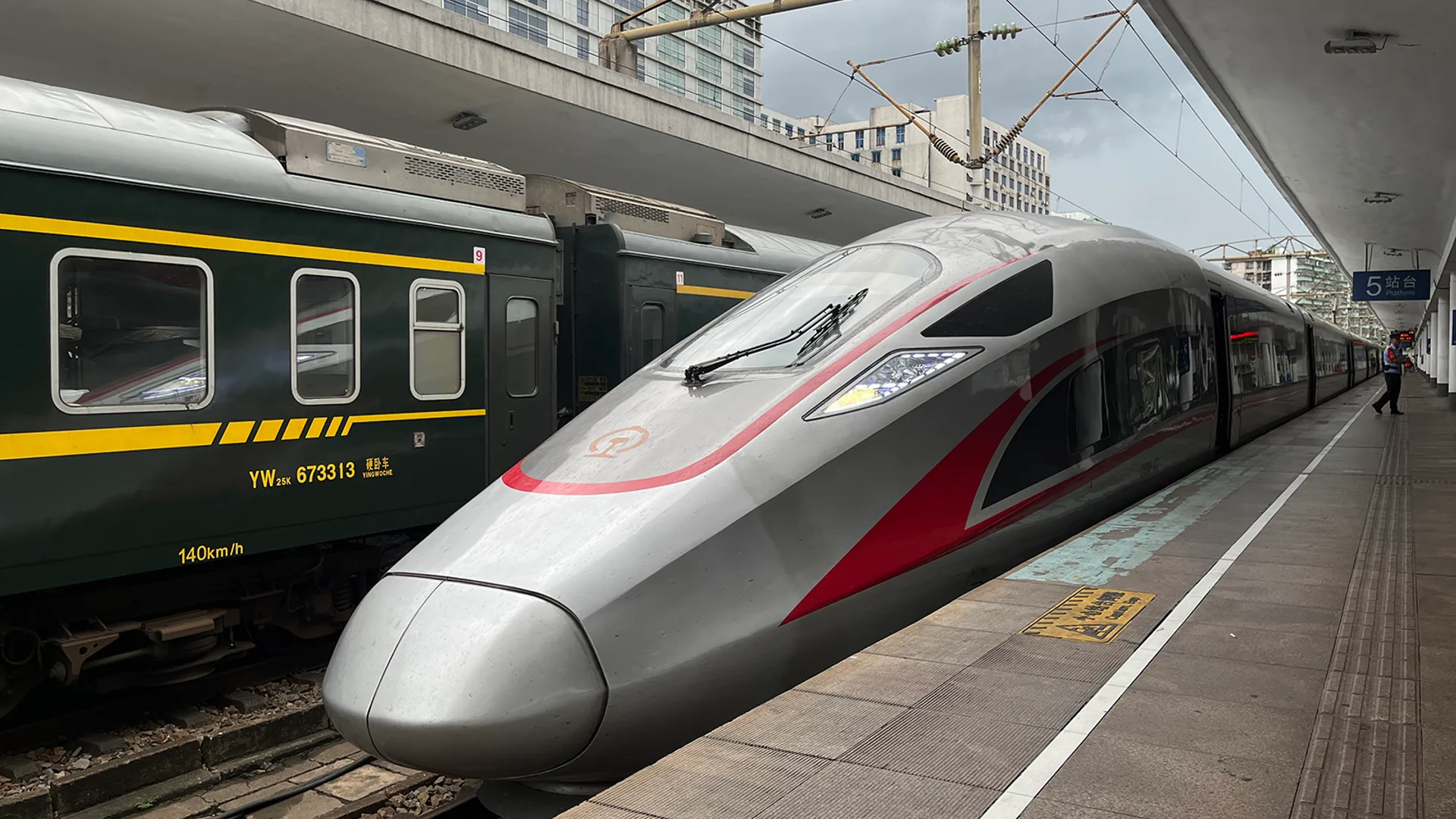
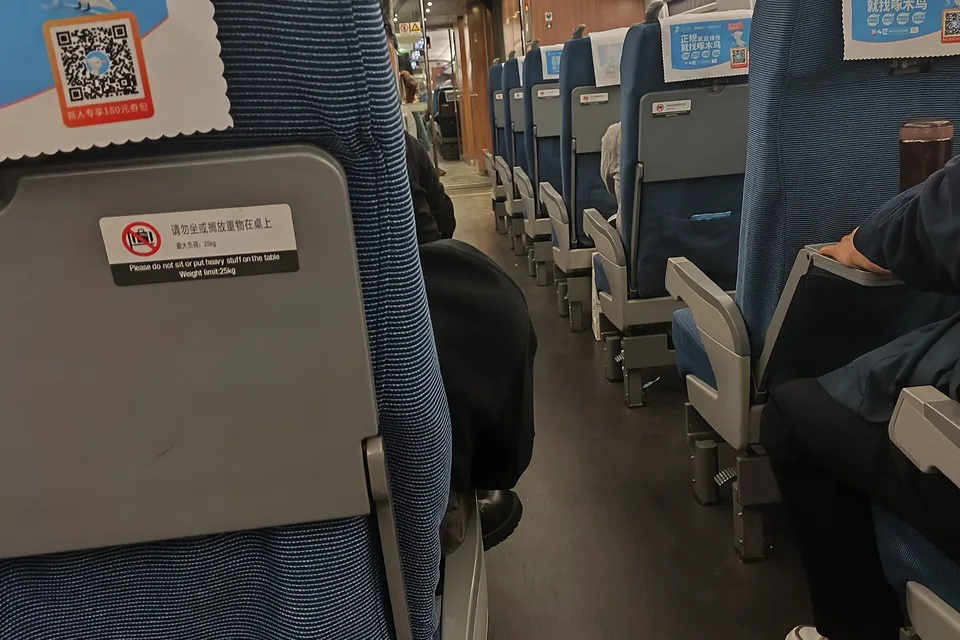
After boarding, sit in your assigned seat - the ticket shows 'carriage + seat', for example Car 08, Seat 12F. High-speed carriages are clean, air-conditioned and fitted with power sockets; long-distance trains have a dining car or trolley service depending on the service. Stops are short, so listen for the announcements before your station and do not ride past it.
Same-station transfers: most major stations offer 'through transfers without leaving the station' - follow the 'Transfer' signs and scan your document again into the next train's waiting area, saving an exit and re-entry. Cross-station transfers (when the arrival and departure stations are different) mean exiting, travelling across the city and re-entering, so allow at least 1.5-2 hours; during winter-break and Spring Festival peaks, allow even more.
What are the rules for luggage and children's tickets?
On baggage, high-speed rail sets limits on the weight and size of items you carry on, per official railway rules; put large bags in the luggage racks or large-item areas at the ends of the carriage and do not block the aisle. Child-ticket rules (the height/age standard for free, half-fare or full-fare travel) follow the latest 12306 announcements, so check them in advance if travelling with minors and enter the correct document details when buying.
English interface: 12306 has an English version, but some steps and prompts are still mainly in Chinese, so run through the key operations (registration, seat selection, payment) at home on a computer or phone before you go. Payment accepts linked bank cards or mobile payments, depending on the channels 12306 supports.
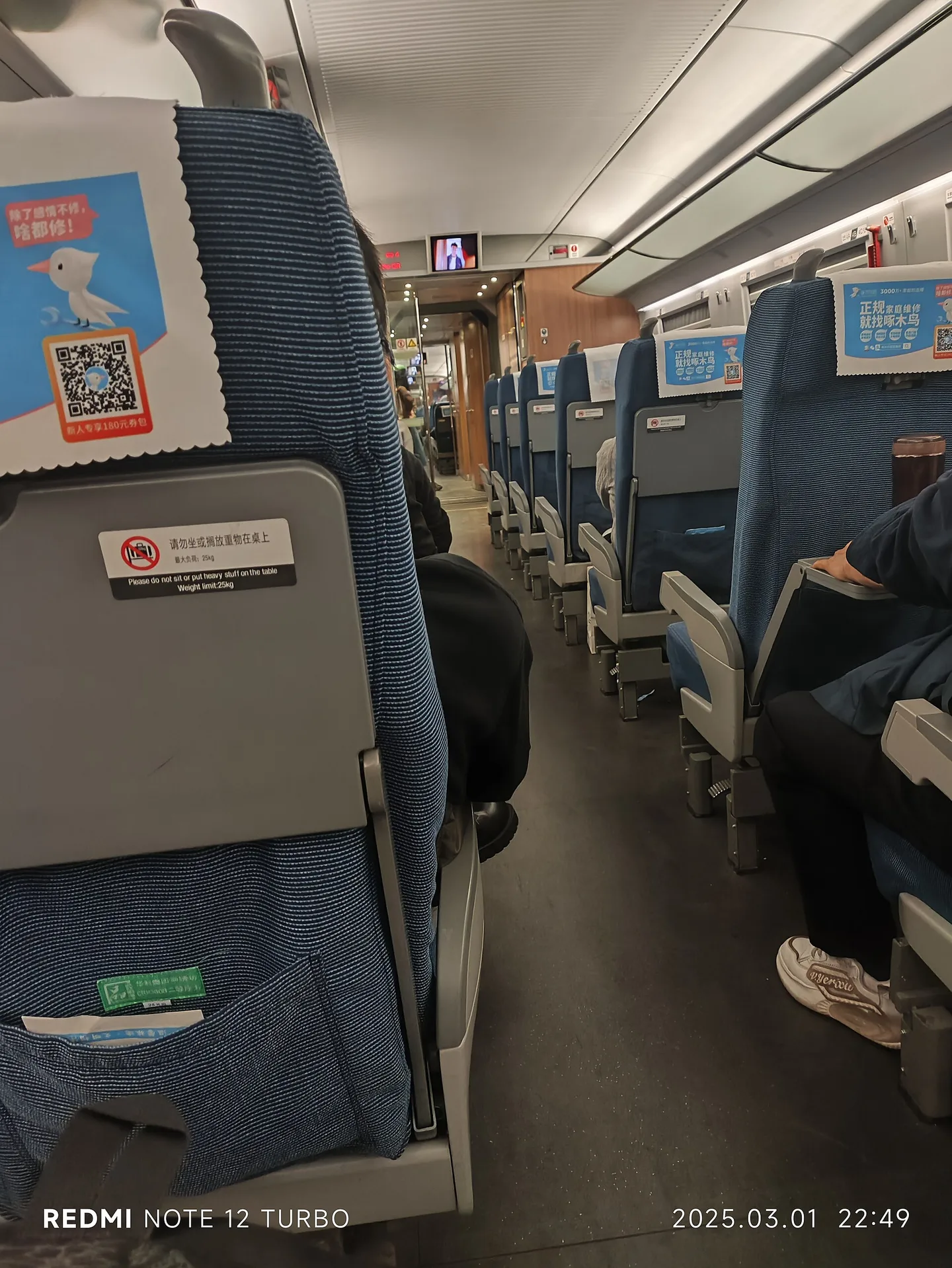
Choosing a Seat Class: Second, First, Business and Sleeper
Chinese high-speed trains come in several classes, and the price gaps are bigger than the comfort gaps. Choosing by journey length is more practical than choosing by budget.
Second class: the most common, five seats across (3+2). Fine for two or three hours, tiring beyond five.
First class: four across (2+2), with noticeably more legroom. Worth the extra on journeys over four hours, or when travelling with older relatives.
Business class: three across or even a private compartment, usually around three times the second-class fare. Unnecessary on short hops; a different calculation overnight.
Sleeper D trains: only make sense overnight on long routes, where they replace a hotel night. By day they are slower than a normal high-speed service.
If second class is sold out, do not count on standing tickets - Chinese high-speed trains generally do not sell them, so you either change trains or change class. With children or large luggage, paying a little more for first class makes boarding calmer.
Rebooking, Refunds and Missed Trains: Timing Decides the Cost
These rules are adjusted every year. This section explains the structure only; fees, limits and time windows follow the official 12306 announcements.
Refunds: the earlier you cancel, the lower the fee; close to departure costs the most, and after departure refunds are generally not possible.
Rebooking: before departure you can move to another service or date with seats available, usually once only, and a rebooked ticket generally cannot then be refunded.
Missed trains: after missing a service you can usually rebook onto a later one the same day if seats remain; moving to another day or route follows the rebooking rules.
Do not gamble in peak season: Spring Festival and National Day trains run full, and whether a change succeeds depends on availability, not on your reasons.
Three practical habits: leave more than forty-five minutes between arriving at the station and departure; when a city has two stations, note the name in your phone (Kunming Station and Kunming South are more than 20 km apart); and if you do miss a train, go to a staffed counter rather than repeatedly scanning at the gate.
What to Know About the Hong Kong West Kowloon Cross-Border Section
Taking high-speed rail from West Kowloon into the mainland differs from domestic journeys in a few ways, and first-timers often get lost inside the station.
Immigration happens inside the station, so allow time: forty-five minutes before departure is a sensible buffer for cross-border trains.
Documents: buy with your Home Return Permit or passport, and use the same one for booking, boarding and immigration, exactly as on domestic legs.
Stricter changes: cross-border tickets carry more restrictions on rebooking and refunds than domestic ones; check 12306 and MTR announcements.
Directions inside: West Kowloon has separate Hong Kong and mainland port areas - follow the signs, because turning back means queueing again.
Routing via Shenzhen North instead adds a transfer; with heavy bags and a tight schedule, a direct cross-border service is easier, but departures are few, so book early.
Frequently Asked Questions
Q: Can I buy tickets on 12306 without a Chinese bank card? A: 12306 supports several payment methods, as shown on its official pages; overseas visitors can also buy tickets at station windows with a passport, with the payment channels and limits set by official rules.
Q: Can I scan my passport to pass the gates directly? A: If you bought with a passport, scan that same passport at the gates to enter and board, subject to each station's equipment; in some cases you may need to use a staffed channel for verification, so allow extra time.
Q: Do I need to leave the station when transferring? A: For same-station transfers, most stations offer through transfers without exiting; cross-station transfers require you to exit and re-enter, so allow more time - and even more during peaks.
Wrapping up
To sum this guide up in one line: buy your ticket on 12306 with your passport, scan that same passport at the gates to enter and board, use the 'through transfer' route for same-station changes, and follow official rules on baggage and child tickets - the one thing to remember when riding China's high-speed rail for the first time is 'keep your documents consistent'. As long as you buy, board and pass the gates with the same passport, almost none of the usual sticking points will occur.
To emphasise: 12306's rules on registration, booking, changes and refunds, luggage and children's tickets are all changeable information. This article was compiled in September 2026 for the 2026–2027 winter/Spring Festival window, so before departure please recheck against 12306's latest official announcements — especially how tight trains are during winter and Spring Festival peaks. If you'd rather leave "which cities to string together by high-speed rail and how to connect them each day" to a specialist, check out the 0765trip China inbound tours landing page or submit your travel needs via our contact page, and an advisor will build an executable daily schedule around that season's trains and your travelling party. The last high-speed rail leg needs no nerves: get your documents right and follow the process, and it will turn out to be the most carefree way of travelling in China — leave your attention for the scenery outside the window.