On most standard routes in Xinjiang, foreign visitors can travel on a passport and a valid Chinese visa (or applicable visa-free arrangements), with no Tibet-style permit needed; border management zones and restricted areas, however, require a separate border pass, and foreign travellers apply through different channels than domestic visitors. This guide covers documents and access, security-check practicalities, halal dining, ethnic-minority etiquette and seasonal climate, so you can judge what needs advance application and what is off limits.
Destination: Xinjiang
For foreign visitors to Xinjiang,there is no Tibet-style permit to obtain and no requirement to travel with a group throughout. This is often misunderstood: with a valid passport and Chinese visa (or under China's current visa-free or transit visa-free policies where applicable), the great majority of Xinjiang's standard travel areas — Urumqi, Turpan, Kashgar, Ili, Altay (Kanas) and so on — can be visited like anywhere else.
But three "exceptions" must be settled in advance:First, border management zones and some restricted areas require a separateborder pass(what the trade usually calls a "frontier permit"), andforeign travellers apply through different channels than domestic visitors, normally through a qualified travel agency rather than by walking into a local police station yourself;Second, there really are areas closed to foreign nationals that cannot be entered whatever paperwork you hold;Third, security checks in Xinjiang are denser than in other Chinese provinces — stations, malls, scenic areas and hotels may all inspect — so build slack into your schedule.
Beyond that, two "soft" factors really shape the experience:food(halal dining dominates, pork is not eaten and most restaurants do not sell alcohol) andEtiquette(the hospitality and photography customs of Uyghur, Kazakh and other ethnic groups). Get these two right and a loop through southern Xinjiang will go far more smoothly.
This guide is for first-time visitors planning Xinjiang on a foreign passport, set out in the order "documents → access → security checks → food → etiquette → seasons". One caveat: Xinjiang's border management, open areas and the scope of border-pass processing aresubject to change, and this guide was verified in September 2026 — please go by the latest guidance from the National Immigration Administration, Xinjiang's local culture, tourism and public security departments, and the travel agency you actually engage.
What documents do foreign visitors need for Xinjiang?
Start by separating three things that are easily confused:
Passport + Chinese visa: this is the precondition for entering China. Citizens of eligible countries may use China's current unilateral visa-free or transit visa-free policies; the countries covered and the permitted length of staygo by the National Immigration Administration's latest announcements。
Border pass (frontier permit): this is not a document for entering Xinjiang, but forentering specific border management zones within Xinjiang. It is usually not needed on standard routes (Urumqi, Turpan, central Kashgar, the regular stretches of the Ili valley, Kanas and so on).
Additional permits for specific areas: some border directions or restricted areas may have separate requirements on top of the border pass, or may be closed to foreign nationals altogether.
The key difference from domestic visitors: mainland Chinese residents can usually apply for a border pass themselves where they are registered or where they arrive;foreign travellers generally need a qualified travel agency to handle it, and must provide itinerary, accommodation and other details. That means the "sort it out when I get there" approach does not work in Xinjiang — you need toconfirm exactly which border areas you intend to visit before departure, and allow time for processing。
Processing times and required documents vary with the area, the season and the management requirements in force, sogo by the answer from your handling agency and from the authorities in the area you are visiting, and do not plan backwards from a fixed number of days read online.
Which areas need a border pass, and how do foreign visitors get one?
The test is simple: settle the route first, then look at whether it includes sections hugging the national border. The usual split:
Usually no border pass needed: Urumqi and its surroundings, Turpan, central Kashgar and the old town, Kuqa, the regular stretches of the Ili valley (standard sights around Nalati and Sayram Lake), and the Kanas and Hemu directions — the mainstream travel areas.
Often needs a border pass: the Pamir plateau direction (around Tashkurgan), some border counties and townships in Ili or Altay, and some sections of the border highway. The exact list changes with management requirements.
Closed to foreign nationals: certain border areas, military control zones and areas the authorities have temporarily restricted — these cannot be entered whatever paperwork you hold, so you simply route around them.
Practical suggestions:
Decide first whether the Pamir direction is in your plans. This is the situation foreign travellers most often meet where extra paperwork is required, and it makes the biggest difference to trip length and cost. Skip it and most standard northern and southern Xinjiang routes stay simple.
Tell your agency about the border sections in advance. Let them judge whether it is being accepted this season, which documents are needed and how many days to allow — rather than asking only once you reach Kashgar.
Carry original documents with you. Border checkpoints inspect passports and relevant permits, and photocopies are usually not accepted.
Accept that plans may change. Border directions may see access arrangements adjusted at short notice for weather, road or administrative reasons, so leave a buffer day in the itinerary.
If this is your first trip to Xinjiang and you want to limit uncertainty, a pragmatic approach is:take a standard northern Xinjiang route first (Tianshan, Ili, the Kanas direction) plus central Kashgar, and leave the Pamir plateau for a second trip — that way you sidestep the complicated permit questions almost entirely.
Choosing a region: how northern and southern Xinjiang differ
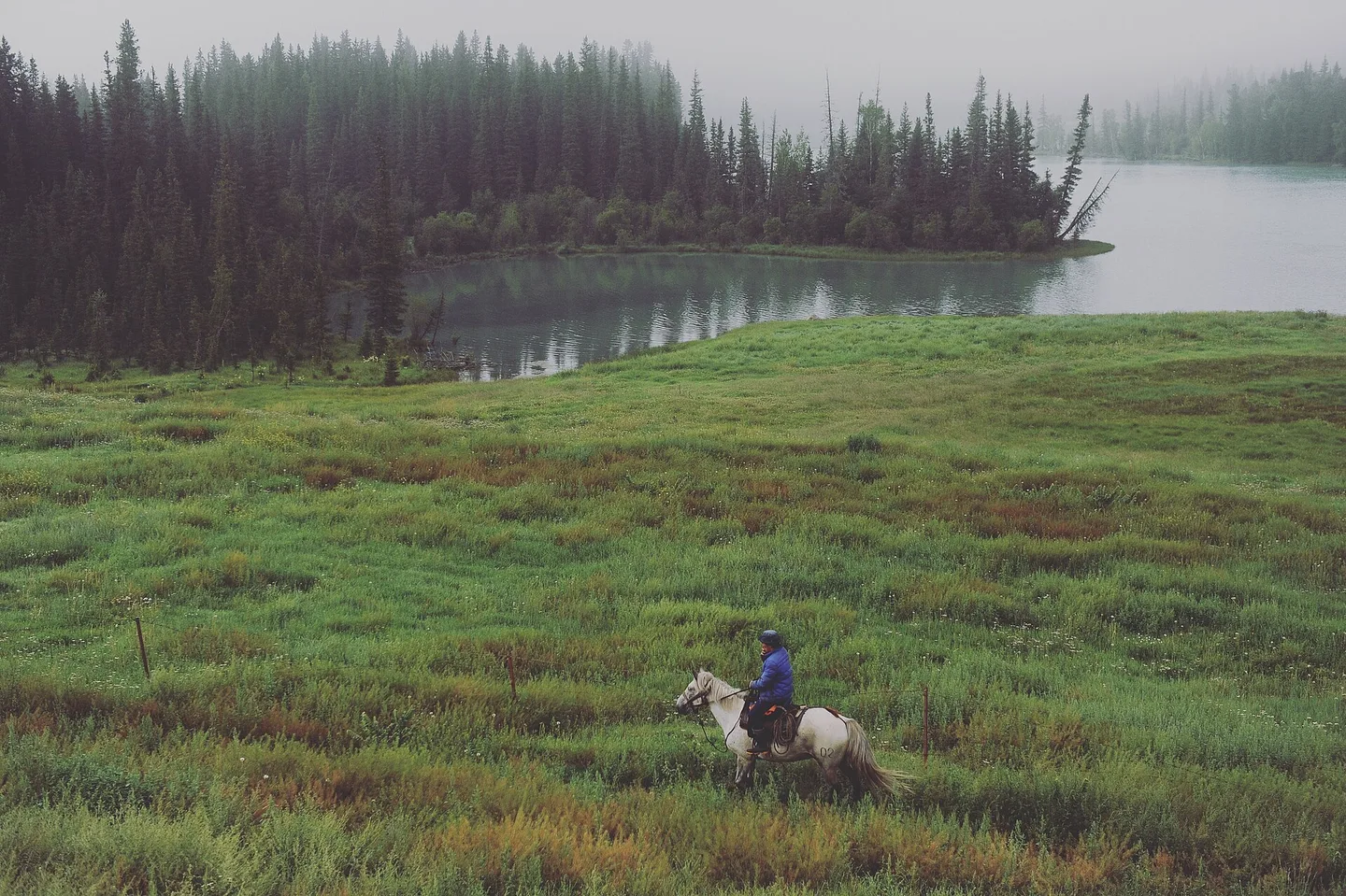
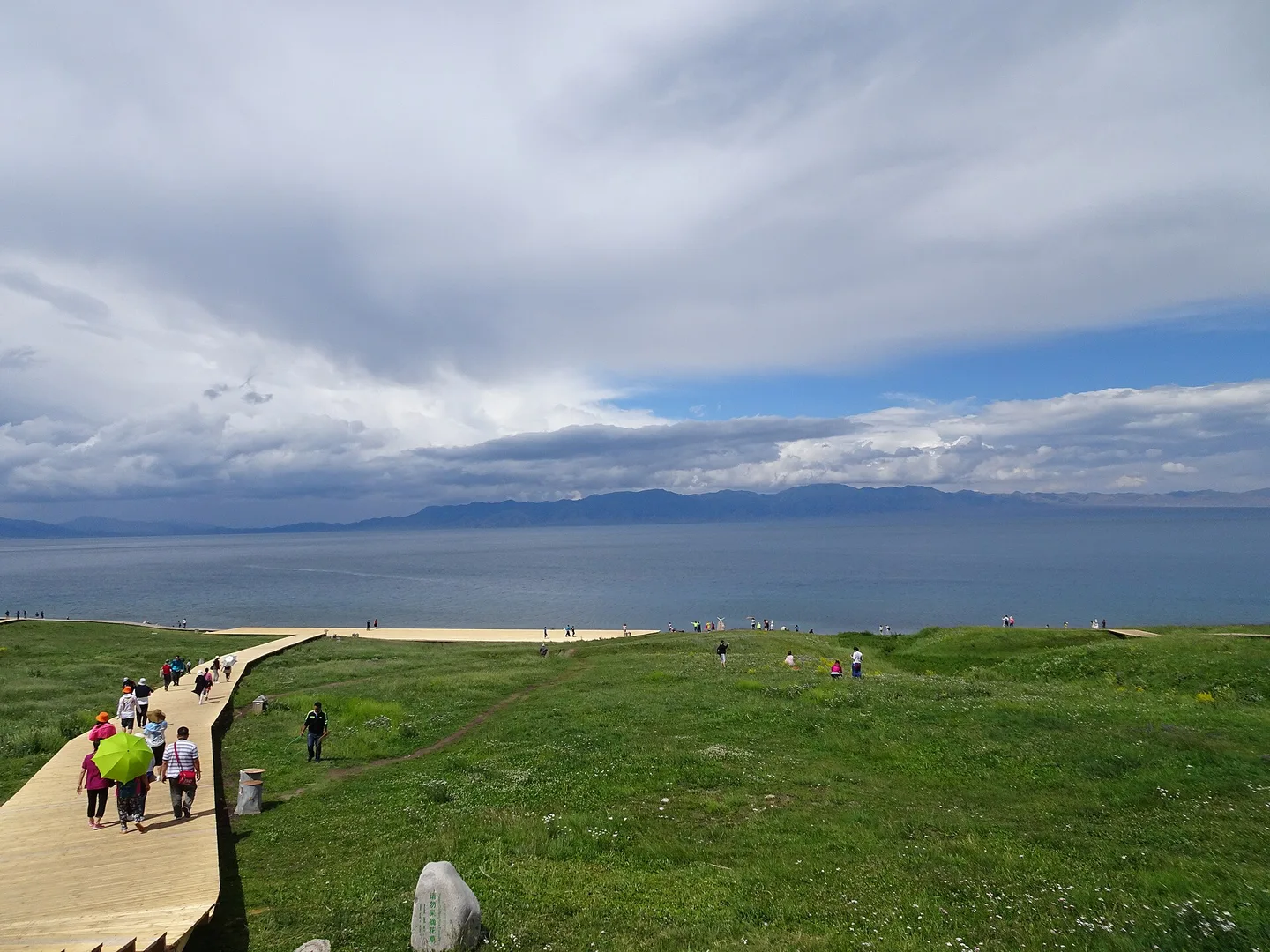
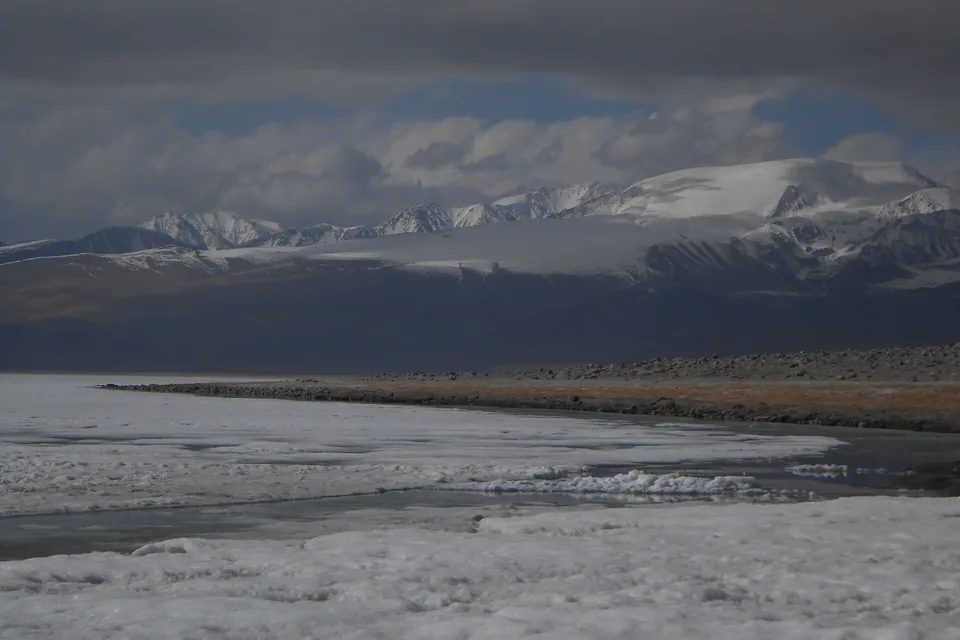
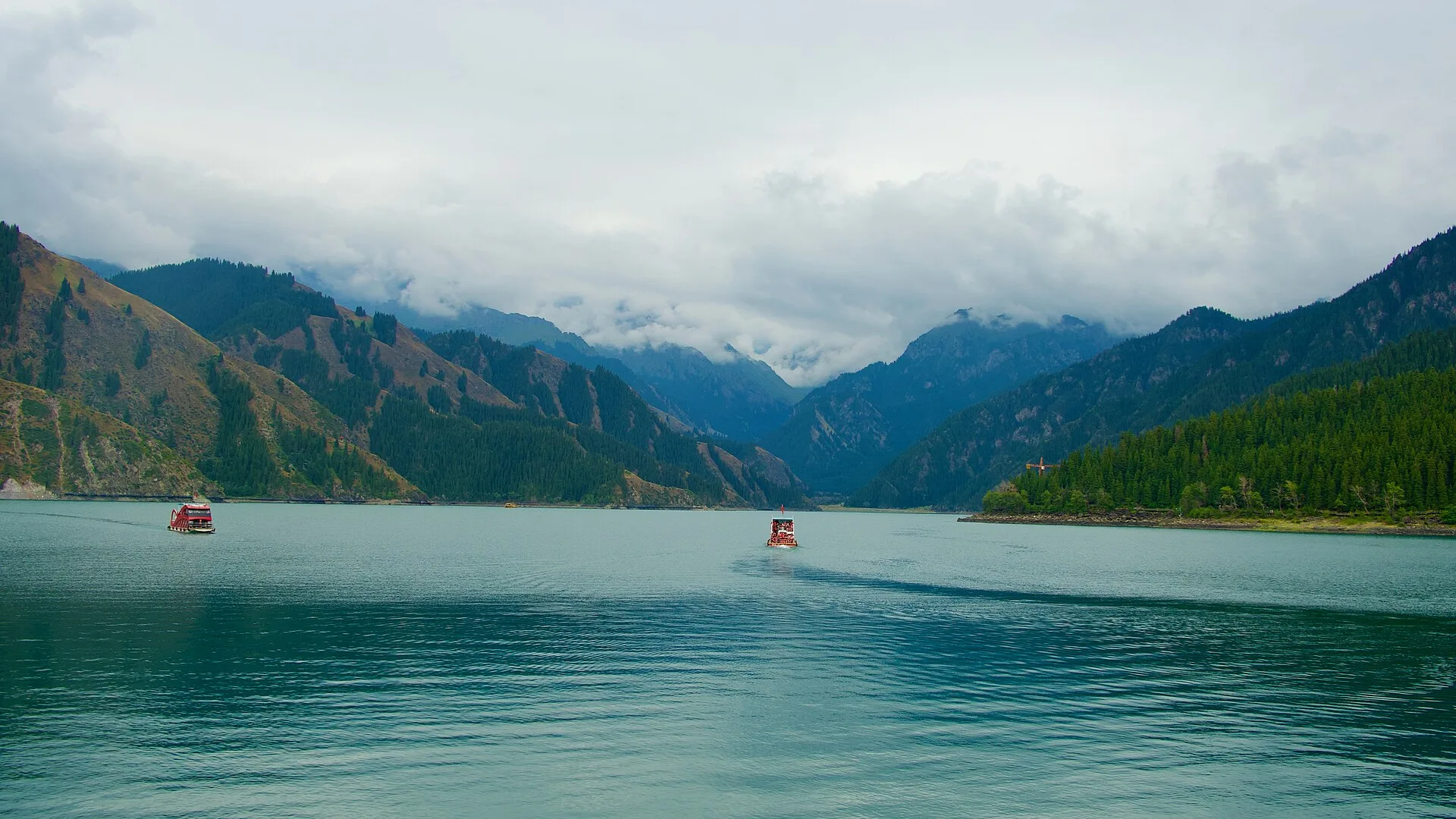
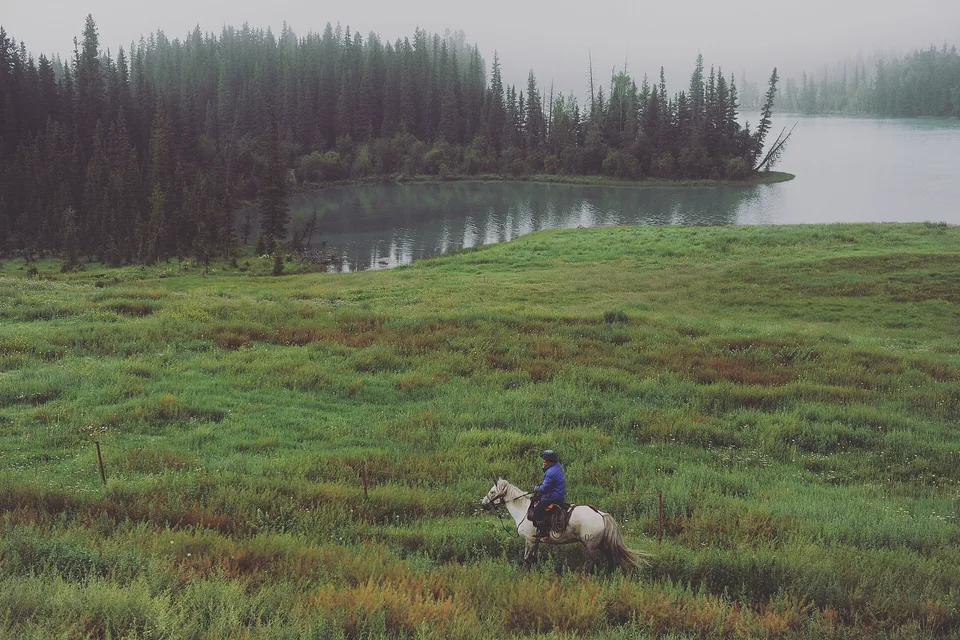
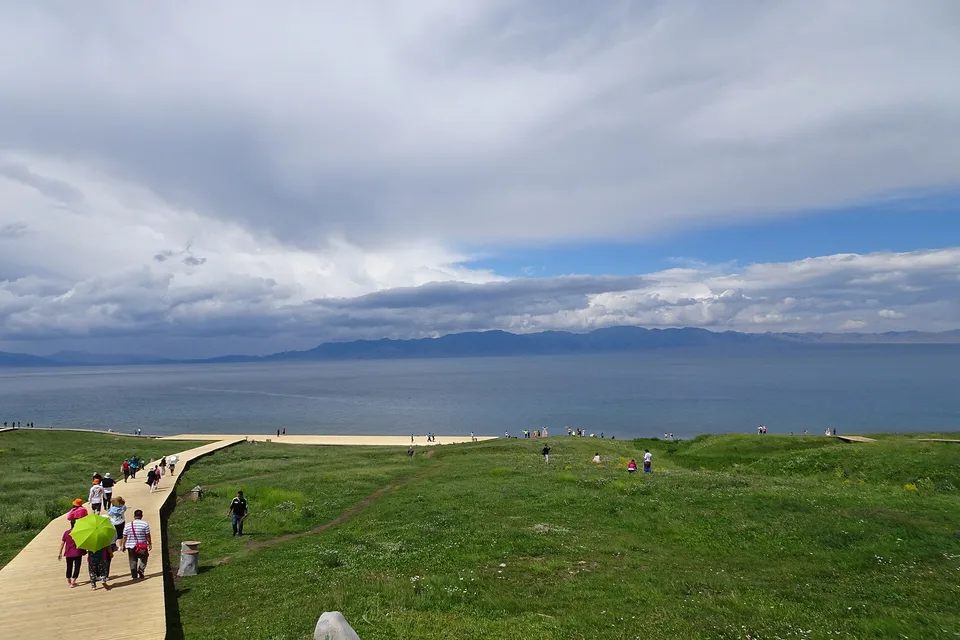
Northern Xinjiang: grasslands, lakes, snow peaks and forests dominate; summers are cool and autumn (mid-September to early October) is the most celebrated season for colour, with Kanas, Hemu, Sayram Lake and the Ili valley as standouts. The rhythm is mostly about scenery, which suits first-time visitors.
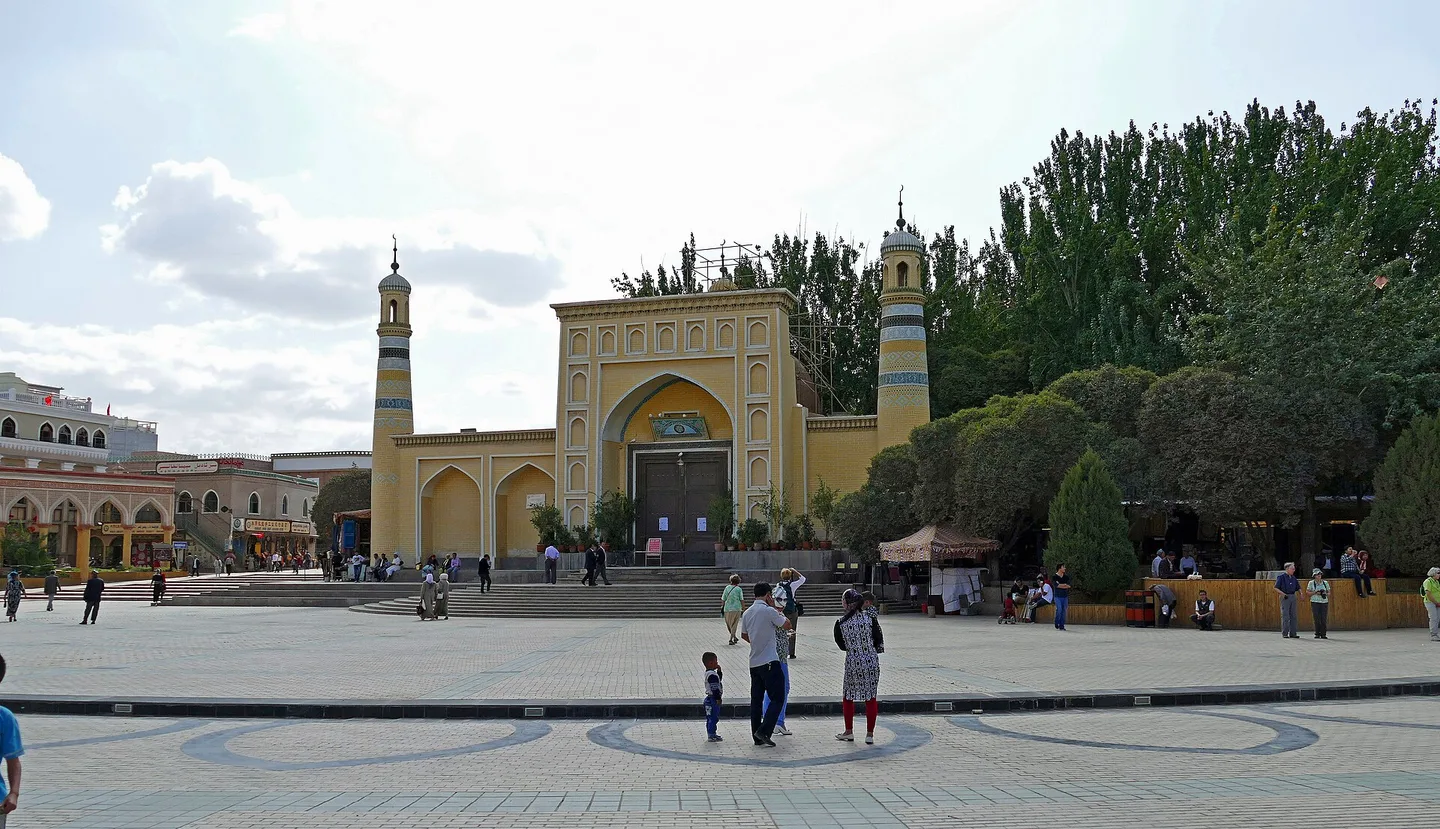
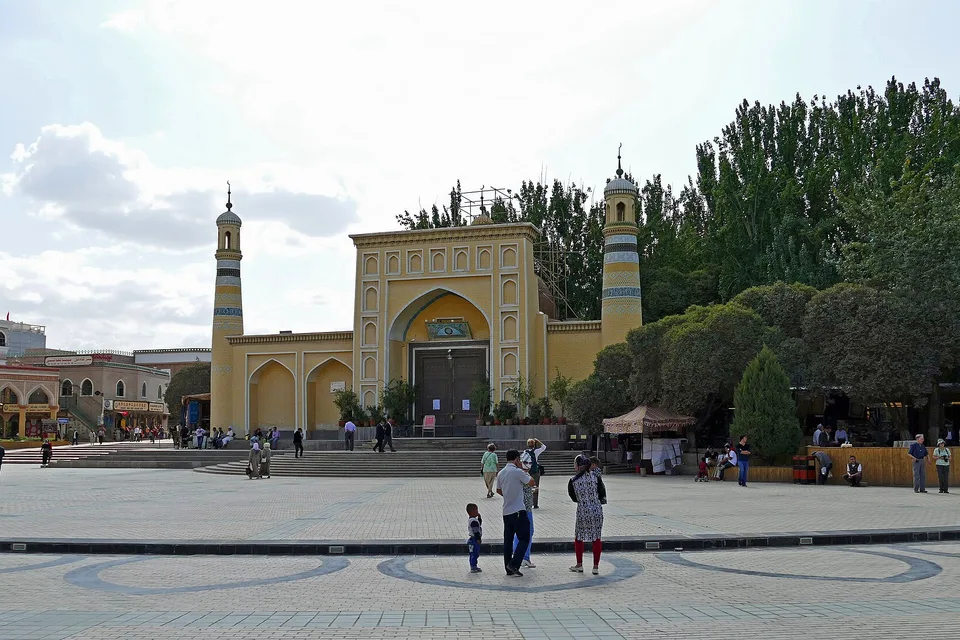
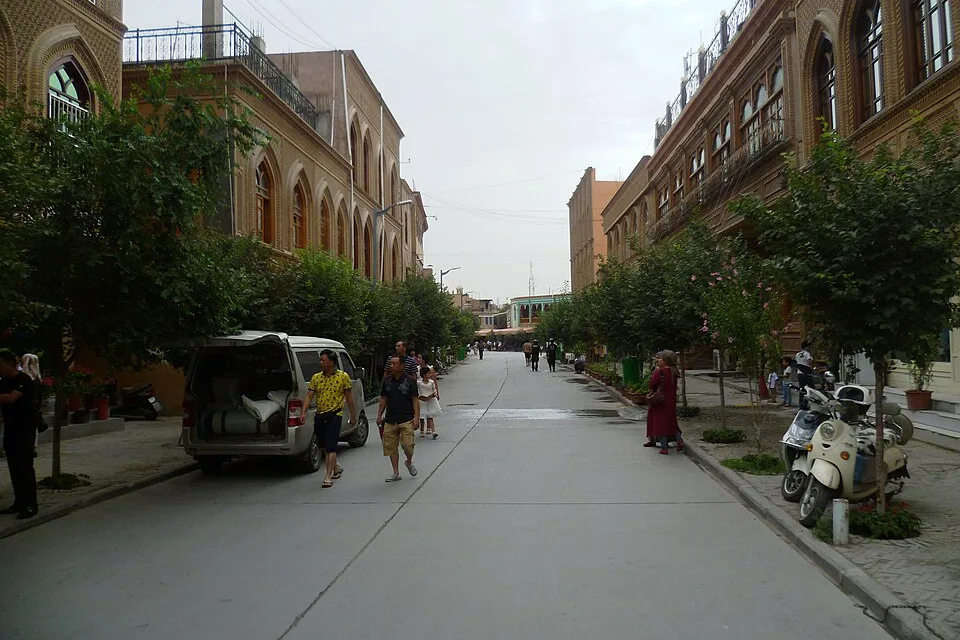
Southern Xinjiang: oasis cities, historical sites and scenes of everyday ethnic life dominate, with the Kashgar old town, the Xiangfei Garden, Kuqa and Tashkurgan (Pamir direction) as standouts; cultural density is high and the climate hotter and drier. Everyday life in Kashgar's old town is the real reason many people come to Xinjiang.
The two are extremely far apart: Urumqi to Kashgar is about 1,400 km — roughly two hours by air, or more than a full day overland.Do not try to cover northern and southern Xinjiang in depth on one trip, or you will spend all your time on the road.
For travellers from outside mainland China there is one more practical consideration:some of southern Xinjiang's crowded old towns, bazaars and mosque surroundings are sensitive about being photographed(see the etiquette section below), and in such settings respecting local people's wishes matters more than getting the shot.
What should you watch for with security checks and everyday travel?
Security checks in Xinjiang are routine — no need to be anxious — but you do need tofactor them into your schedule:
Transport hubs: airports, railway stations and long-distance bus stations require inspection and screening on entry, and railway station procedures are usually more thorough than elsewhere on the mainland, so arrive more than an hour early.
Public places: large malls, some scenic areas, museums and hotel lobbies may have screening gates or checkpoints.
What you carry: do not carry controlled knives or other prohibited items (this applies nationwide, and Xinjiang enforces it more strictly);lighters, liquids and similar items are handled according to each venue's rules。
Identity documents: carry your passport original. Hotel check-in must be registered, and as elsewhere on the mainland not all hotels can take foreign guests, soconfirm before booking that the hotel can host foreign guests, which matters especially in places like Kashgar and Tashkurgan.
Drones: Xinjiang regulates drones strictly, and many areas are no-fly or require prior reporting.Do not take the "bring it and see" approach; check before departure whether your destinations allow drones, and understand the registration and reporting requirements.
Connectivity and paymentAs on the mainland: whether a foreign card can be linked to Alipay or WeChat Pay depends on the platform's latest rules, and cash is still advisable in remote areas and at bazaar stalls; buy international roaming or an eSIM in advance, as signal is patchy in some scenic areas.
Eating in Xinjiang: arranging halal dining
Dining in Xinjiang ishalal-dominated, which is both the easiest thing to adapt to and the thing that needs most care:
Halal restaurants do not serve pork and most do not sell alcohol. Bringing pork products (jerky, sausages) into a halal restaurant is impolite — leave them at the hotel or do not carry them.
Do not bring your own alcohol into halal restaurants; if you want to drink, go to a non-halal restaurant or your hotel, and ask first.
Signature dishes: banmian (laghman), dapanji (sometimes made halal), grilled meat, pilaf, naan, yoghurt, dried fruit and fresh fruit.Summer fruit here is outstanding, but do not overdo it in one sitting, and avoid large amounts of iced fruit straight after long sun exposure.
Dietary restrictions and allergies: if you are vegetarian or allergic to certain ingredients, "halal" does not mean it matches your needs; write your requirements on a Chinese card to show staff, or ask your guide or driver to help explain.
Water and your stomach: when you first arrive in southern Xinjiang, drink bottled water and keep the first couple of days fairly light to give your stomach time to adjust.
Etiquette and photography: what you must respect
Ask permission before photographing people. In Kashgar's old town, at bazaars and in villages, raising a camera at people without asking is deeply offensive; the right approach is to smile, wait for a nod, and then shoot — and if you are refused, put the camera down.For children in particular, ask the parents first。
Mosques and religious sites: before entering, check whether non-Muslims may visit, whether shoes must be removed and whether your clothing is appropriate (no shorts or vest tops); do not disturb prayer times and do not photograph people who are praying.
Visiting a local home: if you are invited into a local home, remove your shoes at the door and sit where your host indicates; accept tea and food with your right hand (or both hands); do not wander into rooms your host has not shown you.
Respecting dietary rules: do not raise or display pork or alcohol in a host's home or a halal restaurant.
Avoid turning travel into an inspection. Talk to local people as one traveller to another, do not press on sensitive topics and do not treat people as objects of observation — it is basic courtesy, and it makes your trip far better.
Seasons and climate: when to go
May–June: northern grasslands turn green and temperatures are comfortable with relatively few visitors; southern Xinjiang starts to heat up.
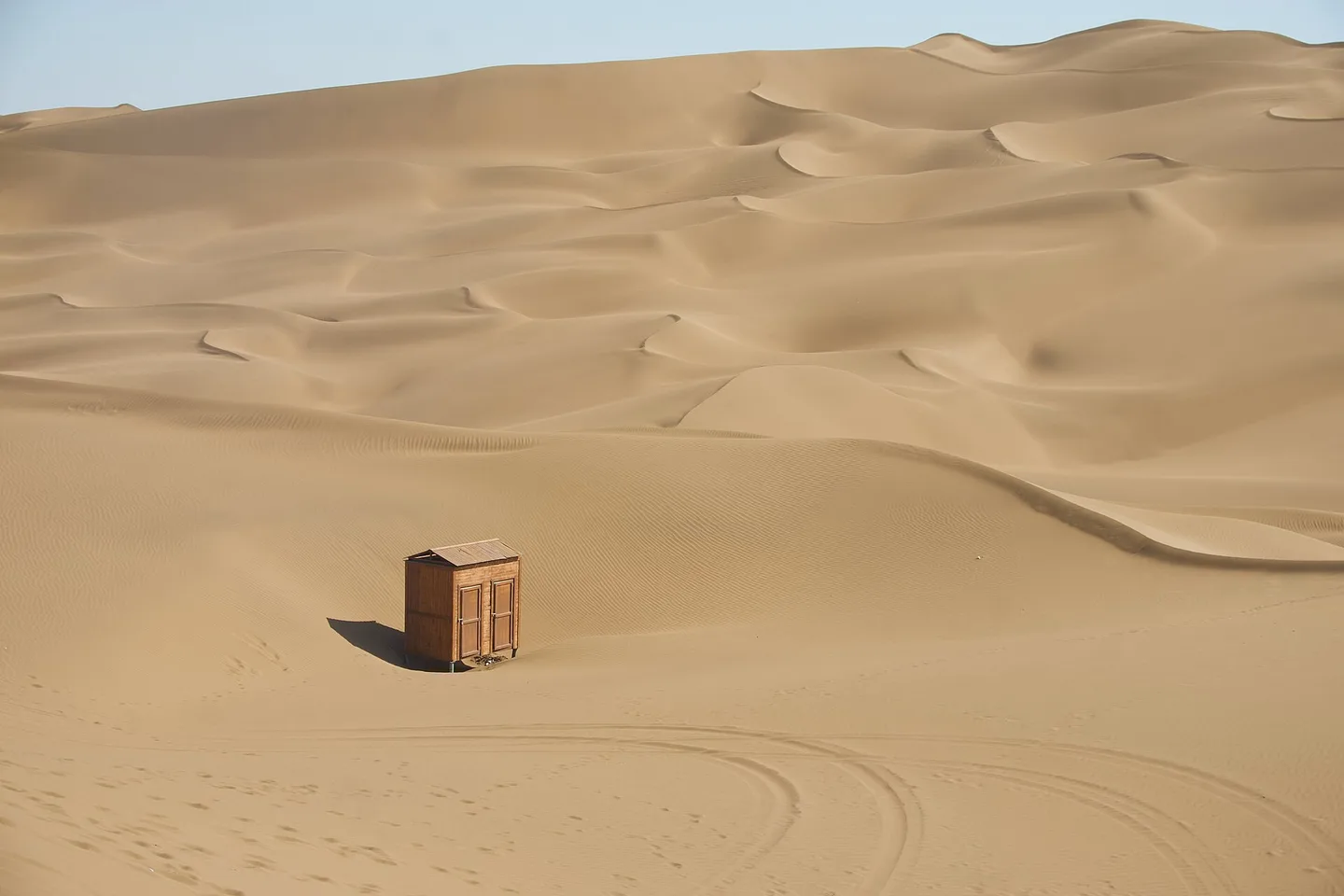
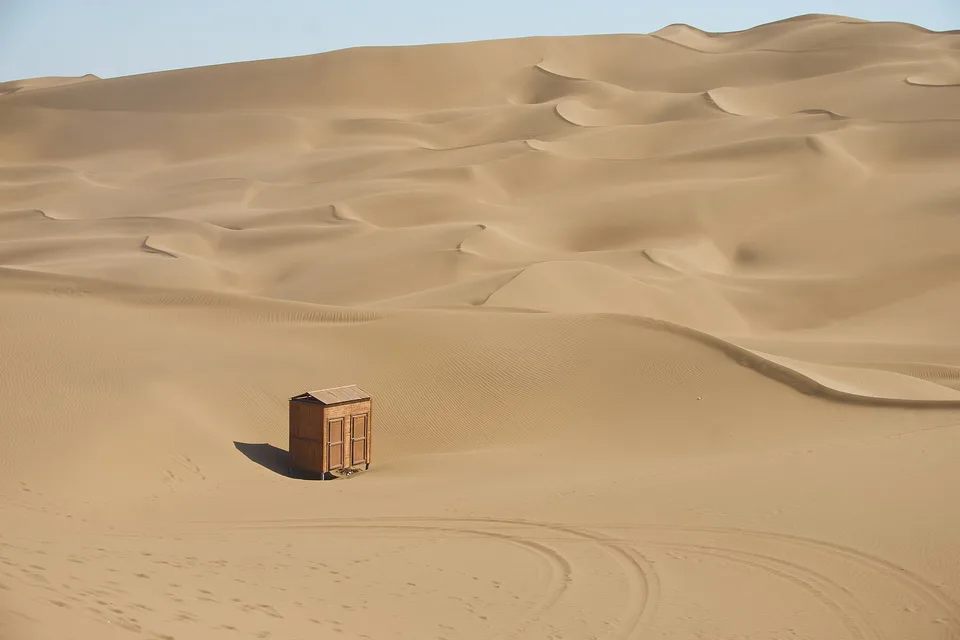
July–August: northern Xinjiang (Ili, Kanas) is at its best, cool and pleasant;southern Xinjiang (Turpan, Kashgar) is extremely hot and dry, so avoid midday outdoors.
Mid-September to early October: the golden window for northern autumn colour (Kanas, Hemu) and the busiest time of year, so book accommodation early.
November–March: northern Xinjiang is bitterly cold but snow scenery and skiing are worth it (the Altay direction); southern Xinjiang is milder, though the day-night temperature swing is large and snow can affect access on some mountain roads.
Two things that apply all year:the day-night temperature swing is large(the saying about coats in the morning and gauze at noon is no exaggeration), so bring layers;UV is strong and the air is dry, making sunscreen, lip balm and moisturiser essentials.
Winter entry: three things foreign visitors should know
The first is gear. Xinjiang winter varies enormously between north and south, from minus twenty or thirty in the north to around freezing by day in the south. If the trip covers both, dress for the coldest section, and a windproof shell matters more than thickness.
The second is a transport plan. Winter flights are affected by snow and wind, so never put an international flight and a domestic leg on the same day. A night in Urumqi or Altay is better value than rushing. Hiring a car with driver is standard in snow season; write down fuel, tolls, and the driver meals and lodging when agreeing a price.
The third is regions and documents. Border area access requirements do not change with the season, but winter processing and checks can be slower, so confirm early rather than asking on arrival. Follow the latest rules published by the authorities.
Frequently Asked Questions
Q: Does Xinjiang need a Tibet-style permit?No. Xinjiang has no permit system like Tibet's; standard travel areas can be visited on your passport and a valid Chinese visa (or applicable visa-free arrangements), and a border pass is only needed to enter specific border management zones.
Q: Can I apply for a border pass myself?Foreign travellers usually cannot apply locally the way domestic visitors can — it is generally handled by a qualified travel agency. Tell the agency in advance which border areas you plan to visit so they can confirm this season's requirements and documents.
Q: Do the Kashgar old town and the Pamir plateau need extra permits?Central Kashgar and the old town are standard travel areas and normally need no additional documents;the Pamir plateau direction (around Tashkurgan) often involves a border pass, and this can change with season or management requirements, so confirm in advance.
Q: Can I bring a drone?Xinjiang regulates drones strictly, and many places are no-fly or require reporting. Confirm before departure whether your destinations allow them, complete registration and reporting as required, and do not simply try it on arrival.
Wrapping up
To compress this guide into one sentence:Xinjiang's barrier is not the visa but the border— standard routes are very free, and only sections close to the national border need advance paperwork, which for foreign travellers must go through an agency and cannot be sorted out on the spot. So when planning a Xinjiang trip the right order issettle the route first (especially whether the Pamir direction is in or out) → ask an agency to assess permit feasibility → then book flights and hotels, not the other way round.
Two other things deserve time in preparation:halal dining and photography etiquette. They involve no paperwork at all, yet they directly shape your experience in southern Xinjiang — respect local people's wishes, do not bring alcohol or pork into halal restaurants, and ask before photographing; get these right and you will be treated very warmly.
On timing, for a first visit we suggestMay–June or mid-September to early October, taking a standard northern Xinjiang route plus central Kashgar, and leaving the Pamir plateau for next time. Xinjiang is nearly ten times the size of Guangdong, and in itinerary design "less but deeper" is always worth more than "more but rushed".
If you already have a rough month and direction in mind (a northern Xinjiang loop / southern Xinjiang culture / the Pamir plateau), tell our consultants your dates and who is travelling. We can first assess whether the border sections need permits and how many days to allow, then suggest a workable schedule.